 By
By 
Watch camera manufacturers’ social media channels and email announcements weekly to catch limited-edition releases before they sell out. Major brands like Sony, Canon, and Nikon now drop gear with little warning, mimicking streetwear launches to create urgency. Set up alerts for your preferred retailers and join brand-specific communities where members share insider tips about upcoming releases.
Scrutinize influencer partnerships before making purchases based on their recommendations. When a photographer with 500,000 followers suddenly showcases a specific lens or camera body, check their disclosure statements and look for patterns in their content. Many creators now have affiliate relationships or sponsorships that directly impact which products they feature, affecting the gear advice you receive.
Track how brands are shifting their pricing strategies between direct-to-consumer channels and traditional retailers. Companies increasingly offer exclusive bundles, early access, or better warranties through their own websites, while brick-and-mortar stores compete with personalized service and demo programs. Understanding these dynamics helps you negotiate better deals and access perks you might otherwise miss.
The digital marketing landscape is reshaping how you discover, evaluate, and purchase photography equipment. Brands invest millions in sophisticated campaigns designed to influence your buying decisions, from algorithm-driven Instagram ads to carefully orchestrated product launches. Recognizing these tactics empowers you to make informed choices based on your actual needs rather than manufactured hype, ensuring your gear investments truly support your creative vision.
The Influencer Effect: How Social Media Changed Camera Launches
Why Brands Are Paying Photographers to Post Before Press Releases
The traditional product launch playbook is being rewritten right before our eyes. Instead of waiting for official press releases and embargo lifts, camera and lens manufacturers are increasingly turning to content creators as their first line of marketing defense. This shift represents a fundamental change in how we discover and evaluate new gear.
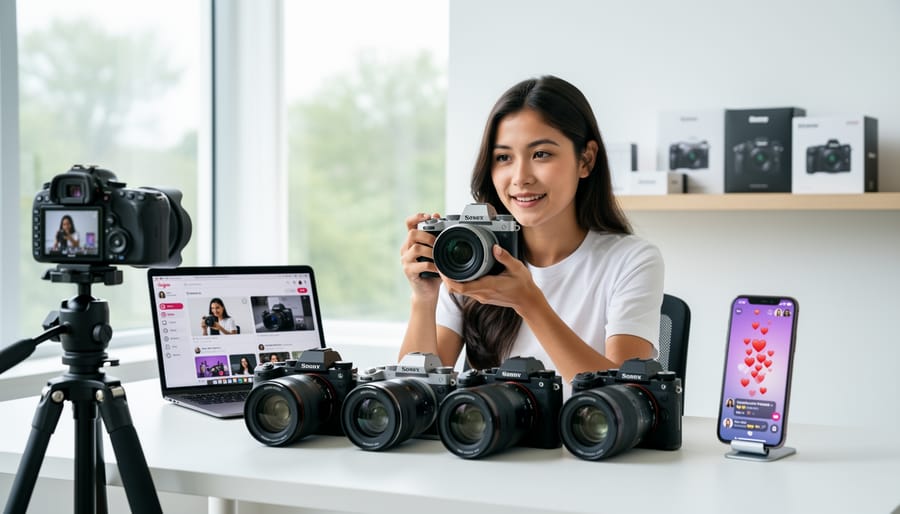
Here’s how it works: brands are offering photographers early access to unreleased products, sometimes weeks or months before any official announcement. In exchange, these creators produce authentic content showcasing the gear in real-world scenarios. Think of wedding photographers testing a new mirrorless body at actual ceremonies, or landscape shooters taking prototype lenses into the field for golden hour sessions. This content starts circulating on Instagram, YouTube, and photography forums while traditional media outlets are still waiting for basic product specs.
Ambassador programs have evolved beyond simply featuring established names. Brands now carefully select diverse creators who represent different genres and skill levels, ensuring the message reaches specific niches. A wildlife photographer with 50,000 engaged followers might generate more relevant buzz than a generic press release sent to hundreds of outlets.
This approach works because it feels less like advertising and more like peer recommendation. When you see a photographer whose work you admire using new gear, you’re witnessing genuine application rather than reading carefully crafted marketing copy. The pre-launch excitement builds organically through shares, comments, and discussions within photography communities.
For you as a photographer, this means the information landscape has changed. Your first impression of new gear likely comes from fellow creators rather than official channels, making it more important than ever to consider multiple perspectives before making purchasing decisions.
Direct-to-Consumer Sales: The Death of the Camera Store?
What This Means for Your Wallet
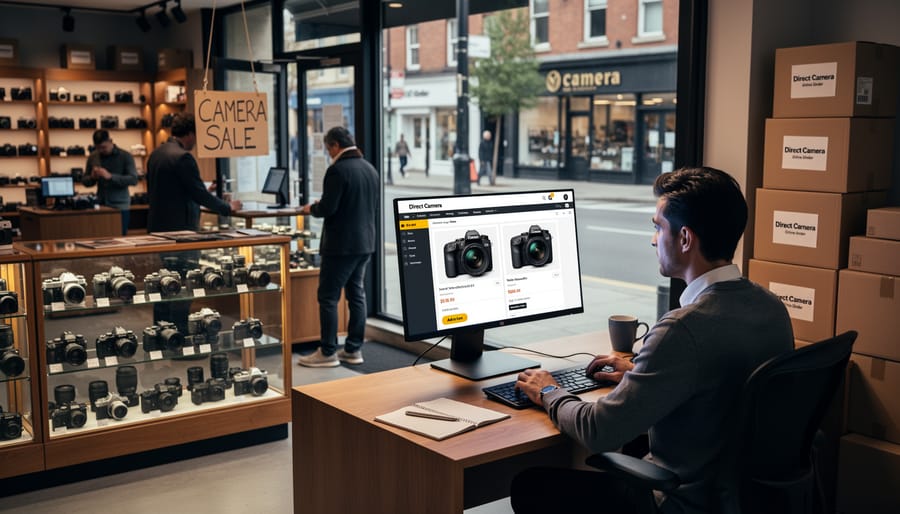
The shift to direct-to-consumer marketing has created a mixed bag of outcomes for your photography budget. On the positive side, cutting out middlemen often means brands can offer more competitive pricing. For instance, when newer brands like Peak Design launched with primarily DTC models, they passed along savings that would have otherwise gone to retailers, resulting in prices 15-20% lower than comparable traditional brands for items like camera bags and straps.
However, there’s a trade-off worth considering. The hands-on experience of visiting a camera shop, testing equipment, and receiving expert advice from knowledgeable staff has real value, especially when making significant investments in lenses or camera bodies. Some photographers find themselves researching gear online, trying it at a local shop, then purchasing direct from the manufacturer for a better price—a practice that’s contributing to the decline of specialized camera retailers.
Warranty and repair services present another consideration. Traditional retail channels often provided local support and simplified warranty claims. With DTC purchases, you’re dealing directly with manufacturers, which can streamline some processes but may complicate returns or repairs, particularly with international brands.
The sweet spot for savvy photographers often lies in a hybrid approach. Use manufacturer websites and social media for research and exclusive launches, but don’t overlook authorized dealers who sometimes match DTC pricing during sales events. Additionally, refurbished gear sections on manufacturer websites frequently offer exceptional value with full warranties. Keep an eye on demo programs too—many brands now offer used demonstration models at significant discounts, combining DTC convenience with reduced pricing.
Subscription Models and Software-Locked Features
The Canon Cloud Controversy and What Followed
In early 2024, Canon sent shockwaves through the photography community when rumors surfaced about potential cloud-based subscription features in their future camera lineup. While Canon never officially launched a mandatory subscription model, the mere discussion sparked fierce debate about where camera manufacturers are heading with their business strategies.
The controversy centered around speculation that certain camera features might require ongoing subscriptions to access. Photographers took to social media and forums, expressing concerns that basic functionality could eventually be locked behind paywalls. This wasn’t entirely unfounded—Canon’s competitors had already tested waters with subscription-based features, particularly around advanced autofocus capabilities and firmware updates.
What followed was illuminating. Canon’s marketing team quickly pivoted, emphasizing their commitment to traditional ownership models while quietly introducing optional cloud storage services instead. The backlash taught manufacturers a valuable lesson: photographers value ownership and are highly resistant to feeling like they’re renting their tools.
This case study reveals a critical tension in modern digital marketing. While subscription models work beautifully for software companies, physical product manufacturers face different expectations. Photographers want to buy gear once and own it outright. The controversy ultimately strengthened consumer advocacy, with major photography influencers and publications establishing clear boundaries about acceptable subscription models versus exploitative ones. Today’s photographers are more informed and vocal about these marketing tactics than ever before.
Data-Driven Product Development: Cameras Built by Algorithm
Camera manufacturers are no longer relying solely on engineer intuition and focus groups to design their next models. Instead, they’re mining massive amounts of digital data to understand exactly what photographers want, need, and will actually pay for. This data-driven product development approach is fundamentally changing how cameras come to market.
Think about it: every search query, social media discussion, and online review contains valuable information. When thousands of photographers consistently search for “best low-light mirrorless camera under $2000,” manufacturers take notice. Sony’s development of its improved autofocus systems, for instance, came partly from analyzing countless forum posts and YouTube comments where users expressed frustration with tracking moving subjects.
Social listening tools scan platforms like Instagram, Reddit, and specialized photography forums to identify emerging trends before they become mainstream demands. If bird photography discussions suddenly spike, or if there’s growing chatter about astrophotography features, product teams can incorporate these insights into development cycles.
The benefits are tangible. You get cameras designed around actual shooting scenarios rather than theoretical specifications. Features that nobody uses get eliminated, while genuinely useful functions receive priority. Real-world example: Fujifilm’s film simulation modes became a cornerstone feature after data showed strong engagement with vintage aesthetics among their user base.
However, this approach raises legitimate concerns. Privacy is the obvious one. How much of your online behavior and product usage data are manufacturers collecting? Many modern cameras can transmit usage statistics back to manufacturers, though this is typically opt-in.
There’s also the risk of homogenization. When everyone builds cameras based on the same trending keywords and social sentiment, innovation can suffer. We might end up with safe, consensus-driven products that check all the popular boxes but lack distinctive character or groundbreaking features that nobody knew they wanted until they tried them.
The sweet spot lies in balancing algorithmic insights with human creativity and vision.
The Used Market Boom and Peer-to-Peer Marketing
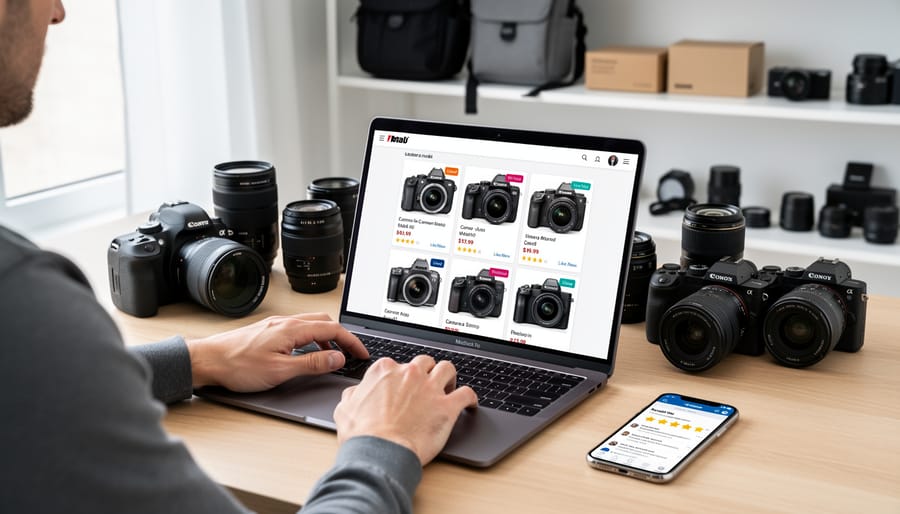
The secondary market for photography gear has transformed from dusty pawn shops and classified ads into a sophisticated digital ecosystem that’s reshaping how manufacturers approach marketing. Platforms like MPB, KEH, and Facebook Marketplace have become legitimate shopping destinations, with MPB alone processing over $300 million in used gear transactions annually.
This shift has created an interesting marketing challenge for camera manufacturers. When a photographer can buy a three-year-old professional body for half the retail price of a new model, traditional “latest and greatest” marketing loses some of its punch. Brands now find themselves competing not just against each other, but against their own previous generations of products.
Smart manufacturers have adapted by emphasizing features that truly matter to working photographers rather than just spec sheet improvements. Canon’s recent marketing, for example, highlights their RF lens ecosystem’s long-term value, knowing that bodies come and go but quality glass retains value in the used market. Meanwhile, Sony leverages their eye-tracking autofocus improvements to justify upgrades, demonstrating tangible workflow benefits that older models can’t match.
The peer-to-peer marketplace has also created a new kind of brand ambassador: the gear flipper. These enthusiasts buy, test, and resell equipment, sharing detailed real-world experiences across social media. Their authentic reviews often carry more weight than traditional advertising, forcing brands to ensure their products perform as promised from day one.
This democratization of gear access means manufacturers can no longer rely solely on professional endorsements and glossy campaigns. The used market has become a testing ground where products prove their lasting value, influencing purchase decisions across both new and pre-owned segments.
What These Trends Mean for Your Next Camera Purchase
Understanding how marketing influences the camera buying landscape puts you in control of your next purchase decision. Rather than reacting to every product launch announcement or limited-time offer, take a strategic approach to finding gear that genuinely serves your photography needs.
Start by identifying your actual shooting requirements before engaging with marketing content. Write down the specific scenarios where your current gear falls short. Maybe you need better low-light performance for event photography, or perhaps faster autofocus for wildlife work. This clarity helps you filter out impressive-sounding features that won’t actually benefit your work.
When researching cameras, seek out long-term user reviews rather than initial launch coverage. Real-world experiences from photographers who’ve used equipment for months reveal reliability issues, workflow advantages, and practical limitations that polished marketing materials never mention. Photography forums and user groups often provide honest assessments that cut through promotional hype.
Be skeptical of artificial urgency tactics. Camera technology evolves steadily, but manufacturers want you to feel like waiting means missing out. The reality is that last year’s flagship often delivers 95 percent of the performance at significantly lower prices. Unless you’re pushing technical boundaries professionally, patience usually rewards you with better value.
Consider the total ecosystem cost, not just the camera body price. Marketing focuses heavily on attractive entry points, but lenses, memory cards, batteries, and software subscriptions quickly add up. Calculate your complete investment before committing to a system.
Finally, remember that marketing aims to create desire, but great photography comes from skill and vision, not the latest sensor technology. Invest in your education alongside your equipment. That workshop or online course might improve your work more dramatically than upgrading from 24 to 45 megapixels. The best camera purchase is the one that genuinely enables your creative growth rather than simply satisfying manufactured want.
Understanding the digital marketing landscape isn’t about becoming a marketing expert—it’s about becoming a smarter photographer and gear buyer. When you recognize how brands use influencer partnerships, algorithmic targeting, and carefully crafted product launches to shape your perceptions, you gain something invaluable: the ability to separate genuine innovation from manufactured hype.
This awareness changes how you approach every purchasing decision. Instead of rushing to pre-order the latest camera because your favorite YouTube creator raved about it, you’ll pause and consider whether those features actually solve problems in your workflow. You’ll recognize when a specification bump is meaningful versus when it’s simply a marketing checkbox designed to justify a new model release.
More importantly, staying informed about marketing trends helps you anticipate where the industry is heading. When you notice brands shifting their messaging toward video capabilities or computational photography, you can make strategic decisions about skill development and equipment investment that align with actual market direction rather than reactive purchases.
The goal isn’t cynicism about marketing—it’s informed optimism. Brands need to market their products, and that’s perfectly fine. Your job is to filter that information through the lens of your creative vision, budget realities, and genuine needs. When you master this balance, you’ll find yourself with gear that truly serves your photography rather than a collection of impressive specifications that sounded compelling in an advertisement.



 By
By