 By
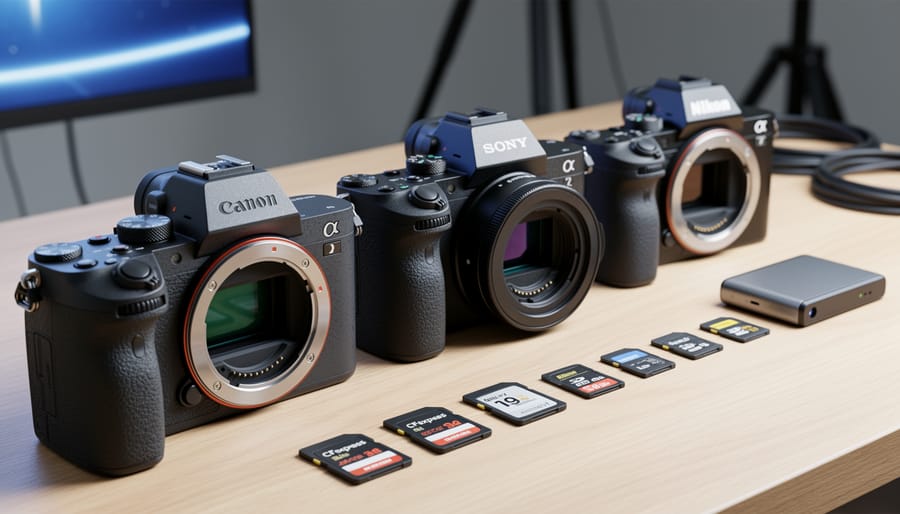
By Check your camera’s manual or file properties to identify which codec your camera uses—you’re likely already working with CR3 (Canon), ARW (Sony), or NEF (Nikon) for still images without realizing these are proprietary RAW codecs. Open your video files in a media player like VLC and check the codec information under “Tools > Media Information” to discover whether you’re shooting in H.264, H.265, or a professional format like ProRes or DNxHD. Download sample files in different codecs from camera manufacturer websites to compare file sizes, editing performance, and quality degradation before committing to a…
How Camera Brands Actually Win Your Heart (Before You Even Touch Their Products)
Every time you consider buying a new camera body, lens, or accessory, you’re experiencing imaging marketing in action—and it’s far more sophisticated than you might realize. Camera manufacturers don’t just sell products; they sell dreams of sharper images, creative freedom, and professional credibility. Understanding these tactics transforms you from a passive consumer into an informed decision-maker who recognizes when genuine innovation meets clever psychological manipulation.
Imaging marketing operates differently from other consumer electronics sectors. While smartphone companies race for megapixels and …

How Patent Battles Are Reshaping Your Camera’s Future
Every camera you own today exists because of a complex web of patents, licensing agreements, and legal battles happening behind the scenes. When Canon and Nikon engineers develop a new autofocus algorithm, when Sony pushes the boundaries of sensor technology, or when smartphone manufacturers integrate computational photography features, they’re navigating a minefield of intellectual property rights that can make or break innovation.
These legal disputes aren’t abstract corporate squabbles—they directly determine which cameras reach your hands, what features they include, and how much you’ll pay for them. Remember…
How Digital Marketing Is Reshaping the Camera Industry (And What It Means for Your Next Purchase)
Watch camera manufacturers’ social media channels and email announcements weekly to catch limited-edition releases before they sell out. Major brands like Sony, Canon, and Nikon now drop gear with little warning, mimicking streetwear launches to create urgency. Set up alerts for your preferred retailers and join brand-specific communities where members share insider tips about upcoming releases.
Scrutinize influencer partnerships before making purchases based on their recommendations. When a photographer with 500,000 followers suddenly showcases a specific lens or camera body, check their disclosure statements and look for …

Supply Chain Chaos Just Changed What Camera Gear You Can Buy
Monitor camera manufacturer websites weekly and sign up for stock alerts, as inventory windows for popular models like the Sony A7 series and Canon R bodies now close within hours rather than days. The photography industry faces unprecedented supply chain turbulence in 2024, with semiconductor shortages, shipping delays, and geopolitical tensions creating a perfect storm that’s reshaping how we buy camera gear.
Check authorized dealer networks daily rather than waiting for single-retailer restocks, since distribution has become fragmented and unpredictable across retailers. Consider pre-owned equipment from reputable sellers …