 By
By 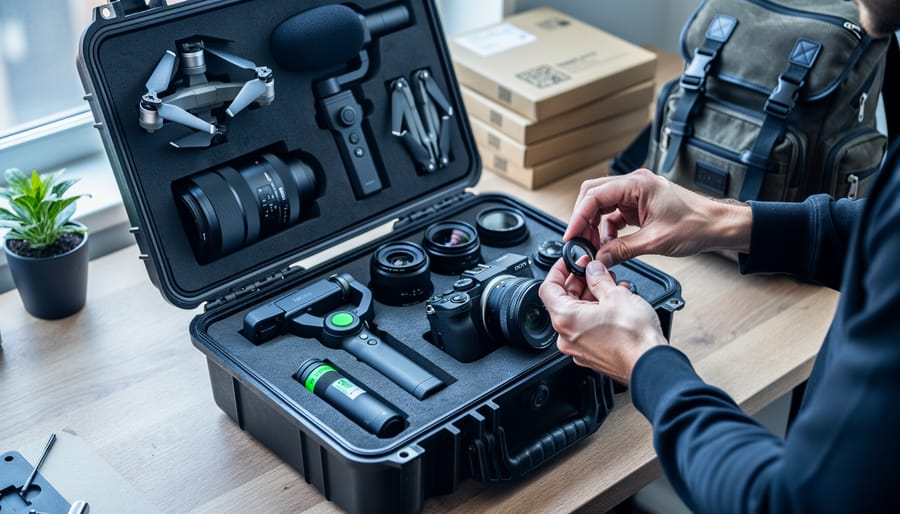
Protect your videography gear by purchasing comprehensive equipment insurance that covers theft, damage, and loss—policies typically range from $150-$500 annually depending on your gear’s total value. Contact specialized providers like Athos Insurance, TCP Insurance, or Hill & Usher who understand the unique needs of content creators and offer replacement value coverage rather than depreciated value.
Calculate your exact coverage needs by creating a detailed inventory spreadsheet with purchase dates, serial numbers, and current replacement costs for every camera body, lens, drone, stabilizer, and audio device you own. This documentation speeds up claims processing and ensures you’re neither underinsured nor paying for excessive coverage you don’t need.
Consider bundling your equipment insurance with liability coverage, particularly if you shoot on location or work with clients—a single accident on someone’s property could cost thousands in legal fees without proper protection. Many insurers offer package deals that reduce your overall premium while extending coverage to include professional liability and damage to third-party property.
Choose policies with worldwide coverage and no deductible options if you frequently travel for shoots, as basic homeowner’s insurance rarely covers professional equipment used for income generation and typically excludes international incidents. From an environmental perspective, comprehensive insurance enables you to repair rather than replace damaged equipment, extending the lifespan of your gear and reducing electronic waste. When a lens suffers a repairable crack or a camera body needs new components, insurance makes the sustainable choice—fixing instead of discarding—financially viable, keeping functional equipment out of landfills while maintaining your professional capabilities.
The Hidden Environmental Cost of Replacing Videography Equipment
Manufacturing Impact: From Raw Materials to Your Camera Bag
Before your camera or gimbal ever reaches your gear bag, it carries a significant environmental story. Understanding this manufacturing impact helps explain why insurance—and keeping equipment in use longer—matters beyond just financial protection.
Modern videography equipment requires rare earth minerals like neodymium for camera motors and tantalum for capacitors. These materials often come from mining operations that displace ecosystems and communities. A single professional cinema camera contains materials sourced from multiple continents, each extraction point leaving its mark on local environments.
The production phase itself is energy-intensive. Manufacturing a typical DSLR camera generates roughly 30 kilograms of carbon dioxide equivalent—about the same as driving 75 miles. Lens production involves precision glass grinding and multiple coating processes, while electronic components require semiconductor fabrication in cleanroom facilities that consume massive amounts of water and electricity.
Plastics derived from petroleum form camera bodies, battery casings, and protective elements. While some manufacturers now incorporate recycled plastics, most equipment still relies on virgin materials. The electronics assembly process also introduces chemicals like flame retardants and adhesives that complicate end-of-life recycling.
Consider this real-world perspective: if your $3,000 camera setup gets replaced after accidental damage rather than repaired through insurance coverage, you’re essentially doubling that manufacturing footprint. This makes comprehensive insurance not just financial protection but an environmental decision—keeping equipment operational means avoiding the substantial carbon cost of manufacturing replacement gear.

The E-Waste Problem in Photography and Videography
The photography and videography industry generates a staggering amount of electronic waste each year, and our beloved camera gear is a significant contributor to this growing problem. According to the Global E-Waste Monitor, approximately 53.6 million metric tons of electronic waste were produced globally in 2019, with consumer electronics and equipment making up a substantial portion. While specific data on camera equipment alone is limited, industry experts estimate that millions of cameras, lenses, and video accessories end up in landfills annually.
Here’s what makes this particularly concerning: a single DSLR camera contains valuable materials like gold, silver, and copper, along with harmful substances including lead and mercury. When these devices are improperly disposed of, toxic materials can leach into soil and groundwater. Consider that professional photographers might upgrade their camera bodies every three to five years, while hobbyists cycle through equipment even more frequently as they experiment with different systems.
The rapid pace of technological advancement compounds the issue. When manufacturers release new models with incremental improvements, perfectly functional older equipment often gets labeled as “outdated” and discarded. A real-world example: Canon’s transition from EF to RF mount lenses prompted many photographers to abandon entire lens collections that still produced excellent results.
This cycle of consumption and disposal doesn’t just harm the environment. It also represents a significant financial loss for creators. This is where proper insurance coverage becomes an environmental ally, helping you repair rather than replace equipment, ultimately keeping functional gear out of landfills.
How Insurance Supports Sustainable Equipment Practices
Repair vs. Replace: Insurance as Your Sustainability Safety Net
When your cinema camera takes an unexpected tumble or your gimbal stops functioning mid-shoot, you face a critical decision: repair or replace? This choice has implications far beyond your wallet. Here’s where comprehensive videography equipment insurance becomes an unexpected champion of sustainability.
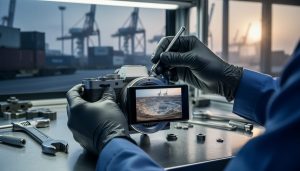
Most quality insurance policies include repair coverage as a standard benefit, and this creates a powerful incentive to fix rather than discard damaged gear. When your insurer covers repair costs, suddenly that cracked lens housing or malfunctioning electronic component doesn’t automatically mean a trip to the landfill. Instead, you’re financially supported in choosing the more environmentally responsible path.
Consider a real-world scenario: A videographer’s $3,000 drone suffered water damage during a coastal shoot. Without insurance, replacing it might have seemed easier than investigating repair options. With coverage, however, the insurance company connected them with an authorized repair center that restored the drone for a fraction of replacement cost. The result? One less piece of electronic waste and a fully functional tool that continued serving for years.
Insurance providers often maintain networks of certified repair technicians, making the repair process straightforward and accessible. This infrastructure effectively removes the common barriers that push people toward replacement, such as finding qualified technicians or absorbing upfront costs. By shouldering these financial and logistical burdens, insurance transforms equipment repair from a hassle into a viable, even preferable option. You’re not just protecting your investment; you’re actively participating in a more circular, sustainable approach to professional videography.

Protecting Your Investment in Quality, Long-Lasting Gear
When you’re making significant purchasing decisions about videography equipment, insurance fundamentally changes your calculus. Instead of gravitating toward cheaper alternatives that you can afford to replace out-of-pocket, comprehensive coverage empowers you to invest in professional-grade equipment that will serve you for years to come.
Here’s a real-world example: A videographer I know was torn between a $1,200 camera body that would “get the job done” and a $3,500 model with superior build quality, weather sealing, and better sensor technology. Without insurance, the cheaper option seemed more sensible because replacing it wouldn’t devastate his finances. With proper coverage in place, he confidently chose the higher-end model, knowing that whether it failed mechanically or was damaged on location, his investment was protected.
This psychology shift matters tremendously for sustainability. When creators feel secure investing in quality, long-lasting gear, they’re less likely to cycle through disposable equipment every few years. Premium gear typically features better construction, user-repairable components, and longer manufacturer support, all of which extend its useful life significantly.
Insurance also protects your ability to maintain equipment properly. Knowing your gear is covered means you’re more likely to use it in challenging conditions rather than leaving it home because you’re worried about damage. This confidence ensures you actually get value from your investment rather than babying equipment that sits unused.
The environmental benefit extends beyond just buying less frequently. Higher-quality equipment often means better performance per unit of materials used, more efficient power consumption, and components that can be serviced rather than discarded. When insurance removes the fear of loss, choosing durability over disposability becomes the obvious financial decision, not just the environmentally responsible one.
What Videography Equipment Insurance Actually Covers

Comprehensive Coverage: Beyond Basic Protection
When you’re shooting on location, basic protection just doesn’t cut it. Comprehensive videography equipment insurance goes far beyond covering simple theft from your locked studio. Think of it as a safety net that catches you when real-world chaos strikes your gear.
Let’s say you’re filming a documentary at a waterfront. You set your camera bag down for just a moment, and a wave crashes higher than expected, soaking your mirrorless camera and three lenses. Or picture this: you’re capturing wedding footage when a guest accidentally bumps your tripod, sending your cinema camera tumbling onto concrete. These aren’t hypothetical disasters, they’re scenarios that happen to working videographers every week.
Comprehensive policies typically cover theft from vehicles or public spaces, accidental damage including drops and impacts, water damage from spills or weather exposure, fire damage, and even mysterious disappearance when you genuinely can’t account for where equipment went. Many policies also include coverage during transit, whether you’re shipping gear to a shoot or checking it as luggage.
From a sustainability perspective, comprehensive coverage makes even more sense. When your equipment is fully protected against life’s unpredictable moments, you’re not forced into emergency replacements that generate unnecessary electronic waste. You can repair instead of replace, or make thoughtful choices about replacement gear rather than panic-buying whatever’s immediately available. That water-damaged camera might be repairable, and comprehensive insurance often covers professional restoration services that extend equipment life while reducing landfill waste.
Specialized Coverage for Different Videography Needs
Not all videography insurance needs are created equal. The equipment you use and where you use it dramatically affect what coverage you’ll need, so let’s break down the specialized options that matter most.
If you’re flying drones, standard equipment policies often fall short. Drone coverage needs to address both hull damage to the aircraft itself and liability for property damage or injury if something goes wrong mid-flight. Most insurers now offer dedicated drone riders that cover crashes, flyaways, and water landings. This specialized coverage becomes particularly important when you consider that replacing a high-end drone can cost thousands, and a single accident could damage someone’s property or worse. From a sustainability perspective, comprehensive drone coverage encourages proper maintenance and careful operation, reducing the likelihood of equipment ending up in landfills after preventable accidents.
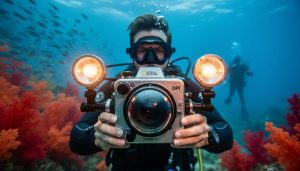
Underwater videographers face unique challenges too. Housing systems, specialized lenses, and waterproof cameras require policies that specifically address water damage and pressure-related failures. Many standard policies exclude water damage entirely, so you’ll need explicit coverage for submersion work. If you’re shooting in saltwater environments, which are particularly corrosive, make sure your policy doesn’t have exclusions for marine conditions.
Rental gear presents another consideration. When you rent equipment to supplement your kit, verify whether your policy covers borrowed items or if you need the rental company’s insurance. Some policies automatically extend to short-term rentals, while others require additional riders. This matters for sustainability because it enables you to rent specialized gear for specific projects rather than purchasing equipment that sits idle most of the year.
Location-based coverage varies too. Studio work typically carries lower premiums than on-location shoots, where equipment faces more environmental hazards. International travel requires special attention since domestic policies often provide limited or no coverage abroad. If you’re shooting overseas regularly, seek policies with worldwide coverage rather than relying on temporary extensions, which can leave gaps in protection.
Choosing the Right Insurance Provider for Your Video Gear
Key Questions to Ask Before Buying Coverage
Before committing to a policy, arm yourself with the right questions to ensure your coverage truly meets your needs. Think of this conversation with your insurer as a collaborative effort to protect both your investment and the planet through responsible equipment management.
Start with repair options: Does the policy prioritize repairs over replacements? Some insurers automatically replace damaged gear, which creates unnecessary e-waste when equipment is repairable. Ask specifically, “What’s your process for determining whether equipment can be repaired?” and “Do you work with certified repair centers?” This matters because keeping your existing gear in service longer reduces environmental impact while maintaining coverage.
Next, clarify replacement policies. If your camera body is discontinued, will they provide an equivalent current model or the actual cash value? Understanding whether you’ll receive new, refurbished, or like-kind replacement equipment helps you gauge both the policy’s value and its alignment with sustainable practices.
Dive into deductible structures. Are deductibles per-item or per-claim? A professional videographer filing a claim for multiple pieces might face vastly different out-of-pocket costs depending on this detail. For example, a per-claim deductible of $500 beats paying $500 per item if you’re claiming three damaged lenses simultaneously.
Finally, understand the claims process thoroughly. How quickly does the insurer respond? What documentation do you need? Can you use your own repair shop? One videographer I know discovered too late that their policy required using an out-of-state repair center, adding weeks to their downtime. Ask about typical processing times and whether temporary equipment loans are available during repairs.
Popular Insurance Options for Videographers
When it comes to protecting your videography gear, you have several insurance paths to explore, each with distinct advantages and limitations worth understanding.
Your homeowner’s or renter’s insurance might seem like the easiest starting point. Many policies allow you to add a rider or floater specifically for camera equipment. This approach works well for hobbyists with modest gear collections, typically offering coverage up to $2,000-$5,000 without itemization. The premiums are usually reasonable, and bundling with your existing policy keeps things simple. However, there’s a catch: these policies often exclude business use, meaning if you’re earning income from your work, your claim could be denied. Additionally, filing a claim might impact your home insurance rates, which makes this option less attractive for professionals.
Specialized photography and videography insurance companies offer policies designed specifically for creators. These typically provide equipment coverage ranging from $5,000 to $150,000 or more, with options for inland marine coverage that protects your gear anywhere in the world. The real advantage here is coverage that understands your workflow: shooting at weddings, traveling to locations, equipment in transit, and yes, business use is fully covered. Many policies also include liability protection if someone gets injured during a shoot. Premiums vary based on your equipment value and claim history, but expect to pay roughly 1-3% of your gear’s value annually.
Professional liability bundles combine equipment protection with broader business insurance needs. If you run a videography business, these packages often include general liability, professional indemnity, and equipment coverage under one umbrella. While more expensive upfront, they provide comprehensive protection that satisfies client contracts requiring proof of insurance. This option makes most sense for established professionals working with commercial clients who demand robust coverage documentation.
Building a Complete Sustainable Equipment Strategy
Preventive Care That Extends Equipment Life
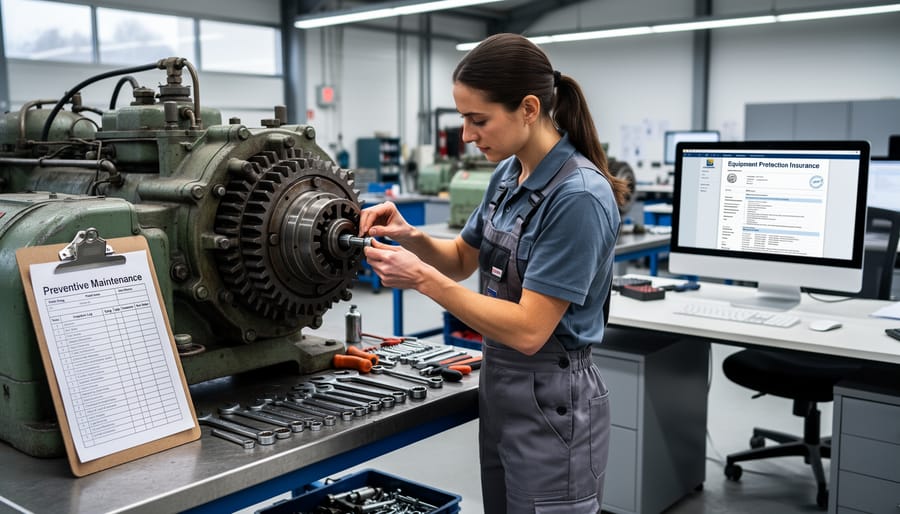
The best insurance policy is prevention. While having comprehensive coverage protects your investment, maintaining your videography equipment properly reduces the likelihood you’ll ever need to file a claim—and it’s better for the environment too.
Start with proper storage solutions. Invest in quality cases with adequate padding and weatherproofing. Pelican cases might seem expensive upfront, but they’ve saved countless cameras from moisture damage and impacts. When I switched to hard cases for transporting gear between locations, my repair costs dropped by 70 percent within a year.
Climate control matters more than most videographers realize. Store equipment in environments with stable temperature and humidity levels. Extreme fluctuations cause internal condensation, which leads to corrosion and sensor damage. If you’re shooting in varied conditions, give your gear time to acclimate before exposing it to drastic temperature changes.
Regular cleaning prevents minor issues from becoming major problems. Use proper lens cleaning solutions and microfiber cloths—never your shirt. Clean sensor dust promptly, and have your equipment professionally serviced annually. These maintenance visits often catch potential failures before they happen.
Battery care extends equipment life significantly. Never store batteries fully depleted, and avoid leaving them in cameras for extended periods. This simple practice prevents corrosion and maintains battery health, reducing premature replacements.
Finally, implement a gear checklist system. Before and after each shoot, inspect all equipment for wear, loose connections, or emerging issues. Catching a fraying cable early might save you from a catastrophic failure during an important project. This proactive approach minimizes waste while keeping your insurance premiums lower through fewer claims.
When to Repair, When to Replace, and How Insurance Helps You Decide
Making smart decisions about equipment longevity starts with understanding the true cost of repair versus replacement. Here’s where your insurance policy becomes more than just financial protection—it’s a decision-making tool.
When evaluating damaged gear, consider the 50% rule: if repair costs exceed half the replacement value, replacement typically makes more sense. However, insurance changes this calculation. With a comprehensive policy, you might only pay your deductible for repairs, making restoration the greener choice even for significant damage.
For example, a professional videographer I know dropped a cinema camera worth $8,000. The repair quote came in at $3,200—normally a borderline decision. But with insurance covering everything above her $500 deductible, repair was both economically and environmentally sensible. The camera got a second life instead of becoming electronic waste.
Insurance also helps with aging equipment decisions. If your older gear still functions but lacks modern features, your policy’s replacement cost coverage matters enormously. Actual cash value policies depreciate your equipment’s worth over time, potentially pushing you toward premature replacement. Replacement cost coverage, however, gives you flexibility to keep using older gear without financial penalty when it eventually fails.
Before making any decision, contact your insurer to understand coverage specifics. Some policies offer repair cost guarantees or preferred repair networks that prioritize quality restoration over quick replacement. This partnership between you and your insurer creates a framework where sustainability and smart economics align naturally.
Investing in videography equipment insurance isn’t just about protecting your wallet—it’s about making a conscious choice that aligns with your values as a content creator. By ensuring your gear is properly covered, you’re actively participating in a more sustainable approach to your craft. When your camera, lenses, or stabilizers are damaged or stolen, insurance means you can repair or replace them without defaulting to the wasteful cycle of unnecessary upgrades or disposal of fixable equipment.
Think about it this way: every time you file a claim for a damaged lens that gets professionally repaired instead of tossed aside, you’re keeping electronic waste out of landfills. You’re extending the life of quality equipment that was manufactured with significant environmental resources. This approach complements other sustainable practices you might already embrace in your creative work.
Now is the perfect time to evaluate your current coverage. Does your policy support repairs over replacements? Does it cover pre-owned or refurbished gear you might purchase as part of a more circular economy approach? These questions matter because they determine how well your insurance aligns with your sustainability goals.
As creators, we have the power to make choices that ripple outward—through the stories we tell and the practices we adopt. Protecting your equipment responsibly is one more way you’re building a creative career that respects both your investment and the planet.

 By
By