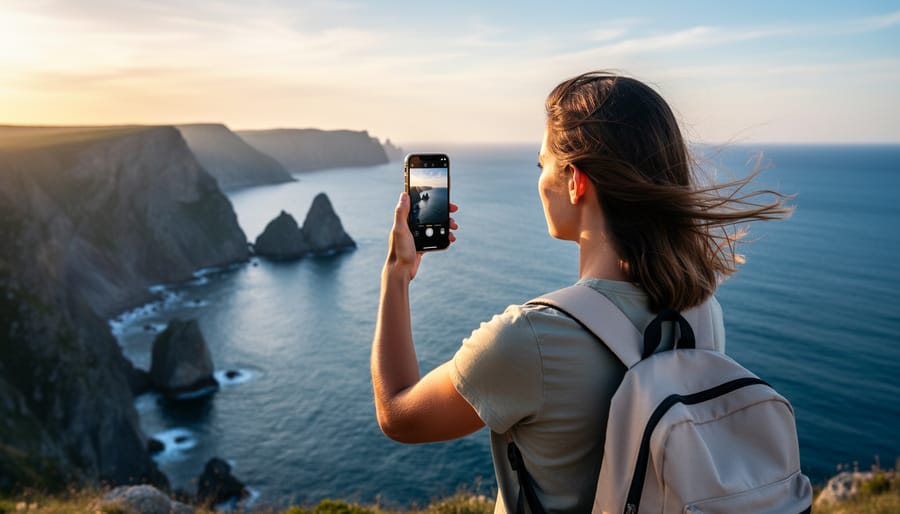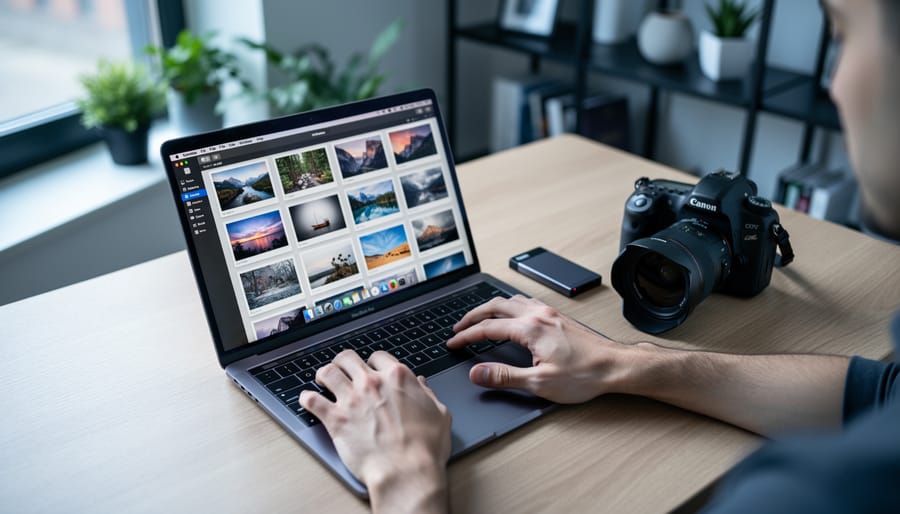
Organize your smartphone photos into dated folders using a YYYY-MM-DD format the moment you transfer them from your device. This simple structure prevents the overwhelming chaos that happens when thousands of images pile up in default camera rolls, and it works seamlessly whether you’re using cloud storage, external drives, or your computer’s native file system.
Delete obvious failures and duplicates immediately after each shoot, not weeks later when you’ve forgotten the context. Professional photographers routinely cull their collections right away, eliminating blurry shots, accidental pocket photos, and redundant…
Why Professional Photographers Are Switching to LTO Tape Drives for Their Archives
Your photography archive has likely outgrown your collection of external hard drives, and you’re watching those storage costs multiply while worrying about drive failures. LTO tape drives represent the same archival technology that Hollywood studios and major broadcasters use to preserve their valuable footage, and this enterprise-grade solution has become surprisingly accessible to serious photographers and videographers who need to protect years of irreplaceable work.
An LTO-9 tape cartridge holds 18TB of compressed data, costs around $150, and carries a manufacturer-rated lifespan of 30 years when stored properly. Compare …
Why 3D Sensing Cameras Are Reshaping Photography (And Your Next Phone)
3D sensing cameras have transformed photography from capturing flat images into creating dimensional maps of space, letting you refocus shots after taking them, blur backgrounds with precision that rivals professional lenses, and even measure real-world distances through your viewfinder. This technology isn’t just a fancy add-on anymore—it’s becoming standard in everything from flagship smartphones to mirrorless cameras, fundamentally changing how we approach composition, focus, and creative control.
At its core, a 3D sensing camera uses additional sensors or specialized pixels to measure depth information alongside …
Why Your Monitor Is Lying to You (And How Calibration Software Fixes It)
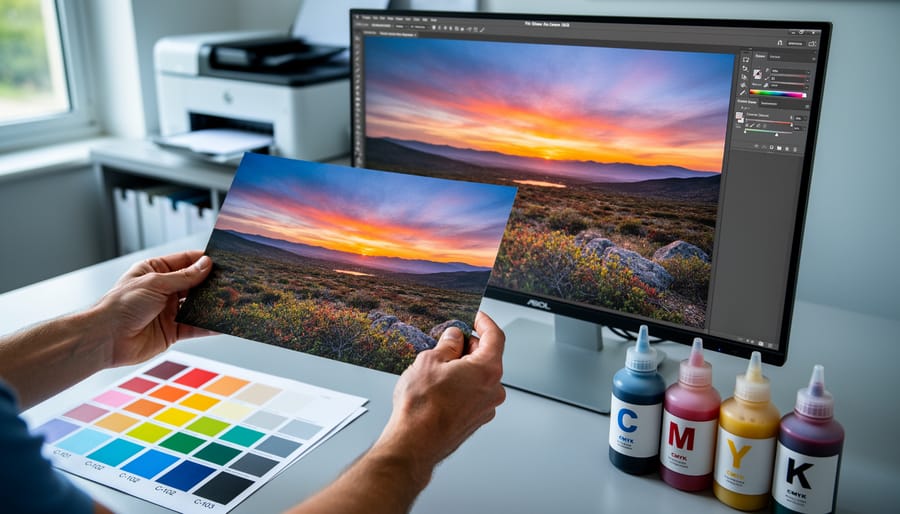
Understand that your monitor is lying to you right now. That vibrant sunset you captured and carefully edited on your screen? It might appear completely different when printed, shared online, or viewed on another display. This disconnect happens because every monitor interprets color data differently straight out of the box, and without calibration software working alongside a hardware colorimeter, you’re essentially editing blind.
Display calibration software serves as the translator between what your camera captures and what your screen displays. It works by measuring how your monitor currently reproduces colors, then …
Your iPhone Photos Are Encrypted—But That Doesn’t Mean They’re Safe
Your iPhone photos aren’t as private as you think. Those snapshots of family gatherings, client projects, and personal moments sit in a complex encryption ecosystem that changes dramatically depending on where they’re stored and which settings you’ve enabled.
Here’s what actually happens to your images: Photos stored locally on your iPhone receive hardware-level encryption through Apple’s Secure Enclave, meaning someone who steals your locked phone can’t access them without your passcode. The moment you enable iCloud Photos, however, the security equation shifts. Apple encrypts these images in …
Why 90s Film Cameras Are More Relevant Now Than Ever
The plastic fantastic cameras of the 1990s represent a curious paradox in photography history. These point-and-shoots, once dismissed as disposable consumer goods, now command serious attention from collectors and working photographers alike. A Yashica T4 that sold for $50 at a garage sale in 2005 might fetch $600 today, while the Canon Sure Shot Supreme remains a practical choice for street photographers who want film’s aesthetic without manual focus hassles.
What makes these cameras special isn’t nostalgia alone. The 1990s marked the peak of film camera engineering before digital technology took over. Manufacturers …
When Apple Sued a Photography App: What Trade Dress Protection Means for Your Camera Gear
Look at any photography store shelf and you’ll notice something remarkable: even without reading labels, you can instantly identify a Nikon lens by its distinctive gold ring, a Canon L-series by its red accent band, or a Fujifilm camera by its retro-inspired dials and silver-black body styling. These visual signatures aren’t accidents—they’re legally protected trade dress, a form of intellectual property that safeguards the overall look and feel of products from copycat competitors.
Trade dress protection extends beyond logos and brand names to encompass the complete visual impression a product creates. In the …
Why Your Model Photography Looks Stiff (And How to Fix It)
Establish genuine connection with your model before touching your camera—spend five minutes discussing their comfort level, the shoot’s vision, and any concerns they have. This builds trust that translates directly into relaxed, authentic expressions rather than stiff, self-conscious poses.
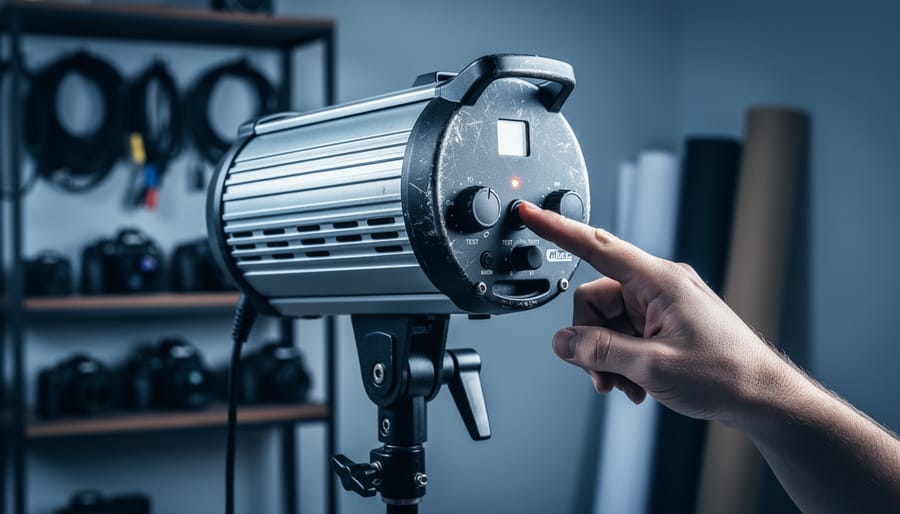
Position your primary light source at a 45-degree angle to your subject’s face, approximately six feet away, creating dimensional shadows that sculpt facial features naturally. Whether you’re using window light or studio strobes, this Rembrandt lighting setup flatters most face shapes while remaining simple to execute …
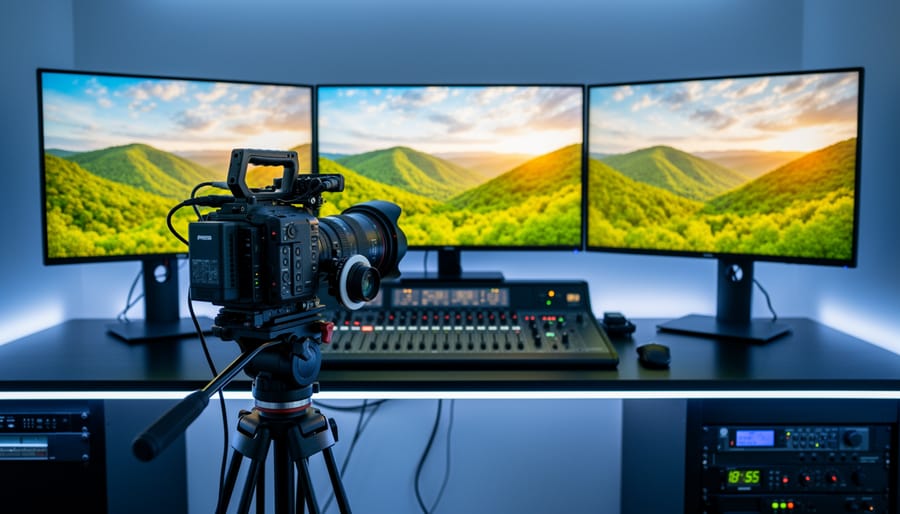
Why Your Video Editing Workflow Is Slower Than It Should Be (Network Storage Explained)
Your local hard drives are maxing out, project files take forever to transfer, and you can’t work on footage while your editor is accessing the same files. These frustrations signal you’ve reached a tipping point that thousands of video professionals face: it’s time for network storage.
Network storage transforms how creative teams work by putting all your video files on a centralized system that multiple users can access simultaneously over your local network. Instead of juggling external drives or waiting hours for file transfers, you’re working directly from a shared pool of storage that everyone on your …
Your Camera Battery Keeps Dying Because of These Hidden Power Drains
Your camera died halfway through the golden hour shoot. Again. You’re not alone—battery anxiety ranks among photographers’ top frustrations, whether you’re a weekend hobbyist or a professional on a multi-day assignment. The culprit? Modern cameras pack increasingly powerful processors, high-resolution sensors, and connectivity features that devour power at alarming rates.
Here’s the good news: camera manufacturers have finally recognized that megapixels and frame rates mean nothing if your gear can’t last through a session. Energy-efficient hardware has become the silent revolution in camera design, …