 By
By 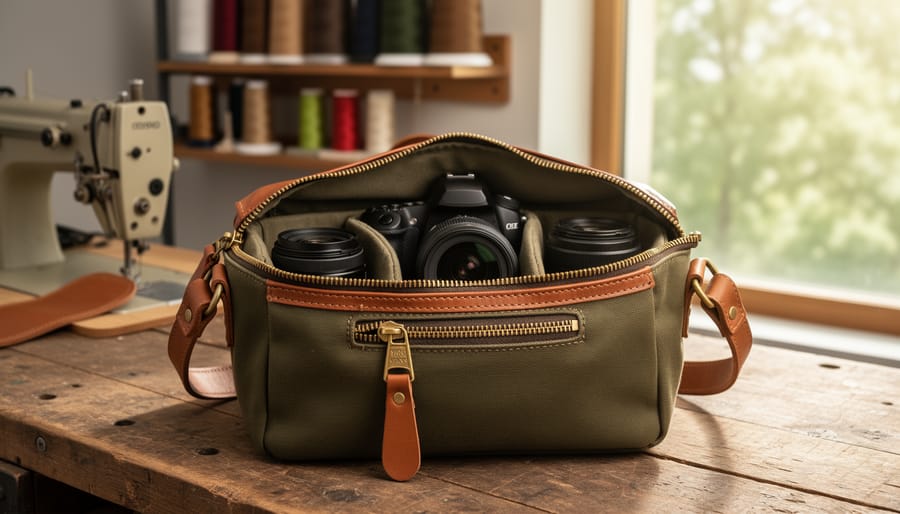
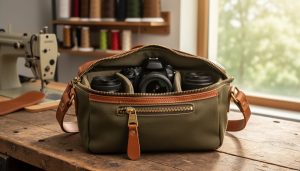
Examine the stitching on potential camera bags before purchasing—American-made bags typically feature reinforced bartack stitching at stress points, double or triple-stitched seams, and premium YKK zippers that outlast imported alternatives by years. Check manufacturer websites directly rather than relying solely on Amazon, as brands like Think Tank Photo, Filson, and Red Oxx produce their bags domestically but often get lost among overseas manufacturers in marketplace searches.
Calculate total cost of ownership instead of upfront price alone. A $300 American-made bag that lasts fifteen years costs $20 annually, while a $100 imported bag replaced every three years costs $33 annually—plus the environmental burden of manufacturing waste. This math becomes even more compelling when you factor in warranty coverage, with domestic manufacturers typically offering lifetime guarantees backed by accessible repair services.
Verify manufacturing claims by researching the actual production location. Some brands market themselves as American while only assembling foreign-made components domestically, or they produce one product line in the USA while manufacturing others overseas. Look for specific city or state mentions in product descriptions, and don’t hesitate to contact customer service for clarification.
Consider how choosing sustainable camera gear aligns with supporting domestic craftsmanship. American manufacturing standards generally enforce stricter environmental regulations, fair labor practices, and reduced shipping emissions compared to imported alternatives. You’re not just buying a bag—you’re investing in manufacturing jobs, supporting environmental responsibility, and acquiring equipment built to protect your gear for decades rather than years.
The Real Environmental Cost of Your Camera Bag
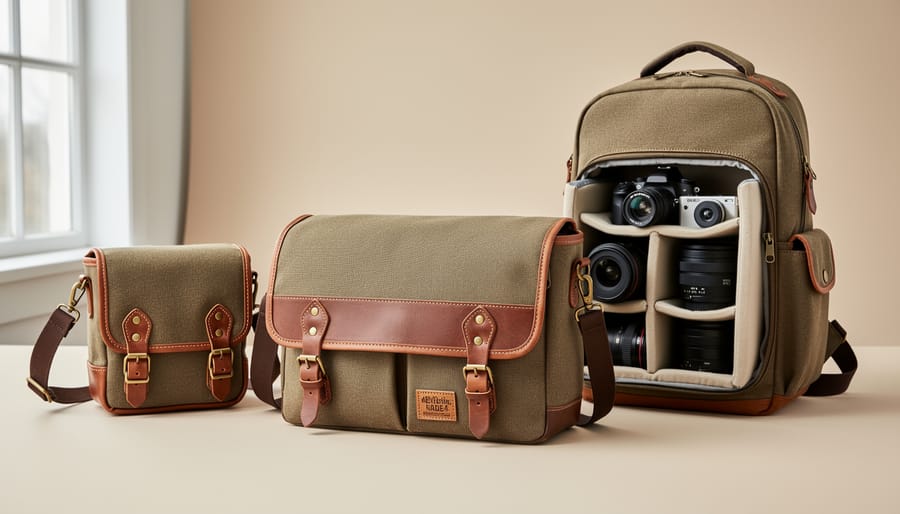
Supply Chain Transparency You Can Actually Trust
When you pick up a camera bag made overseas, it’s nearly impossible to know where the materials actually came from or who assembled it. Made in USA bags flip this script entirely. Domestic manufacturers maintain shorter, more transparent supply chains where you can often trace materials from raw fabric to finished product.
Take a company like Think Tank Photo, for example. They can tell you exactly which mills provide their fabrics and which facilities handle the construction. Many American makers proudly share this information on their websites or will answer questions directly. This level of openness simply doesn’t exist with mass-produced imports passing through multiple intermediaries.
For conscious consumers, this transparency matters beyond simple curiosity. You’re supporting fair labor practices with verifiable working conditions rather than hoping standards are met somewhere across the globe. It also means better accountability when materials sourcing involves environmental considerations, from water usage in fabric production to chemical treatments.
This visibility extends to quality control too. When problems arise, American manufacturers can quickly identify the source and make corrections. You’re not dealing with a faceless factory chain. Instead, you’re buying from companies with real accountability to their local communities and workers, which ultimately translates to a product made with genuine care and responsibility.
The Durability Factor Nobody Talks About
Here’s a conversation you don’t often hear in camera shops: how long will this bag actually last? Yet this might be the most important question for your wallet and the planet. American-made camera bags typically outlast their overseas counterparts by a significant margin, and the difference is striking.
Take the classic Domke F-2 bag, manufactured in Pennsylvania. Photographers regularly use these bags for 20 to 30 years—some inherited from mentors are still going strong after four decades. Compare that to mass-produced alternatives that often show wear within two to three years of regular use. The math tells a compelling story: one $300 American-made bag that lasts 25 years costs far less than replacing a $100 bag every three years.
This longevity isn’t accidental. American manufacturers use heavier-grade materials, reinforced stitching at stress points, and replaceable components. When a strap wears out on a Tenba Fulton bag, you can order a replacement. When hardware fails on imported bags, you typically replace the entire bag.
The environmental impact matters too. Making gear last longer directly reduces waste. Fewer bags in landfills means less synthetic material decomposing over centuries. This durability factor transforms what seems like a premium purchase into both an economic and environmental win.
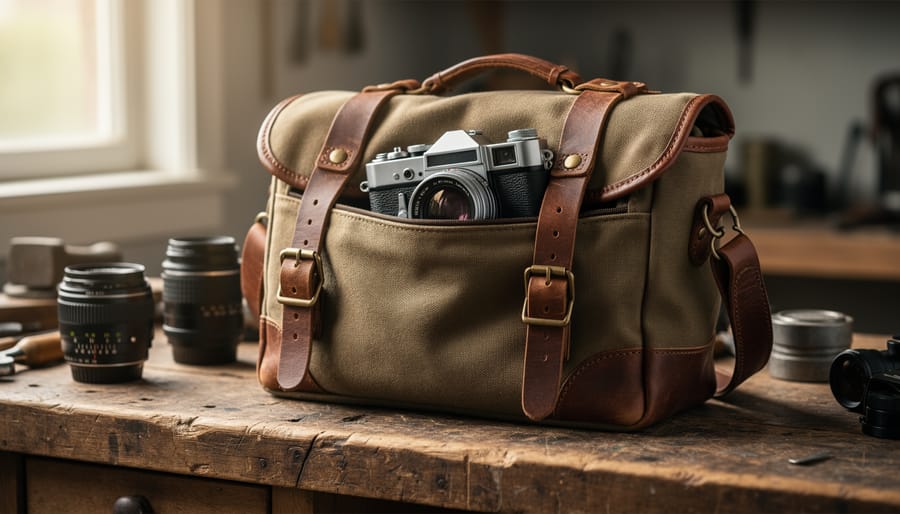
What Makes a Camera Bag ‘Made in USA’
Understanding what actually qualifies as “Made in USA” can be trickier than you might expect, especially when shopping for camera bags. The Federal Trade Commission sets the standards here, and they’re pretty specific about it.
For a camera bag to legitimately carry the “Made in USA” label, the FTC requires that all or virtually all of the product must be made in America. This means the final assembly happens domestically, and all significant parts and processing that go into the product are of U.S. origin. We’re talking about the fabric, zippers, buckles, foam padding, and stitching—essentially every component that makes your bag functional.
Here’s where it gets interesting: you’ll sometimes see bags labeled “Assembled in USA.” This is a different animal entirely. A manufacturer can source materials and components from overseas, import them, and put everything together stateside while using this phrase. While assembly still provides American jobs, it’s not the same commitment to domestic manufacturing as a fully Made in USA product.
So how do you identify authentic American-made camera bags? Start by looking for clear, unqualified “Made in USA” statements on the manufacturer’s website or product tags. Reputable companies are proud of their domestic production and will explain their manufacturing process in detail. For instance, some brands will openly share where they source their materials and show their factory locations.
Watch out for vague language like “Designed in USA” or “American Company”—these phrases don’t guarantee domestic manufacturing. If you’re uncertain, reach out directly to the company. Legitimate American manufacturers are typically transparent and happy to discuss their production process, often providing details about their specific facilities and even the people who craft their bags. This transparency isn’t just good business practice; it’s a sign of pride in their American-made commitment.
Top American Camera Bag Manufacturers Worth Your Investment
Domke: The Photojournalist’s Workhorse
For over five decades, Domke has been the trusted companion of photojournalists worldwide, and their commitment to American manufacturing remains unwavering. Founded by Jim Domke in 1976, these bags emerged from real-world newsroom needs—specifically, the requirement for quick access to gear while covering fast-breaking stories. Today, Domke bags are still manufactured in the United States, primarily using heavyweight cotton canvas that’s been treated with water-repellent coatings and durable nylon options for their more weather-resistant lines.
The signature Domke F-2 bag exemplifies their philosophy: simple, functional, and built to last. The materials may seem modest compared to modern high-tech fabrics, but this canvas construction offers surprising longevity. While Domke doesn’t heavily market sustainability initiatives, their bags’ durability inherently supports sustainable consumption—many photographers report using the same Domke for 15 to 20 years. The cotton canvas is also more environmentally friendly than synthetic alternatives, being biodegradable and requiring less energy-intensive production processes.
Price-wise, Domke bags range from $150 to $350, positioning them as mid-range investments that punch above their weight class in terms of value. They’re particularly well-suited for documentary photographers, street photographers, and photojournalists who need inconspicuous gear that won’t slow them down.
Veteran photojournalist Maria Chen, who’s covered conflicts across three continents, shared her perspective: “My Domke F-803 has been through monsoons in Southeast Asia and dust storms in the Middle East. It’s not pretty anymore, but everything inside stays protected. When you’re running toward a story, not away from it, you need gear that’s instinctive to use.”
WANDRD: Innovation Meets Domestic Production
WANDRD has carved out a unique position in the camera bag market by combining cutting-edge design with American manufacturing. While they’re best known for their travel-focused photography gear, their commitment to domestic production deserves attention from photographers who value both innovation and local craftsmanship.
The company manufactures select products at their facility in California, where they maintain tight control over quality and can rapidly prototype new designs. This proximity to their design team means they can iterate quickly based on photographer feedback—a real advantage when creating bags that need to balance protection, accessibility, and comfort during long shooting days.
WANDRD’s design philosophy centers on modularity and adaptability. Their bags feature customizable internal compartments that reorganize quickly whether you’re shooting a wedding, hiking to a landscape location, or traveling internationally. This versatility means you’re not stuck with a single-purpose bag that sits unused between specific types of shoots.
Sustainability plays a significant role in their material selection. They’ve incorporated recycled fabrics and water-resistant coatings that minimize environmental impact without sacrificing durability. The bags are built to last years of professional use, which aligns with sustainable consumption principles—buy once, use forever.
Price points typically range from $200 to $400 depending on size and features, positioning them in the premium category. These bags suit photographers who want innovative organization systems, frequent travelers who need versatile carrying solutions, and those willing to invest more upfront for exceptional build quality and domestic manufacturing. If you regularly switch between different shooting scenarios, WANDRD’s adaptable approach makes practical sense.
Tom Bihn: Precision Craftsmanship in Seattle
Based in Seattle since 1972, Tom Binh represents a masterclass in precision manufacturing. Their camera bags and inserts are cut and sewn in their Washington facility by experienced craftspeople who earn living wages and benefits—a refreshing contrast to typical industry practices.
What sets Tom Bihn apart is their obsessive attention to detail. Every bag features bartacked stress points, triple-stitched seams, and reinforced corners designed to outlast equipment you’ll carry inside. They use proprietary fabrics like 1050-denier ballistic nylon and Dyneema composite fabrics that balance durability with surprisingly light weight. For photographers hauling gear through airports or hiking trails, this engineering makes a tangible difference.
The practical application for photographers centers on their modular Camera Cube inserts. You can drop these padded organizers into any Tom Bihn bag, transforming everyday backpacks like the Synik 30 into functional camera carriers. This versatility means one bag serves multiple purposes—camera work today, laptop commute tomorrow.
Their sustainability commitment goes beyond quality construction. Tom Bihn offers a lifetime warranty covering manufacturing defects, and their repair program will fix any bag regardless of age or cause of damage for reasonable fees. I’ve spoken with photographers using 15-year-old Tom Bihn bags that look nearly new after professional repairs.
This repair-rather-than-replace philosophy directly counters disposable consumer culture. When your camera bag can be professionally restored instead of landfilled, you’re making an environmental choice that compounds over decades. The initial investment might exceed budget options, but the cost-per-year calculation becomes remarkably favorable when your bag outlasts your camera bodies.
Smaller Makers and Custom Options
Beyond the mainstream manufacturers, America has a thriving community of smaller makers crafting exceptional camera bags with personal touches you won’t find in mass production. These boutique creators often work directly with customers to design bags tailored to specific gear setups and shooting styles.
Platforms like Etsy host numerous American artisans specializing in handmade canvas and leather camera bags. These craftspeople typically use sustainable materials, including upcycled fabrics and vegetable-tanned leather, creating bags with genuine character and minimal environmental footprint. Many offer customization options like monogramming, specific pocket configurations, or color choices that match your aesthetic preferences.
Smaller makers like Slumberjack and niche producers in regions with strong textile traditions frequently accept custom orders. While prices generally run higher than factory-produced alternatives, you’re paying for one-on-one consultation, superior craftsmanship, and supporting individual artisans rather than corporations.
These custom options shine when you have unusual gear combinations or specific accessibility needs that standard bags don’t address. Real-world example: a photographer switching from traditional DSLR to mirrorless might need precisely-sized compartments that off-the-shelf dividers can’t accommodate. Working with a custom maker ensures every inch serves a purpose, potentially extending the bag’s useful life well beyond mass-market options.
The True Cost Analysis: Investment vs. Expense
Let’s talk about the elephant in the room: yes, American-made camera bags typically cost more upfront. But here’s where the conversation gets interesting, and where simple price comparisons fall apart.
A quality USA-made camera bag might run you $200-400, while imported alternatives often sit in the $50-150 range. That initial sticker shock is real. However, when you calculate cost-per-year with durability factored in, the numbers tell a different story. I’ve seen photographers use the same American-made bag for 10-15 years, while budget imports often need replacement every 2-3 years. Do the math: a $300 bag lasting 12 years costs $25 annually, while a $75 bag replaced four times over that period costs $300 total, or $25 annually. Except you’ve dealt with the hassle of shopping for replacements multiple times and likely compromised your gear protection during that bag’s declining months.
The warranty consideration shifts the equation further. Many USA manufacturers offer lifetime warranties or comprehensive repair programs. I know a wedding photographer who sent her 8-year-old bag back for a broken zipper and received it repaired, free of charge, within two weeks. Try getting that service from an overseas manufacturer. These repair options extend your bag’s functional life significantly and should factor into your true cost analysis.
Here’s something many photographers overlook: resale value. American-made bags from respected manufacturers hold their value remarkably well. Check secondary markets and you’ll find 5-year-old USA-made bags selling for 50-60 percent of retail price, while imported bags often fetch less than 20 percent. If you upgrade or switch systems, that matters.
For practical budgeting, consider this approach: if a quality bag costs $100 more but lasts three times longer, you’re actually saving money while getting better protection for thousands of dollars in camera gear. Start with one excellent bag rather than collecting mediocre ones. Your shoulders, your equipment, and eventually your wallet will thank you.
Materials That Matter: Sustainable Fabrics in American Bags
American camera bag manufacturers are increasingly turning to sustainable materials that balance environmental responsibility with the durability your gear demands. Understanding these fabric choices helps you make informed decisions that align with both your values and practical needs.
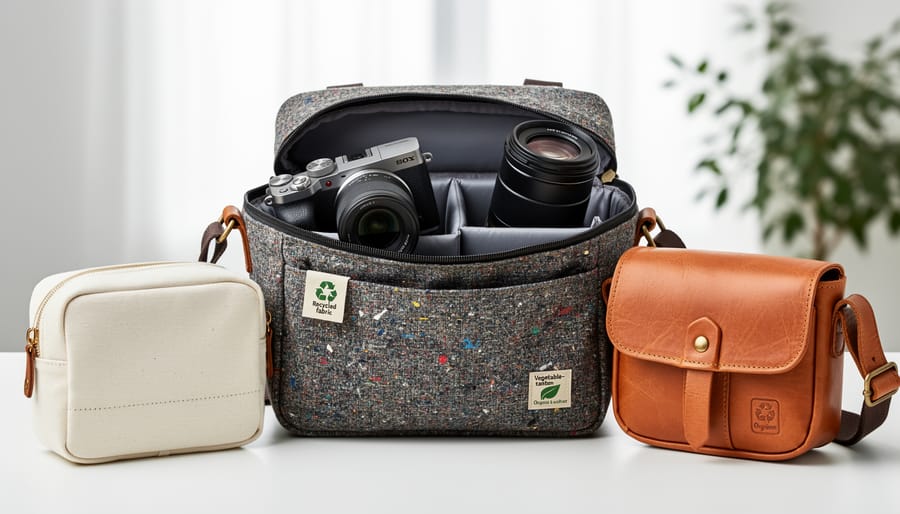
Recycled materials have become a cornerstone of sustainable bag design. Many USA-made brands incorporate recycled nylon or polyester derived from post-consumer plastic bottles or reclaimed fishing nets. These fabrics offer excellent water resistance and abrasion resistance while diverting waste from landfills. For example, recycled nylon performs nearly identically to virgin material but requires significantly less energy to produce. The trade-off? Slightly higher costs and occasionally limited color options compared to conventional synthetics.
Waxed canvas represents a time-tested choice that combines heritage craftsmanship with natural durability. This cotton-based fabric treated with paraffin wax develops a beautiful patina over time while providing weather protection. It’s biodegradable, repairable, and incredibly long-lasting when properly maintained. The environmental benefit comes from its longevity and natural composition, though the initial production does require pesticide-heavy conventional cotton unless organic versions are used.
Organic cotton eliminates synthetic pesticides and fertilizers from the equation, reducing soil and water contamination. While lighter-weight organic cotton works well for bag liners and interior pockets, it typically needs blending with more robust materials for exterior durability.
Vegetable-tanned leather offers an alternative to chrome-tanned leather, using natural tannins from tree bark instead of heavy metals. This centuries-old process produces biodegradable leather with rich character, though it requires longer production times and regular conditioning. The leather ages beautifully and can last decades, making it a genuinely sustainable choice despite coming from animal hides.
Each material brings distinct environmental advantages, so consider which priorities matter most for your photography journey.
How to Choose the Right Made-in-USA Bag for Your Photography Style
Choosing the right camera bag isn’t a one-size-fits-all decision. Your photography style directly influences which features matter most, so let’s break down what works best for different shooting scenarios.
If you’re a street photographer, mobility is everything. Look for compact shoulder bags or slings that keep your camera accessible without screaming “expensive equipment here.” A bag sized for one body and two lenses typically suffices. Weather resistance becomes crucial when you’re caught in unexpected rain, and quick-access pockets help you grab memory cards or batteries without missing decisive moments. Many street photographers appreciate bags with subtle designs that blend into urban environments rather than tactical-looking gear haulers.
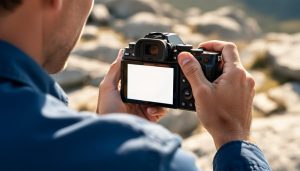
Landscape photographers face different challenges entirely. You’ll need space for multiple lenses, filters, and a tripod attachment system. Since you’re often hiking to remote locations, comfortable shoulder straps and back padding aren’t optional luxuries. Weather resistance moves from helpful to essential when you’re miles from shelter. Consider bags with customizable dividers that protect heavy telephoto lenses during rough terrain, and look for external attachment points for your tripod or hiking poles.
Studio photographers can prioritize organization over portability. Roller bags or larger backpacks work well since you’re moving between controlled environments rather than scrambling through wilderness. Focus on bags with plenty of compartments for lighting accessories, cables, and tethering equipment.
Travel photographers need versatile bags that meet airline carry-on requirements while protecting gear through various conditions. Look for bags around 40-45 liters with lockable zippers, checkpoint-friendly laptop compartments, and enough organization to keep international adapters, chargers, and documentation accessible. Weather resistance protects your investment across diverse climates, from humid rainforests to dusty deserts.
Choosing an American-made camera bag represents more than just protecting your equipment—it’s a commitment to quality craftsmanship and environmental stewardship. When you invest in a domestically produced bag, you’re supporting manufacturers who adhere to stricter environmental regulations and labor standards while reducing the carbon footprint associated with overseas shipping. These bags are built to last decades rather than years, which means fewer replacements and less waste ending up in landfills.
The connection between gear choices and sustainable photography practices becomes clear when you consider the full lifecycle of your equipment. A well-crafted American-made bag protects your investment in cameras and lenses while embodying values of durability and responsible production.
Ready to make the switch? Start by assessing your specific needs—shoulder bag versus backpack, minimal versus extensive gear. Research the manufacturers we’ve discussed, read customer reviews, and don’t hesitate to reach out to companies directly with questions. Many offer customization options that ensure your bag perfectly fits your workflow. Remember, this purchase isn’t an expense—it’s an investment in gear that will serve you reliably for years while supporting both American workers and environmental responsibility.

 By
By