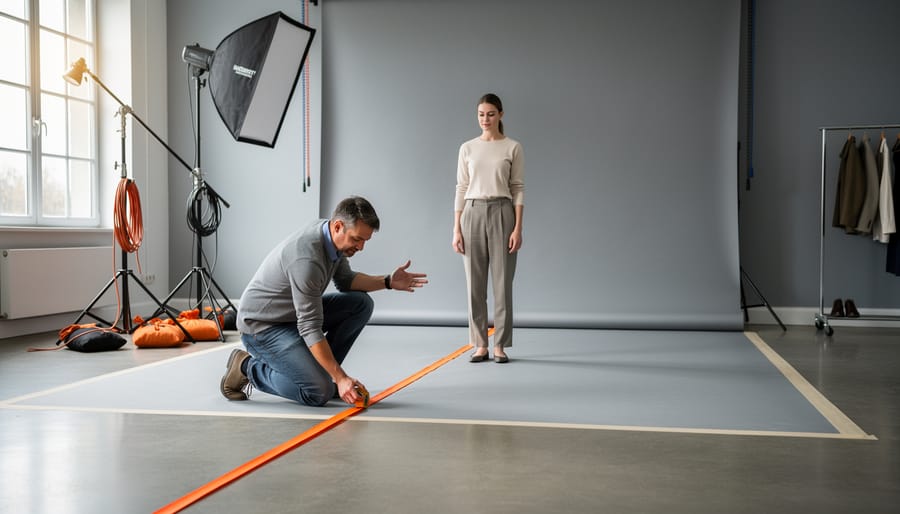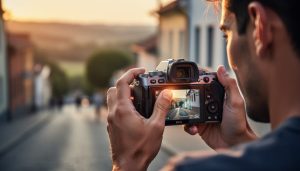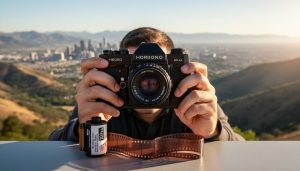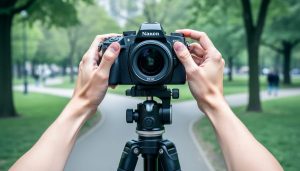
Document every transfer of your digital files from camera to final storage, recording the date, time, person handling the file, and reason for transfer. This paper trail becomes your legal armor when a photograph’s authenticity is questioned in court or during an insurance claim. For example, when photojournalist Marcus Chen captured images of a traffic accident in 2022, his meticulous documentation—from camera card to encrypted backup—helped prosecutors authenticate his photos against claims they’d been manipulated.
Preserve original RAW files untouched in write-protected storage immediately after capture. Think of …
Why American-Made Camera Bags Actually Matter for Your Gear and the Planet
Examine the stitching on potential camera bags before purchasing—American-made bags typically feature reinforced bartack stitching at stress points, double or triple-stitched seams, and premium YKK zippers that outlast imported alternatives by years. Check manufacturer websites directly rather than relying solely on Amazon, as brands like Think Tank Photo, Filson, and Red Oxx produce their bags domestically but often get lost among overseas manufacturers in marketplace searches.
Calculate total cost of ownership instead of upfront price alone. A $300 American-made bag that lasts fifteen years costs $20 annually, while a $100 …
Your Camera Might Be Watching You: What Photographers Need to Know About Diagnostic Imaging Devices
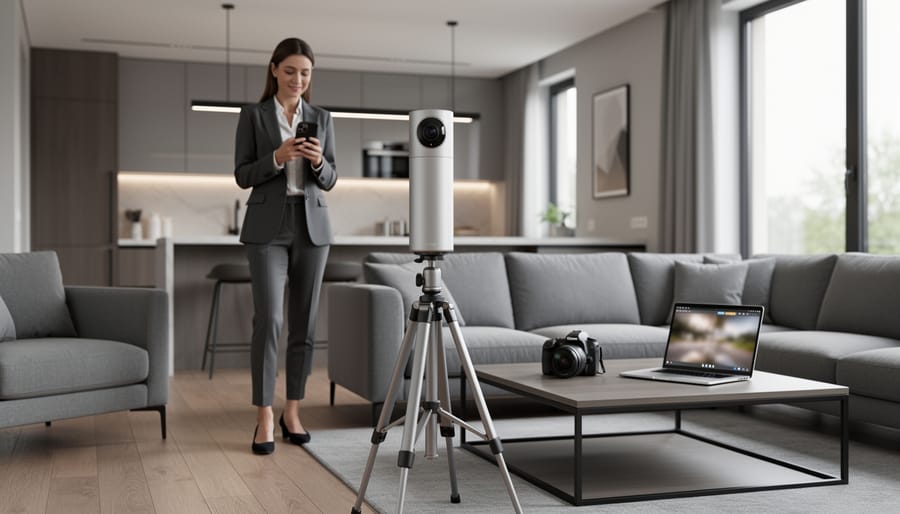
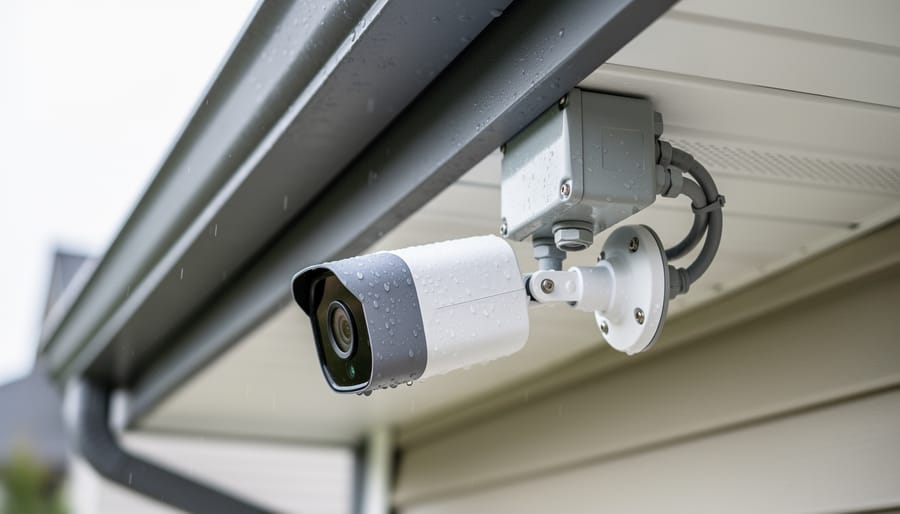
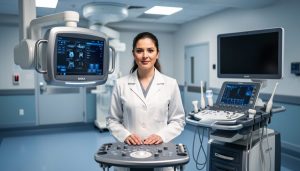
Your camera’s WiFi connection, that convenient cloud backup feature, and even the firmware running your DSLR could be exposing your work to unauthorized access right now. Diagnostic imaging devices—a term that encompasses everything from medical scanners to the sophisticated sensors in your professional camera equipment—face mounting security vulnerabilities that most photographers never consider until it’s too late.
When a ransomware attack shut down a major photography studio’s entire digital workflow in 2022, investigators traced the breach to an unsecured diagnostic port on a high-end medium format camera …
Why Your Histogram Matters More Than What You See on Your Camera Screen
Look at your camera’s LCD screen after a shot in bright sunlight, and that image might appear perfectly exposed—until you open it on your computer and discover blown highlights or crushed shadows. This common frustration reveals exactly why understanding histograms transforms your photography from guessing to knowing.
A histogram is a graph displaying the tonal distribution of your image, showing how many pixels exist at each brightness level from pure black (left) to pure white (right). Unlike your camera’s screen, which changes appearance based on ambient light and brightness settings, the histogram provides …
The P Camera Setting That Most Photographers Completely Misunderstand
That P on your camera’s mode dial isn’t a cop-out for photographers who can’t handle manual mode—it’s Program mode, an intelligent semi-automatic setting that deserves a place in every photographer’s toolkit. While Auto mode makes all exposure decisions for you and locks you out of creative control, P mode calculates the aperture and shutter speed pairing but leaves you free to override the camera’s choice, adjust ISO, modify exposure compensation, and control every other camera settings …
Why Arctic Photography Breaks Your Gear (And How to Protect It)
Seal your camera in a waterproof housing before stepping onto the ice—moisture from your breath alone can freeze internal components within minutes at -30°C. Arctic environments demand this level of protection because standard gear warranties don’t cover cold-weather failures, and a single condensation incident can destroy thousands of dollars in equipment. Keep spare batteries inside your jacket against your body heat, as lithium-ion cells lose up to 40% of their capacity in sub-zero temperatures, often dying completely before you capture your first shot.
Master …
Why Fashion Photography’s Ethics Problem Puts Everyone at Risk (And How to Fix It)
Examine your power dynamics before every photoshoot by asking who controls the creative direction, who benefits financially, and whose comfort might be compromised. This fundamental shift—recognizing that traditional ethics often ignore gender-based power imbalances—defines the feminist model of ethical decision making in photography. Unlike conventional approaches that treat all participants as equals, feminist ethics acknowledges that photographers typically hold more authority than models, especially in commercial contexts where payment, portfolio building, and professional reputations create unequal stakes.
Integrate …
Why Your Land Camera Won’t Survive Underwater (And What Will)
The moment you descend below the surface with your camera, everything changes. Light bends differently, colors disappear at specific depths, and your standard photography gear becomes completely useless without proper protection. That first leak into an inadequate housing, that disappointing blue-washed image from shooting without strobes, or that frustratingly blurry shot because you chose the wrong port—these are expensive lessons that most underwater photographers learn the hard way.
Understanding underwater photography gear isn’t just about protecting your equipment from water damage. It’s about compensating for an…
The Hidden Workers Behind Every Photo You Take
Examine the label on your camera body right now. Chances are, you’ll find “Made in Japan,” “Made in Thailand,” or “Made in China” stamped into the metal. That simple inscription represents a vast, interconnected network of labor, economics, and ethics that most photographers never consider when they press the shutter button.
Image globalization refers to the worldwide distribution of photographic manufacturing, from the mining of rare earth elements in Africa to lens assembly in Southeast Asian factories, sensor production in Japanese cleanrooms, and final distribution through retailers …
Why Your Video Edits Crawl (And How Hardware Acceleration Fixes It)
Enable hardware acceleration in your NLE’s preferences before importing footage—this single toggle can slash render times by 50-80% when working with 4K clips from modern mirrorless cameras. Your computer’s GPU sits largely idle during video editing unless you specifically activate this feature, leaving your CPU to struggle alone with demanding codecs like H.264 and H.265.
Check your graphics card compatibility first. NVIDIA and AMD GPUs from the last five years generally support acceleration in Premiere Pro, DaVinci Resolve, and Final Cut Pro, but older cards may cause crashes or produce artifacts in your exported …