 By
By 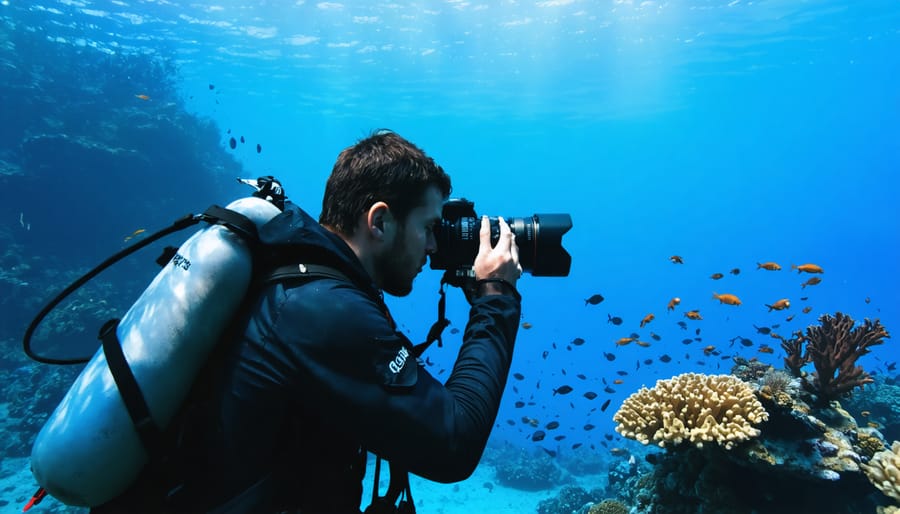
Photography’s power to capture truth comes with profound responsibility. In an age where images shape perceptions and influence behavior, wildlife photography ethics and broader photographic principles demand our careful consideration. Every click of the shutter represents a choice – not just about composition and exposure, but about respect, dignity, and environmental impact.
The ethical photographer navigates complex terrain: documenting reality without exploiting subjects, preserving authentic moments without manufacturing false narratives, and sharing powerful stories while protecting vulnerable subjects and spaces. This balance becomes increasingly crucial as social media amplifies our images’ reach and influence, potentially affecting everything from individual privacy to ecosystem conservation.
The decisions we make behind the lens ripple far beyond the frame, shaping not only how others see the world but how they interact with it. Whether photographing wildlife, covering social issues, or capturing everyday moments, our choices as image-makers carry weight. Understanding and implementing ethical photography practices isn’t just about following rules – it’s about fostering a sustainable relationship between photographers, subjects, and viewers that honors truth while protecting dignity.
The Delicate Balance: Marine Life and Photography
Direct Impact on Marine Life
While capturing stunning underwater images is our goal, it’s crucial to understand how photography can physically impact marine environments. Direct contact with coral reefs, even seemingly gentle touches, can damage decades of growth in seconds. When photographers position themselves for the perfect shot, fin kicks can break fragile coral structures or disturb sediment that suffocates marine life.
Camera equipment, especially with strobes and arms, can accidentally scrape or bump into reef structures. Even the smallest contact can strip coral of its protective mucus layer, making it vulnerable to disease and bleaching. Marine creatures may also experience stress from repeated flash photography or persistent pursuit for that perfect shot.
Inexperienced photographers often unknowingly harm marine life by chasing, touching, or feeding creatures to get better photos. This can disrupt natural behaviors, damage delicate ecosystems, and even cause creatures to abandon their typical habitats. Professional underwater photographers should set an example by maintaining proper buoyancy control and keeping a respectful distance from marine life, ensuring their pursuit of images doesn’t come at the cost of ocean health.
Remember, no photograph is worth compromising the well-being of marine ecosystems or their inhabitants.
Behavioral Disruption
The presence of photographers in marine environments can significantly alter natural animal behaviors and disrupt essential activities like feeding, mating, and resting. Even well-intentioned photographers can cause stress to marine life, leading to changes in their natural patterns. When animals alter their behavior to avoid photographers or become too accustomed to human presence, it can have lasting negative impacts on their survival and well-being.
For instance, repeated flash photography can disorient nocturnal species, while aggressive pursuit of subjects may cause animals to abandon their territories or interrupt crucial feeding sessions. Photographers chasing after marine life for the “perfect shot” might inadvertently separate mothers from their young or disturb resting areas that animals depend on for recovery.
To minimize behavioral disruption, maintain a respectful distance and observe animals without interference. Practice patience and let subjects approach you naturally rather than pursuing them. If you notice signs of distress, such as erratic swimming patterns or defensive posturing, slowly back away. Remember, a truly ethical photographer prioritizes the well-being of their subjects over capturing an image, ensuring that marine ecosystems remain undisturbed for future generations to observe and document.
Essential Ethical Guidelines
Maintaining Safe Distances
Maintaining appropriate distances from marine life isn’t just about getting the perfect shot – it’s crucial for the safety and well-being of both photographer and subject. Different marine species require different approach distances, and it’s essential to know these boundaries before entering their environment.
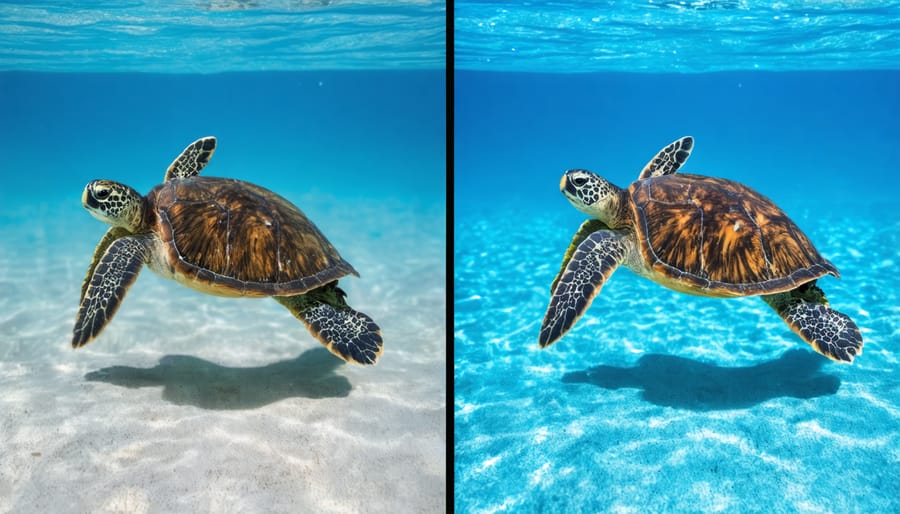
For large marine mammals like whales and dolphins, maintain at least 100 meters (330 feet) distance unless local regulations specify otherwise. With sea turtles, stay at least 3-5 meters (10-16 feet) away to avoid disturbing their natural behavior. For reef fish and smaller creatures, keep a minimum distance of 2-3 meters (6-10 feet).
Never chase, corner, or pursue marine life for a photo. If an animal shows signs of stress – such as changing direction, increasing speed, or displaying defensive behavior – back away slowly. Remember that zoom lenses and crop sensors are valuable tools that allow you to capture detailed shots while maintaining safe distances.
Some creatures, like cleaning stations or nesting areas, require even greater distances. Always research local guidelines and species-specific recommendations before your dive. When in doubt, follow the golden rule: if your presence is altering the animal’s behavior, you’re too close.
Lighting and Flash Photography
Artificial lighting is essential for underwater photography, but it must be used responsibly to protect marine life. Many sea creatures are sensitive to bright lights, particularly sudden flashes, which can disorient or stress them. When using strobes or continuous lighting, always start with lower power settings and gradually increase as needed. Position your lights at approximately 45-degree angles to minimize backscatter while reducing direct light impact on marine life.
Never use lights to deliberately alter animal behavior or attract creatures for photos. If you notice signs of distress, such as rapid movement away from the light or defensive posturing, immediately reduce light intensity or switch off your strobes. For sensitive species or night diving, consider using red lights, which are less disruptive to marine life while still allowing you to compose your shots.
Keep your lighting equipment at least 18 inches away from coral and other sessile organisms. When photographing smaller creatures, use focusing lights sparingly and only when ready to take the shot. Remember that multiple photographers using strobes in the same area can compound stress on marine life, so coordinate with other divers to minimize collective impact.
Buoyancy Control
Maintaining proper buoyancy is crucial for ethical underwater photography. The key is to achieve neutral buoyancy, allowing you to hover effortlessly without the need to touch or grab onto anything. Practice your buoyancy control in open water before attempting photography near delicate ecosystems.
Always keep a safe distance from coral reefs and marine life by staying at least 3-4 feet away. Use your breathing to make minor adjustments to your position – inhale to rise slightly, exhale to sink. Perfect this technique to avoid sudden movements that could disturb marine life or kick up sediment.
Consider using a small pointer stick (within local regulations) to stabilize yourself if necessary, but never use it to touch marine life or coral. Position yourself horizontally rather than vertically to reduce your impact on the environment and maintain better control. Keep your fins up and away from the bottom, and be aware of your equipment’s position to prevent accidental contact with coral or other marine organisms.
When photographing in strong currents, work with the water movement rather than fighting against it. This conserves energy and minimizes environmental impact while allowing for more stable shots.

Marine Life Interaction Rules
When photographing marine life, maintain a respectful distance and never chase, touch, or harass underwater creatures. Stay at least 3-4 meters away from most marine species, and increase this distance for larger animals like whales and sharks. Avoid using flash photography around sensitive creatures, particularly at night when it can disorient them.
Never manipulate the natural environment or move marine life for a better shot. This includes avoiding the temptation to feed wildlife to attract them for photos, as this can disrupt their natural behaviors and create dangerous dependencies. Be especially mindful of coral reefs – even slight contact can damage these delicate ecosystems that take years to recover.
Master neutral buoyancy control before attempting underwater photography. Poor buoyancy not only results in subpar images but can also lead to accidental damage to marine habitats. When diving, keep your equipment streamlined and secured to prevent it from dragging across the seafloor or getting tangled in coral.
Remember that getting “the shot” should never come at the expense of an animal’s wellbeing. If a creature shows signs of distress, such as changing direction or displaying defensive behavior, back away immediately and give it space to move freely.
Equipment Considerations
Eco-friendly Gear Selection
Making environmentally conscious choices in photography equipment not only helps protect our planet but often leads to more mindful and deliberate image-making. Start by considering the longevity of your gear – investing in high-quality, durable equipment that won’t need frequent replacement reduces waste and your carbon footprint.
Choose cameras and accessories with rechargeable batteries instead of disposable ones. When possible, opt for equipment that uses universal charging standards, reducing the need for multiple chargers and adapters. Consider purchasing refurbished gear, which gives perfectly functional equipment a second life while saving you money.
Storage solutions matter too. Select camera bags and cases made from sustainable materials like recycled fabrics or responsibly sourced leather. Many manufacturers now offer eco-friendly alternatives that don’t compromise on protection.
For filters and accessories, look for products made from recycled materials or those that use minimal packaging. Some companies now produce filters from recycled glass and cases from biodegradable materials.
When upgrading equipment, responsibly dispose of old gear through recycling programs or consider donating to photography education programs. Many camera manufacturers now offer take-back programs for proper disposal of electronic waste.
Remember that the most eco-friendly gear is often the equipment you already own. Regular maintenance and careful handling can significantly extend the life of your photography equipment, reducing the need for replacements and minimizing environmental impact.
Proper Equipment Handling
Proper equipment handling is crucial for protecting marine environments while capturing stunning underwater photographs. Start by ensuring all your gear is properly secured – loose straps or dangling accessories can accidentally brush against coral or disturb marine life. Use clips and lanyards to keep your equipment close to your body, reducing the risk of accidental contact with the surroundings.
When positioning yourself for a shot, maintain neutral buoyancy and keep a safe distance from the subject. Avoid resting your camera or housing on coral reefs or the seafloor, as this can cause damage to delicate ecosystems. If you need to stabilize your shot, consider using a neutrally buoyant photography stick designed for underwater use.
Your dive skills are just as important as your photography technique. Practice managing your equipment while maintaining proper buoyancy control in a controlled environment before attempting complex shots in the open water. Remember that even the smallest contact with marine life can cause lasting damage.
Keep your camera housing well-maintained to prevent leaks that could release harmful chemicals into the water. Before each dive, double-check all O-rings and seals. When changing lenses or batteries on a boat, position yourself away from the water’s edge to prevent accidental drops that could impact marine life below.
By treating your equipment with care and awareness, you protect both your gear and the underwater environment you’re photographing.
Post-Processing Ethics
Truth in Photography
In today’s digital age, maintaining authenticity in photography has become increasingly challenging yet crucial. As photographers, we have a responsibility to preserve the integrity of our images while balancing artistic expression with honest representation. When it comes to environmental photojournalism, this balance becomes even more critical.
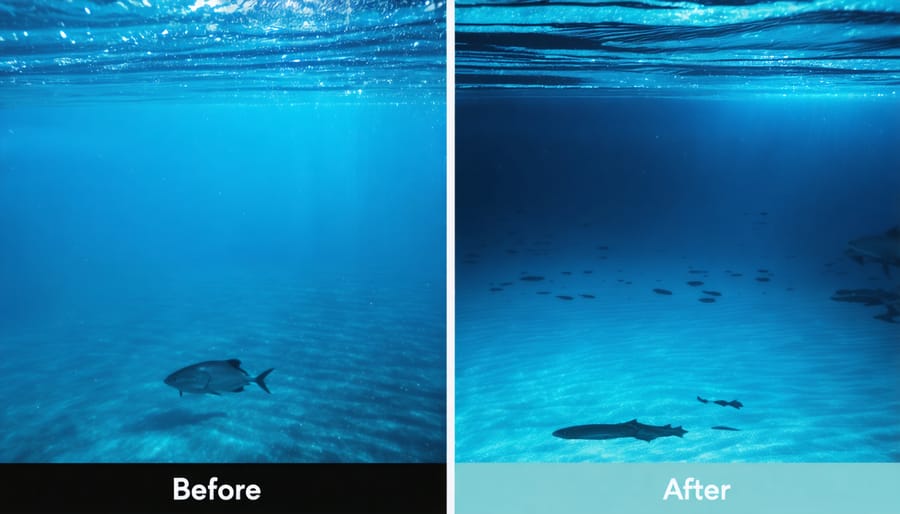
Basic adjustments like exposure correction, contrast enhancement, and color balance are generally accepted practices. However, significant alterations that change the fundamental nature of the scene—such as removing or adding elements, dramatically altering colors, or excessive manipulation—can cross ethical boundaries. Understanding truth in photo editing means being transparent about your post-processing choices.
Consider implementing a personal editing framework: document your changes, maintain original files, and be upfront about significant alterations when sharing your work. For documentary or journalistic photography, stick to minimal adjustments that maintain the image’s authenticity while enhancing its visual impact. Remember, your reputation as a photographer often depends on the trust you build with your audience through honest representation.
Responsible Image Sharing
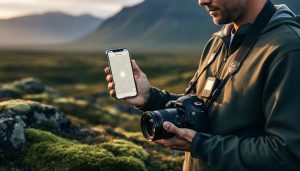
When sharing your photographs online or in print, consider the broader impact they might have on wildlife and sensitive locations. Always remove metadata containing exact GPS coordinates of endangered species or fragile habitats. Instead, use general location descriptions like “Pacific Northwest Coast” rather than specific diving spots that could attract overwhelming crowds.
Be mindful of the story your captions tell. While it’s tempting to share exciting details about rare encounters, avoid revealing specific timing patterns or behaviors that could enable wildlife harassment. Focus instead on educating viewers about species conservation and responsible photography practices.
Consider watermarking your images to prevent unauthorized use, especially if they feature sensitive subjects. When posting on social media, use your platform to promote conservation messages and responsible wildlife viewing guidelines. Avoid sharing images that show photographers touching marine life or getting too close to animals, as this can normalize harmful behaviors.
Partner with conservation organizations and use your images to support legitimate environmental causes. This helps ensure your work contributes positively to wildlife protection while inspiring others to practice ethical photography.
Photography is a powerful medium that comes with significant responsibilities. As we’ve explored throughout this article, ethical photography encompasses more than just technical skill – it requires a deep understanding of our subjects, respect for their dignity, and awareness of our impact on the environments we photograph.
The key principles we’ve discussed – obtaining proper consent, maintaining authenticity in our work, respecting privacy, and protecting vulnerable subjects – form the foundation of responsible photography. Whether you’re documenting social issues, capturing wildlife, or creating portraits, these ethical guidelines help ensure your work contributes positively to the photographic community and society at large.
Remember that as photographers, we are storytellers and witnesses. Our images can shape perceptions, influence opinions, and create lasting impacts on both our subjects and viewers. This power comes with the obligation to act thoughtfully and conscientiously in every aspect of our craft.
As you continue your photographic journey, regularly reflect on these ethical considerations. Question your motivations, assess the potential consequences of your work, and always prioritize the wellbeing of your subjects over getting the perfect shot. By maintaining high ethical standards, we not only protect those we photograph but also preserve the integrity and credibility of photography as a medium.
The future of photography depends on practitioners who understand and embrace these ethical principles, ensuring our craft remains both artistically vibrant and morally sound.



 By
By