 By
By 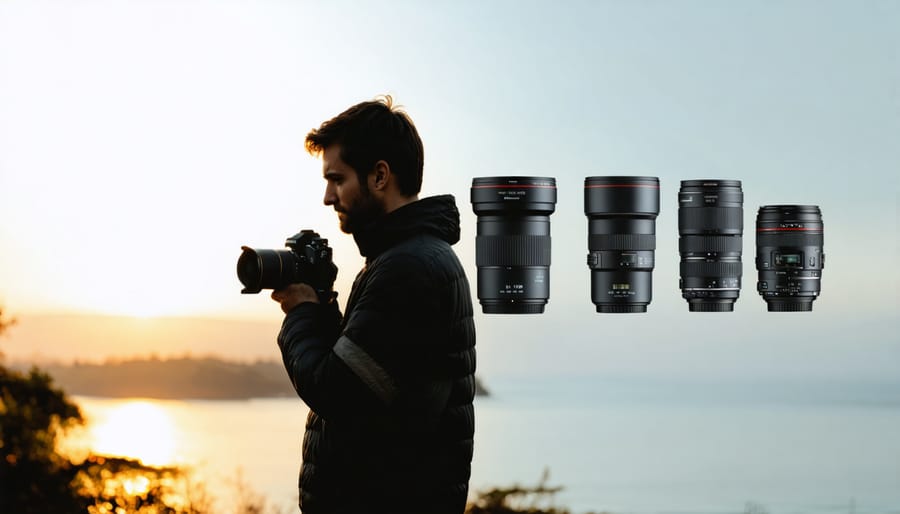
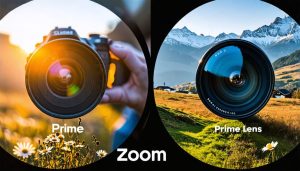
Transform your photography forever with three essential lenses that form the backbone of every professional kit. While the debate between prime vs zoom lenses continues, certain focal lengths have proven indispensable across all genres, from wedding photography to landscape shoots.
Think of these three lenses as your photographic Swiss Army knife: a versatile 24-70mm f/2.8 for everyday versatility, a razor-sharp 70-200mm f/2.8 for portraits and events, and a wide-angle 16-35mm f/2.8 for landscapes and architecture. Together, they cover nearly every shooting scenario while maintaining professional-grade image quality and creative control.
Whether you’re shooting in challenging light conditions, capturing fast-moving subjects, or creating compelling environmental portraits, these three focal ranges consistently deliver results that separate amateur work from professional-caliber images. The investment in these core lenses will serve you far better than a drawer full of specialized glass that rarely sees use.
The Versatile Standard Zoom (24-70mm f/2.8)
Why f/2.8 Matters
The f/2.8 aperture is a sweet spot that serious photographers swear by, and for good reason. This wide aperture setting delivers two crucial advantages that can transform your photography. First, it allows significantly more light to reach your camera’s sensor compared to typical kit lenses, making it invaluable for low-light situations. Whether you’re shooting a dimly lit wedding reception or capturing street scenes at dusk, f/2.8 helps you maintain faster shutter speeds without pushing your ISO too high.
Perhaps even more importantly, f/2.8 gives you the ability to control depth of field with precision. This creates that coveted background blur (bokeh) that makes your subjects pop while softening distracting elements. Portrait photographers particularly benefit from this capability, as it helps isolate subjects and create more professional-looking images.
While f/1.8 or f/1.4 lenses might seem more attractive on paper, f/2.8 typically offers better overall sharpness and more consistent performance across the frame, making it the perfect balance between creative possibilities and optical quality.
Real-World Applications
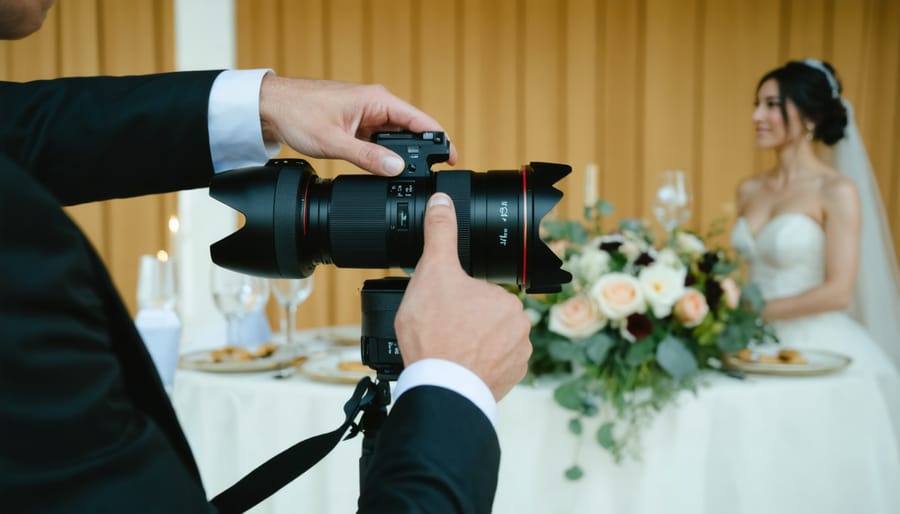
Let’s explore how these three essential lenses perform in real-world shooting scenarios. A 24-70mm standard zoom excels in wedding photography, where you need to quickly switch between capturing intimate couple portraits and wider group shots. Street photographers particularly appreciate its versatility when moving from environmental portraits to architectural details without changing lenses.
The 70-200mm telephoto becomes invaluable at sporting events, allowing you to capture dynamic action from a safe distance. Wildlife photographers rely on this lens to photograph skittish animals without disturbing them, while portrait photographers use it to achieve beautiful background compression and bokeh effects.
For landscape and architecture photographers, the 16-35mm wide-angle lens captures sweeping vistas and dramatic perspectives. It’s particularly useful in tight indoor spaces where you need to photograph entire rooms. Real estate photographers often depend on this lens to make spaces appear larger and more inviting, while event photographers use it to capture the entire atmosphere of crowded venues.
The Portrait Prime (85mm f/1.8)
Creating Beautiful Bokeh
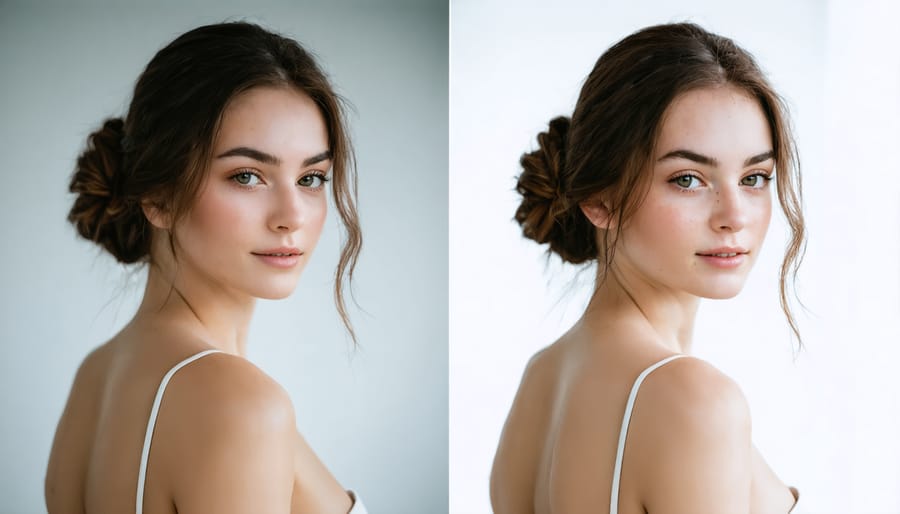
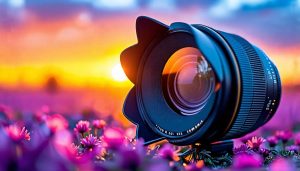
The magic of bokeh – that dreamy, ethereal background blur that makes your subject pop – is a hallmark of professional photography. A lens with a wide maximum aperture (typically f/1.8 or wider) is your key to creating this enchanting effect. When shooting at these large apertures, the lens renders out-of-focus areas as soft, creamy backgrounds that naturally draw attention to your sharp, in-focus subject.
To achieve beautiful bokeh, position your subject with some distance between them and the background. The wider your aperture and the longer your focal length, the more pronounced this effect becomes. Look for backgrounds with specular highlights – things like distant city lights, sunlight filtering through leaves, or holiday decorations – as these transform into those characteristic soft, circular shapes that photographers love.
Pay attention to the quality of the bokeh as well. Premium lenses often produce smoother, more pleasing bokeh with circular highlights that maintain their shape even at the edges of the frame. This is particularly important for portrait photography, where a distracting or harsh background blur can detract from your subject’s features.
Beyond Portraits
While portraits might be the first thing that comes to mind with this focal range, these lenses offer incredible versatility beyond capturing faces. In landscape photography, the compression effect creates stunning layered compositions, making distant mountains appear closer and more dramatic. For street photography, you can capture candid moments without being intrusive, maintaining a comfortable distance from your subjects.
These lenses excel in detail shots at weddings and events, perfectly isolating elements like rings, cake details, or decorative arrangements. Sports photographers rely on them to get close to the action while maintaining a safe distance from the playing field. They’re also fantastic for wildlife photography when you can’t physically get closer to your subject.
In the studio, these focal lengths work beautifully for product photography, especially for smaller items where you want to maintain natural proportions without perspective distortion. Even architectural photographers use them to capture building details and compress urban landscapes into compelling compositions.
The creative possibilities extend to abstract photography, where the lens’s ability to isolate patterns and textures can transform ordinary scenes into artistic statements.
The Ultra-Wide (16-35mm f/2.8)
Mastering Wide-Angle Composition
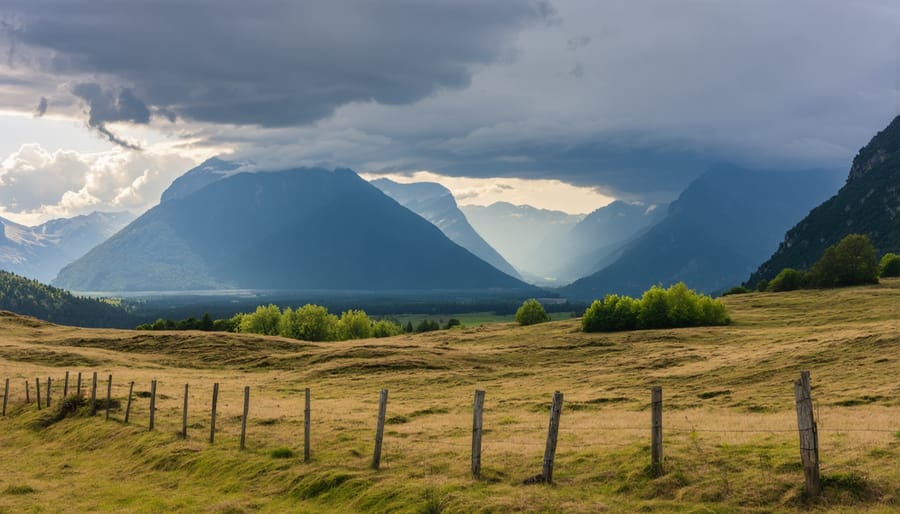
Mastering wide-angle composition requires a different mindset than shooting with standard focal lengths. The key lies in understanding how to use distortion creatively while avoiding common pitfalls that can make your images feel empty or unbalanced. When shooting landscape photography essentials, start by identifying strong foreground elements that can anchor your composition. Look for leading lines, interesting textures, or dramatic features that draw the viewer’s eye into the frame.
Remember to get close to your subject – much closer than you might think necessary. Wide-angle lenses create a sense of depth by exaggerating the relative size of nearby objects compared to distant ones. This dramatic perspective can transform ordinary scenes into compelling images. Keep your horizon straight unless you’re deliberately creating a dynamic angle, and pay attention to the corners of your frame where distortion is most noticeable.
When photographing architecture or interiors, position yourself carefully to maintain vertical lines, particularly near the edges of the frame. This attention to detail will help you create professional-looking images that harness the unique characteristics of wide-angle perspectives while avoiding common compositional mistakes.
Creative Applications
Ultra-wide lenses aren’t just for landscapes and architecture – they’re creative powerhouses waiting to be unleashed. Try getting extremely close to your subject while maintaining a wide perspective, creating a unique sense of depth and drama. This technique works particularly well with pets, where you can capture their curious expressions while showing their environment in a playful way.
In event photography, an ultra-wide lens can transform cramped spaces into dynamic scenes. Position yourself in corners to capture both the entire room and key moments unfolding. For street photography, use the lens’s distortion creatively by tilting the camera slightly upward near tall buildings to create leading lines that draw viewers into the frame.
Consider using ultra-wide angles for unconventional portraits. While not traditionally flattering for close-up facial shots, they excel at environmental portraits where you want to tell a story about your subject’s world. Place your subject near the edge of the frame with their workspace or environment stretching behind them, creating a narrative through perspective.
For macro photographers, try using an ultra-wide lens with extension tubes to capture unusual perspectives of small subjects against expansive backgrounds – imagine a tiny flower appearing to tower over a distant mountain range.
Building your lens collection around these three essential pieces – the versatile 24-70mm f/2.8, the creative 50mm prime, and the capable 70-200mm telephoto – provides you with a rock-solid foundation for virtually any photographic situation. Together, they cover an impressive range of focal lengths while maintaining excellent image quality and creative flexibility.
Think of these three lenses as your photographic Swiss Army knife – they’ll handle everything from landscapes and street photography to portraits and events. The 24-70mm serves as your reliable everyday companion, the 50mm prime pushes your creative boundaries while teaching you fundamental composition skills, and the 70-200mm lets you capture those otherwise unreachable moments.
As you grow in your photography journey, you can strategically add specialized lenses based on your evolving interests. Perhaps you’ll add a ultra-wide-angle for architecture, a macro lens for close-up work, or a super-telephoto for wildlife. However, these three core lenses will remain the workhorses of your kit.
Remember that investing in quality glass is often more important than upgrading camera bodies. These lenses will likely outlast several camera upgrades, making them a smart long-term investment. Start with one, master it thoroughly, then gradually add the others as your skills and budget allow. With this trio in your bag, you’ll be prepared to tackle nearly any photographic challenge that comes your way.
 By
By