 By
By 
Understanding the ® symbol starts with recognizing it as legal shorthand that tells you a trademark has been officially registered with the United States Patent and Trademark Office. When you see it on camera gear, lens brands, or photography software, you’re looking at intellectual property that carries federal legal protections—and misusing it on your own products or business name could land you in serious trouble with hefty fines up to thousands of dollars.
The distinction matters tremendously for photographers running businesses or reviewing equipment. You can freely mention registered brand names like Canon® or Nikon® in your reviews, blog posts, and YouTube videos without permission, as this falls under fair use for descriptive purposes. However, the moment you consider adding that circle-R to your own photography studio name or watermark, you must first complete the federal registration process—simply using a name in business doesn’t grant you the right to display this symbol.
Many photographers confuse the ® with the ™ symbol, but they represent entirely different legal statuses. The TM indicates an unregistered trademark you’re claiming rights to, while the ® proves you’ve invested time and money into federal registration and gained nationwide protection. This protection extends beyond just your logo to potentially cover your business name, signature editing style branding, or unique workshop titles.
For photography businesses looking to establish brand authority and legal protection, understanding when you’ve earned the right to use ® versus ™ becomes essential to professional credibility and avoiding legal missteps that could undermine your reputation.
What That ® Symbol Actually Means (And Why It Matters to Photographers)
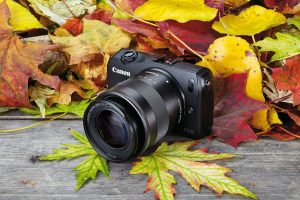
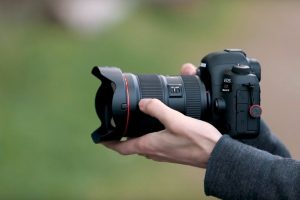
You’ve probably seen it thousands of times on your camera body, lens caps, and gear boxes: that little ® symbol next to brand names like Canon®, Nikon®, or Sony®. But what does it actually mean, and why should you care as a photographer?
The ® symbol indicates a registered trademark, which means the brand name, logo, or phrase has been officially registered with the United States Patent and Trademark Office (USPTO) or equivalent government agencies in other countries. This registration grants the owner exclusive legal rights to use that mark in connection with specific goods or services. Think of it as a legal stamp of ownership that says, “This brand identity belongs to us, and we have the government paperwork to prove it.”
Here’s where it gets important: you can only use the ® symbol after your trademark has been officially approved and registered. Using it prematurely is actually illegal and can result in penalties. This is why you’ll often see newer photography brands or products use different symbols during their early stages.
That brings us to the TM and SM symbols, which work differently. TM (trademark) can be used by anyone claiming rights to a brand name or logo, even without official registration. You might see this on newer lens manufacturers or photography accessories that are establishing their brand presence. The SM symbol (service mark) works similarly but applies to services rather than physical products, like a photography workshop series or editing software subscription.
For photographers, understanding these distinctions matters in several practical ways. When you’re reviewing gear, writing blog posts, or creating YouTube content about photography equipment, you’re generally fine using trademarked brand names descriptively. You’re talking about the Canon EOS R5, not claiming to be Canon. However, if you’re launching your own photography business, presets, or product line, knowing when and how to use these symbols protects your brand identity and keeps you legally compliant.
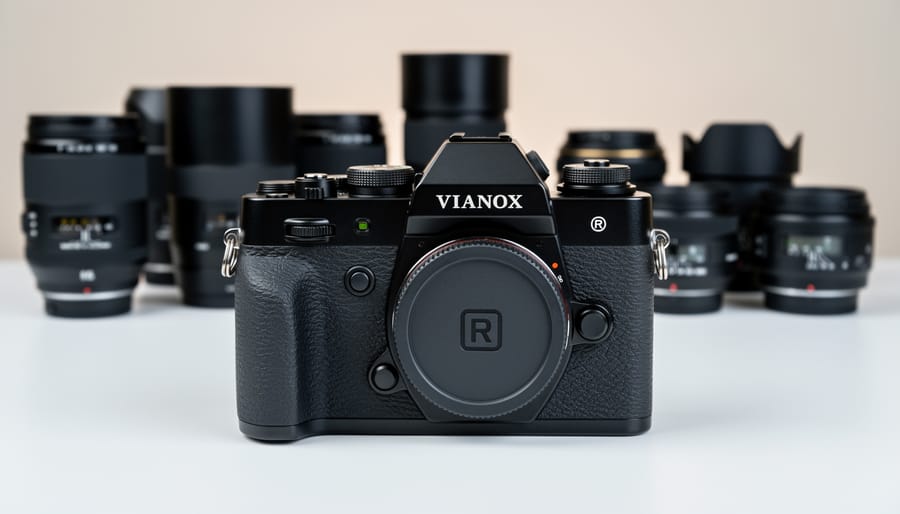
The Legal Protection Behind the ®: What Camera Brands Get (That You Don’t)
When you see that ® symbol next to Canon, Nikon, or Sony, it represents something far more powerful than a simple logo embellishment. It’s a legal shield backed by federal registration with the United States Patent and Trademark Office, and it comes with protections that unregistered marks simply don’t have.
Think of federal trademark registration as the difference between claiming you own a piece of land versus having a recorded deed at the county courthouse. Canon’s registered ® mark gives them nationwide protection automatically, even in states where they’ve never sold a single camera. Without registration, they’d only have rights in geographic areas where they’ve actually used the mark and built up business reputation.
The legal presumptions are equally significant. When Sony defends its registered trademark in court, the registration itself serves as prima facie evidence that they own the mark, it’s valid, and they have the exclusive right to use it on their products. Any challenger has to overcome this presumption, which shifts the burden of proof dramatically. For an unregistered mark, you’d need to prove all these elements from scratch, gathering evidence of use, consumer recognition, and market presence.
Enforcement power becomes considerably stronger with that ® symbol. Nikon can pursue infringement cases in federal court, access statutory damages that can reach into six figures per violation, and potentially recover attorney’s fees from infringers. These remedies make legal action economically viable, which is why major brands can aggressively protect their marks. Without federal registration, you’re limited to state court actions and must prove actual damages, a costly and uncertain proposition.
The ® also enables these brands to work with U.S. Customs and Border Protection to stop counterfeit products at the border before they enter the market. This proactive enforcement tool is exclusively available to federally registered marks.
Just as copyright laws protect photographers‘ creative work automatically, trademark registration protects brand identity, but only when you take that crucial step of federal registration. The camera manufacturers you know and trust built their reputations partly on this legal foundation, giving them the confidence to invest millions in brand development knowing they have robust protection mechanisms in place.
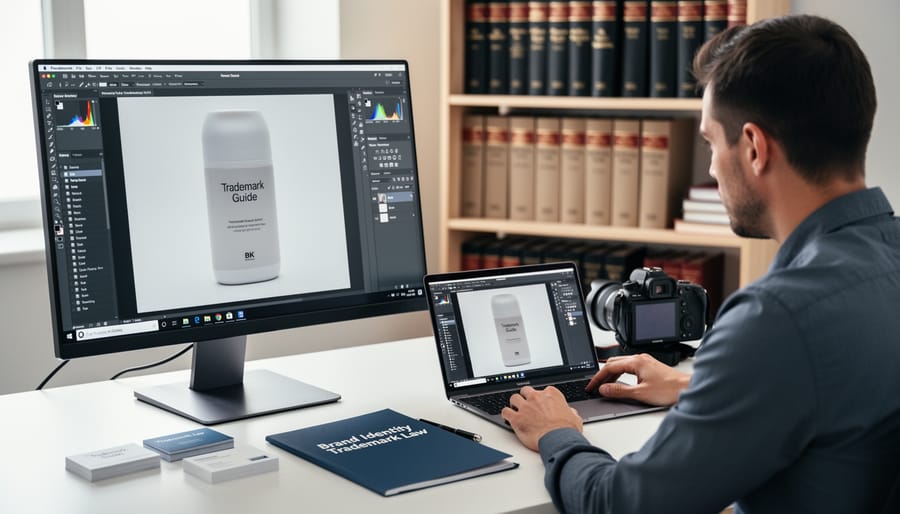
When You Can (and Can’t) Use Brand Names in Your Photography Business
Writing Reviews and Tutorials About Camera Gear
When you’re writing reviews or tutorials about camera gear, you’ll naturally reference brand names like Canon, Nikon, or Sony. The good news? You can absolutely use these trademarked names in your content without permission. This falls under what’s called “nominative fair use,” which means you’re referring to the product by its actual name for informational purposes.
However, there are some practical considerations. You should use the ® symbol the first time you mention a registered trademark in your article, though it’s not legally required for content creators. For example, “Canon® EOS R5” on first mention, then simply “EOS R5” afterward. This shows respect for the brand’s intellectual property without cluttering your writing.
What’s legally acceptable? Honest reviews, comparisons, and tutorials are protected. You can say “the Nikon Z9 outperforms the Sony A1 in autofocus tracking” without legal concern. What you cannot do is use trademarked logos or brand names in ways that suggest official endorsement or partnership when none exists. Don’t create thumbnail graphics using official logos or claim your review is “approved by Canon.”
Just as photographers benefit from understanding property rights for their images, respecting trademark usage builds credibility with both readers and manufacturers.
Using Brand Names in Your Photography Business Name or Services
Using another company’s brand name in your photography business name or services is legally risky territory. While you might think “Canon Specialist Photography” or “Sony Camera Repair & Training” sounds professional and targeted, incorporating trademarked brand names without permission typically violates trademark law—even if you genuinely work exclusively with that brand’s equipment.
The primary issue is consumer confusion. Trademark law exists to prevent customers from mistakenly believing your business is affiliated with, endorsed by, or sponsored by the brand owner. When you use “Nikon” in your business name, potential clients might assume you’re an official Nikon service provider, which could land you in hot water with the company’s legal team.
There are limited exceptions. You can generally describe the services you offer using brand names in a purely descriptive way, like “Camera repair services for Canon, Nikon, and Sony equipment” in your service description. This falls under nominative fair use—you’re simply identifying the products you work with, not claiming association with the brands.
If you want to become an official specialist, many manufacturers offer authorized dealer, reseller, or service provider programs. These partnerships grant you permission to use their trademarks in specific approved ways, often with official logos and designation marks. The alternative? Build your business identity around your own unique brand name that doesn’t rely on someone else’s trademark.

Social Media, YouTube, and Online Content Creation
If you’re creating YouTube videos, Instagram posts, or blog content about photography gear, you’ve probably wondered whether featuring branded equipment could land you in legal trouble. The good news is that showing a Canon camera with its prominent ® logo in your thumbnail or mentioning specific brands in your video title generally falls under fair use, particularly when you’re providing genuine reviews, tutorials, or commentary.
Trademark law allows you to reference brands when discussing, comparing, or reviewing products. You can absolutely say “Nikon Z9 Review” in your title or show your Sony gear in your content. Where creators sometimes stumble is when they give the impression of official sponsorship or endorsement that doesn’t exist. Adding disclaimers like “not sponsored” or “independent review” helps clarify your relationship with brands.
The monetization question comes up frequently: can you earn money from content featuring trademarked products? Yes, monetizing honest reviews and educational content is perfectly acceptable. Problems arise when you use trademarked logos as your own channel branding or create merchandise featuring brand logos without permission. For example, selling t-shirts with camera brand logos would likely constitute infringement.
When photographing products for reviews, focus on showing the gear naturally in use rather than creating content that could be mistaken for official marketing materials. This approach keeps your content clearly positioned as independent commentary while respecting trademark boundaries.
Real Cases: When Photographers Got It Wrong (And What Happened)
Learning from others’ mistakes can save you considerable headache and legal fees. Here are three real-world trademark disputes that offer valuable lessons for photographers and photography businesses.
The Olympus Repair Shop Mix-Up
A camera repair business in California called themselves “Olympus Camera Repair & Service” without authorization from Olympus Corporation. They weren’t affiliated with the manufacturer but used the trademarked name prominently in their storefront and advertising. Within eighteen months, Olympus Corporation sent a cease-and-desist letter, followed by a trademark infringement lawsuit.
The repair shop owner argued he was simply describing the type of cameras he serviced, but the court disagreed. Using a registered trademark as your primary business name creates consumer confusion about official affiliation. The shop was forced to rebrand completely, losing thousands of dollars in signage, business cards, and established local reputation. They settled by changing their name to “Pacific Camera Repair (Specializing in Olympus Equipment),” which legally describes their services without implying official connection.
The lesson? Describe what you do without appropriating someone else’s trademark as your identity. “Camera Repair for All Brands” or “Professional Lens Servicing” achieves the same goal legally.
The YouTube Gear Reviewer Controversy
A popular photography YouTuber with 200,000 subscribers ran into trouble when creating custom thumbnail designs. To catch viewers’ attention, he created stylized versions of camera brand logos, modifying the Canon and Nikon logos with creative effects and colors. He thought transforming them made it fair use.
Canon’s legal team disagreed. They sent a takedown notice citing trademark dilution, arguing that altered logos could harm their brand identity. While his videos reviewing Canon products were perfectly legal, recreating their trademarked logo designs crossed the line. He had to remove dozens of thumbnails and redesign his content strategy.
The takeaway here is crucial: you can photograph products with visible logos and discuss brands freely, but don’t recreate, redesign, or artistically interpret registered trademarks. Use actual product photos or generic representations instead.
The Wedding Photographer’s “Capture” Problem
A wedding photographer launched her business as “Capture Weddings” without researching existing trademarks. Two years later, after building a client base and strong social media following, she received a cease-and-desist from a larger photography company that had trademarked “Capture” for photography services in her state.
Despite arguing she’d been using the name without issues, she had no trademark protection of her own. The legal costs of fighting exceeded the cost of rebranding, so she changed her business name. She lost her established domain, had to notify all previous clients, and essentially started her marketing from scratch.
The lesson is preventive: search trademark databases before investing in your business identity, and consider registering your own trademark early if you’re building something substantial.
How Camera Manufacturers Protect Their Brands (And What It Means for You)
Major camera manufacturers invest significant resources in protecting their brand identities, and understanding their approach helps photographers navigate the sometimes murky waters of trademark compliance.
Companies like Canon, Nikon, Sony, and Fujifilm employ dedicated legal teams to monitor trademark use across multiple channels. They regularly scan online marketplaces for counterfeit products, scrutinize unauthorized dealer networks, and even keep tabs on how content creators use their branding. This isn’t about being litigious for the sake of it—protecting trademarks is actually a legal requirement. If a company doesn’t actively defend its trademarks, it risks losing them altogether.
The counterfeit camera equipment market poses real problems. Fake batteries, knock-off lens adapters, and counterfeit memory cards not only damage brand reputation but can actually harm consumers. That’s why you’ll often see takedown notices on marketplace listings and why manufacturers maintain authorized dealer lists on their websites. When you’re buying gear, that “r trademark logo” next to the brand name signals authenticity and quality assurance.
For content creators and reviewers, most manufacturers take a surprisingly practical approach. They understand that honest reviews, comparisons, and educational content actually benefit their brands. Their concern isn’t with you mentioning “Canon” in your YouTube video title—it’s with someone creating a fake Canon website or selling counterfeit gear. The key distinction is between nominative fair use (referring to a brand to discuss its products) and trademark infringement (using their marks to mislead consumers).
Many brands actively support content creators through ambassador programs. These relationships provide photographers with early access to equipment, promotional opportunities, and clear guidelines for brand usage. Participants typically receive style guides showing approved logo usage, required disclaimers, and boundaries for their content.
If you receive a cease-and-desist letter, don’t panic. Often, these are automated or result from misunderstandings. Responding professionally and explaining your legitimate use usually resolves the situation. Understanding how manufacturers protect their brands helps you confidently create content while respecting intellectual property rights—and that benefits everyone in the photography community.
Protecting Your Own Photography Brand: Should You Register a Trademark?
As your photography business grows, you might wonder whether registering a trademark makes sense for your brand name, logo, or even your distinctive editing style. The truth is, trademarking isn’t necessary for every photographer, but it can provide valuable legal protection when your business reaches certain milestones.
Let’s start with the basics. Trademark registration in the United States costs between $250 to $350 per class of goods or services through the USPTO. For photographers, this typically means registering under Class 42 for photography services. The process takes approximately 8-12 months from application to approval, assuming no objections or office actions.
So when does trademark registration make sense? If you’re primarily shooting weddings on weekends as a side business, you probably don’t need it yet. However, consider trademarking when you’re actively selling your photos, expanding into multiple markets, hiring second shooters, or building a brand that others might want to imitate.
The benefits are substantial. A registered trademark gives you exclusive nationwide rights to your business name or logo, makes legal action against infringers much easier, and adds credibility when approaching commercial clients. You can also license your brand to others, creating additional revenue streams.
Here’s a practical example: Imagine you’ve built “Ember Photography” into a successful portrait studio in your city. Without trademark registration, someone could open “Ember Photo Studio” across town, potentially confusing your clients. With a registered trademark, you have clear legal grounds to stop them.
Before filing, conduct a thorough search of existing trademarks to avoid conflicts. The USPTO database is free to search, though many photographers hire trademark attorneys to navigate the process. While this adds $1,000-$2,000 to your costs, it dramatically increases approval chances.
Remember, you don’t need the registration symbol to start using a trademark. You can use the TM symbol immediately to indicate you’re claiming rights to your brand. Only switch to the registration symbol after the USPTO approves your application. This gradual approach lets you establish your brand while deciding whether formal registration makes financial sense for your growing photography business.

Understanding trademark symbols like the ® mark empowers you as a photographer to navigate both sides of the branding equation. You now know how to reference established camera brands, lenses, and equipment in your reviews and content without legal concerns, while also recognizing when and how to protect your own photography business as it grows.
The key takeaways are straightforward: use trademarked brand names descriptively and honestly when discussing gear, avoid creating confusion about sponsorships or endorsements, and remember that the ® symbol signals serious legal protection that companies actively defend. When building your own brand, focus first on consistently delivering quality work and establishing your unique identity before worrying about formal trademark registration.
Take practical steps today by reviewing how you present brand names in your content, ensuring your own business name doesn’t infringe on existing trademarks, and documenting your creative processes. As you develop your signature style and business presence, consider consulting with a trademark attorney about protecting creative work through proper registration when the time is right.
Your photography brand deserves the same respect you show established names in the industry. By staying informed and proactive about trademark basics, you’re building a legally sound foundation that lets your creativity flourish without unnecessary risk.




 By
By