 By
By 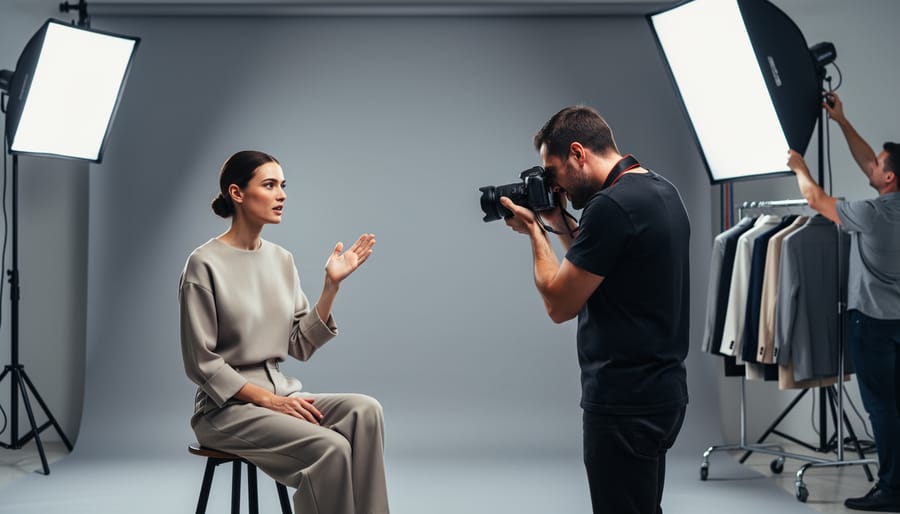
Examine your power dynamics before every photoshoot by asking who controls the creative direction, who benefits financially, and whose comfort might be compromised. This fundamental shift—recognizing that traditional ethics often ignore gender-based power imbalances—defines the feminist model of ethical decision making in photography. Unlike conventional approaches that treat all participants as equals, feminist ethics acknowledges that photographers typically hold more authority than models, especially in commercial contexts where payment, portfolio building, and professional reputations create unequal stakes.
Integrate relationship-centered thinking into your workflow by prioritizing the model’s experience alongside your artistic vision. This means treating model safety and consent not as checkbox items but as ongoing conversations throughout the session. When a model expresses discomfort—whether verbally or through body language—feminist ethics demands you pause and reassess, even if it disrupts your planned shot list.
Document your ethical protocols in writing before problems arise. Create clear agreements about image usage, compensation, creative control, and boundaries. Feminist decision making recognizes that vague understandings disproportionately harm those with less industry power. A model who feels pressured to agree in person will benefit from reviewing terms independently beforehand.
Challenge industry norms that normalize exploitation. When standard practices involve unpaid test shoots, last-minute concept changes, or pressure to shoot in uncomfortable conditions, feminist ethics asks you to question whether these traditions serve everyone equally. This framework emerged from recognizing how traditional ethical models—developed primarily by and for men—often overlooked gendered experiences of vulnerability, objectification, and coercion.
For photographers committed to ethical practice, this approach offers more than moral guidelines. It provides a practical framework for building trust, reducing legal risks, and creating collaborative environments where creativity flourishes. The difference between adequate ethics and feminist ethics isn’t just philosophical—it transforms how you work.
The Reality Behind the Lens: What Photographers Don’t Talk About
Behind the polished images you see in magazines and advertisements lies a less glamorous reality that many photographers hesitate to discuss openly. The traditional hierarchical structure of photoshoots creates an environment where power imbalances can lead to harmful situations that affect everyone involved.
Consider a typical commercial fashion shoot. The client holds the budget, the agency represents the model, the photographer answers to the creative director, and somewhere in this chain of command, the model’s comfort and safety can become secondary concerns. I’ve heard countless stories from colleagues about models being pressured to wear uncomfortable wardrobe pieces, pose in physically demanding positions for extended periods, or work in spaces with inadequate climate control because “that’s just how shoots work.”
One photographer I know shared an experience from an editorial shoot where a young model clearly expressed discomfort with increasingly revealing wardrobe changes. The creative director dismissed her concerns, and the photographer, worried about maintaining their professional relationship with the publication, stayed silent. The shoot continued, leaving everyone involved feeling complicit in something that crossed ethical boundaries.
This culture of silence persists because traditional decision-making models prioritize efficiency and the vision of those at the top over the wellbeing of those with less power. Models, particularly those early in their careers, often fear that speaking up will earn them a reputation for being “difficult to work with.” Photographers face their own pressures, worried that questioning a client’s direction might cost them future bookings.
The problem extends beyond obvious exploitation. It includes the model who develops back pain from repeated awkward poses but doesn’t feel comfortable asking for breaks. The assistant who witnesses problematic behavior but fears retaliation. The photographer who compromises their own values because “the client is always right.”
These situations rarely involve outright villains. More often, they result from systems that concentrate decision-making power in too few hands while leaving others without voice or agency. When photographers and clients make choices without meaningful input from models, they operate with incomplete information about comfort, safety, and consent.
The traditional top-down approach fails because it assumes those in power positions can accurately assess the experiences of those without power. They can’t. What seems like a simple request to a photographer might feel like an impossible demand to a model. Without creating space for honest dialogue and shared decision-making, these disconnects perpetuate environments where harm becomes normalized rather than exceptional.
What the Feminist Model of Ethical Decision Making Actually Means
The Core Principles: Care, Responsibility, and Relationships
The feminist model of ethical decision-making represents a significant departure from traditional approaches you might encounter in professional guidelines. While conventional ethics often rely on universal rules and hierarchical authority structures, this framework places human relationships and care at its very center.
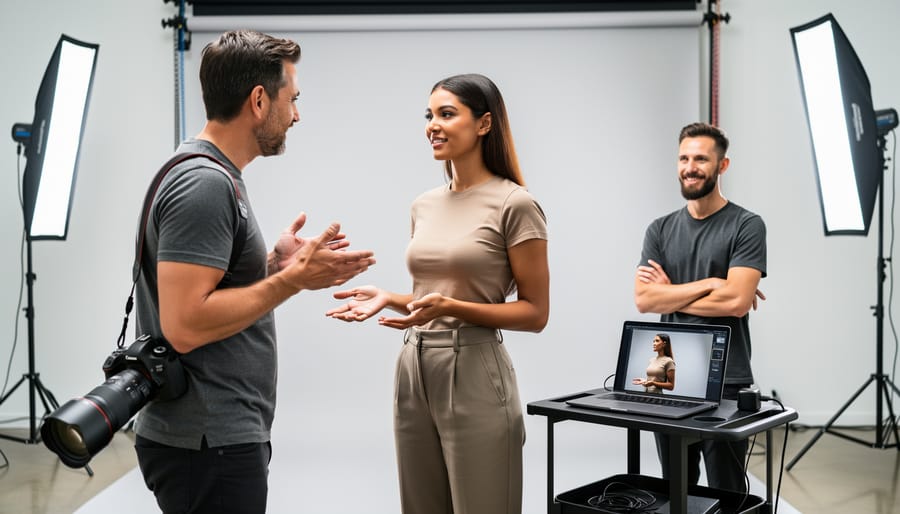
Think of it this way: instead of consulting a rulebook to determine whether a particular photographic approach is acceptable, you’re engaging in ongoing dialogue with your subjects, considering how your decisions impact everyone involved in the creative process. This relational approach acknowledges that photography, especially portrait and fashion work, is fundamentally collaborative rather than extractive.
At the heart of this model lies care ethics, which recognizes that we’re all interconnected and that our actions ripple through relationships. When you’re photographing someone, you’re not simply capturing an image; you’re entering into a relationship that carries mutual responsibilities. The model asks you to consider: How does this shoot affect my subject’s sense of safety? What power dynamics are at play? How can I ensure everyone’s needs are heard and respected?
Shared responsibility is another cornerstone. Traditional approaches might place all ethical burden on the photographer as the professional authority. The feminist model, however, distributes responsibility across all participants. Your model has agency in shaping the shoot’s direction, your makeup artist contributes to creating a respectful environment, and you maintain accountability for power imbalances inherent in holding the camera.
This isn’t about abandoning professional standards. Rather, it’s about recognizing that rigid, top-down rules can’t address the nuanced, context-dependent situations that arise during creative work. Real-world photography happens between people, and this model honors that human reality.
Why It Works Better for Creative Collaboration
When photographers embrace collaborative decision-making during shoots, they often discover something surprising: the creative work actually improves. Rather than slowing things down, involving models as active participants typically leads to more authentic expressions, natural poses, and genuine emotion in the final images. Models who feel heard and respected are more relaxed in front of the camera, which translates directly to better photographs.
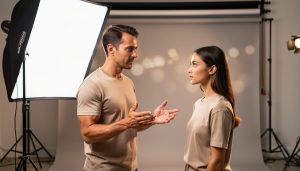
Consider a portrait session where the photographer discusses wardrobe choices, lighting preferences, and pose ideas with their subject before and during the shoot. This dialogue often surfaces creative possibilities the photographer hadn’t considered. The model might suggest an angle that flatters their features better, or express discomfort with a setup that reads as awkward on camera. These insights prevent wasted time on concepts that aren’t working and guide the session toward stronger results.
The risk management benefits are equally compelling. When you establish clear consent protocols and maintain ongoing communication, you create documentation of mutual agreement throughout the creative process. This collaborative approach significantly reduces the likelihood of disputes over image usage, model releases, or claims of uncomfortable shooting conditions. In today’s environment where social media can amplify complaints instantly, a single negative experience shared by a model can damage your professional reputation far beyond any individual project’s value.
Building a reputation as a photographer who prioritizes collaborative ethics also creates competitive advantage. Models actively seek out and recommend photographers known for respectful practices, expanding your network organically through positive word-of-mouth.
Moving Beyond ‘Just Following Industry Standards’
Many photographers assume that simply following industry-standard model releases and payment structures means they’re being ethical. But here’s the reality: those standards were often created without meaningful input from the people being photographed, particularly women and marginalized communities. Industry norms can perpetuate power imbalances rather than address them.
Consider this: a standard model release might be legally sound, but does the model truly understand how their images will be used across different platforms? Did they feel comfortable asking questions, or did the professional environment discourage them from speaking up?
A feminist approach to ethics behind the lens goes deeper than checking boxes. It asks you to actively think about consent as an ongoing conversation, not a one-time signature. It means considering whether your shooting environment feels safe for everyone involved, regardless of their experience level.
Proactive ethical thinking produces tangibly better results. Models who feel respected and heard perform more authentically. They’re more likely to collaborate again and recommend you to others. By moving beyond minimum standards, you build genuine professional relationships based on mutual respect, creating work that reflects shared values rather than extracting images from vulnerable subjects.
Building On-Set Safety Protocols That Actually Work
Pre-Shoot Communication: Setting Expectations Together
Before your camera captures a single frame, the real foundation of ethical portrait photography begins with conversation. Pre-shoot communication transforms the photographer-model dynamic from directive to collaborative, ensuring everyone enters the session feeling heard and empowered.
Start by reaching out at least a week before your shoot. Rather than simply sending call sheets with times and locations, open a dialogue about creative direction. Try this conversation starter: “I have some initial concepts in mind, but I’d love to hear your thoughts on what feels authentic and comfortable for you.” This immediately signals that you value the model’s perspective.
Discuss wardrobe collaboratively. Instead of dictating outfits, share mood boards and ask questions like “What from this selection resonates with you?” or “Are there items you’d prefer to avoid?” This respects both aesthetic preferences and potential discomfort with revealing clothing or styles that don’t align with their identity.
Address boundaries explicitly and early. A simple template might be: “Let’s talk about physical comfort. Are there poses, angles, or body parts you prefer not to emphasize? Do you have preferences about physical direction versus verbal cues?” Document these preferences in writing so nothing gets forgotten during the creative flow of shooting.
Finally, clarify image usage rights and social media tagging preferences before the shoot. This prevents awkward conversations after the fact and demonstrates respect for how the model wants to be represented in the world.

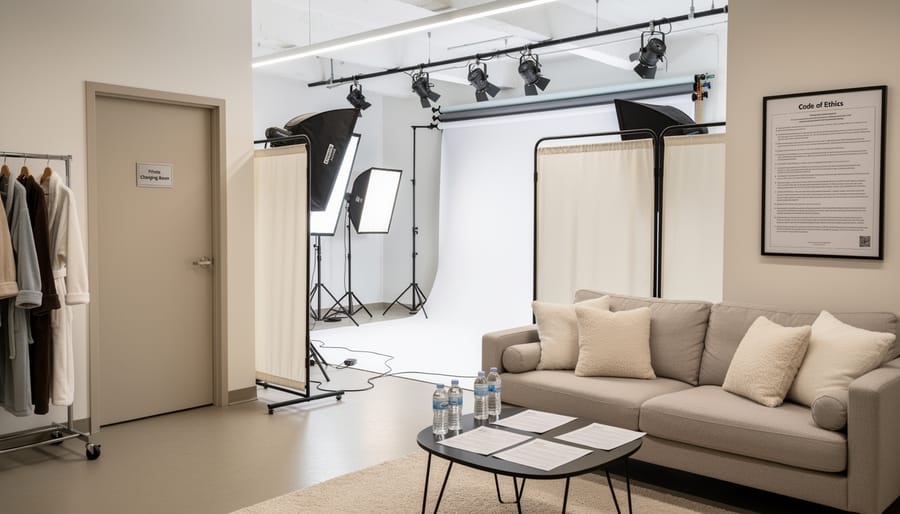
Creating Physical and Emotional Safety on Set
Creating a physically and emotionally safe environment isn’t just about good intentions—it requires concrete protocols that demonstrate your commitment to your model’s wellbeing.
Start with closed sets for any work involving vulnerable moments or partial nudity. Commercial photographer Sarah Chen implements a strict “essential personnel only” rule, meaning only the photographer, model, and perhaps one assistant remain on set. She posts clear signage on studio doors and briefs everyone beforehand about who has access. This simple step eliminates the anxiety models feel when unnecessary observers are present.
Temperature control matters more than most photographers realize. Studio lights generate significant heat, but models wearing minimal clothing or holding static poses get cold quickly. Professional fashion photographer Marcus Thompson keeps his studio at 72-74 degrees and always has space heaters available. “I once had a model’s lips turn blue during a swimwear shoot because I was comfortable in jeans and didn’t notice her shivering,” he admits. “Never again.”
Structure regular breaks into your shooting schedule—not as afterthoughts, but as planned intervals every 20-30 minutes. During these breaks, provide a private changing area, refreshments, and importantly, don’t review images while your model waits anxiously. Portrait photographer Jennifer Liu builds ten-minute breaks into her timeline and uses that period for lighting adjustments, giving models genuine downtime.
Safe posing means checking in verbally before suggesting positions that require physical strain or vulnerability. Never physically adjust a model’s body without explicit permission first. Instead, demonstrate the pose yourself or describe it clearly.
Most crucially, establish that models can say “I’m uncomfortable” at any moment without explanation or consequence. When documentary photographer Robert Park hears those words, he immediately stops, offers water, and asks how to proceed differently. This approach has never derailed a shoot—it’s strengthened every working relationship.
Power Balance: When You’re the One Holding the Camera
When you’re behind the camera, you hold significant power in the creative relationship. You control the narrative, what gets captured, and ultimately what the world sees. Recognizing this isn’t about guilt—it’s about responsibility and using that position ethically.
Start every shoot by establishing clear consent protocols before anyone even picks up equipment. This means discussing the project’s purpose, how images will be used, and where they’ll appear. Create a written agreement that both parties sign, but don’t stop there. Consent isn’t a one-time checkbox; it’s an ongoing conversation throughout the session. Check in regularly, especially when changing locations, poses, or concepts.
Encourage genuine agency by asking rather than directing. Instead of “Give me a sultry look,” try “What feels authentic to you right now?” This simple shift transforms models from props into collaborators. Share images on the back of your camera throughout the shoot, inviting feedback and allowing your subject to guide the direction.
Understanding when photography crosses the line becomes easier when you’ve established open communication from the start.
When someone voices discomfort, stop immediately. Don’t minimize their concerns or push to continue “just one more shot.” Thank them for speaking up, adjust accordingly, or end the session if needed. Your portfolio isn’t worth someone’s dignity. Remember, the most powerful images come from environments where everyone feels safe, respected, and genuinely heard.
Documentation and Ongoing Consent
Consent isn’t a one-time checkbox—it’s an ongoing conversation that continues throughout your collaboration and beyond. Start by documenting everything in writing before the shoot. Create a simple agreement that outlines what you’ll be photographing, how images will be used, compensation details, and any boundaries discussed. Both parties should sign and keep copies. Think of this as your mutual protection plan, not legal fine print.
During the shoot itself, regular check-ins are essential. Before moving to a new setup or trying something outside your original plan, pause and ask. A simple “How are you feeling about this?” or “Can I adjust your sleeve here?” maintains that collaborative spirit. Watch for non-verbal cues too—if someone seems uncomfortable, address it immediately rather than assuming everything’s fine.
Usage rights deserve special attention. Be specific about where images will appear: your portfolio website, social media, client materials, or commercial licensing. If opportunities arise later—like a magazine wanting to feature your work—reach back out to your subject for permission. This might feel cumbersome, but it demonstrates respect for their continued agency over their image.
Finally, send a follow-up message after the shoot sharing your timeline for edits and asking if they have any concerns. When images are ready, provide them with the agreed-upon files promptly. This post-shoot communication reinforces trust and often leads to future collaborations built on genuine mutual respect.
Practical Implementation: Making Ethics Part of Your Workflow
Your Pre-Shoot Checklist
Before any photoshoot begins, implement these concrete steps to center consent and collaboration. First, send detailed call sheets 48 hours in advance that clearly outline the creative concept, expected poses, wardrobe requirements, and exactly who will be present on set. Include your cancellation policy and confirm that models can withdraw consent at any time without penalty.
Build a communication protocol into your workflow. Designate a point person models can speak with privately if concerns arise during the shoot. Share your shot list beforehand and invite model input on poses they’re comfortable with. This transforms the experience from something done to them into something created together.
Prepare your physical space thoughtfully. Ensure private changing areas with locks, maintain comfortable temperatures, and stock water and snacks. Keep a first aid kit accessible and establish clear bathroom break intervals rather than making models ask.
Create a simple one-page document explaining how images will be used, stored, and shared. Make this available in multiple languages if you work with diverse communities. Finally, schedule a post-shoot debrief within 24 hours where models can share feedback. This ongoing dialogue strengthens trust and continuously improves your practice, making ethics an active process rather than a checkbox exercise.

When Working With Agencies and Clients
Working with agencies and clients adds complexity to ethical decision-making, but your values shouldn’t disappear when someone else is paying the bill. Start by establishing photography ethics expectations upfront, before contracts are signed. Share your consent protocols and safety practices as part of your standard process, not as negotiable extras.
When client requests conflict with ethical standards, frame your concerns around professional quality and risk management rather than personal preference. For example, if a client pushes for rushed shoots without proper model briefings, explain how informed consent protects everyone from miscommunication and potential disputes. This positions ethics as good business practice.
Document your protocols in writing and include them in contracts when possible. If you’re working under an agency’s guidelines, review their policies and identify gaps. Propose improvements diplomatically, bringing specific solutions rather than just criticisms. Many agencies appreciate photographers who proactively manage risk.
Remember, you’re the expert they hired. Declining projects that compromise your standards isn’t difficult; it’s professional. Your reputation ultimately depends on how you treat people, not which clients you please.
Building a Reputation as an Ethical Photographer
Building a reputation for ethical practices isn’t just the right thing to do—it’s genuinely good for business. When you consistently prioritize consent, transparency, and collaborative relationships, word spreads within the creative community. Models talk to other models, and makeup artists connect with stylists. Before long, you’ll find that top-tier talent actively seeks you out rather than the other way around.
Consider this real-world example: A fashion photographer in Portland built her entire business around consent-based practices and transparent contracting. Within two years, she had a waiting list of models eager to work with her, even at lower rates than competitors offered. Why? Because talented collaborators value their dignity and safety more than a quick paycheck.
Ethical practices also create sustainable business models. Clear contracts prevent disputes. Respectful communication reduces no-shows and last-minute cancellations. When collaborators feel valued and safe, they bring their best creative energy to shoots, resulting in stronger portfolios for everyone involved.
Your reputation becomes your most valuable marketing tool. In today’s connected world, one model’s positive experience shared online reaches thousands of potential collaborators. Conversely, ethical missteps can tank a career overnight. Building trust takes time, but it compounds into opportunities that purely transactional approaches simply cannot match.
Common Objections (And Why They Don’t Hold Up)
When photographers first encounter feminist ethical frameworks, several concerns typically arise. Let’s address the most common objections head-on, because understanding these hesitations is part of the decision-making process itself.
“This will slow down my shoots too much.” The efficiency concern is understandable, especially for commercial photographers working on tight schedules. However, implementing these ethical guidelines doesn’t mean conducting a philosophy seminar before every click. In practice, most consent conversations take two to three minutes once you’ve established your protocols. Consider this: reshoot costs after a model feels uncomfortable or misrepresented are far more expensive than upfront communication. Toronto photographer Maria Santos reports that after implementing check-in protocols, her editing time actually decreased because models were more comfortable and natural during shoots, resulting in better initial captures.
“It will stifle creativity and spontaneity.” This objection assumes ethics and artistry are opposing forces. The reality? Collaborative approaches often enhance creativity. When models understand your vision and feel empowered to contribute ideas, you access perspectives you wouldn’t have considered alone. Street photographer James Chen initially worried that asking permission would kill candid moments. Instead, he found that brief conversations before shooting created trust that yielded more authentic expressions than stolen shots ever could.
“Isn’t this just overthinking things?” Some photographers worry that applying feminist frameworks makes simple situations unnecessarily complex. But ethical awareness isn’t overthinking—it’s thoughtful practice. You already make dozens of technical decisions per shoot regarding lighting, composition, and exposure. Adding relational considerations simply acknowledges that photography involves people, not just equipment. The framework provides structure for decisions you’re already making, often unconsciously.
“My subjects have never complained before.” Silence doesn’t equal consent or comfort. Power dynamics in photographer-subject relationships often discourage models from voicing concerns, particularly when their income or portfolio depends on the relationship. Proactive ethical protocols create space for honest communication that might not otherwise occur.
These frameworks ultimately protect both your subjects and your professional reputation while elevating the quality of collaborative work.
Adopting a feminist model of ethical decision making in photography isn’t about limiting your creative freedom or adding burdensome restrictions to your workflow. Instead, it’s about recognizing that your best work emerges from genuine collaboration and mutual respect. When models feel safe, valued, and empowered during a shoot, it shows in the final images. Their confidence translates to more authentic expressions, natural poses, and images that resonate with viewers on a deeper level.
The beauty of this approach is that it benefits everyone involved. Models gain agency over their representation and feel protected throughout the process. Photographers build stronger professional relationships and create portfolios that reflect ethical practices—an increasingly important consideration for clients and publications. The industry as a whole becomes more sustainable and inclusive when we move away from exploitative dynamics that have historically marginalized vulnerable individuals.
If you’re feeling overwhelmed by the idea of overhauling your entire approach, start small. Choose one protocol change to implement in your next shoot. Perhaps it’s introducing a model release review session before the shoot begins, or establishing clear communication about wardrobe changes. Maybe it’s simply asking “how are you feeling?” more frequently during long sessions. Each small step builds toward a more ethical practice.
The photographers who embrace these principles aren’t sacrificing their artistic vision—they’re enhancing it. They’re discovering that collaborative relationships unlock creative possibilities that directive, hierarchical approaches never could. As you move forward in your photography journey, remember that ethical practice and exceptional work aren’t opposing forces. They’re partners in creating images that are not only visually compelling but also reflect the dignity and humanity of everyone involved.



 By
By