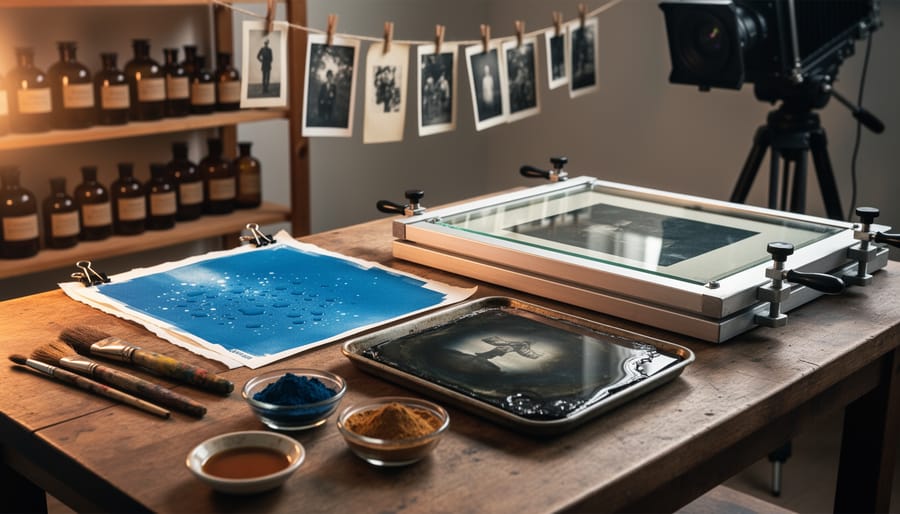
Explore cyanotypes to create distinctive cyan-blue prints using simple chemistry and sunlight, requiring only light-sensitive solution, paper, and UV exposure—a perfect entry point that produces results in minutes without needing a traditional darkroom. Master wet plate collodion for glass or metal plates that capture extraordinary detail and tonal range reminiscent of Civil War-era photography, though this demands dedicated workspace, precise chemical handling, and shooting while the plate remains wet. Experiment with gum bichromate printing to layer pigmented emulsions that deliver painterly, customizable color control impossible …
Your Film Camera Doesn’t Need a Repair Shop (Here’s How to Fix It Yourself)
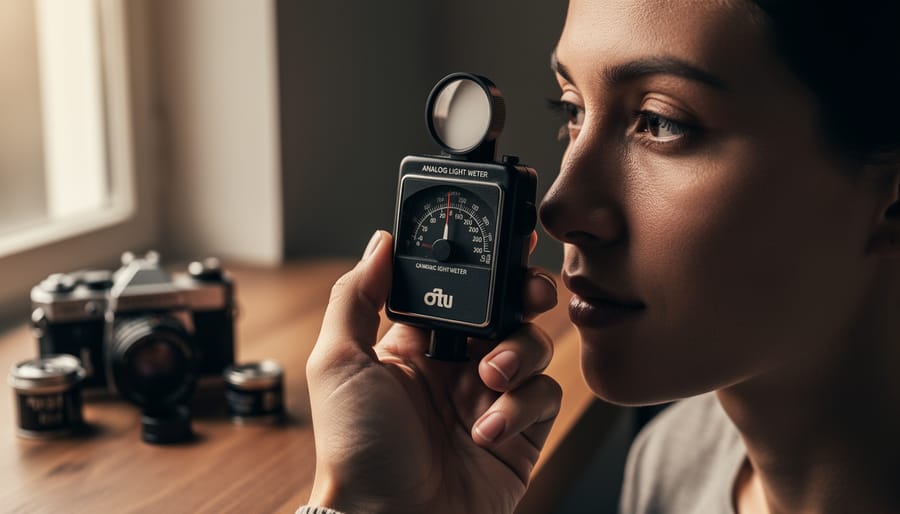
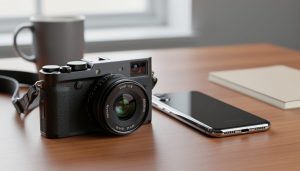
Check your camera’s light seals first—deteriorated foam around the film door causes light leaks that ruin exposures, and replacement costs under $15 for a DIY kit. Test your shutter speeds by comparing them against a smartphone stopwatch app in bulb mode; if your 1/125th setting actually fires at 1/60th, you’ll need professional CLA (clean, lubricate, adjust) service. Verify film advance issues by opening the back and watching whether sprockets engage properly with empty camera—stuck advance levers often result from old lubricant rather than broken gears.
Your mechanical film camera represents decades-old engineering…
Why Instant Analog Cameras Still Beat Your Smartphone
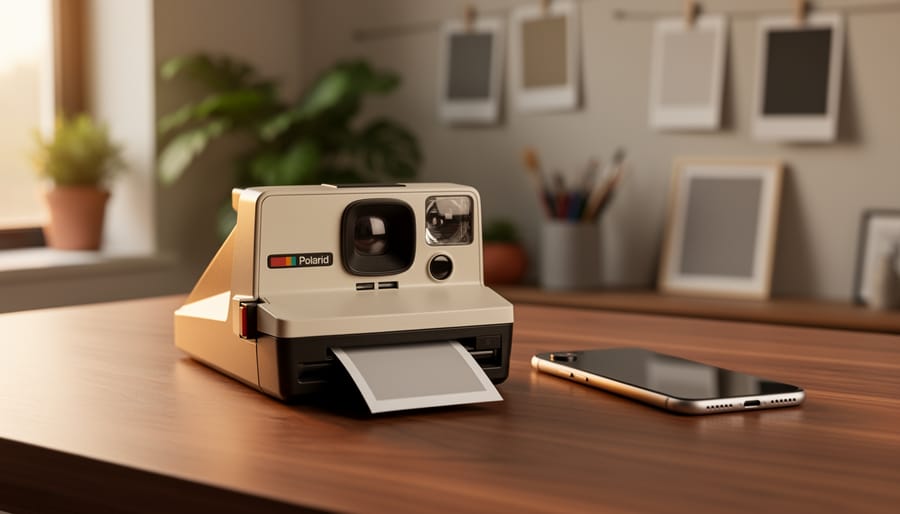
In an era where smartphone cameras deliver technically flawless images in milliseconds, instant analog cameras are experiencing a renaissance that defies digital logic. These mechanical marvels—cameras that expose light-sensitive film and eject fully developing photographs within seconds—offer something your phone never can: a physical artifact, chemical unpredictability, and the irreplaceable thrill of waiting for an image to materialize in your hands.
Unlike digital photography’s infinite do-overs, instant film photography demands intentionality. Each shot costs between $2-3, transforming casual snapshots into deliberate…
Why Home Film Developing Saves You Money and Makes You a Better Photographer
Developing film at home transforms your photography from a waiting game into an intimate, controlled craft. What once seemed like chemistry reserved for professionals now happens in spare bathrooms and kitchen corners worldwide, with photographers gaining complete creative control while saving money on lab fees.
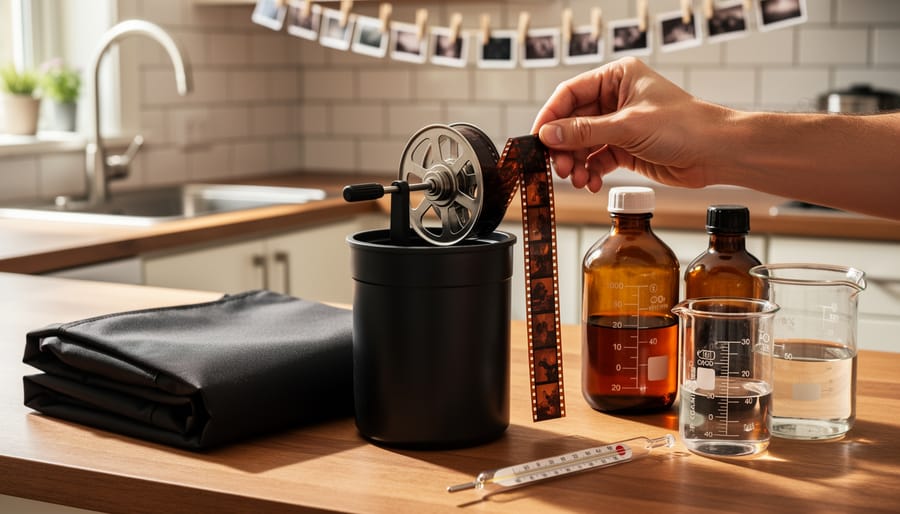
The barrier to entry sits lower than most imagine. A basic black-and-white setup requires roughly $100-150 in initial investment: a developing tank, reels, measuring cylinders, thermometer, and chemistry. You don’t need a darkroom—just a changing bag for loading film onto reels in complete darkness, then normal room …
Why Your Film Photography Needs a Darkroom (And How to Build One)
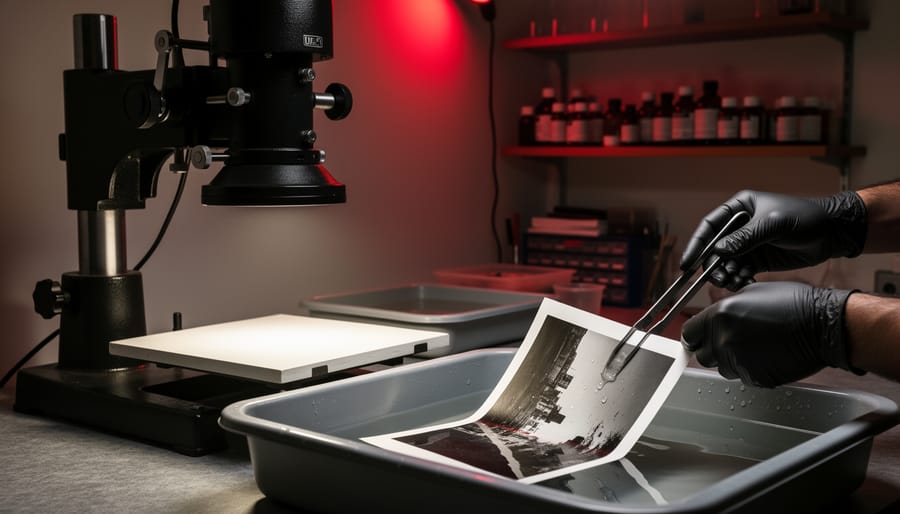
Standing in a darkroom watching an image slowly emerge in the developer tray creates a connection to photography that digital workflows simply cannot replicate. This hands-on process transforms your negatives into tangible prints through a series of chemical reactions you control entirely, making each print a unique physical object rather than another file on a hard drive.
The darkroom remains relevant because it offers complete creative control over your final image. When you adjust exposure time by seconds, dodge shadows with your hands, or burn in highlights with carefully shaped cards, you’re making artistic decisions that…
Why RA-4 Printing Still Delivers Colors Digital Can’t Match
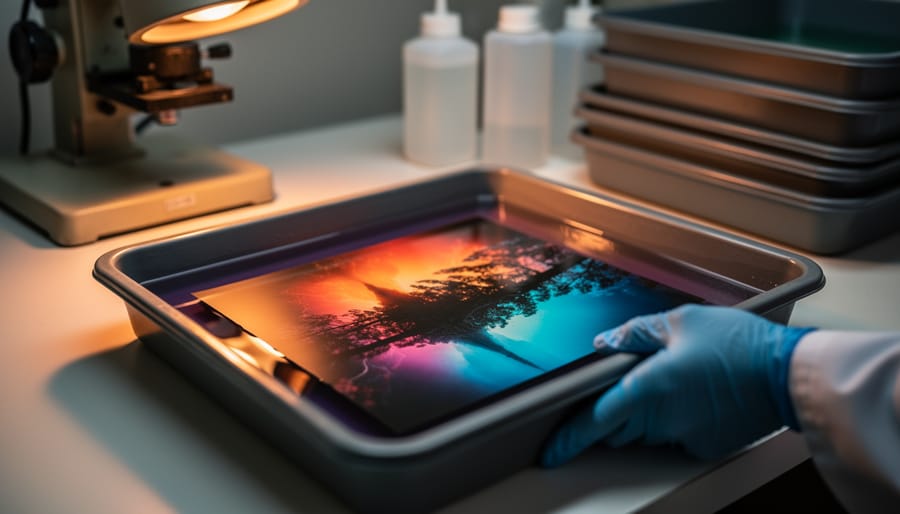
Understand that RA-4 is the chromogenic color process used to print from color negatives onto light-sensitive paper, creating vivid, archival-quality prints in your own darkroom. Unlike black and white printing, RA-4 demands precise temperature control—chemicals must stay within 0.5°F of the target temperature, typically around 95-100°F, making a good thermometer and temperature stabilization system non-negotiable investments. Master your test strip technique by exposing a single strip of paper in incremental time intervals (usually 5-second steps) under your enlarger, which reveals the correct base exposure before you fine-tune color …