Photography Ethics and Safety

Ethical considerations, safety practices, and responsible photography

Why yəhaw̓ is Changing How Photographers Work with Indigenous Communities

Recognize that photography within Indigenous communities isn’t just about technical skill—it’s about understanding that every image carries cultural weight, ancestral stories, and community trust. yəhaw̓ (pronounced “YEE-how”) Indigenous Creatives Collective emerged from this critical need, founded by Sweetmoon Photography’s Nadya Kwandibens in 2016 as a direct response to centuries of extractive visual practices that have been causing real harm to Indigenous peoples …

Why Your Indigenous Photography Could Be Causing Real Harm (And How to Fix It)

Approach Indigenous communities as a learner, not an extractor. Spend weeks or months building genuine relationships before raising your camera—attend community events without photographing, participate in daily activities, and listen far more than you speak. This ethnographic foundation transforms you from an outsider seeking exotic images into a trusted collaborator documenting stories that matter to the community itself.
Recognize that every photograph carries power dynamics rooted in colonialism. Historical photographers treated Indigenous peoples as subjects to be studied and specimens to be collected, creating images that …

When Photography Crosses the Line: What Every Photographer Needs to Know About Ethics

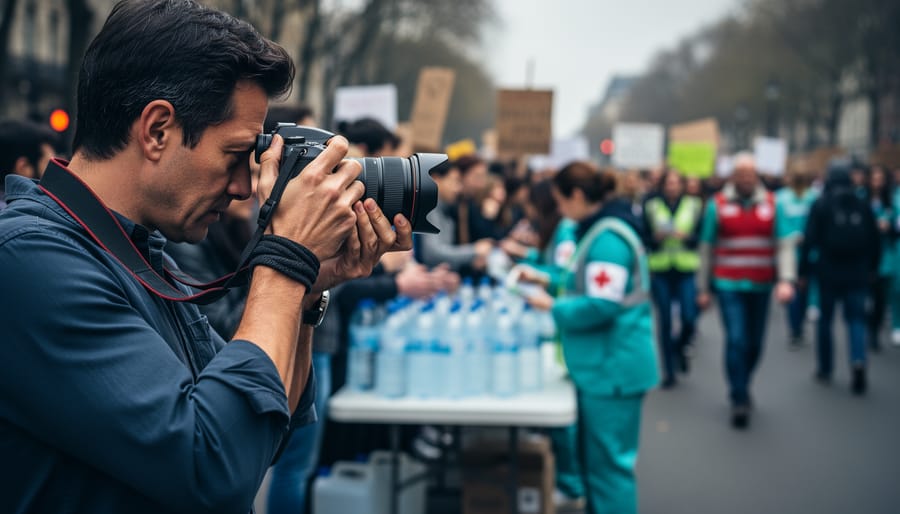
# The Split-Second Decisions That Define Truth: Understanding Photojournalism Ethics
A single photograph can topple governments, shift public opinion on wars, or immortalize human suffering—which is precisely why the ethics behind capturing these images matter more than ever. In 1994, Kevin Carter won a Pulitzer Prize for his photograph of a starving Sudanese child being stalked by a vulture, but the image also sparked a firestorm of criticism: Why didn’t he help? Should he have taken the photo at all? Carter’s tragic suicide months later underscored the profound weight photojournalists carry when documenting humanity…

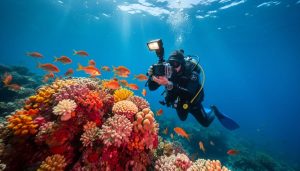
Ethical Underwater Photography: Protecting Marine Life While Capturing Amazing Shots

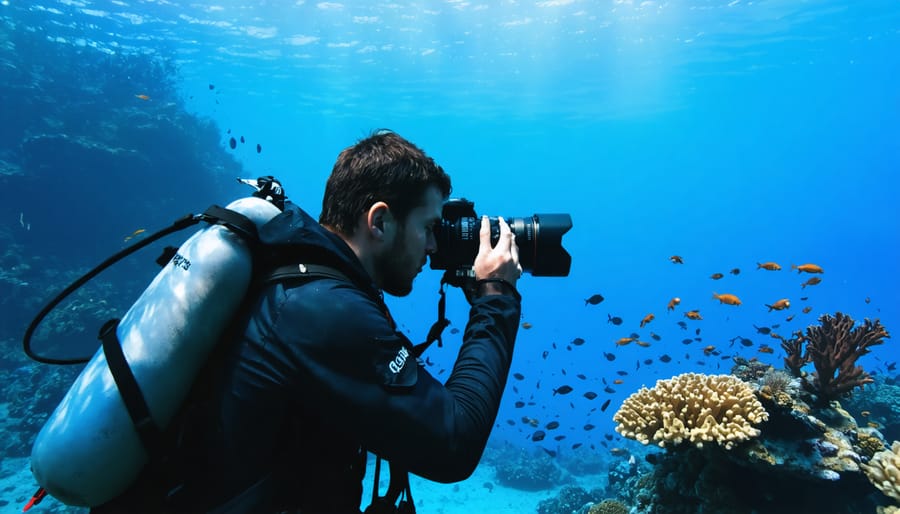
Photography’s power to capture truth comes with profound responsibility. In an age where images shape perceptions and influence behavior, wildlife photography ethics and broader photographic principles demand our careful consideration. Every click of the shutter represents a choice – not just about composition and exposure, but about respect, dignity, and environmental impact.
The ethical photographer navigates complex terrain: documenting reality without exploiting …

AI Ethics in Photography: Protecting Your Art in the Digital Age

As artificial intelligence reshapes photography, establishing an ethical AI framework isn’t just good practice—it’s essential for preserving the ethics behind the lens. Today’s photographers face unprecedented challenges: from AI-generated content competing with authentic imagery to algorithmic editing tools that can fundamentally alter reality. This transformation demands a structured approach to ethical AI implementation that balances innovation with integrity.
The intersection of AI and …

Drone Photography Ethics: Protecting Privacy While Capturing Perfect Shots

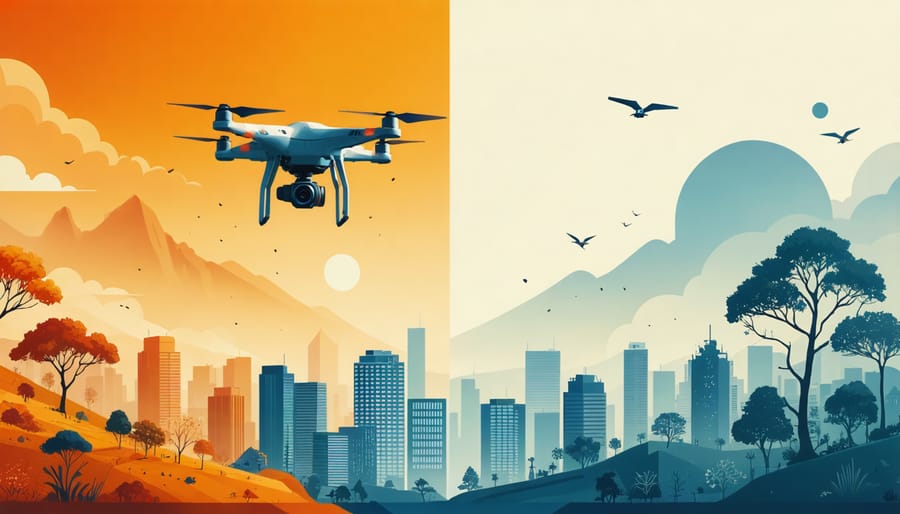
The ethical operation of unmanned aerial vehicles extends far beyond simple regulatory compliance, touching core principles of privacy, safety, and social responsibility. As drone technology revolutionizes photography and data collection, ethical considerations in photography have become increasingly complex. Drone operators must navigate a delicate balance between creative freedom and respect for individual privacy rights, while ensuring their aerial activities don’t disturb wildlife or compromise public safety….

Video Editing Ethics: Making Your Photos Tell the Truth

Video editing transforms raw footage into compelling stories, blending technical precision with creative artistry. In today’s digital landscape, post-production has become the cornerstone of professional content creation, whether you’re crafting viral social media clips or producing feature-length films.
Modern editing goes far beyond simple cuts and transitions. It encompasses color grading, sound design, motion graphics, and visual effects – each element working in harmony to create immersive viewing experiences. From Hollywood blockbusters to YouTube vlogs, the quality of post-production often determines a project&#…

Wildlife Photography’s Moral Compass: When Getting the Shot Crosses the Line

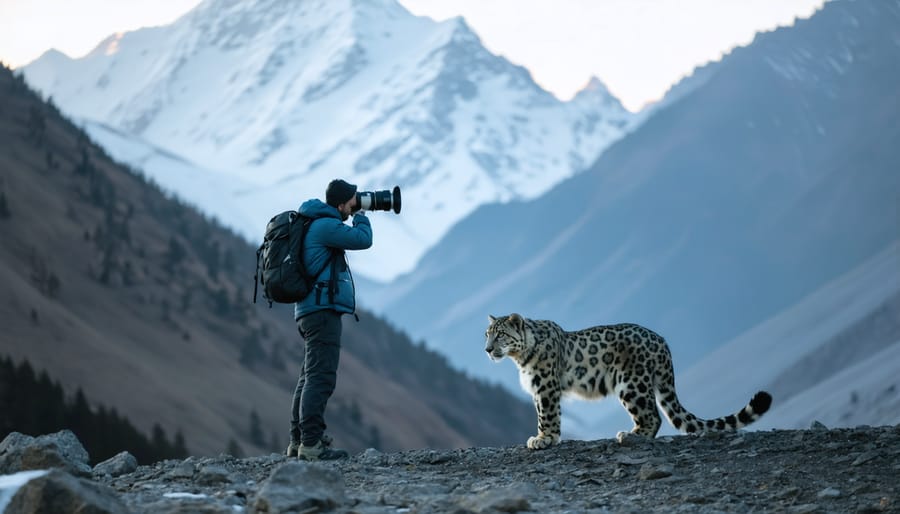
A snow leopard crouches in the Himalayan dawn, her breath visible in the frigid air. The camera shutter whispers, capturing both her raw power and vulnerability in a single frame. This delicate moment exemplifies the essence of wildlife photojournalism – where technical expertise meets wildlife photography ethics, creating visual stories that inspire conservation while respecting nature’s boundaries.
In an era where environmental storytelling has never been more …

Environmental Conservation Departments: A Photographer’s Gateway to Protected Areas

Venture into America’s natural treasures through the Department of Environmental Conservation (DEC) – a vital government agency safeguarding our wilderness while creating unique opportunities for environmental photojournalism and outdoor photography. Operating at both state and federal levels, DECs serve as the guardians of our public lands, managing everything from pristine wilderness areas to urban green spaces. These agencies not only protect wildlife and regulate natural resources but also provide …

Street Photography’s Ethical Dilemma: When Art Meets Privacy Rights

A photographer raises their camera on a busy street corner, and in that split second, they face a profound ethical dilemma. Street photography captures authentic human moments, but it treads a delicate line between artistic expression and personal public privacy rights. While legally protected in most public spaces, this raw, unfiltered documentation of daily life raises pressing questions about consent, dignity, and moral responsibility.
The debate intensifies as our increasingly connected world makes …