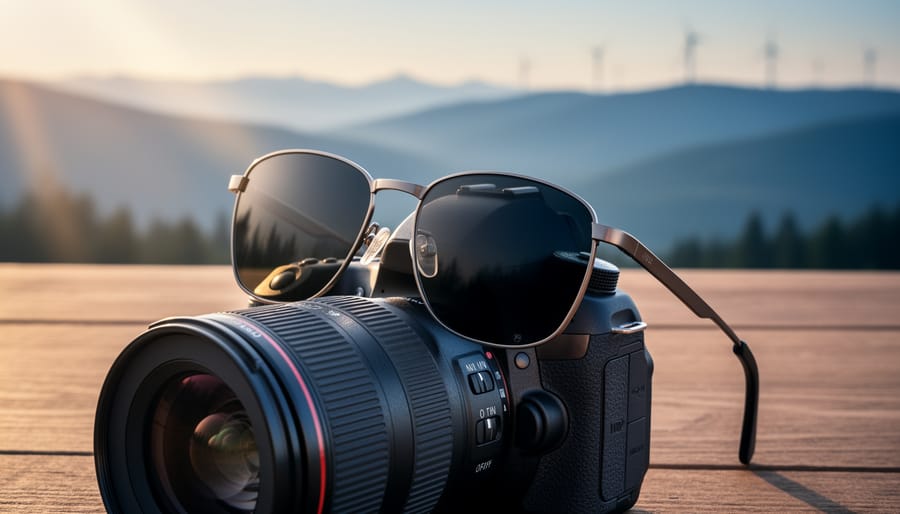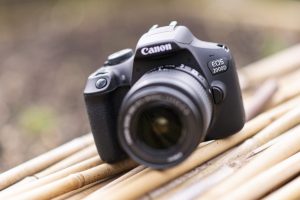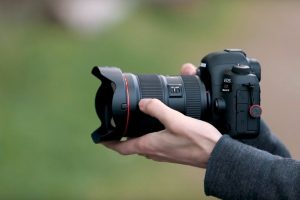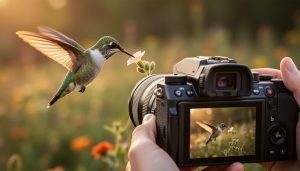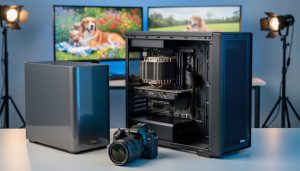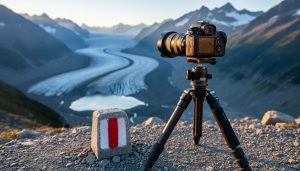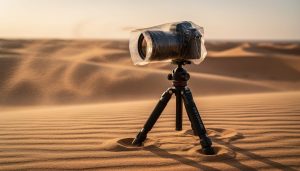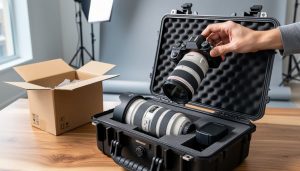
Store camera bodies and lenses in climate-controlled spaces with consistent temperature between 60-75°F and humidity levels around 40-50% to prevent mold growth and electronic component degradation. Use silica gel packets in your storage containers, replacing them every three months or when they change color to indicate moisture saturation.
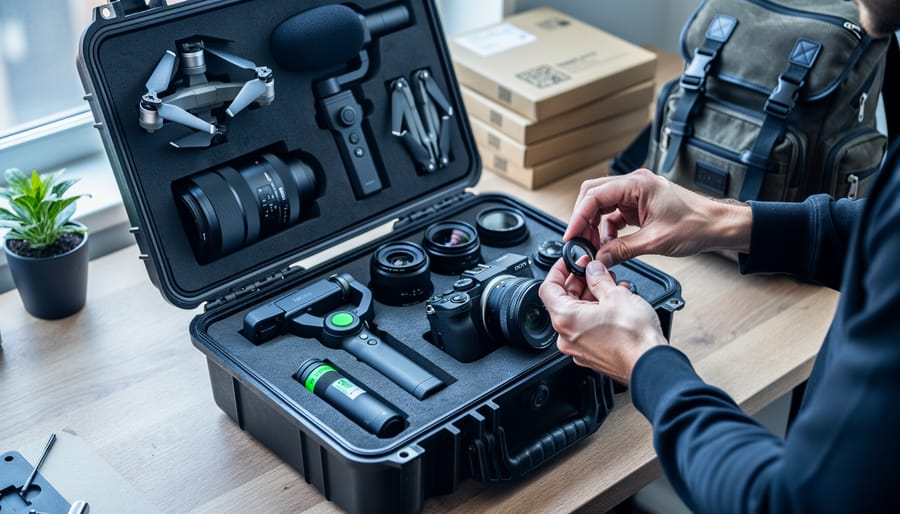
Organize gear in padded, impact-resistant cases with custom foam inserts that hold each item securely in place, preventing equipment from shifting during storage and causing internal damage. This approach to …
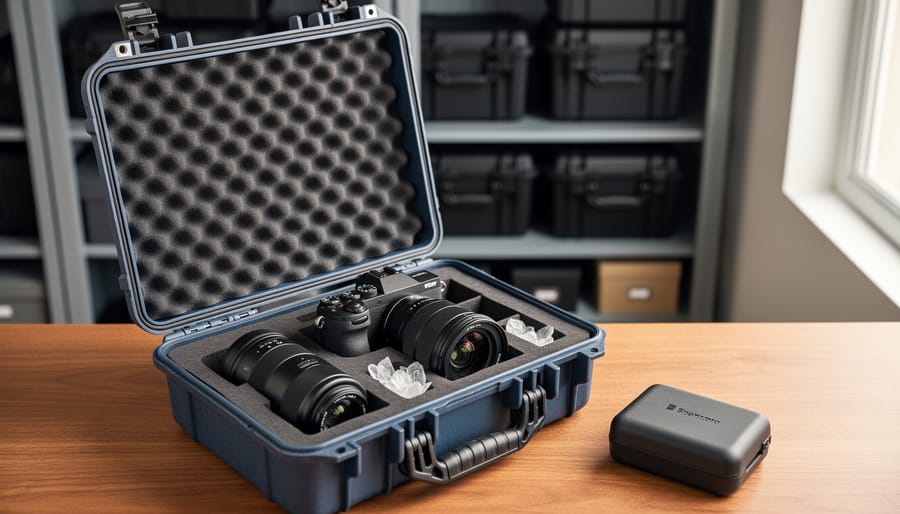
What’s Actually Inside Your Photochromic Lenses (And Why It Matters for the Planet)
Photochromic lenses contain silver halide crystals or organic photochromic molecules—typically indolino-spiropyrans or naphthopyrans—embedded within the lens material that react to ultraviolet light exposure. When UV rays hit these molecules, they undergo a reversible chemical transformation that darkens the lens, then return to their clear state once removed from sunlight. Understanding this composition matters because these chemical compounds directly impact both your visual experience and the planet’s health.
The silver compounds in traditional photochromic lenses pose recycling challenges since separating these …
Why Your Videography Gear Needs Insurance (And How It Protects the Planet)
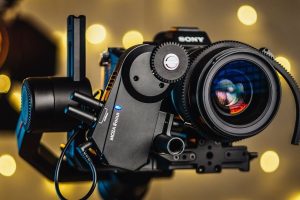
Protect your videography gear by purchasing comprehensive equipment insurance that covers theft, damage, and loss—policies typically range from $150-$500 annually depending on your gear’s total value. Contact specialized providers like Athos Insurance, TCP Insurance, or Hill & Usher who understand the unique needs of content creators and offer replacement value coverage rather than depreciated value.
Calculate your exact coverage needs by creating a detailed inventory spreadsheet with purchase dates, serial numbers, and current replacement costs for every camera body, lens, drone, stabilizer, and audio device you own. …
Stop Throwing Away Failed Prints: How 3D Printing Is Revolutionizing Camera Customization Sustainably
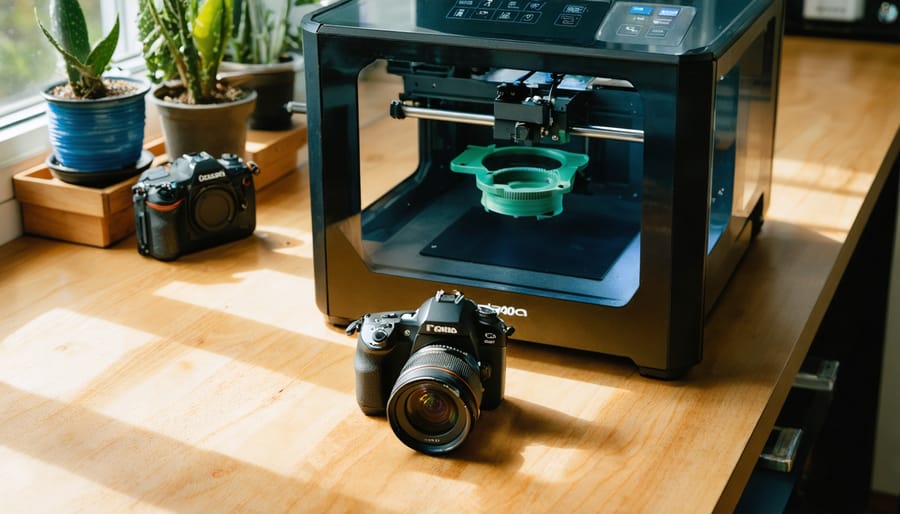
Picture your camera bag: lens caps that cracked after a single drop, battery grips with stripped threads, cold shoe adapters that never quite fit right. Now imagine printing exact replacements at home using materials made from cornstarch that’ll break down in your compost bin within months. This isn’t science fiction—it’s the reality of environmentally friendly 3D printing for photographers.
The photography industry generates significant plastic waste through disposable accessories, proprietary parts with planned obsolescence, and packaging that ends up in landfills. Meanwhile, 3D printing technology has evolved …
Photography Zines Are Reviving Sustainable Print Culture (And Your Workshop Needs One)
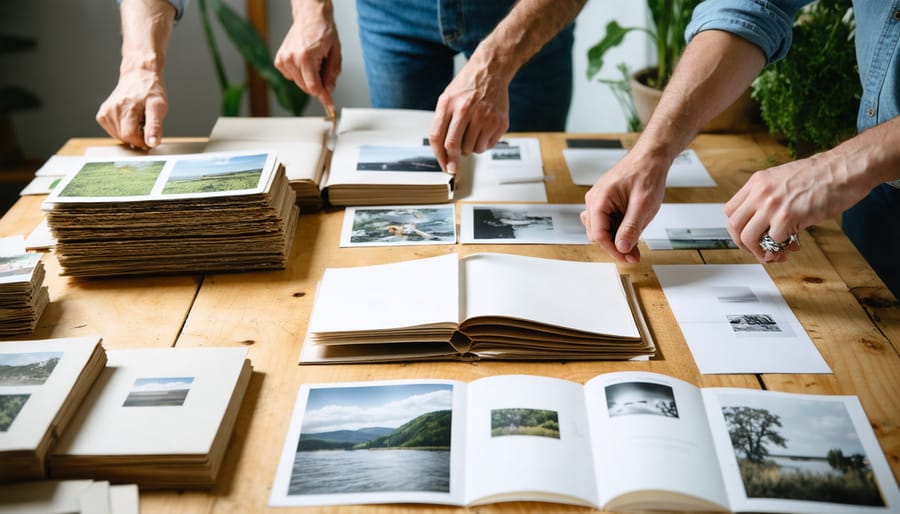
Discover photography zines as your gateway to sustainable, hands-on creative practice. These self-published, small-batch photobooks transform how photographers share work while minimizing environmental impact—no gallery walls, no mass printing, just authentic storytelling bound by hand or produced in limited runs.
Photography zines offer more than an alternative publishing method; they’ve become essential learning tools in sustainable photography practices. Unlike traditional portfolios …
How Japanese Camera Giants Are Revolutionizing Eco-Friendly Photography
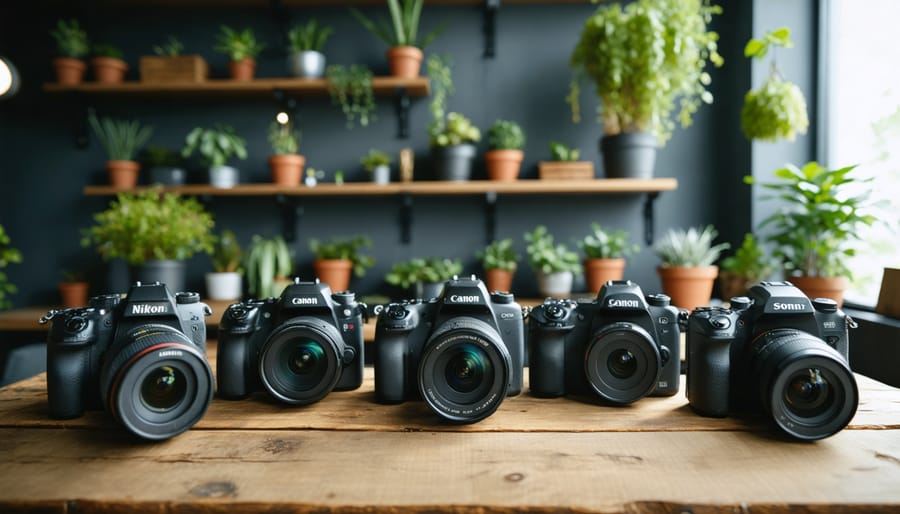
Japanese camera giants Nikon, Canon, and Sony have revolutionized sustainable manufacturing while setting new benchmarks for image quality. These eco-friendly camera manufacturers now lead the industry in both environmental stewardship and technological innovation, transforming how we think about responsible photography equipment production.
From Fujifilm’s groundbreaking recycled materials program to Olympus’s zero-waste facilities, Japanese manufacturers have reduced their carbon footprint by 40% since …
Nanotechnology Cameras: The Future of Eco-Friendly Photography is Here
Nanotechnology is revolutionizing digital photography with microscopic precision that seemed impossible just a decade ago. Leading eco-friendly camera manufacturers are now embedding nanoscale sensors and materials that capture up to 40% more light while using 60% less energy than traditional camera systems. These molecular-level innovations enable unprecedented image quality in low-light conditions while significantly reducing the environmental impact of both production and operation.
The integration of carbon …
Sustainable Nature Photography: Making Your Gear Earth-Friendly
Selecting the right nature photography equipment demands both technical precision and commitment to sustainable photography practices. From weather-sealed camera bodies that withstand harsh environments to professional-grade telephoto lenses that capture wildlife from safe distances, each piece of equipment serves a distinct purpose in the field. Modern nature photographers balance cutting-edge technology with environmental responsibility, choosing gear that’s both powerful and built to last. Whether documenting …
Eco-Friendly Action Cameras That Won’t Cost the Earth
Transform your adventure photography with wearable action cameras – the ultimate tools for capturing immersive, hands-free footage while maintaining sustainable photography practices. These compact powerhouses have revolutionized how we document everything from extreme sports to daily adventures, offering perspectives that were once impossible to achieve.
Gone are the days when capturing dynamic action meant risking expensive equipment or missing the moment entirely. Today’s…
Why Eco-Conscious Lenses Matter (And What Makes Them Different)
In today’s climate-conscious world, choosing eco-conscious photography equipment has become a crucial consideration for photographers committed to environmental stewardship. The term “eco-conscious” in photography extends beyond mere marketing—it encompasses the entire lifecycle of photographic equipment, from sustainable manufacturing processes to biodegradable packaging and responsible end-of-life disposal options. Modern eco-friendly lenses incorporate recycled materials, lead-free glass …