
 By
By 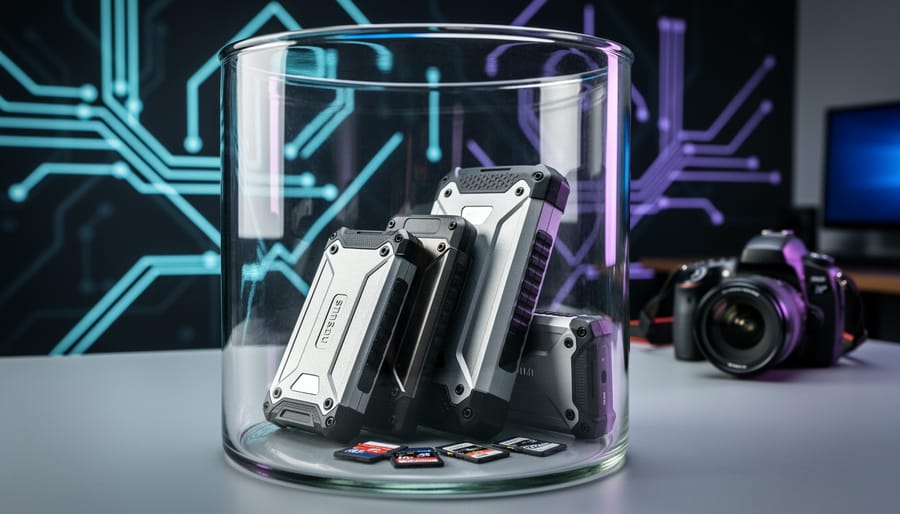
Your photo archives face a genuine threat that’s closer than most photographers realize. Quantum computers capable of breaking today’s encryption methods could emerge within the next decade, and adversaries are already harvesting encrypted data now to decrypt later—a strategy called “store now, decrypt later.” Those RAW files, client galleries, and cloud backups you’re protecting with standard encryption today could be exposed tomorrow, even if you encrypted them properly.
Quantum-safe encryption—also called post-quantum cryptography—uses mathematical algorithms that remain secure against both classical and quantum computer attacks. Unlike traditional encryption methods such as RSA and ECC, which quantum computers can theoretically break using Shor’s algorithm, quantum-resistant algorithms rely on complex mathematical problems that even quantum systems struggle to solve efficiently. Think of it as future-proofing your digital vault before the lock-picking technology arrives.
The threat isn’t hypothetical anymore. In 2022, IBM unveiled a 433-qubit quantum processor, and experts estimate cryptographically relevant quantum computers could materialize by 2030—possibly sooner. For photographers storing irreplaceable work, client contracts, or sensitive location metadata, this timeline demands attention. A decade sounds distant until you consider that wedding photos from 2015 still hold commercial and emotional value today, and landscape photographers regularly license images shot twenty years ago.
The good news? You don’t need a computer science degree to protect your archives. Quantum-safe solutions are becoming accessible through updated encryption standards and practical tools designed for everyday users. This guide explains how quantum computing threatens your current security practices, what quantum-safe encryption actually means for your photography workflow, and concrete steps you can implement now to protect your visual legacy for decades to come.
The Quantum Threat to Your Photos Isn’t Science Fiction Anymore

Why Current Encryption Will Fail
Right now, your photo library is protected by encryption that works a bit like a massive jigsaw puzzle. When you encrypt photos with today’s standard methods—like RSA encryption used in cloud storage and secure file transfers—your system scrambles the data using mathematical problems that are incredibly difficult to solve. Think of it as breaking your image into billions of tiny pieces that only fit back together with the right key.
Current computers would need thousands of years to try every possible combination to crack strong RSA encryption. That’s why your photography backup workflow feels secure today—the math protecting your files is practically unbreakable with traditional computing power.
But quantum computers change everything. Instead of checking each puzzle piece one at a time like regular computers, quantum computers can examine multiple possibilities simultaneously thanks to quantum mechanics. It’s like having millions of people working on that jigsaw puzzle at once instead of just one person.
Specifically, quantum computers can run an algorithm called Shor’s algorithm, which breaks down the mathematical foundations of RSA encryption exponentially faster. What would take a conventional computer millennia could take a powerful quantum computer just hours or days. Every photo you’ve ever encrypted with current standards—every RAW file, every client gallery, every archived project—becomes vulnerable.
This isn’t science fiction anymore. IBM, Google, and other tech giants already have working quantum computers, though they’re not yet powerful enough to crack modern encryption. Experts estimate we’re roughly 10-15 years away from “Q-Day”—the point when quantum computers can break today’s encryption standards.
The Timeline: When Should You Actually Worry?
The question everyone asks is: when will quantum computers actually break today’s encryption? Most experts point to a timeframe between 2030 and 2040, though some estimates stretch to 2050. That might sound like plenty of time, but here’s the catch that should concern photographers: the “harvest now, decrypt later” problem.
Bad actors are already collecting encrypted data today with the intention of decrypting it once quantum computers become available. Think about your photo archive. Those images you’re encrypting now to protect client privacy, unreleased work, or personal memories could be intercepted and stored by someone willing to wait a decade or two. Wedding photos from 2024 might be decrypted in 2035. That decade-old street photography project you kept private could become vulnerable retroactively.
The National Institute of Standards and Technology (NIST) recognized this urgency and finalized quantum-resistant encryption standards in 2024, urging organizations to begin transitioning immediately. For photographers with archives intended to last decades or longer, the time to act is now, not when quantum computers arrive. Your encrypted backup from today needs protection that will still work in 2045.
What Quantum-Safe Encryption Actually Means for Photo Storage
Lattice-Based Cryptography: The Leading Solution
Among the various quantum-resistant encryption methods being developed, lattice-based cryptography has emerged as the frontrunner, and the good news is you don’t need to understand the complex mathematics to grasp why it matters for your photo archives.
Think of lattice-based encryption like this: imagine trying to find a specific grain of sand on a beach by only knowing its approximate location. Traditional encryption is like hiding that grain on a small beach where quantum computers could eventually search every square inch. Lattice-based cryptography creates a beach so vast and with so many similar-looking grains that even quantum computers would need impractical amounts of time and energy to find the right one.
What makes this approach particularly promising for photographers is its efficiency. Unlike some quantum-resistant methods that create massive file sizes or slow down your workflow, lattice-based systems can encrypt your RAW files, catalogs, and cloud backups without significantly impacting performance. You won’t notice much difference when uploading your wedding shoot to encrypted cloud storage or backing up your Lightroom catalog.
The National Institute of Standards and Technology selected lattice-based algorithms as primary standards for post-quantum cryptography in 2022, which means major cloud storage providers and backup software companies are already implementing these solutions. This isn’t experimental technology anymore.
For your practical purposes, lattice-based encryption will likely arrive transparently through software updates to the cloud services and backup tools you already use. When Dropbox, Google Drive, or your preferred photo storage platform upgrades their security infrastructure, lattice-based cryptography will probably be working behind the scenes, protecting your images without requiring any action on your part.
What This Means for Your Workflow
Switching to quantum-safe encryption will impact your day-to-day photography workflow in several tangible ways, though most changes will be relatively minor compared to the security benefits you’ll gain.
First, expect slightly larger file sizes. Quantum-safe algorithms typically generate larger encryption keys and metadata, which means your encrypted backup files will consume about 10-20% more storage space. If you’re backing up a 500GB photo library, you might need an extra 50-100GB. For most photographers with terabyte-scale drives, this trade-off is manageable, but it’s worth factoring into your storage budget planning.
Processing speed represents another consideration. Encrypting and decrypting files will take marginally longer with quantum-safe algorithms—we’re typically talking seconds rather than minutes for most operations. When backing up your latest shoot of 200 RAW files, you might notice an extra 30-60 seconds of processing time. For real-time workflows where you’re accessing encrypted archives frequently, this slight delay becomes part of your routine.
Compatibility poses the biggest near-term challenge. Most existing photo management software hasn’t yet integrated quantum-safe encryption natively. This means you’ll likely need to use separate encryption tools or wait for software updates from companies like Adobe, Capture One, or Photo Mechanic. Some photographers are already using hybrid approaches—maintaining their current workflow while adding an extra quantum-safe encryption layer specifically for long-term archive storage rather than active working files. This compartmentalized strategy lets you protect what matters most without disrupting your entire editing pipeline.
Real-World Impact: How Photo Libraries Are Actually Vulnerable

Cloud Storage Services and Future-Proofing
Most photographers today rely heavily on cloud storage services, but here’s the uncomfortable truth: your photos stored in Adobe Creative Cloud, Google Photos, Dropbox, or similar platforms are only as secure as the encryption those companies implement. Currently, these services use standard encryption protocols like AES-256, which works perfectly fine against today’s threats but may become vulnerable to quantum attacks in the future.
The challenge with cloud storage is that you’re essentially trusting these companies to upgrade their security infrastructure before quantum computers become a real threat. Google has already begun testing quantum-resistant encryption algorithms for some services, and Dropbox has participated in industry initiatives exploring post-quantum cryptography. Adobe, meanwhile, hasn’t publicly announced specific quantum-safe measures for Creative Cloud storage.
Here’s what makes this particularly concerning for photographers: photos you upload today might remain stored for decades. That honeymoon shoot from 2024, your portfolio work, or client files could theoretically be harvested by adversaries now using a “store now, decrypt later” approach, waiting for quantum computers to crack today’s encryption.
The good news? You’re not powerless. While waiting for cloud providers to implement quantum-safe encryption, consider encrypting sensitive photos locally before uploading them. Tools like Cryptomator or VeraCrypt let you create encrypted containers that you control. Pair this with a robust backup system that includes offline storage, ensuring you’re not solely dependent on cloud providers’ security decisions for your most valuable photographic work.
Client Delivery and Portfolio Security
For professional photographers, the stakes are particularly high when delivering finished work to clients and securing portfolio archives. Consider a wedding photographer who’s just delivered a high-resolution gallery to a couple getting married in 2024. That encrypted delivery, protected by today’s standard encryption, could theoretically be intercepted and stored by someone with the foresight to wait for quantum computers. In ten years, those intimate moments could be decrypted and exposed without authorization.
The same concern applies to commercial photographers working with brands on unreleased campaigns, or editorial photographers documenting sensitive subjects. Your client delivery systems, whether through custom portals, cloud storage links, or encrypted file transfers, rely on encryption that quantum computers will eventually break. While your contract might end after delivery, your ethical responsibility for protecting that content doesn’t.
Portfolio protection presents another dimension. Many photographers maintain encrypted archives of their best work, sometimes for decades before publication. A documentary photographer working on a long-term project, for instance, might encrypt raw files containing sensitive material. That archive’s security depends on encryption remaining unbreakable throughout its storage lifetime.
The practical solution involves transitioning to quantum-safe delivery methods now, before the threat materializes. Several cloud storage providers are beginning to offer quantum-resistant encryption options. When selecting client delivery platforms, prioritize services that explicitly support post-quantum cryptographic algorithms. For portfolio archives, consider re-encrypting critical files using quantum-safe methods, treating it like any other format migration necessary for long-term preservation.
Taking Action: Protecting Your Photo Archive Today

What Major Services Are Doing (And What They’re Not)
The reality check? Most major photo storage platforms haven’t yet implemented quantum-safe encryption, but the landscape is starting to shift.
Google Photos, currently one of the largest consumer platforms, uses AES-256 encryption for stored images and TLS for data in transit. While robust today, these methods remain vulnerable to future quantum attacks. Google’s parent company Alphabet has publicly invested in quantum-resistant algorithms and participates in NIST standardization efforts, but they haven’t announced specific timelines for implementing quantum-safe encryption across Google Photos.
Apple iCloud Photos follows a similar trajectory. Apple encrypts your photos on their servers using standard algorithms and has been vocal about security and privacy, but quantum-safe encryption hasn’t rolled out to consumer photo storage yet. However, Apple did implement post-quantum cryptography for iMessage in 2024, suggesting they’re taking the threat seriously and may extend these protections to iCloud services eventually.
Adobe Creative Cloud, used by many professional photographers for Lightroom backups and cloud syncing, also relies on traditional encryption methods currently. Adobe hasn’t made public announcements about quantum-safe transitions for their storage infrastructure.
Smaller, specialized services like SmugMug and Zenfolio remain in the same boat. The encouraging news is that once NIST’s quantum-resistant standards become finalized and widely adopted, implementation across platforms should accelerate. For now, though, your photo archives on mainstream platforms are secured with yesterday’s encryption, facing tomorrow’s threats.
Immediate Steps You Can Take
The good news? You don’t need to wait for quantum computers to arrive before taking action. Several practical steps can strengthen your photo archive security right now, preparing you for a post-quantum world.
Start by auditing your current digital photo storage setup. Which encryption methods are you using? If you’re relying solely on older standards like AES-128 without any additional layers, it’s time to upgrade. Most modern backup solutions now support AES-256, which provides better protection even against conventional threats.
Consider implementing a hybrid encryption approach today. Tools like Cryptomator and VeraCrypt allow you to add extra encryption layers to your cloud storage. For instance, you might encrypt your photo library locally using VeraCrypt before uploading to cloud services. This creates defense-in-depth, where breaking one layer doesn’t expose everything.
Several cloud storage providers are already testing quantum-resistant algorithms. Keep an eye on services like ProtonDrive and Tresorit, which have announced roadmaps for post-quantum cryptography integration. When choosing new storage solutions, ask vendors about their quantum-readiness plans.
For immediate workflow adjustments, adopt the 3-2-1 backup rule with encryption at every level: three copies of your data, on two different media types, with one off-site. Encrypt each backup independently using the strongest available algorithms. This diversification means even if one encryption method becomes vulnerable, your other copies remain protected while you migrate to newer standards.
Building a Long-Term Security Strategy
Protecting your photo archives requires thinking beyond today’s threats. Start by monitoring quantum-resistant encryption developments—organizations like NIST are finalizing post-quantum cryptographic standards that will become industry benchmarks. Look for storage providers and backup solutions announcing quantum-safe implementations, though recognize this transition will take several years.
Create a migration timeline now. Review your current encryption methods annually and plan upgrades as quantum-safe options mature. For critically valuable work—award-winning portfolios, commercial client archives, or irreplaceable personal collections—prioritize adopting these new standards early. Less critical images can follow on a phased schedule.
Document your security approach. Maintain records of which encryption methods protect different archives and when you implemented them. This helps you identify vulnerable collections as threats evolve.
Partner with providers committed to security innovation. When choosing cloud services or network-attached storage, ask about their quantum-readiness roadmap. Companies investing in future security will better future-proof your collection.
Remember, building quantum resistance is a journey, not a destination. Stay informed through photography technology forums and security blogs, adjusting your strategy as both threats and solutions evolve.
The Access Management Challenge in a Quantum-Safe World
Multi-Device Access Without Compromising Security
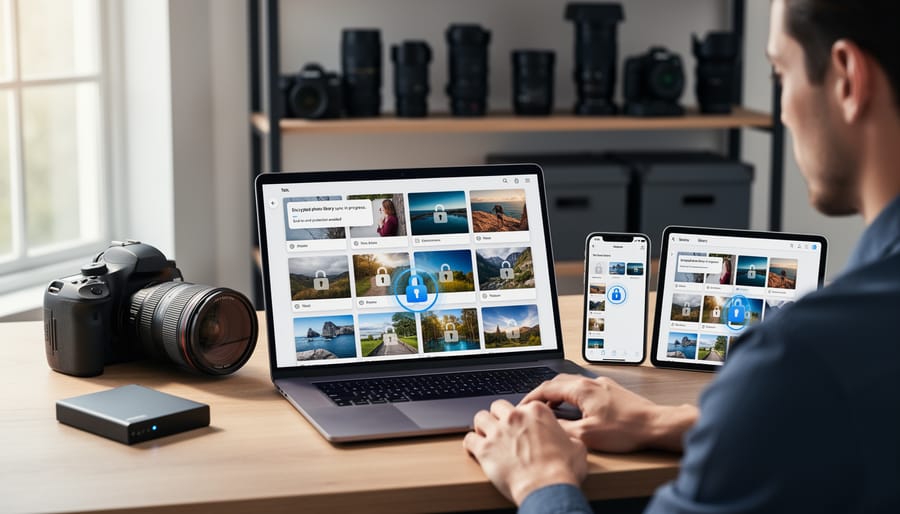
One of the biggest practical challenges with quantum-safe encryption is maintaining convenient access to your photos across all your devices without creating security vulnerabilities. The good news? Modern solutions have cracked this problem.
Think of it like having a master key system for your house. With quantum-safe solutions, your encryption keys can be securely synchronized across devices using what’s called “key derivation.” You authenticate once on each device (using a strong passphrase or biometric), and the system generates device-specific encryption keys from your master credentials. This means your laptop, phone, and tablet can all decrypt your photo library without actually storing or transmitting your master key.
Cloud storage services implementing quantum-safe protocols like Kyber typically use a combination of encrypted key vaults and secure element chips (similar to what’s in your credit cards). When you access photos on your iPad, for instance, the quantum-safe key exchange happens in the background, invisible to you but impenetrable to attackers.
For photographers who work across multiple platforms, solutions like Cryptomator and NordLocker are already testing post-quantum algorithms in their apps. The workflow remains identical—drag, drop, sync—but the underlying mathematics protecting your files becomes quantum-resistant. You authenticate, your devices communicate securely, and your decades of irreplaceable images stay protected without adding friction to your creative workflow.
Sharing and Collaboration Considerations
Quantum-safe encryption introduces new considerations for photographers who regularly share work with clients and collaborators. The most immediate impact appears in client gallery platforms and file-sharing services. When you send a portfolio link or share RAW files through cloud services, that data travels through multiple encryption layers. As these platforms transition to quantum-resistant algorithms, you may notice compatibility changes or requirements to update client-facing software.
For collaborative editing workflows, the shift matters because your studio might use quantum-safe encryption while your retoucher or assistant uses traditional methods. This creates a transition period where you’ll need to ensure everyone in your workflow chain can decrypt and access shared files. Some platforms may run hybrid systems supporting both encryption types simultaneously, but this adds complexity to permissions and access management.
Password-protected galleries present another consideration. If you currently share sensitive client work through encrypted gallery links, verify whether your hosting platform has quantum-safe roadmap plans. Wedding photographers and commercial shooters handling confidential pre-release images should prioritize platforms announcing post-quantum cryptography implementations. The practical advice: audit your sharing workflows now, identify which services handle your most sensitive work, and contact those providers about their quantum-safe transition timeline. This preparation ensures your collaborative processes won’t face disruption as the industry standardizes new encryption methods.
The quantum threat to your photo archives is real, but it’s not a reason to panic—it’s a reason to act thoughtfully. Think of this transition like the shift from film to digital or from magnetic tape to solid-state storage. Those who prepared gradually fared better than those who waited until their old systems failed.
Here’s what matters most: quantum-safe encryption isn’t something you need to implement overnight, but it should be on your radar today. If you’re storing images with sensitive metadata—client information, location data from private shoots, or proprietary techniques embedded in your files—now is the time to assess your current security practices and begin planning your transition.
Start small. Choose one cloud provider or backup solution that’s already implementing post-quantum cryptography. Test it with a portion of your archive. Document your workflow changes. As quantum-safe solutions become standard across the industry over the next few years, you’ll already understand how they integrate with your photography business.
The photographers who will thrive in this new era aren’t necessarily the most technically sophisticated—they’re the ones who stay informed and adapt incrementally. Your images represent countless hours of creative work, irreplaceable moments, and potentially decades of professional value. Protecting them with forward-thinking security isn’t just about defense; it’s about ensuring your creative legacy remains intact and accessible on your terms. The future of photography security is already being written, and you have the opportunity to be ahead of the curve rather than scrambling to catch up.




 By
By