 By
By 
Create a simple post-session follow-up sequence that begins within 24 hours of every shoot. Send a personal thank-you message, deliver a sneak peek image within three days, and include your full gallery within two weeks. This consistent timeline sets professional expectations and keeps you top-of-mind during the crucial post-shoot period when clients are most excited about their experience.
Design a tiered loyalty reward system that acknowledges repeat business without complicated point tracking. Offer returning clients exclusive perks like priority booking during peak seasons, complimentary engagement sessions when they book wedding coverage, or a free family portrait update after their newborn session. These tangible benefits transform satisfied customers into long-term partners who automatically think of you for their next milestone.
Build strategic touchpoints throughout the year using a content calendar that reaches beyond promotional messages. Share seasonal photography tips, celebrate your clients’ anniversaries and birthdays with personalized notes, and create exclusive previews of new services or package offerings. This approach positions you as a trusted resource rather than just a vendor, fostering genuine relationships that naturally lead to rebookings and referrals.
Implement a referral program that rewards both existing and new clients with meaningful incentives aligned with your brand values. Instead of generic discounts, offer print credits, complimentary add-on services, or exclusive mini-session access. Make the referral process effortless by providing clients with shareable digital cards or simple referral links they can text to friends. When clients become active advocates for your work, they’re investing in an ongoing relationship rather than completing a single transaction.
The Real Reason Clients Don’t Come Back
Here’s a story that might sound familiar: Sarah, a wedding photographer with five years of experience, couldn’t understand why her calendar felt like a rollercoaster. One season she’d be fully booked, the next she’d be scrambling for clients. She assumed her prices were too high or that her work wasn’t standing out anymore. So she lowered her rates and invested thousands in new gear and training workshops.
The bookings didn’t improve. Why? Because Sarah, like most photographers, had misdiagnosed the problem entirely.
Research consistently shows that only about 14% of clients leave because they’re unhappy with the product or service quality. Price concerns? That accounts for roughly 9%. The real culprit behind client defection is far more personal and preventable: 68% of clients leave because they feel ignored or forgotten after the initial transaction.
Think about your own client experience. You probably bend over backwards during the booking process and shoot day. You deliver gorgeous images on time. Then what? Radio silence until they happen to need another photographer, at which point they’ve already forgotten about you and moved on to whoever pops up first in their Instagram feed or Google search.
This isn’t about your photography skills or your marketing strategies. It’s about basic human psychology. People want to feel valued beyond the transaction. When you disappear after delivering the final gallery, you’re essentially telling clients they were just a payday, not a relationship worth maintaining.
Marcus, a family portrait photographer in Toronto, learned this lesson after losing three long-term clients in one month. Each family cited the same reason when he followed up: they didn’t think he was still in business because they never heard from him. He was actively working and posting regularly on social media, but these clients weren’t seeing his content. They needed direct, personal touchpoints to remember the connection they’d built during their sessions.
The uncomfortable truth is that great photography alone doesn’t guarantee loyalty. Your clients have dozens of photographers in their feeds creating beautiful work. What they don’t have are dozens of photographers who remember their names, ask about their kids, and stay genuinely connected between sessions.

What a Client Retention Program Actually Is (And Isn’t)
The Difference Between Client Service and Client Retention
Here’s the truth many photographers miss: delivering beautiful images on time with a smile isn’t client retention—it’s just good client service. And yes, that matters enormously. Being responsive, showing up prepared, and handing over a gorgeous gallery creates happy clients. But happiness alone doesn’t guarantee they’ll book you again.
Client service is what happens during the engagement. Retention is the intentional system you build for afterward. Think of it this way: service is answering emails promptly and nailing the exposure in every shot. Retention is sending that same client a personalized note on their first anniversary with a special offer for updated portraits.
Here’s a practical example. You photograph a family’s newborn session. Excellent service means capturing those fleeting moments beautifully and delivering them within your promised timeline. Client retention means following up six months later when that baby is sitting up, then again at their first birthday. It’s remembering their older daughter starts kindergarten next fall and reaching out about back-to-school portraits.
The distinction matters because most photographers stop after delivery, assuming great work will bring clients back organically. Sometimes it does. But retention programs create predictable, repeatable bookings by staying meaningfully connected to past clients long after you’ve collected payment.
Building Your Client Retention Framework
Map Your Client Journey Beyond the Transaction
Think of your client relationship as a journey with distinct stages, not just a one-time transaction. Most photographers focus exclusively on the booking-to-delivery phase, but that’s only a fraction of the story. The truth is, clients can slip away at multiple points along the way, and identifying these critical moments is your first step toward building a meaningful retention program.
Start by grabbing a piece of paper and mapping out every single interaction a client has with your business. Begin with the initial inquiry—that first email or contact form submission. Then trace the path: consultation call, contract signing, payment processing, session scheduling, pre-session communication, the shoot itself, sneak peek delivery, full gallery reveal, product ordering, final delivery, and then what? For many photographers, the journey ends there, but it shouldn’t.
Continue mapping those post-delivery touchpoints. What happens one month later? Six months? A year? If your answer is “nothing,” you’ve just identified your biggest gap. Clients don’t forget you because they’re ungrateful; they forget because you’ve gone silent.
Here’s a practical exercise: next to each touchpoint, write down the last time you intentionally designed that experience. Many photographers discover they’ve automated the business-critical steps but completely neglected the relationship-building moments. The holiday card you never sent, the first anniversary note that never happened, the simple check-in three months post-wedding—these gaps are where clients drift away.
Now look for patterns. Where do inquiries go cold? When do past clients stop responding to your emails? These drop-off points aren’t failures; they’re opportunities. Each gap you identify becomes a chance to add a thoughtful touchpoint that keeps you connected and keeps them coming back.

Create Meaningful Touchpoints That Actually Matter
The secret to client retention isn’t flooding inboxes with automated emails. It’s creating genuine moments of connection that remind clients why they loved working with you in the first place.
Start with the simplest yet most powerful touchpoint: the anniversary card. One year after their session, send a physical card featuring their favorite image from the shoot. Include a handwritten note mentioning something specific you remember about their day. “I still think about how your daughter wouldn’t stop giggling during that sunset moment” beats “Hope you’re well!” every single time. This personal touch often triggers immediate rebookings for annual family sessions.
Birthday acknowledgments work beautifully, but elevate them beyond generic greetings. Send clients a behind-the-scenes photo from their session they haven’t seen before, something candid or outtake-quality that captures authentic emotion. These “vault images” feel like discovered treasures and cost you nothing but a few minutes.
Exclusive client events create community around your brand. Host an annual client appreciation evening at a local gallery or park. Keep it intimate, maybe 20-30 families, with no sales pitch involved. These gatherings strengthen relationships while naturally facilitating building your photography network through word-of-mouth introductions between satisfied clients.
Sneak peeks of new offerings make existing clients feel valued as insiders. Before publicly announcing a new service like outdoor maternity sessions or pet photography, give past clients first access with a special rate. This VIP treatment reinforces their status as priority customers.
Seasonal mini-session invitations work when positioned correctly. Rather than mass-marketing these, offer them as “thank you” opportunities to previous clients at discounted rates before opening slots publicly. Frame it as early access rather than another sales pitch.
The golden rule: quality trumps quantity. Three meaningful touchpoints annually outperform monthly automated emails. Choose moments that feel natural and authentic to your photography style and personality. If handwritten cards aren’t your thing, maybe personalized video messages are. The medium matters less than the genuine intention behind it.
The Value-Add Strategy: Give Before You Ask
The most effective retention programs share a common principle: they focus on giving value rather than asking for sales. When you consistently provide helpful resources to past clients, you stay top-of-mind without coming across as pushy.
Wedding photographer Sarah Chen sends her couples a “Preserving Your Memories” email series at strategic intervals after their big day. At one month, they receive a guide on selecting images for albums. At six months, she shares tips on displaying prints in their home. At their one-year anniversary, she sends framing recommendations and a special offer on anniversary portraits. Each email provides genuine value first, with booking opportunities mentioned naturally as next steps.
Portrait photographer Marcus Williams takes a different approach with his family clients. He creates seasonal style guides four times per year, featuring wardrobe coordination tips and location suggestions for different times of year. These guides subtly showcase his recent work while helping families prepare for future sessions. The result? Many families book annually because they’ve learned to anticipate and value his creative direction.
Commercial photographers can apply this too. Product photographer Elena Rodriguez sends her e-commerce clients quarterly reports on photography trends in their specific industry, including data on how image styles affect conversion rates. She’s positioning herself as a strategic partner, not just a service provider.
The key is identifying what your specific clients need after the initial transaction. Think about questions they commonly ask, challenges they face with their images, or knowledge gaps you can fill. Then create simple, repeatable systems to deliver that value consistently throughout the year.
Automate Without Losing the Personal Touch
The key to successful automation is knowing where to draw the line. Think of technology as your assistant, not your replacement. Tools like studio management software can handle the repetitive tasks that drain your creative energy, freeing you to focus on genuine client connections.
Automate the routine: birthday reminders, session anniversary notifications, appointment confirmations, and payment receipts. These touchpoints should happen consistently, and CRM systems excel at this. Set up email sequences for post-session follow-ups that include gallery delivery instructions and review requests. Use scheduling tools to eliminate the back-and-forth of booking calls.
Never automate the meaningful moments. When a client shares their photos on social media, comment personally. When they mention a life milestone, send a handwritten note, not a template. Your initial consultation, creative direction discussions, and reaction to their delivered gallery should always involve direct, personal communication.
The sweet spot? Use automation to ensure nothing falls through the cracks, but customize the message. Pre-write email templates, then spend two minutes personalizing each one with specific details about their session. Your clients will feel the difference between efficient and robotic.
Retention Programs for Different Photography Specialties
Wedding and Event Photography: Turning One-Time Clients into Referral Engines
Wedding photography presents a unique retention challenge—you’ve captured one of life’s biggest moments, but how do you stay connected afterward? The key is creating touchpoints that feel genuinely thoughtful rather than sales-driven.
Start with anniversary check-ins. Set a reminder to send a personalized message on their first anniversary, perhaps including a favorite image they haven’t seen or offering a complimentary anniversary mini-session. This simple gesture keeps you top-of-mind when friends start planning their own weddings.
Transform your wedding photography business by positioning yourself as their family photographer for life’s next chapters. Offer past wedding clients exclusive pricing on maternity, newborn, or family sessions. One photographer I know sends a “growing family” discount code to couples on their second anniversary—when many are starting families.
For referral incentives, avoid cash rewards that feel transactional. Instead, offer meaningful perks like complimentary print upgrades, free engagement sessions for referred friends, or donation to a charity in their name. Create a simple referral program explanation card to include with final album deliveries.
The most effective strategy? Simply delivering an exceptional experience from start to finish. Happy couples naturally become ambassadors for your work when they felt valued throughout the entire process.
Portrait and Family Photography: Creating Annual Traditions
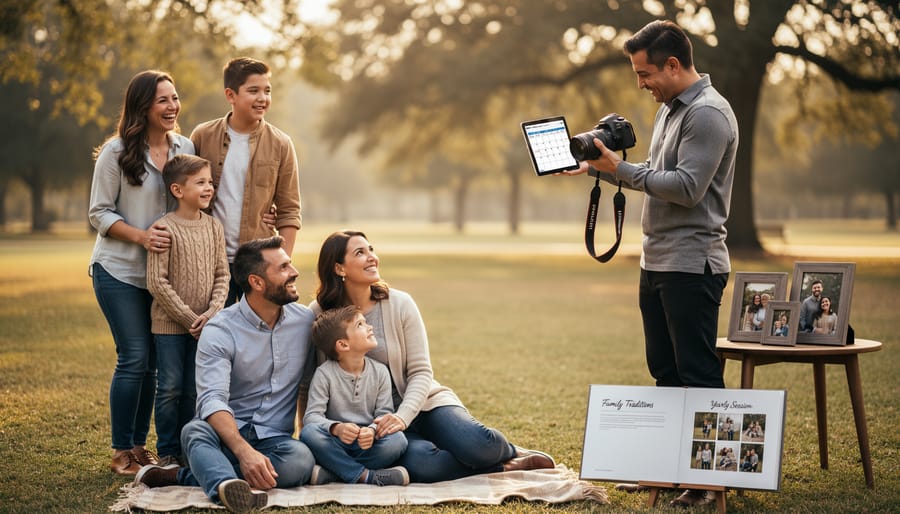
Family photography offers perhaps the most natural opportunity to build lasting client relationships that span years, even decades. The key is shifting clients’ mindset from “we need photos” to “it’s our annual photo tradition.”
Start by introducing the concept of yearly sessions during your first shoot together. Plant the seed casually: “I love photographing the same families year after year because you really see how much the kids change.” Many photographers offer returnee discounts or priority booking windows for anniversary sessions, making clients feel valued while securing predictable income.
Consider creating milestone packages that track a family’s journey. This might include maternity photos, newborn sessions, first birthdays, school-age portraits, and eventually senior portraits. When clients see you as their family’s visual historian rather than just a service provider, they’re far less likely to shop around.
Make booking the next session effortless by scheduling it before they leave the current one. Some photographers even send “anniversary reminders” eleven months after each session, often including a special incentive to book that month.
The real magic happens when photo sessions become anticipated family events. One photographer I know always brings the same stuffed animal prop each year, creating continuity that kids look forward to. These thoughtful touches transform transactions into traditions, ensuring families return year after year while enthusiastically referring friends navigating similar life stages.
Commercial and Corporate Clients: Becoming an Indispensable Partner
Corporate photography clients—think real estate agencies, restaurants, hotels, or marketing firms—operate differently than individual portrait clients, and they require a tailored retention approach. The key is positioning yourself as a strategic partner rather than just a vendor.
Start with quarterly check-ins, even when there’s no immediate project. A simple email asking “How’s the spring campaign going?” shows genuine interest beyond billable hours. Understanding their business cycles is crucial—retail clients need product photography before seasonal launches, while restaurants refresh menus biannually. Mark these patterns in your calendar and reach out proactively with ideas before they even ask.
This proactive mindset is what separates indispensable partners from interchangeable photographers. Notice their social media engagement dropping? Suggest a fresh content series. See they’re expanding locations? Propose a visual documentation package. These tailored suggestions demonstrate you’re invested in their success.
Retainer relationships transform sporadic projects into predictable income while giving clients priority access to your schedule. Offer monthly packages that include a set number of images or hours—this aligns perfectly with modern photography business models emphasizing recurring revenue. One commercial photographer I know reserves the first Tuesday of each month for a restaurant client’s menu updates, creating routine that benefits both parties.
The corporate world values reliability and proactive thinking—deliver both consistently, and you’ll become irreplaceable.
Measuring What Matters: Tracking Retention Success
You don’t need fancy software to track whether your retention efforts are working. Let’s focus on four metrics that actually tell you something useful about your client relationships.
Start with your repeat booking rate, which is simply the percentage of clients who book you again within 12-18 months. For wedding photographers, a realistic benchmark is 15-25% (think engagement sessions turning into weddings, or couples booking anniversary sessions). Portrait photographers should aim higher, around 30-40%, since families naturally need updated photos as kids grow. Calculate this by dividing repeat clients by total clients, then multiply by 100.
Your referral rate measures how many new bookings come from existing client recommendations. Track this by simply asking every new inquiry, “How did you hear about us?” A healthy referral rate sits between 30-50% for most photography niches. If you’re below 20%, your client experience might need attention.
Client lifetime value matters more than you think. Add up everything one client spends with you over time, including their initial booking, prints, additional sessions, and any products they purchase. A wedding client who books you for $3,000 initially but returns for maternity photos ($800), newborn session ($600), and refers two friends (another $6,000 in bookings) has a lifetime value of $10,400. That changes how you think about investing in the relationship.
Time between bookings reveals your retention rhythm. Portrait photographers should see clients every 6-12 months, while commercial photographers might have quarterly relationships with business clients.
The simplest tracking method? Create a basic spreadsheet with columns for client name, booking dates, services purchased, referral source, and total spent. Update it monthly while you’re doing your bookkeeping. No complicated CRM needed. After six months, you’ll spot patterns that tell you exactly where to focus your retention energy.

Common Mistakes That Kill Client Retention
Even well-intentioned photographers sabotage their own retention efforts without realizing it. Let’s tackle the most common mistakes and how to fix them.
The first culprit? Being too salesy in every communication. If every email you send screams “book now” or “limited spots available,” clients tune out fast. They feel like a transaction rather than a relationship. The fix is simple: follow the 80/20 rule. Make 80% of your communications genuinely helpful or personal—sharing tips, celebrating their milestones, or just checking in—and only 20% promotional. When you do pitch your services, it feels natural rather than pushy.
Inconsistent follow-up is another retention killer. You’re amazing at staying in touch for three months after a wedding, then… crickets for a year. Clients forget about you when you go silent. The solution is creating a simple calendar reminder system. Even quarterly touchpoints—a spring mini-session offer, a summer anniversary reminder, a fall family session nudge, and a holiday card—keep you visible without overwhelming anyone.
Generic mass emails might save time, but they destroy the personal connection that made clients choose you in the first place. “Dear Client” emails get deleted instantly. Instead, segment your list by session type and personalize at least the opening. Reference their specific session or use their child’s name. It takes minutes but makes clients feel seen.
The disappearing act after delivery is surprisingly common. You deliver the gallery, they love it, and then… nothing. You’ve lost momentum at the exact moment they’re most excited about your work. Fix this by building post-delivery touchpoints into your workflow—a follow-up call two weeks later, a request for feedback, or a referral incentive.
Finally, neglecting past clients when you’re swamped with new bookings seems logical but backfires long-term. Those loyal clients notice when you only reach out during slow periods. Schedule retention activities during your busiest seasons too, even if it’s just a quick appreciation message.
Start Small: Your First 30 Days of Client Retention
Starting your first client retention program doesn’t require fancy software or a complete business overhaul. In fact, the simpler you keep it, the more likely you’ll actually follow through. Here’s a realistic 30-day plan to build momentum without burning out.
Days 1-10: Reconnect with Your Past Clients
Begin by creating a simple spreadsheet of clients from the past 12-18 months. You don’t need everyone you’ve ever worked with, just recent clients who had positive experiences. During this first week, send personalized emails to five clients per day. Not a mass email, but genuine messages mentioning something specific about their session. “I was thinking about your daughter’s laugh during that beach session” goes much further than “Hope you’re well!” Include a recent photo you’re proud of and simply let them know you’d love to work with them again.
Days 11-20: Create Your Welcome System
Now that you’re reconnecting with existing clients, it’s time to ensure new clients feel special from day one. Design a simple welcome sequence: a thank-you email immediately after booking, a “what to expect” guide one week before the session, and a personalized note card mailed to their home. You can create templates for the emails today and order thank-you cards in bulk for under fifty dollars. This system runs automatically once it’s set up.
Days 21-30: Establish Your Follow-Up Rhythm
The final phase focuses on staying visible without being pushy. Choose one method that feels natural to you: a monthly email newsletter sharing recent work, quarterly client appreciation events, or simply blocking one hour every Friday to reach out to three past clients. Real-world example: one wedding photographer sends a simple “Happy Anniversary Week” text to past couples each year, resulting in consistent referrals and family session bookings.
By day thirty, you’ll have reconnected with dozens of past clients, created a welcoming first impression for new ones, and established a sustainable rhythm for ongoing contact. Start here, then expand as these habits become natural.
Here’s the truth: client retention isn’t about manipulation or constant selling. It’s not about fancy marketing tactics or aggressive follow-ups that make you feel pushy. It’s simply about genuinely caring for the people who trusted you with their important moments.
When someone hands you their wedding day, their newborn’s first photos, or their family’s milestone memories, they’re giving you something precious. A retention program is just your way of honoring that trust beyond the gallery delivery. It’s checking in because you actually wonder how they’re doing. It’s remembering their anniversary because their day mattered to you too. It’s offering value because you want to continue being part of their story.
The photographers who build sustainable, profitable businesses are those who recognize that their work doesn’t end at delivery. They understand that the relationship is just beginning when those final images arrive. These are the creatives who spend less time worrying about where the next client will come from because their past clients naturally become their biggest advocates.
So here’s your challenge: reach out to one past client today. Not with a sales pitch, just a genuine hello. You might be surprised where it leads.





 By
By