 By
By 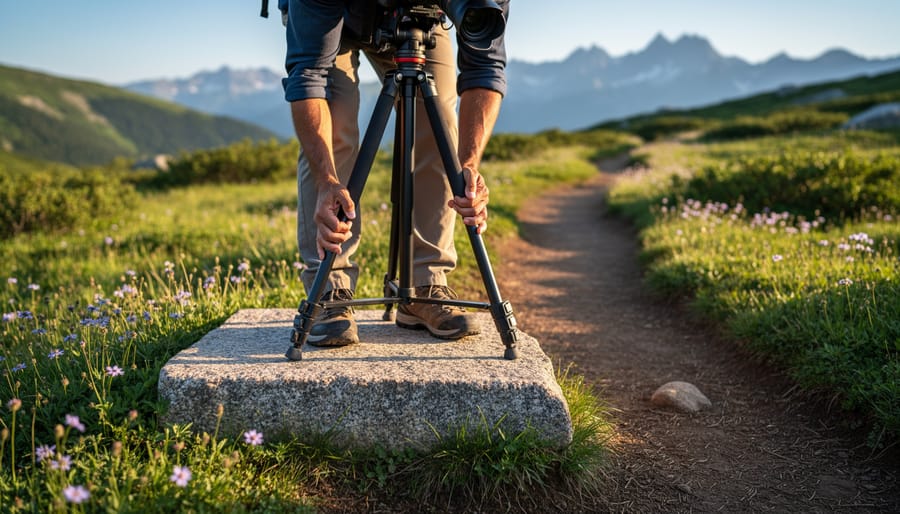
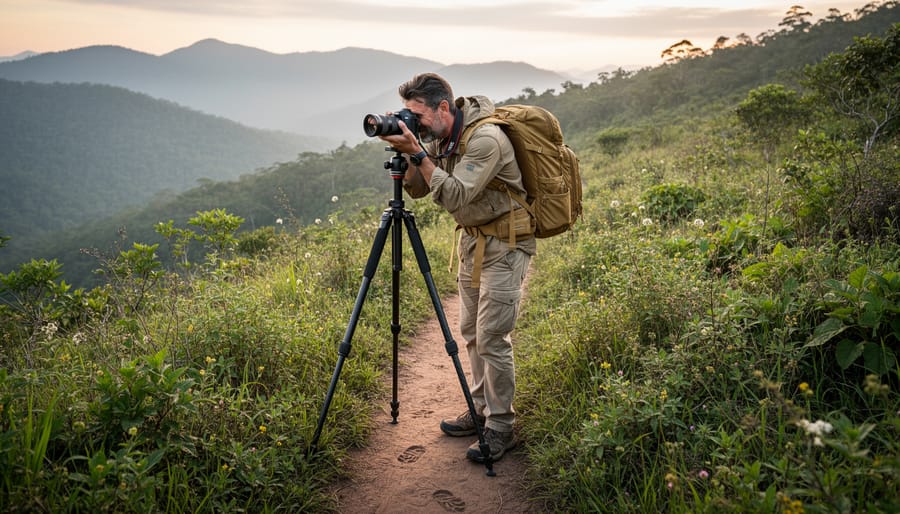
Position your tripod on durable surfaces like rock slabs or established trails rather than crushing delicate alpine flowers that took decades to grow. When scouting that perfect sunrise composition, use existing paths worn by previous visitors instead of creating new social trails through pristine meadows. Pack a microfiber cloth to wipe your boots clean before moving between locations, preventing the spread of invasive plant species that can devastate native ecosystems.
The photographer’s paradox is real: we venture into wild places to capture their beauty, yet our presence can inadvertently destroy what we came to document. That dramatic cliff-edge shot you framed perfectly might inspire thousands to visit the same spot, turning a hidden gem into an Instagram-trampled wasteland within months. The pristine waterfall you shared online could face permanent damage from photographers moving rocks to “improve” compositions or trampling vegetation for better angles.
Leave No Trace principles aren’t restrictions on your creativity—they’re a framework for ensuring the landscapes we photograph today remain intact for future generations. These seven core principles, adapted specifically for photographers, address everything from where you place your camera bag to how you share location information online. Whether you’re shooting wildlife at dawn, capturing star trails in the backcountry, or documenting pristine coastlines, your choices matter.
This guide breaks down each Leave No Trace principle through a photographer’s lens, offering practical strategies for common scenarios you’ll encounter in the field. You’ll learn how to get stunning images while minimizing your environmental footprint, make ethical decisions about sharing locations, and choose gear that supports responsible outdoor photography practices.
Why Environmental Adventure Photographers Need Leave No Trace
As photographers, we’re naturally drawn to pristine landscapes, dramatic vistas, and those fleeting moments of wildlife magic. But here’s an uncomfortable truth: our passion for capturing nature’s beauty can inadvertently contribute to its destruction. The impact we create goes far beyond a simple footprint in the sand.
Consider what happens when a stunning sunrise shot goes viral on social media. That once-peaceful location becomes a photography hotspot almost overnight. Studies have shown that geotagged photos can increase visitor traffic to sensitive areas by up to 300% within months. Each photographer lugging 20-30 pounds of camera gear, tripods, and backpacks contributes to trail widening and soil compaction. In places like Horseshoe Bend in Arizona, trails that were once a few feet wide have expanded to over 60 feet across due to heavy foot traffic, much of it driven by photography tourism.
The wildlife impact is equally concerning. When photographers repeatedly approach nesting birds or marine mammals for that perfect close-up, they create stress responses that can lead animals to abandon their young or crucial feeding grounds. Yellowstone National Park reports dozens of incidents annually where photographers ignore safe viewing distances, resulting in dangerous wildlife encounters and habitat disturbance. Understanding ethical wildlife photography practices is essential for minimizing these impacts.
Our tripod legs punch holes in fragile cryptobiotic soil crusts that take decades to regenerate. We trample wildflowers to reach that unobstructed composition. We climb onto delicate rock formations that show millennia of weathering, all for a better vantage point.
Here’s the powerful flip side: photographers are often nature’s most effective ambassadors. Our images inspire conservation, spark environmental awareness, and connect people emotionally to wild places. But this privilege comes with immense responsibility. We must lead by example, demonstrating that capturing beauty doesn’t require sacrificing it. When we embrace Leave No Trace principles, we ensure the landscapes we love remain pristine for future generations of photographers and nature enthusiasts alike.
The Seven Leave No Trace Principles for Photographers
Plan Ahead and Prepare Your Shoot
Successful outdoor photography starts long before you press the shutter button. Taking time to plan your shoot not only helps you capture better images but also significantly reduces your environmental impact.
Start by researching your destination thoroughly. Learn about local regulations, protected areas, and any restrictions on photography or equipment use. Many parks and wilderness areas require permits for commercial photography or the use of specialized gear like tripods and drones for remote landscape photography. Check with land management agencies ahead of time rather than showing up unprepared.
Timing matters enormously. Visit popular locations during off-peak hours or seasons when possible. Dawn and dusk not only offer gorgeous light but also mean fewer crowds and less pressure on sensitive areas. You’ll have more creative freedom without competing for space, and wildlife will be less disturbed by human presence.
Weather awareness is essential for both safety and minimizing impact. Getting caught in dangerous conditions often leads to emergency rescues that damage trails and vegetation. Check detailed forecasts and understand how weather affects the specific terrain you’ll be photographing. Don’t let the pursuit of dramatic storm shots put you or rescuers at risk.
Pack strategically to eliminate unnecessary trips. Create a detailed gear checklist based on your research and shooting plan. Bringing everything you need in one visit prevents repeated journeys that compact soil and widen trails. Include essentials like water, food, first aid supplies, and emergency equipment so you can stay self-sufficient throughout your shoot.
Travel and Photograph on Durable Surfaces
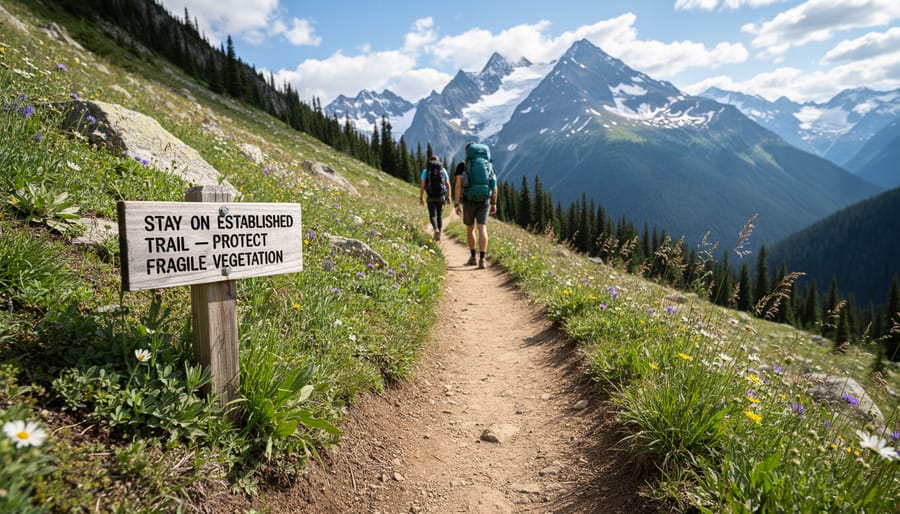
That perfect shot might be just off the trail, but venturing onto fragile vegetation creates lasting damage that takes years to recover. When you’re composing your image, challenge yourself to work within the boundaries of established paths and durable surfaces like rock, gravel, or dry grasses.
Established trails exist for a reason. They concentrate foot traffic to minimize environmental impact and prevent the creation of social trails, those informal paths that erode soil, damage root systems, and fragment wildlife habitat. Every time we step off-trail for a better angle, we risk starting a new social trail that others will follow, compounding the damage.
Here’s the practical reality: you can capture compelling images from designated viewpoints and trails. Use a longer focal length to compress your scene or change your perspective by adjusting your shooting height. Crouch down low or extend your camera overhead. These techniques often yield more interesting compositions than simply moving closer to your subject.
If you’re photographing at a popular location, arrive early or stay late to avoid crowds while remaining on established surfaces. Scout your location beforehand to identify the best vantage points along existing paths. Remember, a slightly less dramatic composition is always preferable to contributing to environmental degradation. Your responsibility as a photographer extends beyond the frame to the landscape itself.
Dispose of Waste Properly (Including Digital Clutter)
The waste management principle extends beyond the physical trail—it reaches into the digital realm where photographers have unique responsibilities. Start with the basics: pack out everything you bring in, including often-forgotten items like lens wipe packets, silica gel pouches from new gear, gaffer tape scraps, and those tiny protective films from filters. Even biodegradable items like orange peels should go home with you, as they’re not native to most ecosystems and can take years to decompose in certain environments.
Your digital footprint deserves equal consideration. Geotagging presents a real ethical dilemma. While that stunning wildflower superbloom or hidden waterfall might earn you plenty of engagement, precise location data can lead to overwhelming visitor numbers that damage fragile ecosystems. I’ve watched previously pristine locations deteriorate within a single season after going viral. Consider removing geotags from sensitive areas, using general regional tags instead, or waiting until a season has passed before sharing specific locations.
Think critically about what you share and when. That Instagram story from a rare wildlife den or nesting site could inadvertently guide others to disturb these creatures during vulnerable times. Being mindful of your digital influence isn’t about gatekeeping—it’s about ensuring these remarkable places survive for future generations of photographers to responsibly enjoy and document.
Leave What You Find
We’ve all been there—you find the perfect scene, but there’s one branch slightly out of place, or moving that rock six inches would create better leading lines. The temptation to rearrange nature for a better composition is real, but resisting this urge is fundamental to ethical outdoor photography.
When you move natural elements like rocks, branches, or flowers, you’re disrupting ecosystems in ways that might not be immediately visible. That rock you shifted could be sheltering insects or small reptiles. The wildflower you picked eliminates seeds that would have sustained wildlife or propagated next season’s bloom. Even seemingly harmless adjustments to branches can damage bark or break growth nodes.
Cultural artifacts deserve even greater respect. Never move, remove, or interact with archaeological sites, historical structures, or indigenous artifacts. These irreplaceable resources belong to everyone and are often protected by law.
Instead of landscaping your scene, challenge yourself creatively. Change your shooting angle to work around that distracting branch. Use a wider aperture to blur it into the background. Shift your position slightly until compositional elements align naturally. Sometimes the constraints nature provides lead to more interesting, authentic images than our imagined perfect arrangements.
If you encounter a scene that’s already been disturbed by other visitors, resist the urge to “fix” it. Your well-intentioned restoration might actually cause additional harm. Document what you find and leave ecological restoration to trained professionals and land managers.
Minimize Campfire Impacts
For photographers planning overnight shoots, campfire management requires special consideration beyond typical camping scenarios. If you’re shooting in an area where fires are permitted, always use established fire rings rather than creating new ones. This concentrates impact in already-affected areas and helps preserve the pristine landscape you came to photograph.
Your lighting equipment presents unique fire hazards during nighttime photography sessions. LED panels, speedlights, and especially continuous lights can become surprisingly hot during extended shoots. Keep them well away from dry grass, leaves, and low-hanging branches. I learned this the hard way during an astrophotography session when my modeling light nearly ignited some sagebrush after a two-hour time-lapse sequence.
When shooting long exposures near campfires, maintain a safe working distance not just for your gear’s sake, but to prevent accidental kicks or trips that could spread embers. Position tripods thoughtfully, creating clear pathways around the fire ring. Before packing up for that pre-dawn shoot, ensure your fire is completely extinguished and cold to the touch. Use the drown, stir, and feel method: douse with water, stir the ashes, and physically check the temperature. Your stunning star trail images aren’t worth leaving behind a smoldering fire risk.
Respect Wildlife
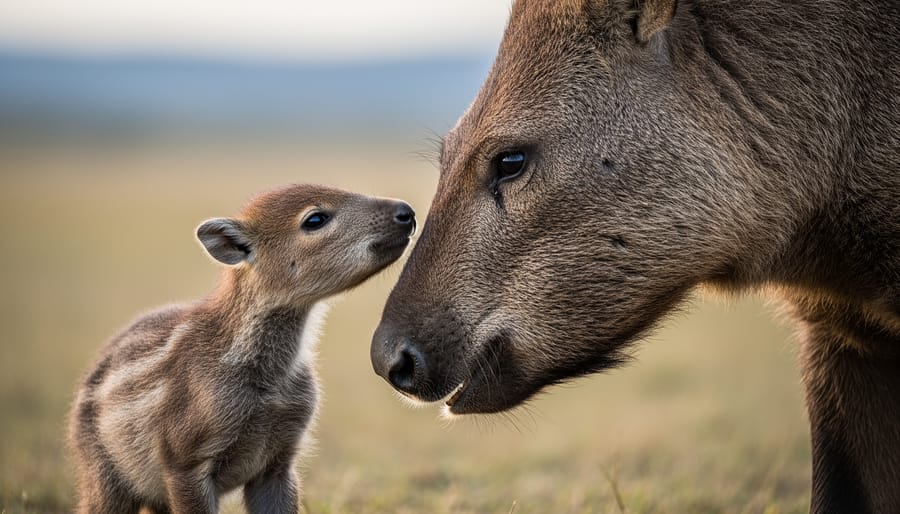
Observing wildlife in their natural habitat is one of photography’s greatest privileges, but with that privilege comes significant responsibility. The key principle is simple: your presence should never alter an animal’s behavior or cause them stress.
Understanding safe distances is crucial and varies by species. For large mammals like elk or moose, maintain at least 100 feet. Bears and predators require a minimum of 200 feet, while nesting birds need 300 feet or more during breeding season. These aren’t arbitrary numbers—they’re based on animal welfare research and backed by wildlife authorities. If an animal changes its behavior, stops feeding, looks directly at you repeatedly, or moves away, you’re too close regardless of distance.
This is where proper wildlife photography techniques become essential. Invest in longer telephoto lenses rather than physically approaching subjects. A 400mm or 600mm lens allows you to capture intimate details while respecting boundaries. Modern cropping capabilities also give you flexibility in post-processing without compromising animal welfare.
Never use food, calls, or playback sounds to attract wildlife. While it might seem like a shortcut to compelling images, baiting can condition animals to associate humans with food—a potentially fatal outcome. Similarly, bird calls and playback recordings during breeding season can exhaust parent birds defending territories or searching for nonexistent rivals instead of caring for young.
Learn to read animal body language. Flattened ears, raised hackles, pawing the ground, or false charges are clear stress signals demanding immediate retreat. The most ethical wildlife photographs come from patience and observation, not manipulation. Remember, no photograph is worth compromising an animal’s safety or well-being.
Be Considerate of Other Visitors and Photographers
When you’re capturing that perfect sunrise at a popular viewpoint, remember you’re sharing the experience with fellow photographers and nature enthusiasts. Being mindful of others ensures everyone can enjoy the moment without unnecessary frustration.
Start by arriving early to secure your spot, but don’t spread tripods and gear bags across prime locations. Keep your equipment footprint compact and be willing to adjust if someone politely asks to share the space. I’ve seen photographers claim entire sections of overlooks with multiple camera setups, effectively blocking others from accessing the best vantage points. That’s not cool, and it gives our community a bad reputation.
Trail etiquette matters too. When setting up shots along pathways, position yourself so hikers can pass safely without stepping into your frame or endangering themselves. If you need to occupy a trail temporarily, work quickly and communicate with approaching visitors about how long you’ll need.
Sound discipline is equally important, especially around wildlife. Switch your camera to silent or electronic shutter mode when photographing animals. That distinctive mirror slap can startle subjects and ruin the experience for others observing nearby. Keep conversations quiet and brief.
If you’re leading or participating in photography workshops, group leaders should manage participants responsibly. Large groups monopolizing locations for extended periods creates tension. Rotate positions, work efficiently, and consider visiting less-crowded alternatives. Your consideration helps maintain positive relationships between photographers and other outdoor enthusiasts.
Gear Choices That Support Leave No Trace Principles
The gear you carry into the field can significantly impact your environmental footprint, and making thoughtful equipment choices supports Leave No Trace principles before you even press the shutter button.
Start by embracing a lightweight approach to your camera kit. When you carry less weight, you’re more likely to stay on established trails rather than seeking shortcuts, and your footfalls create less soil compaction. Consider whether you truly need that third lens or backup body for every outing. A mirrorless camera system weighs considerably less than traditional DSLRs while delivering professional results, and modern sensors perform exceptionally well in varied conditions, reducing the need to pack specialized equipment for every scenario.
Your lens selection directly affects how you interact with wildlife and sensitive environments. A quality telephoto lens in the 200-400mm range allows you to photograph animals from respectful distances without causing stress or behavioral changes. This eliminates the temptation to approach too closely, which can disrupt feeding patterns, separate parents from young, or force wildlife to expend precious energy fleeing. The initial investment pays dividends in both ethical practice and image quality.
Tripod choice matters more than you might think. Select models with rubber or foam-padded feet that grip surfaces without scratching rocks or damaging vegetation. Avoid tripods requiring stakes or ground anchors, which create lasting disturbances in fragile soils. Modern carbon fiber tripods offer exceptional stability at minimal weight, and many feature reversible center columns for low-angle work without spreading legs into wider footprints.
Consider the longevity and repairability of your gear. Equipment that weathers harsh conditions without failing reduces waste and the need for replacement. Quality weatherproofing protects electronics from moisture and dust, preventing premature failures that send cameras to landfills. When equipment does fail in the field, having proper protection means you can pack it out rather than abandoning broken pieces.
Finally, choose camera bags made from recycled or sustainable materials when possible, and opt for accessories designed for durability over disposable convenience. A well-made lens cloth lasts years compared to single-use wipes, and rechargeable batteries eliminate the environmental cost of disposables.
Real-World Scenarios: Making Ethical Decisions in the Field
Theory meets reality when you’re standing in the field with your camera, and ethical dilemmas rarely come with simple answers. Let’s explore common scenarios and how to navigate them responsibly.
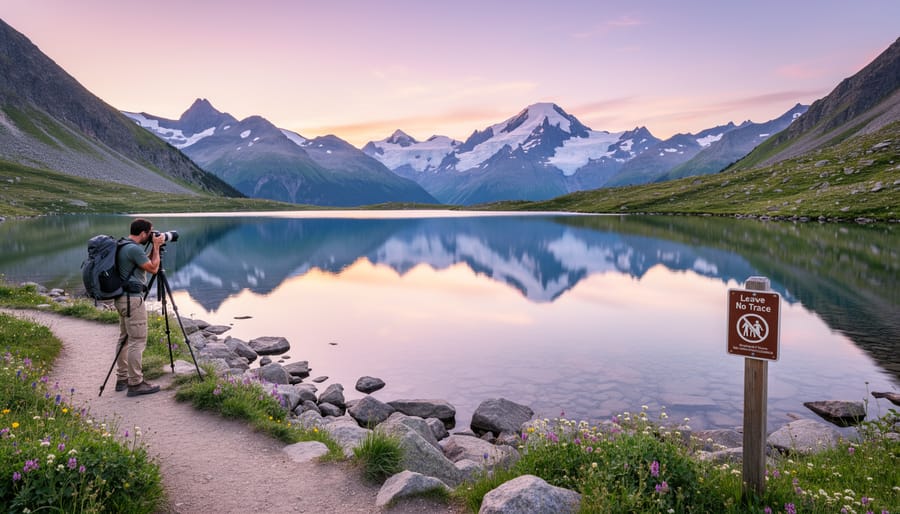
Picture this: You’ve hiked to a pristine alpine lake at dawn, and just five feet off the designated trail sits a weathered log that would create the perfect foreground element for your composition. The ground looks fragile, covered in delicate vegetation. What do you do? The answer lies in assessing long-term impact versus short-term gain. Instead of creating a new path, explore compositions using elements accessible from the trail. Use a longer focal length to compress the scene, or adjust your position along the existing trail. That single decision to stay put prevents the soil compaction and vegetation damage that turns into visible scars when dozens of photographers follow your footsteps.
Consider another scenario: You’re photographing elk at a popular location, and you notice they barely react to human presence anymore. This habituation seems like a gift for capturing wildlife naturally, but it’s actually a warning sign. Habituated animals lose their natural wariness, making them vulnerable to dangerous situations. Maintain proper distance even when animals appear comfortable, use telephoto lenses instead of approaching closer, and never offer food or make sounds to elicit reactions.
Finally, imagine discovering an incredible, untagged location during your travels. The temptation to share it online is strong, but consider the consequences. Popular photography locations often suffer from overuse, trampled vegetation, and litter. If you choose to share, be vague about the location, avoid geotagging, and emphasize responsible practices in your caption. Better yet, let the magic of discovery remain for those willing to explore respectfully.
The Long-Term Benefits of Ethical Nature Photography
Adopting Leave No Trace principles isn’t just about doing the right thing in the moment—it’s an investment in your future as a photographer. When we protect natural locations from overuse and damage, we ensure these places remain pristine for years to come. That stunning alpine meadow you photographed this summer? Your ethical practices help guarantee it’ll still be there, just as beautiful, for your next visit or for another photographer’s first discovery.
Within the photography community, ethical practices build genuine credibility. Fellow photographers, park rangers, and conservation organizations increasingly recognize and respect those who prioritize location preservation. This reputation opens doors to photography permits, collaborations, and access to protected areas that might otherwise remain off-limits. More importantly, it contributes to photography’s role in conservation efforts, allowing our images to serve as powerful advocacy tools.
Here’s something many photographers discover: ethical constraints actually enhance creativity rather than limit it. When you commit to staying on trails, you’re challenged to find unique compositions within those boundaries. This pushes you to truly see a location, to notice details others might miss while trampling through sensitive areas for that “perfect” shot.
The images created through ethical practices often carry more authenticity and meaning. There’s something special about knowing your photograph didn’t come at nature’s expense. That satisfaction translates into work you’re genuinely proud to share, building a portfolio that reflects both technical skill and personal integrity.
As photographers, we hold a unique dual identity. We’re visual storytellers capturing the majesty of our natural world, but we’re also temporary guests in these fragile ecosystems. Every image we create depends on the health and preservation of the landscapes we photograph. When we practice Leave No Trace principles, we’re not just following rules—we’re actively protecting our future portfolio and ensuring these locations remain pristine for the next generation of photographers.
I encourage you to make a commitment right now. Choose one Leave No Trace practice from this article that resonates with you—perhaps staying on established trails during that sunrise shoot, properly disposing of lens cleaning wipes, or minimizing your time at sensitive wildlife dens. Write it down. Set a reminder. Make it non-negotiable on your next outing.
The most powerful photographs emerge from places that move us deeply. These locations have inspired countless images and will hopefully inspire countless more. But that legacy depends entirely on the choices we make today. Pack out what you pack in. Respect wildlife boundaries. Leave locations better than you found them. Your camera captures moments, but your actions determine whether those moments will exist for others to experience and photograph. The wild places that fuel your creativity are counting on you to be their advocate, not just their documenter.


 By
By