 By
By 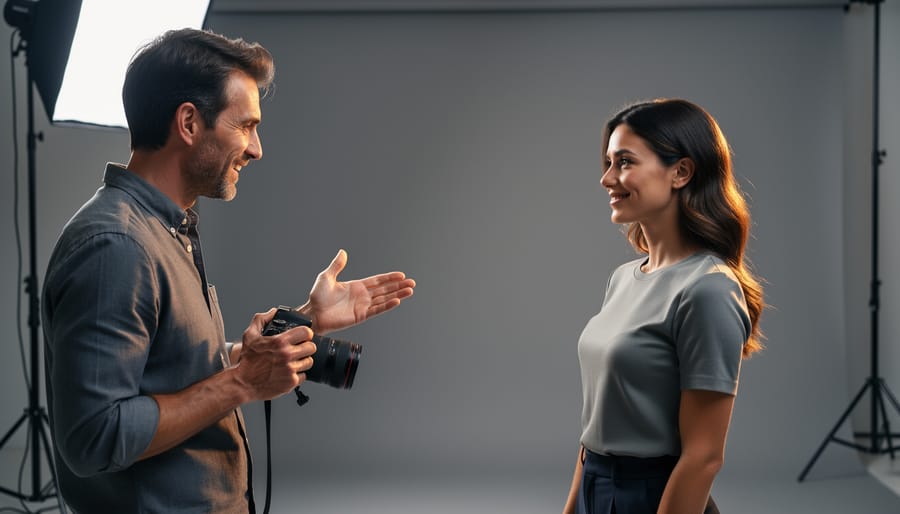
Recognize that every person you photograph—whether a professional model, street subject, or wedding guest—deserves dignity, respect, and agency over how their image is captured and used. This fundamental truth sits at the heart of photography ethics, yet many photographers operate without clear guidelines for navigating the complex situations that arise behind the camera.
Establish boundaries before pressing the shutter. Your creative vision never supersedes a subject’s comfort, privacy, or consent. Whether you’re shooting portraits in a controlled studio or documenting events in public spaces, the power dynamic inherently favors you as the photographer. Understanding this imbalance shapes how you approach every interaction.
The six ethical principles we’ll explore aren’t theoretical constructs—they’re practical frameworks developed through decades of professional experience and, sometimes, industry mistakes. These principles address real situations you’ll encounter: when a model feels pressured to continue despite discomfort, how to handle sensitive images of vulnerable subjects, what constitutes genuine informed consent, and when commercial interests conflict with subject welfare.
Implement these principles to protect both your subjects and your reputation. A single ethical misstep can damage relationships, derail careers, and cause genuine harm. Conversely, photographers who consistently demonstrate ethical practice build trust, attract better opportunities, and sleep soundly knowing their work uplifts rather than exploits.
Think of these principles as your professional compass. They won’t provide cookie-cutter answers to every scenario, but they’ll guide decision-making when situations get murky. From obtaining proper releases to respecting cultural sensitivities, each principle offers concrete protocols you can adopt immediately, transforming abstract ethical concerns into actionable daily practices that elevate your work and protect everyone involved.
Why Model Welfare Matters More Than Ever
The photography industry has undergone a remarkable transformation in recent years. What was once an insular world governed by unspoken rules has become increasingly transparent, with models, assistants, and other collaborators sharing their experiences publicly through social media and online communities. This shift has exposed uncomfortable truths about power dynamics, boundary violations, and safety concerns that many photographers either overlooked or never learned to address properly.
This increased awareness isn’t just about avoiding controversy. It’s fundamentally reshaping how successful photographers operate. Consider the practical implications: a model who feels safe and respected will deliver more authentic expressions, maintain better communication throughout the shoot, and likely work with you again. Conversely, even unintentional discomfort can result in stiff poses, guarded expressions, and a portfolio of technically perfect but emotionally flat images. The quality of your work directly correlates with the environment you create.
The business case is equally compelling. Professional models now routinely share information about photographers in private groups and forums. Your reputation for ethical portrait photography becomes a competitive advantage, opening doors to collaborations with experienced talent who can elevate your portfolio. Meanwhile, photographers known for crossing boundaries find themselves effectively blacklisted, regardless of their technical skills.
The legal landscape has evolved too. What might have been dismissed as miscommunication a decade ago can now result in serious consequences, from civil lawsuits to criminal charges. Insurance companies are scrutinizing photographer conduct more carefully, and some have introduced specific liability clauses related to model interactions.
Perhaps most importantly, prioritizing model welfare simply reflects the kind of professional we should all strive to be. Photography involves vulnerability, trust, and creative collaboration. When you establish clear ethical boundaries, you’re not just protecting yourself legally or building your reputation. You’re honoring the human relationship at the heart of every compelling portrait.
The 6 Ethical Principles Every Photographer Should Follow
Principle 1: Informed Consent
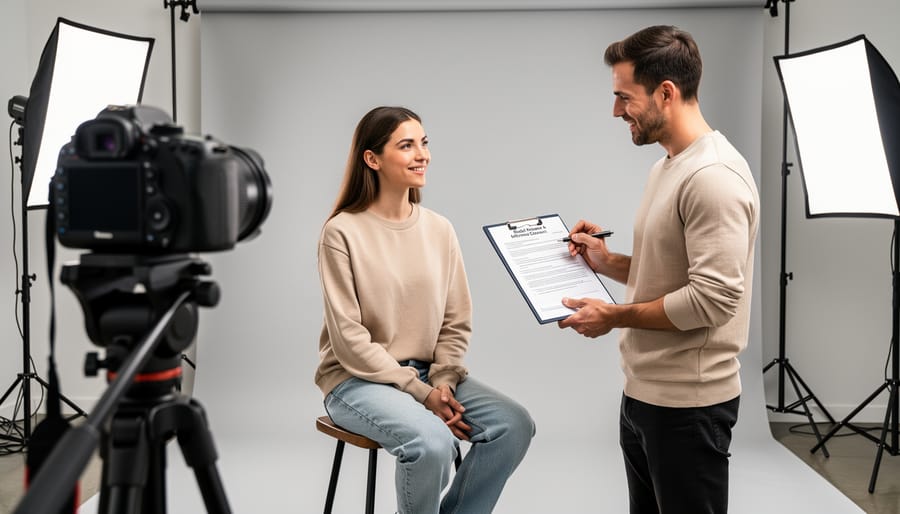
Informed consent goes far beyond collecting a signed model release after a shoot. At its core, it means ensuring everyone involved understands exactly what they’re participating in and agrees to it freely, without pressure or coercion.
Think of informed consent as an ongoing conversation, not a one-time checkbox. Before the camera even comes out, discuss your creative vision openly. What’s the concept? Will you be using dramatic lighting that creates shadows on the face? Planning any wet clothing or messy materials? Will the shoot involve physical direction or proximity? Your subject deserves to know what they’re walking into.
Equally important is explaining how you’ll use the images. Be specific. Are these for your portfolio only? Will they appear on social media? Are you submitting them to stock photography sites or publications? If commercial use is possible, say so upfront. Vague promises like “just for practice” can create problems later when you want to enter that perfect shot into a competition.
Documentation matters too. While verbal agreements have their place for casual situations, professional shoots require written consent. A simple form stating the shoot’s purpose, intended usage, and compensation (if any) protects everyone involved. Keep these records organized and accessible.
Here’s a practical tip: send your consent form and shoot details 24 hours before the session. This gives your subject time to review everything without feeling rushed. During the shoot, check in periodically, especially if you’re deviating from the plan. Remember, consent can be withdrawn at any time, and respecting that boundary immediately is non-negotiable.
Principle 2: Autonomy and Respect
At its core, autonomy means recognizing that your model is a collaborator, not a prop. They have the final say over what happens to their body and image, and respecting that boundary isn’t just courteous—it’s foundational to ethical photography.
This principle plays out in several practical ways during a shoot. First, never pressure a model into poses, wardrobe choices, or concepts they’re uncomfortable with. If you’ve discussed specific ideas beforehand and the model expresses hesitation on set, that’s your cue to pivot. I once worked with a photographer who planned a water shoot but noticed the model seemed anxious when we arrived at the location. Rather than pushing forward, he asked if she’d prefer to modify the concept. Turns out she wasn’t a strong swimmer—a detail she’d been embarrassed to mention earlier. We adjusted, and the resulting images were far better because she felt secure and confident.
Wardrobe decisions deserve particular attention. While you might have a creative vision, the model knows their comfort zone. If they prefer to wear something more conservative than you’d imagined, respect that choice without making them feel difficult or unprofessional. Similarly, if a model wants to adjust their clothing between shots or take breaks, honor those requests immediately.
Communication is your best tool here. Check in regularly throughout the session: “How are you feeling about this?” or “Would you like to try something different?” These simple questions signal that you value their input and wellbeing above getting the perfect shot. Remember, a model who feels respected and empowered will always deliver more authentic, compelling images than one who feels coerced.
Principle 3: Do No Harm
The fundamental medical principle of “first, do no harm” applies equally to photography. When you invite someone to step in front of your camera, you assume responsibility for their physical and psychological safety throughout the session.
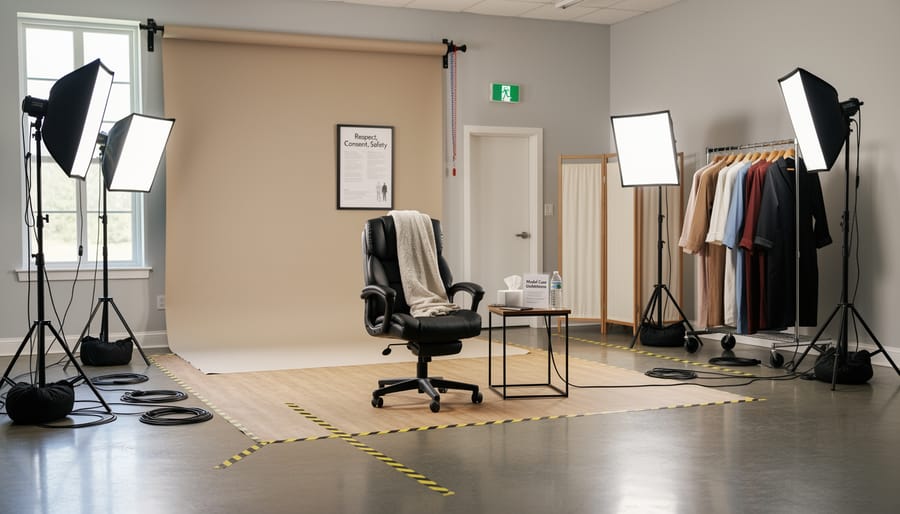
Physical safety starts with your environment. If you’re using studio lighting, ensure all equipment is properly secured and cables are taped down to prevent trips. Hot lights can cause burns and heat exhaustion, particularly during extended sessions. Build in regular breaks every 45-60 minutes, even if everyone feels fine. I once witnessed a model faint during what seemed like a straightforward portrait session because the photographer kept pushing for “just one more shot” without adequate breaks in a poorly ventilated space.
Temperature matters more than most photographers realize. Cold environments can lead to hypothermia, especially when working with minimal clothing or wet conditions. Conversely, hot studios combined with bright lights create dangerous conditions quickly. Always have water readily available and watch for signs of distress.
Never ask a model to hold physically demanding poses for extended periods. What might seem like a simple position to you could strain muscles or joints. Similarly, avoid requesting poses that require balance on unstable surfaces or proximity to genuine hazards without proper safety measures.
Psychological safety is equally critical. Understanding when photography crosses the line means recognizing that some concepts, even if technically legal, may cause emotional harm or future regret. Never pressure someone into uncomfortable situations, regardless of contractual agreements. If you sense hesitation, pause and have an honest conversation. The best photographs never come at the expense of someone’s wellbeing.
Principle 4: Justice and Fairness
Justice and fairness in photography might sound like lofty concepts, but they boil down to some pretty straightforward practices that protect both you and the people you photograph.
At its core, this principle means honoring your agreements. If you promise to deliver edited images within two weeks, meet that deadline. If you’ve agreed to compensate a model with 15 retouched photos, don’t send five and disappear. These aren’t just nice-to-haves—they’re fundamental to maintaining trust and professionalism in our industry.
Fair compensation deserves special attention because power imbalances are real in photography. As the person behind the camera, you often control how images are used and distributed. This means being transparent about usage rights upfront. Will these portraits appear only in the model’s portfolio, or are you planning to license them for commercial use? That distinction matters, and it should be discussed before the shoot begins.
Experience level shouldn’t determine how respectfully someone is treated. A first-time model deserves the same clear communication and professional courtesy as someone who’s worked with dozens of photographers. This includes being upfront about what the shoot entails, providing accurate time estimates, and sticking to them.
Consider creating a simple one-page agreement for every shoot, even casual ones. Include delivery timelines, usage rights, and compensation details—whether that’s payment, image exchange, or portfolio building. This doesn’t need to be intimidating legal jargon; think of it as a mutual understanding that protects everyone involved.
When challenges arise—maybe you need extra time for editing or want to enter an image in a competition—communicate openly and seek agreement rather than assuming permission. Fair treatment means respecting that other people’s time and image rights matter just as much as your creative vision.
Principle 5: Beneficence (Acting in Others’ Best Interest)
While non-maleficence asks us not to cause harm, beneficence takes the ethical commitment a step further: it requires us to actively promote the wellbeing of the people we work with. In photography, this means going beyond simply avoiding negative experiences and intentionally creating positive ones for your models.
The difference matters. A photographer practicing non-maleficence ensures the studio isn’t too cold; one practicing beneficence adjusts the temperature to a comfortable level and offers a warm beverage. It’s the difference between not exploiting someone and genuinely supporting their success.
Start with the physical environment. Is your shooting location genuinely comfortable, or just tolerable? Provide refreshments, ensure proper climate control, and create private spaces for wardrobe changes. These aren’t luxuries; they’re baseline considerations for someone who’s trusting you with their time and image.
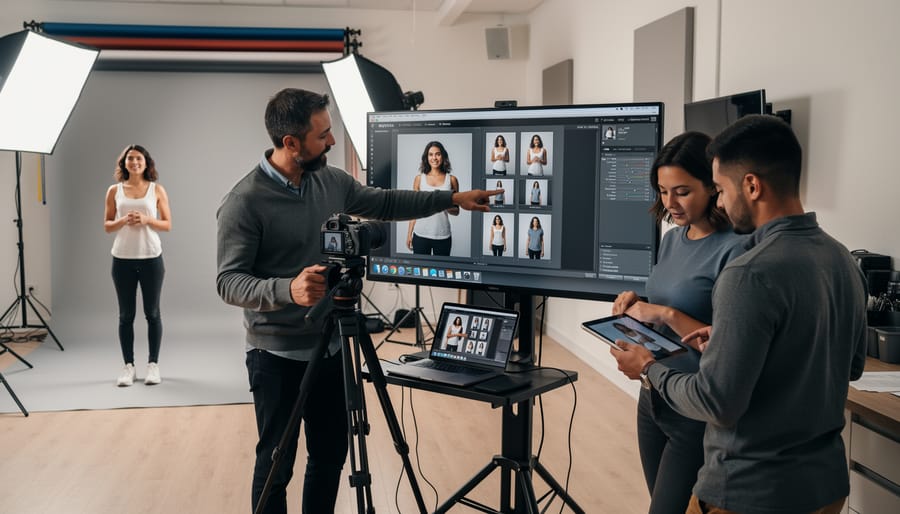
Communication exemplifies beneficence in action. Share your creative vision clearly before the shoot. During the session, show your model the images periodically so they feel included in the creative process rather than simply directed. This collaborative approach builds confidence and often results in better photographs for everyone involved.
Consider your model’s professional needs alongside your own. If they’re building a portfolio, discuss what types of images would serve them best. When you create work that advances their career, you’ve practiced beneficence in its truest form. Similarly, deliver edited images in a reasonable timeframe and share photos they can use for their own promotional purposes.
Beneficence transforms the photographer-model relationship from a transaction into a genuine collaboration. When both parties leave the shoot feeling supported and valued, you’ve succeeded not just ethically, but creatively as well.
Principle 6: Accountability and Transparency
Accountability and transparency form the bedrock of professional ethical photography practices. When you take on a photography project, you’re not just responsible for capturing great images—you’re accountable for the entire experience and environment you create.
Start with clear, honest communication from your first interaction. Be upfront about what you can and cannot deliver. If a client asks for a specific style that’s outside your expertise, say so. If weather conditions might affect an outdoor shoot, explain the contingencies. This transparency builds trust and prevents disappointment down the line.
During the shoot, maintain open channels of communication. If something isn’t working—the lighting is more challenging than anticipated, a location isn’t suitable, or a model seems uncomfortable—address it immediately. Don’t hope problems will resolve themselves or hide issues until delivery day.
Documentation is your friend here. Keep written records of agreements, permissions, and any changes to the original plan. If a model requests certain images not be used commercially, note it immediately and honor that request without exception.
When mistakes happen—and they will—own them promptly. Whether you accidentally deleted files, missed a key shot, or misunderstood requirements, transparency about errors demonstrates professionalism. Explain what happened, apologize sincerely, and propose solutions.
Finally, be realistic about limitations and risks. If you’re trying a new technique, tell your client. If certain conditions could compromise results, make that clear beforehand. Accountability means taking responsibility not just when things go right, but especially when they don’t.
Building Your On-Set Safety Protocol
Creating a comprehensive safety protocol doesn’t need to be overwhelming. Think of it as building a framework that becomes second nature over time, much like checking your camera settings before a shoot. The key is developing a system that works for your specific photography style and then refining it with experience.
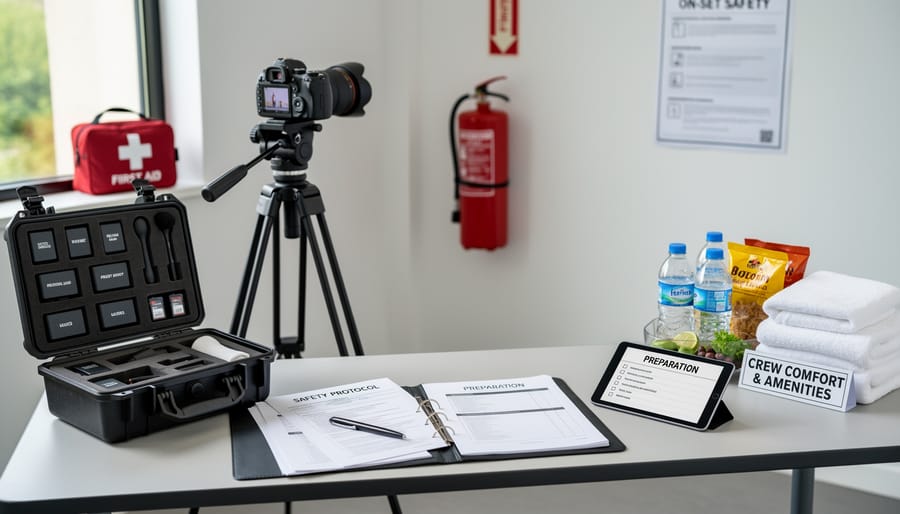
Start with your pre-shoot preparation. Before any session, create a brief questionnaire that covers the essentials: Does your subject have any physical limitations or health concerns you should know about? Are there specific poses or scenarios they’re uncomfortable with? What’s their experience level with professional photography? This conversation also establishes the collaborative tone for your entire working relationship. Send a location scout report if you’re shooting somewhere new, including parking information, bathroom facilities, and the presence of other people who might be on set. Transparency eliminates surprises that could make anyone uncomfortable.
Your day-of-shoot checklist should be practical and visible. Many photographers keep a laminated card in their camera bag with reminders: confirm consent before each wardrobe change or location shift, maintain appropriate physical distance when directing poses, ensure the subject has access to water and scheduled breaks, and verify that any assistant or crew member present has been properly introduced and their role explained. Consider designating a private area where your subject can review images on a larger screen than your camera’s LCD. This respects their agency while giving them confidence in the process.
Temperature control often gets overlooked but matters tremendously for comfort and safety. If you’re shooting outdoors in challenging weather or in a studio with hot lighting, plan accordingly. One photographer I know always brings an extra jacket and keeps both hot and cold beverages available, letting subjects choose what they need.
Post-shoot follow-through completes the safety circle. Send a thank-you message that reiterates how they can contact you with any concerns. Establish clear timelines for image delivery and stick to them. Provide information about how images will be used, stored, and protected. If something didn’t go as planned during the shoot, address it honestly rather than hoping it goes unnoticed.
Document your protocols in a simple template you can customize for different shoot types. Review and update it quarterly based on what you’ve learned from real sessions.
Common Scenarios and How to Handle Them Ethically
Even experienced photographers encounter situations that test their ethical boundaries. Understanding how to navigate these moments using the six principles can make the difference between a successful shoot and a serious problem.
When a client requests a last-minute concept change that makes you uncomfortable, perhaps shifting from fashion portraits to more revealing imagery, your response should be immediate and clear. Refer back to your pre-shoot agreement and communicate boundaries firmly but professionally. You might say, “I appreciate your creative vision, but this falls outside what we discussed and what I’m comfortable photographing. Let’s explore alternatives that work for both of us.” This applies the principles of consent and respect simultaneously, as both parties agreed to specific parameters beforehand.
Boundary testing often appears subtly. A model might ask if “just one or two” photos without the agreed-upon chaperone would be okay, or a client might suggest dimming lights in ways that compromise safety. These moments require you to prioritize well-being over convenience. Politely decline and explain your professional standards. Remember, creating a safe environment isn’t negotiable, even when requests seem minor.
Managing chaperones and assistants requires clear communication from the start. Before the shoot begins, introduce everyone present and establish their roles. If a chaperone becomes disruptive or a model seems uncomfortable with their presence, pause the session to address concerns privately. This demonstrates transparency and allows everyone to voice concerns before problems escalate.
The “uncomfortable request” scenario happens more frequently than many photographers expect. Whether it’s pressure to continue shooting when someone is visibly distressed or requests to photograph minors without proper guardian consent, your ethical compass should guide you. Like other challenging photography situations, these moments require you to prioritize people over images. Stopping a shoot might feel professionally costly in the moment, but protecting your subjects and maintaining ethical standards protects your reputation and career long-term.
Here’s the truth that many photographers discover only after years in the field: ethical principles aren’t constraints that limit your creativity or profitability. They’re the foundation that elevates your work and distinguishes you as a professional worth trusting. When you prioritize consent, respect, transparency, safety, privacy, and dignity, you’re not just avoiding problems—you’re creating the conditions for your best work to emerge.
Think about it this way. Models who feel safe and respected give authentic performances. Clients who trust your transparency become long-term collaborators. Subjects whose dignity you protect become willing advocates for your work. The photographer who cuts corners might save fifteen minutes on a release form today, but they’re risking their entire reputation in the process.
The beauty of these six principles is that you don’t need to overhaul your entire practice overnight. Start small. Today, commit to making one improvement. Maybe it’s finally creating that model release template you’ve been putting off. Perhaps it’s scheduling a conversation with a subject whose images you’d like to use commercially. Or it could be as simple as adding ten extra minutes to your pre-shoot briefings to ensure everyone understands what to expect.
Review your current practices honestly. Where are the gaps? Where have you been operating on assumptions rather than clear communication? Choose one area and strengthen it this week. Then build from there, gradually and consistently, until ethical practice becomes second nature. Your future self—and everyone you photograph—will thank you for it.


 By
By