Day: 14 November 2025

Why Your Food Photos Look Flat (And How a Workshop Can Fix That)

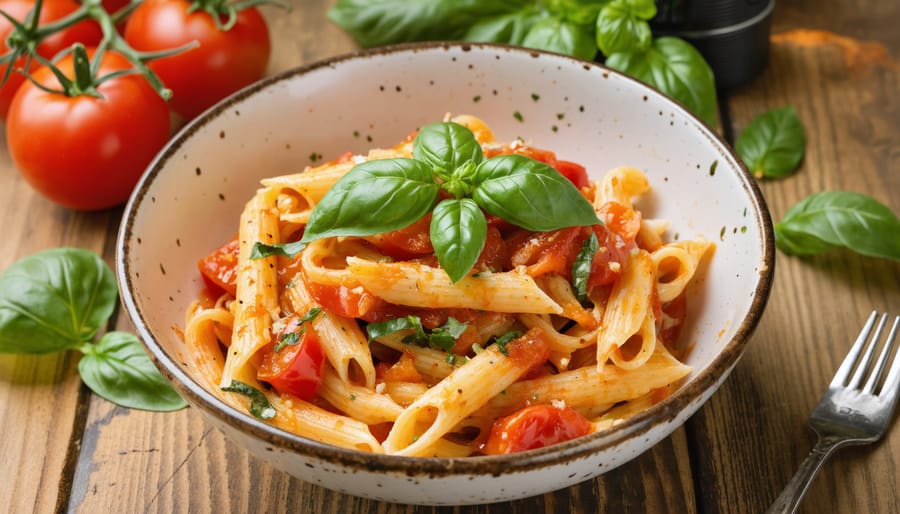
Transform flat, uninspiring food shots into scroll-stopping images by mastering the interplay between natural light, composition angles, and styling techniques that professional food photographers use daily. A quality food photography workshop compresses years of trial-and-error into intensive hands-on sessions where you’ll photograph actual dishes, receive immediate feedback, and walk away with portfolio-worthy images alongside the technical knowledge to recreate them consistently.
The difference between free YouTube tutorials and a structured workshop lies in personalized instruction tailored to your specific challenges. …

Why Z-Wave Lighting Transforms Your Studio Workflow (And How to Set It Up)

**Transform Your Photography Studio with Smart Wireless Control**
Picture this: You’re mid-shoot, your model is perfectly posed, and the lighting is *almost* right. Instead of breaking the moment to manually adjust multiple stands, you tap your phone and fine-tune every light’s intensity without moving an inch. This is the promise of Z-Wave lighting for photographers.
Z-Wave is a wireless communication protocol that lets you control compatible smart lights, switches, and dimmers through a central hub—typically using a smartphone app or voice commands. Unlike photography-specific systems like PocketWizard (which …

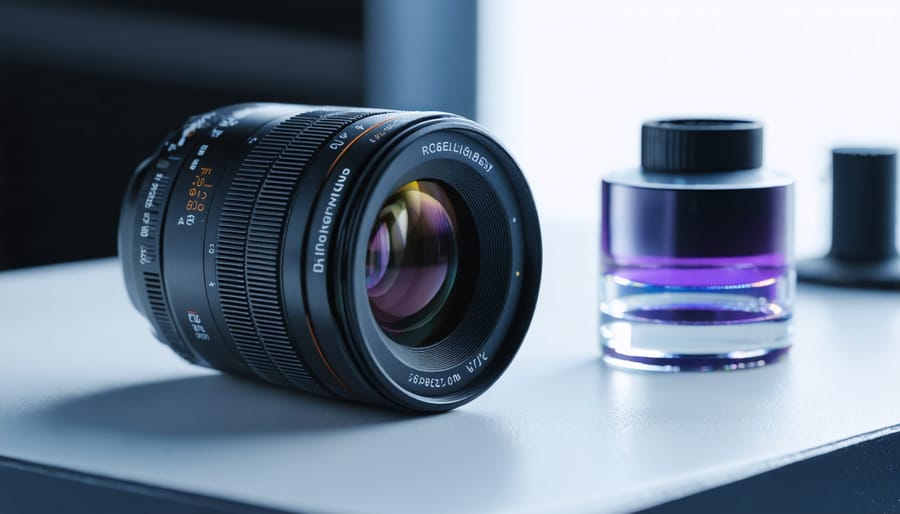
Why X-Ray Optics Changed Everything We Know About Camera Lenses

X-ray optical systems represent cutting-edge technology borrowed from astrophysics and medical imaging that’s revolutionizing how camera manufacturers design modern lenses. While you won’t find actual X-ray components in your DSLR or mirrorless camera, the precision manufacturing techniques and optical design principles developed for X-ray telescopes and synchrotron facilities have directly influenced the ultra-high-resolution glass elements in today’s premium photography equipment.
Consider how Zeiss and Canon’s recent flagship lenses achieve unprecedented sharpness across the entire frame—this stems from …