Hardware Innovations

Advanced camera equipment, smart devices, and innovative photography gear

What Is Sensor Imaging (and How Does It Work)?

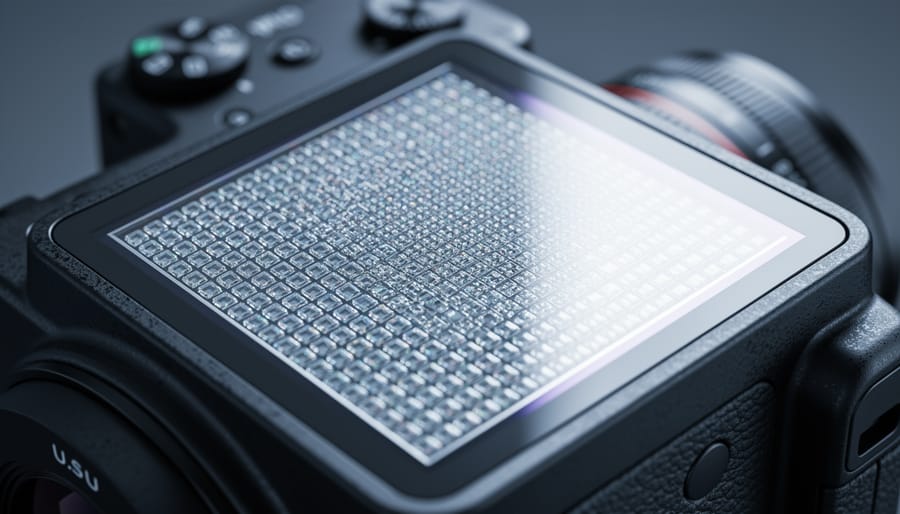
Sensor imaging is the process by which a camera sensor converts light into a digital photograph. When you press the shutter button, millions of tiny light-sensitive pixels on the sensor capture photons, measure their intensity and color, then translate that information into the digital file you see on your screen. This technology sits at the heart of every digital camera, from your smartphone to professional medium format systems.
Understanding sensor imaging matters because it directly …
How to Choose a Small Wearable Camera: A Buying Guide

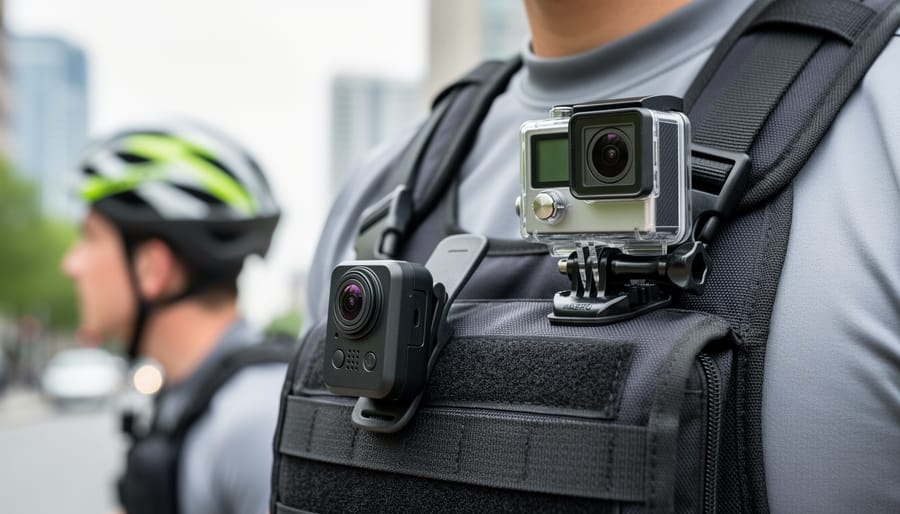
The market for small wearable cameras in 2026 comes down to two distinct categories: ultra-compact body cams designed for discreet point-of-view recording, and miniaturized action cameras built for adventure documentation. The right choice depends on whether you prioritize stealth and battery life (body cams excel here with 3-6 hours of recording) or image stabilization and mounting flexibility (where compact action cameras shine). Most buyers make the mistake of choosing based on resolution specs alone, but real-world performance hinges on sensor size, mounting options, and whether the camera’s form factor matches your actual use …

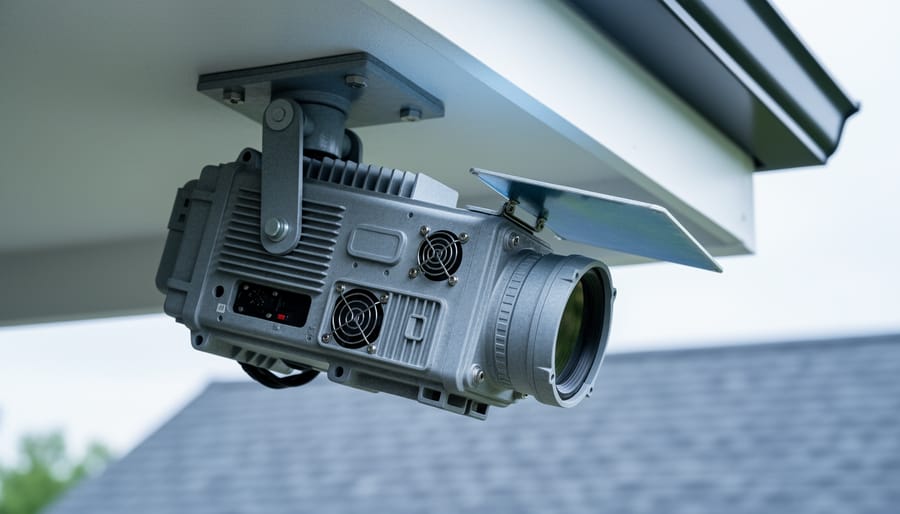
Why Your Thermal Camera Keeps Overheating (And How to Fix It)

Monitor your thermal analog camera’s operating temperature by checking the manufacturer’s specifications for maximum ambient conditions, typically ranging between 40-50°C (104-122°F), and ensure your setup location stays well below these thresholds to prevent automatic shutdowns or permanent sensor damage.
Position passive cooling solutions strategically around your camera housing by installing heat sinks on the camera body’s exterior surfaces, mounting the unit away from direct sunlight and heat-generating equipment, and maintaining at least 6 inches of clearance on all ventilated sides to promote natural …

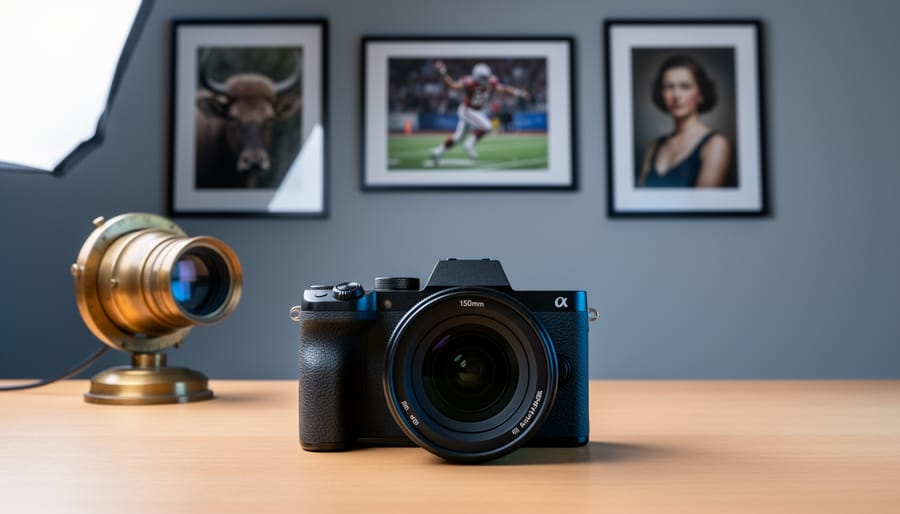
Why 6 Inch Camera Lenses Changed Professional Photography Forever

Understanding lens measurements can feel like decoding a foreign language, especially when photographers casually mention “6 inch lenses” while camera specifications list everything in millimeters. Here’s what you need to know: a 6 inch lens translates to approximately 150mm in modern photography terms, and this focal length represents a sweet spot in telephoto photography that professionals have relied on for decades.
The confusion stems from photography’s historical roots. Before the metric system dominated camera specifications, lenses were measured in inches, particularly in American and British markets. …

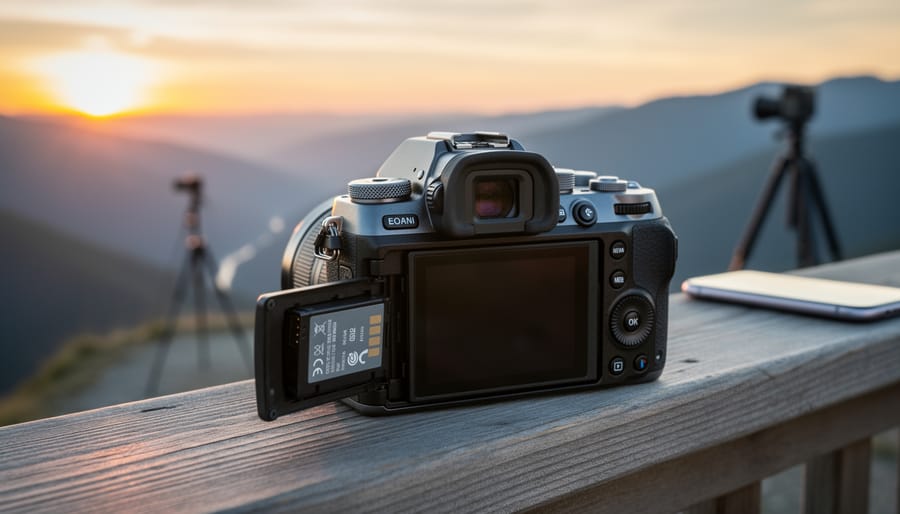
Your Camera Battery Keeps Dying Because of These Hidden Power Drains

Your camera died halfway through the golden hour shoot. Again. You’re not alone—battery anxiety ranks among photographers’ top frustrations, whether you’re a weekend hobbyist or a professional on a multi-day assignment. The culprit? Modern cameras pack increasingly powerful processors, high-resolution sensors, and connectivity features that devour power at alarming rates.
Here’s the good news: camera manufacturers have finally recognized that megapixels and frame rates mean nothing if your gear can’t last through a session. Energy-efficient hardware has become the silent revolution in camera design, …

Why X-Ray Optics Changed Everything We Know About Camera Lenses

X-ray optical systems represent cutting-edge technology borrowed from astrophysics and medical imaging that’s revolutionizing how camera manufacturers design modern lenses. While you won’t find actual X-ray components in your DSLR or mirrorless camera, the precision manufacturing techniques and optical design principles developed for X-ray telescopes and synchrotron facilities have directly influenced the ultra-high-resolution glass elements in today’s premium photography equipment.
Consider how Zeiss and Canon’s recent flagship lenses achieve unprecedented sharpness across the entire frame—this stems from …

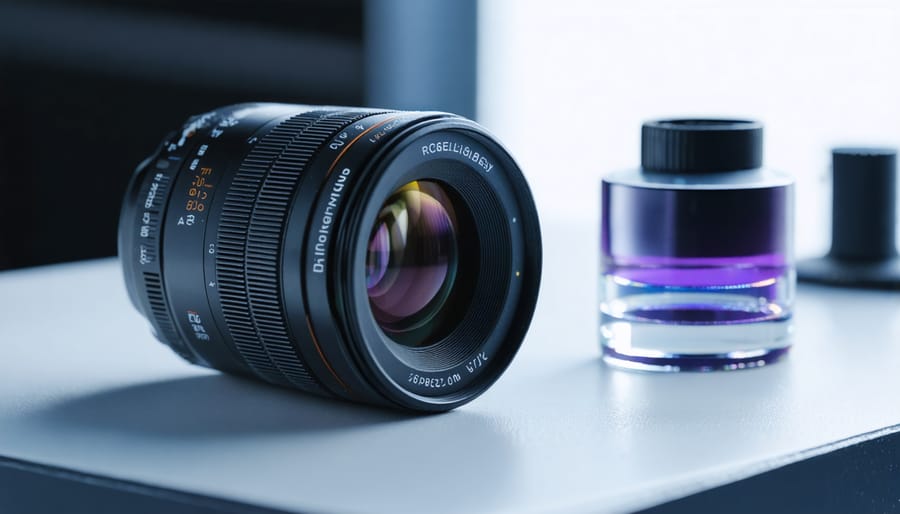
Advanced Optics: How Modern Camera Lenses Are Reshaping Photography

Advanced optics represents a quantum leap in modern photography, where revolutionary camera technologies merge with precision engineering to redefine image capture. From nano-scale lens coatings that virtually eliminate chromatic aberration to adaptive optical elements that compensate for atmospheric distortion in real-time, today’s advanced optical systems push the boundaries of what’s possible in photography and scientific imaging.
The convergence of computational photography with sophisticated …

How Depth-Sensing Cameras Are Revolutionizing Energy-Efficient Photography

Depth-sensing cameras are revolutionizing how we perceive and interact with the digital world. Unlike traditional cameras that capture flat images, these sophisticated devices create detailed three-dimensional maps of their surroundings by measuring the distance to every point in their field of view. Using advanced technologies like structured light, time-of-flight sensors, and stereoscopic imaging, depth-sensing cameras have become integral to applications ranging from smartphone facial recognition to autonomous vehicle navigation.
What makes these cameras particularly fascinating is their ability to understand spatial …

Tiny Tech, Big Impact: How Miniature Camera Modules Are Revolutionizing Photography

In the ever-shrinking world of digital imaging technology, miniature camera modules have revolutionized how we capture, share, and integrate visual information into our daily lives. These tiny yet powerful devices, often measuring just millimeters in size, pack sophisticated optics, sensors, and processing capabilities that rival traditional cameras of the past.
From smartphones that fit in our pockets to medical devices that explore the human body, miniature camera modules have become the eyes of our modern technological landscape. Their rapid evolution has enabled breakthrough applications in robotics, autonomous vehicles, …

AR Camera Technology Is Changing Photography Forever (Here’s How)

Transform your smartphone into a dynamic AR photography studio by merging digital elements with real-world scenes. This groundbreaking technology empowers photographers to create immersive AR experiences that transcend traditional photography boundaries.
AR photography fuses real-time camera feeds with computer-generated imagery, allowing photographers to add 3D objects, interactive elements, and dynamic effects to their compositions before capturing the final image. Whether you’re placing virtual …