 By
By 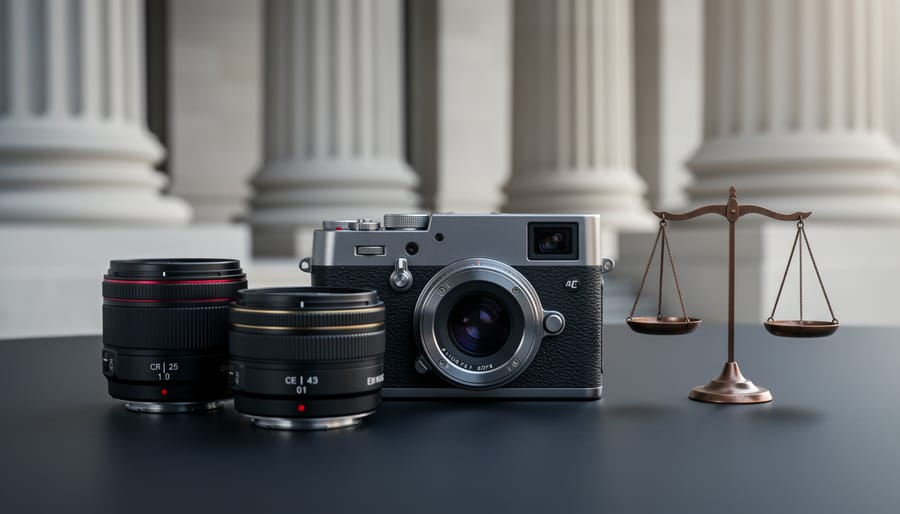
Look at any photography store shelf and you’ll notice something remarkable: even without reading labels, you can instantly identify a Nikon lens by its distinctive gold ring, a Canon L-series by its red accent band, or a Fujifilm camera by its retro-inspired dials and silver-black body styling. These visual signatures aren’t accidents—they’re legally protected trade dress, a form of intellectual property that safeguards the overall look and feel of products from copycat competitors.
Trade dress protection extends beyond logos and brand names to encompass the complete visual impression a product creates. In the photography world, this matters more than you might think. When you’re spending thousands of dollars on camera gear, distinguishing authentic equipment from knockoffs can mean the difference between professional reliability and costly disappointment. The distinctive ribbed grip texture on a certain mirrorless camera, the specific arrangement of control dials, or even the unique lens mount styling—all these elements can potentially receive trade dress protection if they’ve become associated with a particular manufacturer in consumers’ minds.
Understanding trade dress becomes especially relevant when browsing used equipment marketplaces or encountering unfamiliar third-party manufacturers. Some visual elements are purely functional and therefore can’t be protected, while others serve as source identifiers that signal quality and authenticity. Photography equipment manufacturers invest heavily in creating distinctive product appearances that communicate their brand values, and courts have repeatedly upheld these design choices as protectable intellectual property when competitors attempt too-close imitations. Recognizing what constitutes protected trade dress helps you make informed purchasing decisions and understand why certain design elements remain exclusive to specific brands despite obvious functionality benefits.
What Trade Dress Actually Means (In Plain English)
The Three Elements That Make Trade Dress Protectable
Not all visual designs can be protected as trade dress—there are three legal tests a company must pass. Let’s break down what makes something protectable using photography gear as our guide.
First comes distinctiveness. The design must immediately identify the source of the product in consumers’ minds. Think of Leica’s red dot badge on their cameras. That small circular emblem has become so distinctive that photographers worldwide recognize it as signaling a Leica product. It doesn’t describe what the camera does—it simply identifies who made it. Compare this to a generic camera strap with padding, which any manufacturer might use. The difference? The red dot has acquired secondary meaning through decades of consistent use, while a padded strap is just a common design feature.
Second is non-functionality. This requirement separates aesthetic design from useful features. A design element can’t be protected if it’s essential to the product’s function or affects its cost or quality. Here’s where things get interesting for camera gear. A lens mount design, for instance, typically can’t be protected as trade dress because it serves the functional purpose of attaching lenses to bodies. Similarly, the rubberized grip texture on a camera body exists primarily to prevent slipping—that’s functional. However, the specific arrangement of a manufacturer’s control dial layout, if unique enough, might qualify for protection because there are multiple ways to arrange controls effectively.
Third is consumer recognition. The design must actually function as a brand identifier in the marketplace. This often requires proof that consumers associate the design with a particular source. Canon’s white telephoto lenses have achieved this status—when photographers see that distinctive white barrel, they immediately think “Canon professional lens.” This recognition developed over years of market presence, much like registered trademarks gain strength through consistent use.
Understanding these three elements helps explain why some design features receive protection while others remain fair game for all manufacturers.
Trade Dress in Action: Real Camera Industry Examples
The Iconic Red Dot: Leica’s Signature Look
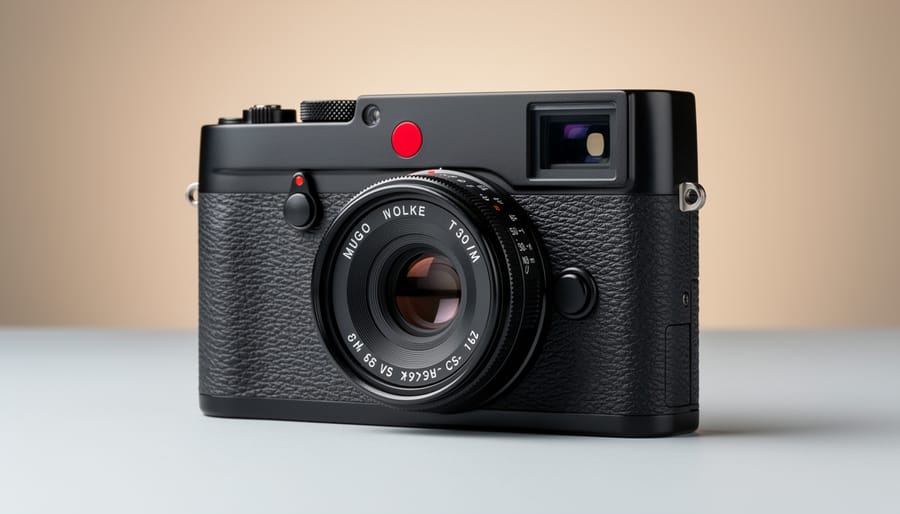
If you’ve ever spotted that distinctive red circular dot on a camera, you immediately knew what you were looking at: a Leica. This tiny emblem, measuring just about 7mm in diameter, has become one of photography’s most recognizable trade dress elements. Since 1986, when Leica introduced this simple red circle on the front of their cameras, it’s evolved from a brand identifier into a symbol of photographic excellence and premium craftsmanship.
The red dot works as trade dress because it’s inherently distinctive and non-functional. Unlike a shutter button or grip texture that serves a practical purpose, this dot exists purely to identify the source. It tells you that you’re holding a camera with German engineering heritage, legendary optical quality, and yes, a premium price tag. Leica has successfully registered and defended this mark because consumers have come to associate it exclusively with their brand.
However, that recognizability has made it a target. Over the years, various manufacturers have released cameras featuring similar red accent dots, prompting Leica to enforce their rights. The company has issued cease-and-desist letters and taken legal action against unauthorized use. In some cases, companies argue their red accent serves a different design purpose, but courts generally side with Leica when the placement and appearance create consumer confusion.
The red dot even spawned an entire subculture of aftermarket stickers and modifications, with some photographers removing or covering it to avoid drawing attention, while others proudly display it as a badge of their craft.
Camera Body Design: When Shape Becomes Identity
When you think about iconic camera designs, certain shapes immediately come to mind. The rectangular rangefinder silhouette of a Leica. The distinctive pentaprism hump of a classic SLR. That unique retro styling that makes Fujifilm’s X-series instantly recognizable. These design elements aren’t just aesthetic choices—they can be legally protected trade dress that defines a brand’s identity in the marketplace.
Trade dress protection for camera bodies focuses on the overall visual impression created by shape, proportions, grip patterns, and design language. Unlike a patent that protects mechanical innovation, trade dress safeguards the distinctive appearance that consumers associate with a particular manufacturer. Think of it as protecting the “look and feel” that makes you recognize a camera from across a photography conference before you even see the logo.
One notable example involves Leica’s longstanding rangefinder design, which has become so synonymous with the brand that certain proportions and design cues are strongly associated with their identity. While specific legal battles remain confidential, multiple manufacturers have faced challenges when creating rangefinder-style cameras that too closely mimic Leica’s distinctive profile and design elements.
Fujifilm has successfully established trade dress through its X-series cameras, which feature prominent exposure compensation dials, dedicated shutter speed dials, and retro-inspired control layouts. This distinctive design language has become a signature element that distinguishes their products in crowded camera displays.
The key to successful trade dress protection lies in proving that the design has acquired secondary meaning—that consumers see the shape and immediately think of your brand. For camera manufacturers, this means consistently applying design elements across product lines until they become unmistakable brand identifiers. As a consumer, understanding these protections helps explain why certain design innovations remain exclusive to specific manufacturers.
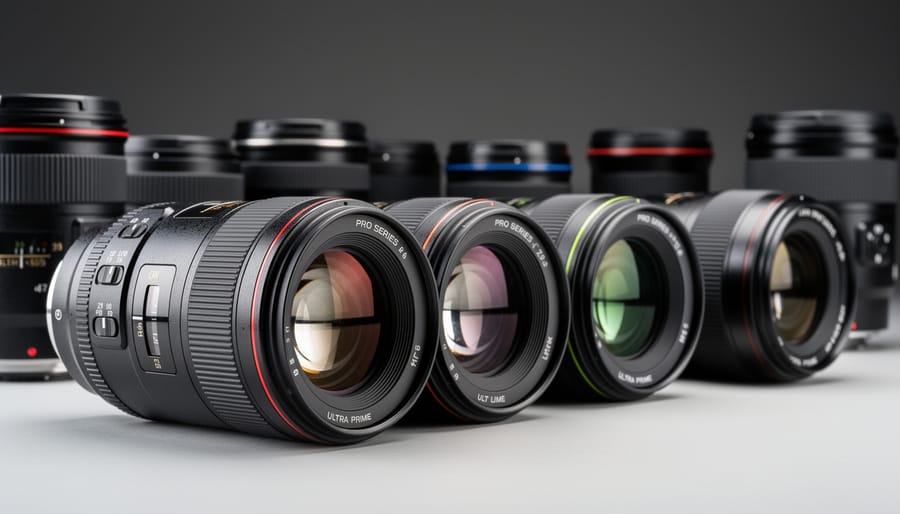
Lens Barrel Aesthetics and Color Rings
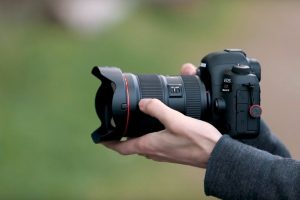
If you’ve ever browsed through camera gear online or in a store, you’ve probably noticed those distinctive colored rings adorning professional lenses. Canon’s iconic red ring, Nikon’s gold band, Sony’s subtle white lettering—these aren’t just decorative choices. They’re carefully crafted design elements that function as trade dress, helping photographers instantly identify premium glass from across the room.
Canon’s red ring made its debut in 1995 with the company’s L-series lenses, signaling professional-grade optics with superior optical coatings and weather sealing. Similarly, Nikon’s gold ring distinguishes their high-end lenses, while Fujifilm uses a red badge on their premium XF lenses. These visual markers serve a dual purpose: they communicate quality and create brand recognition in a crowded marketplace.
But here’s where it gets legally interesting. Can a manufacturer truly own a colored ring? Trade dress protection requires that the design element be non-functional and have acquired secondary meaning—meaning consumers associate that specific design with a particular brand. While the ring itself serves no optical function, it does help professionals quickly identify compatible gear systems, which could be considered functional from a practical standpoint.
Courts generally recognize that these decorative elements qualify for trade dress protection because they’ve become so strongly associated with their respective brands over decades of use. The key is proving that consumers see the red ring and immediately think “Canon professional lens” rather than just “expensive lens.” This association is what transforms a simple design choice into valuable intellectual property worth protecting.
The Third-Party Accessory Dilemma
Third-party accessory makers walk a fine line when designing products compatible with major camera brands. They can create legitimate alternatives, but copying the distinctive appearance too closely risks trade dress infringement.
Consider battery grips. Companies like Meike and Vello manufacture grips that fit Canon and Nikon bodies perfectly, using similar button layouts and materials. This is generally acceptable because functional elements—where buttons must logically be placed for ergonomic access—aren’t protected by trade dress. However, when a third-party manufacturer replicates unique design flourishes, distinctive contours, or brand-specific aesthetic choices that go beyond function, problems arise.
A notable case involved lens manufacturers copying not just optical designs but the distinctive red ring found on Canon’s L-series lenses. While making compatible lenses is legal competition, appropriating Canon’s iconic red accent—a design element that immediately signals premium quality to photographers—crossed into trade dress territory.
The key distinction? Functional compatibility is fair game. A battery grip must have a shutter button where your finger naturally rests. But decorative elements, unique color schemes, or distinctive styling cues that identify the source brand are protected. Smart accessory companies understand this balance, creating products that work seamlessly with your gear while maintaining their own visual identity rather than mimicking the original manufacturer’s distinctive appearance.
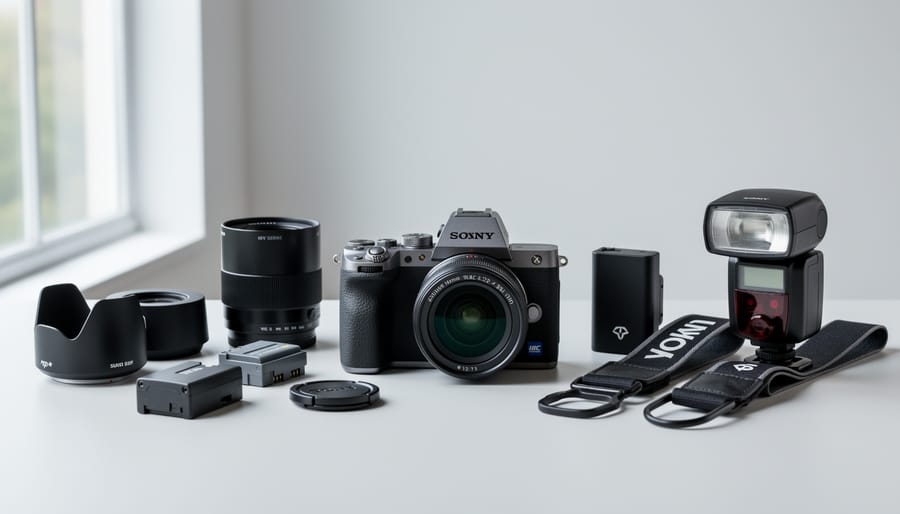
Why This Matters When You’re Shopping for Gear
Spotting Legitimate Alternatives vs. Knockoffs
When you’re shopping for camera accessories, the line between a legitimate alternative and a trade dress knockoff can feel blurry. Let’s walk through some practical ways to distinguish between the two, so you can make confident purchasing decisions.
Start by examining the overall presentation. Legitimate third-party manufacturers typically develop their own distinct visual identity. For example, Tamron lenses feature a unique gold ring and specific typography that doesn’t attempt to mimic Canon’s red ring or Nikon’s gold accents. These companies compete on merit while maintaining their own recognizable design language. In contrast, knockoffs often copy the exact color schemes, font styles, and packaging layouts of premium brands, hoping buyers will mistake them for the real thing.
Pay attention to branding clarity. Reputable alternatives prominently display their own brand name and never try to hide their identity. If you’re looking at a camera grip that seems suspiciously similar to a Canon product but the branding is tiny, unclear, or positioned to be easily covered, that’s a red flag. Legitimate competitors want you to know who made your product because they’re building their own reputation.
Check the product description and marketing language carefully. Legal alternatives will emphasize their compatibility with major brands without suggesting affiliation. Phrases like “works with Canon cameras” are fine, but “Canon-style professional grip” that mimics Canon’s exact design crosses into problematic territory.
Price can be an indicator, though not definitive. If something seems impossibly cheap while looking nearly identical to a premium product, investigate further. Many excellent third-party options offer great value, but they achieve this through smart engineering and efficient manufacturing, not by copying someone else’s distinctive appearance.
When in doubt, research the manufacturer. Established third-party brands have their own websites, customer reviews, and transparent business practices. They’ve invested in creating products that stand on their own merits rather than riding on another company’s visual reputation.
The Gray Areas: When Design Gets Complicated
Trade dress protection isn’t always black and white, and nowhere is this more apparent than in camera design. The photography industry loves to draw inspiration from its own history, which creates some genuinely tricky situations that even lawyers debate.
Consider the ongoing trend of retro-styled cameras. When Fujifilm introduced its X-series with dials and angular bodies reminiscent of 1970s rangefinders, they were clearly channeling vintage aesthetics. But they weren’t copying any specific model—they were evoking an era. This is generally acceptable because you can’t trademark an entire design movement or time period. Similarly, when Nikon released the Z fc with its FM2-inspired styling, they were revisiting their own heritage, which is perfectly legal.
The waters get murkier when modern manufacturers create cameras that closely resemble specific vintage models they didn’t originally produce. Where’s the line between “inspired by classic design” and actual trade dress infringement? The answer often depends on whether the overall combination of features would cause consumer confusion about the source or sponsorship of the product.
Here’s a common misconception: many photographers assume that because something looks old or generic, it’s fair game to copy. Not necessarily true. If a particular design has acquired secondary meaning—meaning consumers associate that specific look with one brand—it can still be protected even if it appears “basic.”
Another gray area involves functional design elements. Let’s say every modern mirrorless camera has a certain grip angle because that’s simply the most ergonomic option for human hands. That functional necessity can’t be monopolized through trade dress. The same applies to standard hot shoe placements or tripod mount positions—these are industry standards driven by compatibility requirements, not distinctive brand identifiers.
The key distinction? If a design element serves a purely functional purpose or represents the only practical way to achieve something, it typically can’t receive trade dress protection. But if manufacturers add distinctive visual flourishes beyond what function requires, those embellishments might qualify. Understanding these nuances helps explain why some seemingly similar cameras coexist peacefully while others spark legal battles.
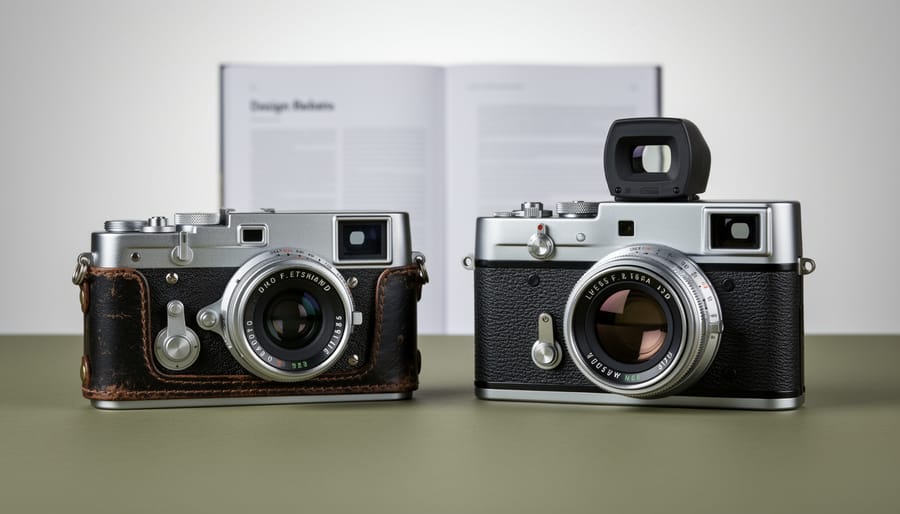
Understanding trade dress gives you a valuable lens through which to view the photography industry. When you recognize the distinctive red ring on a Canon L-series lens or the angular design language of a Nikon camera body, you’re seeing the result of intentional design choices that serve both functional and branding purposes. These visual identifiers help you make quick decisions in fast-paced shooting environments and communicate professionalism to clients who recognize premium gear.
For photographers, this knowledge translates into smarter purchasing decisions. You’ll better understand why certain design elements command premium prices and why knockoff products often fall short—they copy the appearance but lack the engineering refinement that makes original designs work. Trade dress protections encourage manufacturers to invest in genuine innovation rather than simply imitating competitors, which ultimately means better gear for all of us.
Just as legal protections safeguard your creative work, trade dress laws maintain a competitive marketplace where originality matters. This healthy competition drives companies to develop distinctive features that actually improve our shooting experience, not just cosmetic differences.
The practical takeaway? Let trade dress awareness inform your choices, but don’t let brand aesthetics override performance and value. Recognize when you’re paying for genuine innovation versus simply buying into a recognizable look. Balance your brand loyalty with objective evaluation of features, quality, and price—your photography will benefit more from thoughtful gear choices than from collecting recognizable designs.




 By
By