 By
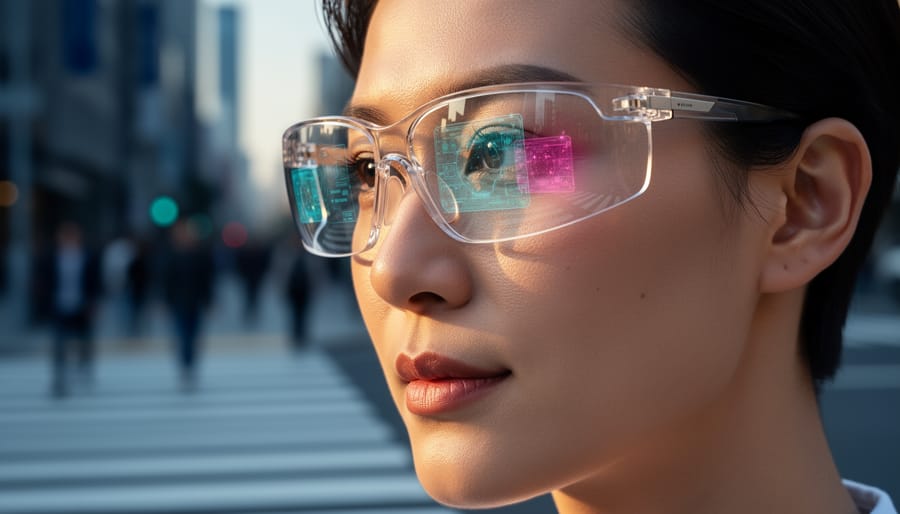
By Your smartphone camera captures a crisp sunset in milliseconds, but when you launch an AR filter, suddenly everything looks soft and jittery. This disconnect frustrates photographers who assume their camera skills should translate directly to augmented reality—but AR optics operate on fundamentally different principles than traditional photography.
Augmented reality doesn’t just capture light like your camera does. Instead, it combines real-world optical input with computer-generated imagery in real-time, creating a hybrid visual experience that demands entirely new technical considerations. The optical systems powering AR …