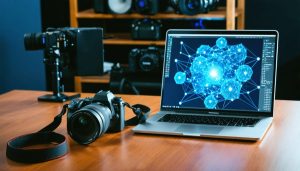
Imagine capturing a single photograph and transforming it into a fully three-dimensional scene that viewers can explore from multiple angles. This isn’t science fiction—it’s the breakthrough capability of context-aware layered depth inpainting, a technology that’s reshaping how we create and experience photographic images. Traditional 3D photography required expensive equipment arrays or specialized cameras, but this AI-driven approach uses computational intelligence to analyze a standard 2D image, understand its spatial relationships, and reconstruct the missing information that exists behind visible objects.
…
Why Your VR Photos Look Flat (And How Field of View Changes Everything)
You’ve captured an amazing VR photograph, but when you put on your headset, something feels wrong. The scene looks flat, almost like viewing a regular panorama wrapped around you instead of standing inside an actual space. The culprit? Field of view isn’t just about how wide your camera sees—it’s the critical factor that determines whether your VR content creates genuine presence or leaves viewers feeling like they’re looking at pictures on curved walls.
Field of view in VR photography operates differently than traditional photography because you’re not just capturing what’s in front of the lens…
How Google Image Metadata Actually Works (And Why AI Changes Everything)
Embed EXIF data directly into your images before uploading to Google Photos or Drive—this includes camera settings, GPS coordinates, copyright information, and keywords that Google’s algorithms automatically index and make searchable. Your metadata travels with your photos across Google’s ecosystem, enabling powerful search capabilities like finding all images shot at f/2.8 or locating photos by geographic area without manual tagging.
Leverage Google’s Vision AI to automatically generate descriptive labels and detect objects, faces, and landmarks that supplement your manually entered metadata. This dual-layer …
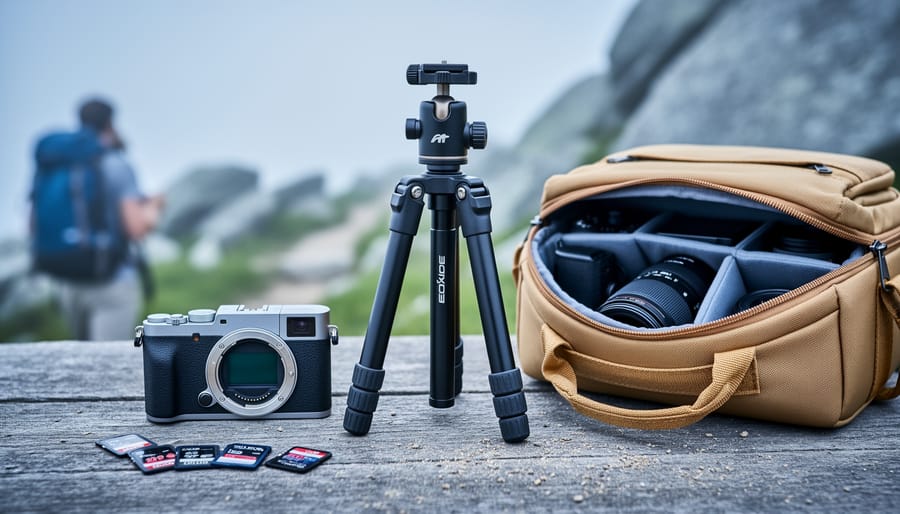
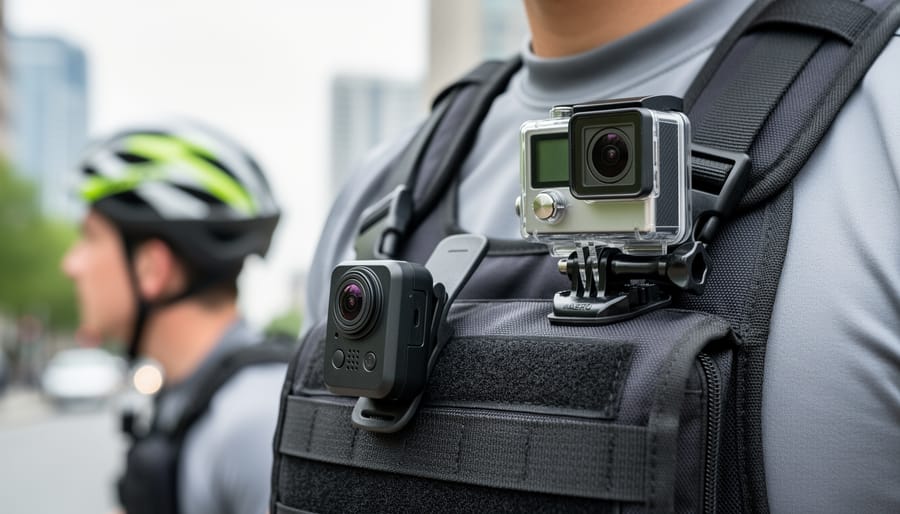
These Camera Accessories Will Transform How You Shoot
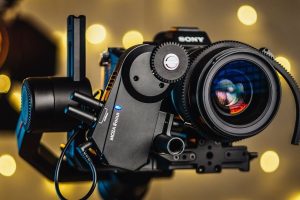
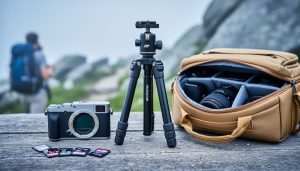
Look beyond the standard tripod and lens filter—truly innovative camera accessories are redefining what’s possible behind the lens. While essential camera accessories form your foundation, the cutting edge of photography gear now includes AI-powered tracking systems, modular lighting solutions that fit in your pocket, and smartphone-integrated tools that bridge the gap between professional and mobile photography.
The photography landscape has shifted dramatically in recent years. What once required a …
How AI Photo Analysis Is Changing What Your Camera Sees (Before You Even Press the Shutter)
Your camera is making dozens of split-second decisions before you even press the shutter button. Modern AI photo analysis technology identifies faces in the frame, predicts where a bird in flight will move next, recognizes that you’re shooting a sunset rather than a soccer game, and adjusts settings accordingly—all in the fraction of a second between half-pressing the trigger and capturing the image.
This isn’t some distant future scenario. If you’ve purchased a camera or smartphone in the past three years, you already own this technology. The question isn’t whether AI photo analysis exists in your gear, …
Why Your VR Photos Look Terrible (And How FPE Fixes Them)
Virtual reality photography faces a critical bottleneck: 360-degree images and videos generate massive file sizes that strain bandwidth, slow loading times, and compromise the immersive experience viewers expect. A single high-quality 8K stereoscopic 360 image can exceed 50MB, making real-time streaming nearly impossible and frustrating users with buffering delays. Foveated Progressive Encoding (FPE) solves this problem by matching how human vision actually works in VR headsets.
FPE dramatically reduces file sizes by encoding different regions of a 360 image at varying quality levels. The center of your field of view receives full …
Why 6 Inch Camera Lenses Changed Professional Photography Forever
Understanding lens measurements can feel like decoding a foreign language, especially when photographers casually mention “6 inch lenses” while camera specifications list everything in millimeters. Here’s what you need to know: a 6 inch lens translates to approximately 150mm in modern photography terms, and this focal length represents a sweet spot in telephoto photography that professionals have relied on for decades.
The confusion stems from photography’s historical roots. Before the metric system dominated camera specifications, lenses were measured in inches, particularly in American and British markets. …
AI Just Changed How We Organize Photos Forever (Here’s What You Need to Know)
Every photograph you capture contains a hidden layer of information—metadata—that reveals camera settings, location data, copyright details, and timestamps. Yet most photographers overlook this powerful organizational tool until they’re drowning in thousands of unnamed files with zero context.
A JPEG metadata editor allows you to view, modify, and standardize this embedded information, transforming chaotic photo libraries into searchable, well-organized archives. Whether you need to strip location data for privacy, batch-update copyright information across portfolios, or simply understand why certain images look the way …
Why Your AR Photos Look Blurry (And How Optics Actually Work)
Your smartphone camera captures a crisp sunset in milliseconds, but when you launch an AR filter, suddenly everything looks soft and jittery. This disconnect frustrates photographers who assume their camera skills should translate directly to augmented reality—but AR optics operate on fundamentally different principles than traditional photography.
Augmented reality doesn’t just capture light like your camera does. Instead, it combines real-world optical input with computer-generated imagery in real-time, creating a hybrid visual experience that demands entirely new technical considerations. The optical systems powering AR …
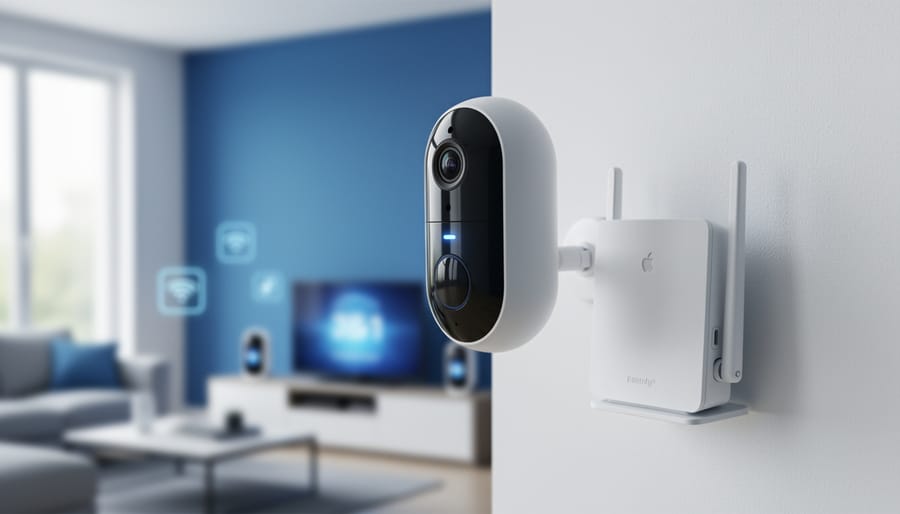
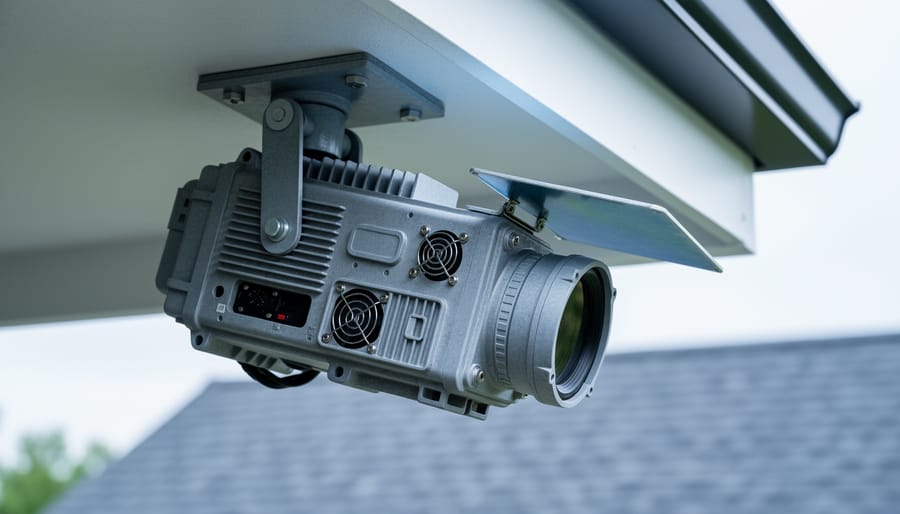
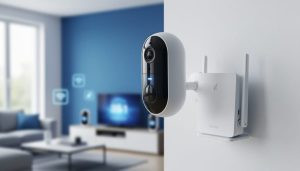
Your Smart Camera Just Got Smarter: How Home Automation Changes Everything
Connect your smart cameras to voice assistants like Amazon Alexa or Google Assistant first—this single integration unlocks hands-free control of live feeds on smart displays and lets you incorporate camera triggers into broader home routines. Most modern security cameras support this natively through their companion apps, requiring just a few minutes to link accounts and discover devices.
Build automation sequences that leverage your camera’s motion detection as a trigger for other smart devices. When your outdoor camera detects movement at night, automatically turn on porch lights, unlock specific doors for verified faces, …