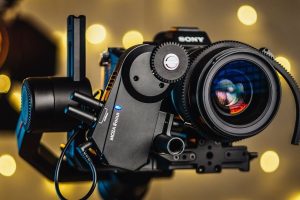
Understand that the analog-to-digital converter (ADC) in your camera sensor is the bridge between light and your final image—it determines how those captured photons become the digital data you edit in post-production. Modern camera sensors use three primary ADC architectures, each making distinct trade-offs between read speed, noise performance, and bit-depth that directly impact your shooting experience.
Column-level ADCs place a converter at each pixel column, enabling faster readout speeds for high frame rates and reduced rolling shutter, though they typically operate at lower bit-depths (10-12 bits). This architecture powers …
How the University Photographers Association of America Transforms Collaboration for Campus Shooters
University photography isn’t just about capturing campus events and student portraits anymore. Today’s university photographers face unique challenges that set them apart from commercial or editorial shooters: navigating complex institutional hierarchies, balancing diverse stakeholder expectations, maintaining consistent visual branding across hundreds of annual projects, and justifying photography budgets to administrators who may not understand the medium’s value.
The University Photographers Association of America addresses these specific pain points through a collaborative network that transforms isolated …