 By
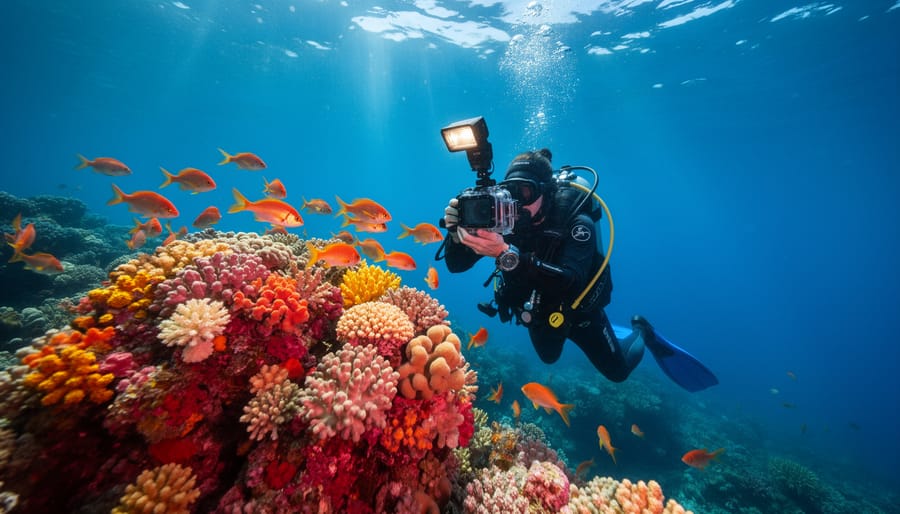
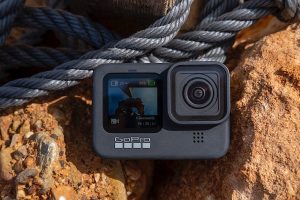
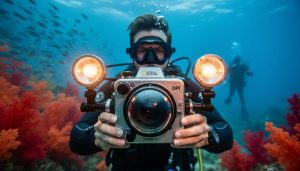
By Descend below the surface with your camera in proper housing rated for your maximum diving depth, ensuring all O-rings are cleaned and properly sealed before each dive. Position yourself slightly below your subject and shoot upward whenever possible—this technique captures the magical interplay of natural light filtering through the water column while creating dramatic silhouettes and preventing the common mistake of photographing subjects against monotonous, darker backgrounds.
Shoot in RAW format exclusively and set your white balance to a custom underwater preset or around 5500-6500K, as water absorbs red wavelengths within the…