 By
By 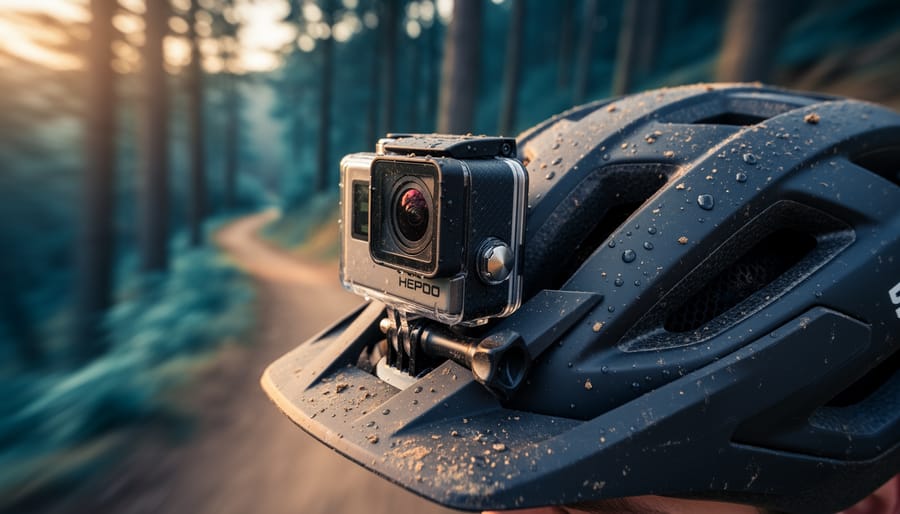
Walk into any electronics store and you’ll face dozens of action cameras promising crystal-clear 4K footage, waterproof durability, and image stabilization—but which features actually matter for your adventures? The gap between marketing promises and real-world performance costs consumers hundreds of dollars annually in unsuitable purchases. Before dropping cash on the latest GoPro alternative or flagship model, you need to understand how frame rates affect slow-motion quality, why bitrate matters more than resolution for action shots, and whether electronic stabilization can handle your mountain biking trails or white-water rapids.
This camera buying guide cuts through manufacturer hype to reveal what genuinely impacts your footage quality. You’ll discover which specifications translate to better results for your specific activities—from surfing to snowboarding—and learn to spot the difference between essential features and expensive gimmicks. Whether you’re capturing your first skydive or upgrading from a three-year-old model, understanding these fundamentals prevents buyer’s remorse and ensures your investment delivers the performance you actually need on the mountain, water, or trail.
What Makes Action Cameras Different from Regular Cameras
Action cameras represent a fundamentally different approach to photography and videography compared to traditional DSLRs, mirrorless cameras, and point-and-shoots. While conventional cameras prioritize image quality, versatility, and manual control, action cameras are engineered around a single core principle: capturing dynamic moments in extreme conditions where other cameras simply can’t survive.
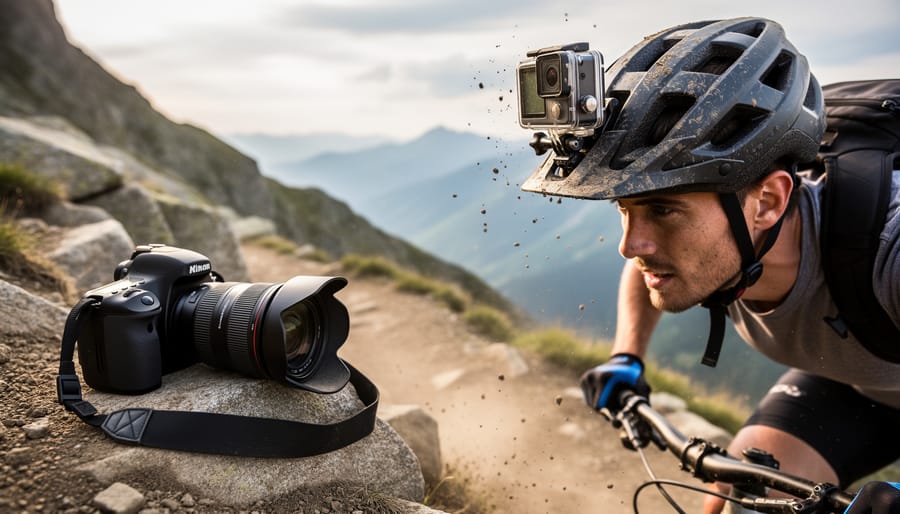
The most obvious difference is durability. Action cameras feature rugged construction with waterproof housings rated to significant depths, often 30 feet or more without additional cases. They’re built to withstand impacts, vibrations, and temperature extremes that would destroy a traditional camera. Think of mounting a DSLR to your mountain bike handlebars during a downhill run—it’s simply not designed for that punishment.
Form factor is equally critical. Action cameras are compact and lightweight, typically weighing just a few ounces. This miniaturization allows them to go where regular cameras can’t: strapped to your helmet, mounted on a surfboard, or attached to a drone. The ultra-wide-angle lenses, usually in the 120-170 degree range, capture immersive perspectives that make viewers feel like they’re part of the action, though this comes with some fisheye distortion.
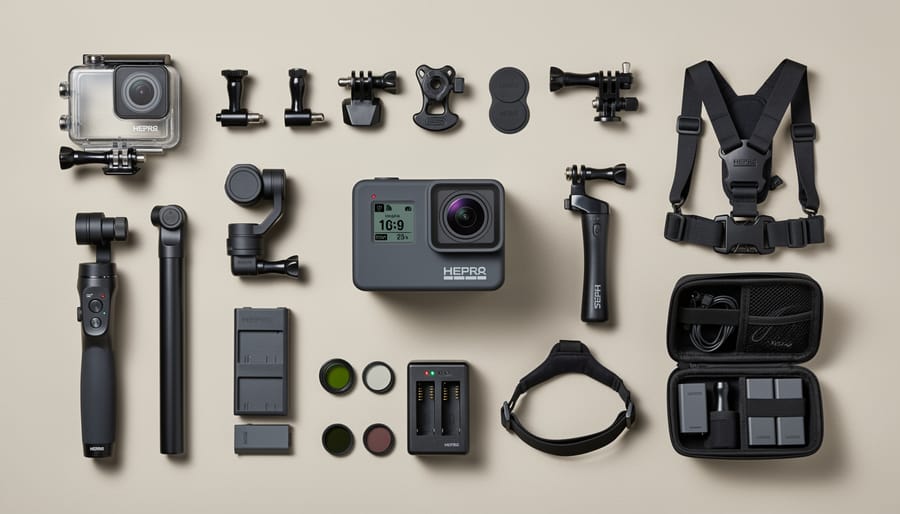
The mounting ecosystem deserves special attention. Action cameras use standardized mounting systems with hundreds of accessories available—chest harnesses, suction cups, handlebar clamps, and specialty mounts for virtually any activity. Regular cameras rely on tripods and handheld shooting, limiting their versatility in active scenarios.
Finally, action cameras prioritize ease of use in situations where you can’t fiddle with settings. One-button recording, voice control, and automated image stabilization mean you’re focused on the activity, not the camera. This “set it and forget it” philosophy contrasts sharply with the manual control enthusiasts expect from traditional cameras.
The Specs That Actually Matter (And the Ones That Don’t)
Video Resolution and Frame Rates
Video resolution and frame rates represent one of those areas where more isn’t always better—it depends entirely on what you’re shooting. Let’s break down what these specifications actually mean for your footage.
Resolution determines image detail. 4K (3840×2160 pixels) has become the sweet spot for most users, offering excellent quality without overwhelming storage requirements or demanding top-tier editing hardware. For reference, a single day of 4K footage at 60fps can consume 100GB or more. Meanwhile, 5K and higher resolutions are genuinely useful if you plan to crop footage in post-production or extract high-quality stills from video, but they demand significantly more processing power and storage space.
Frame rates affect motion smoothness. Standard 24fps delivers that cinematic look perfect for travel vlogs and storytelling. For action sports like mountain biking or skiing, 60fps provides noticeably smoother playback and allows modest slow-motion effects (slowing to 24fps gives you 2.5x slow-motion). High-speed frame rates of 120fps or 240fps are specifically for dramatic slow-motion sequences—think surfing wipeouts or skateboard tricks where you want to capture split-second details.
Here’s practical guidance: if you’re hiking, kayaking, or documenting family adventures, 4K at 30fps or 60fps handles everything beautifully. Rock climbing, motorsports, or any high-speed activity benefits from 60fps minimum. Reserve 120fps and above for intentional slow-motion shots, not continuous recording—the file sizes become unmanageable quickly, and you’ll spend more time managing data than enjoying your activities. Match your specs to your actual needs, not theoretical capabilities.
Image Stabilization Technology
Image stabilization has become the unsung hero of modern cameras, transforming shaky footage into smooth, watchable content. Understanding the differences between stabilization technologies can significantly impact your buying decision.
Optical Image Stabilization (OIS) uses physical lens elements or sensor shifts to counteract movement before it’s recorded. This hardware-based approach excels in low-light situations and produces natural-looking results. Electronic Image Stabilization (EIS), on the other hand, crops into your frame and uses software algorithms to smooth out motion. While EIS has improved dramatically, it reduces your effective field of view and can struggle in challenging lighting conditions.
Brand-specific technologies like GoPro’s HyperSmooth and DJI’s RockSteady represent advanced EIS implementations that deliver remarkably stable footage. These systems analyze movement patterns at high speeds and apply sophisticated corrections, often rivaling gimbal-like performance.
Stabilization becomes critical when you’re moving—think mountain biking, skiing, or handheld vlogging. However, it has limitations. No stabilization system can completely eliminate violent shakes or compensate for poor shooting technique. Additionally, aggressive stabilization can introduce the “jello effect” during rapid movements.
For static shots or tripod work, you’ll want the option to disable stabilization entirely, as it can sometimes introduce unwanted artifacts. When evaluating cameras, test stabilization performance in conditions matching your intended use—spec sheets rarely tell the full story.
Field of View and Lens Options
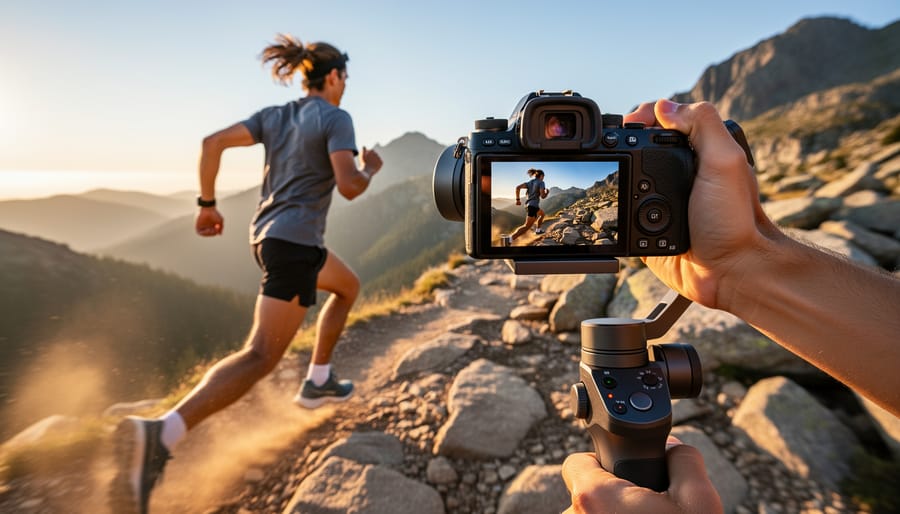
Field of view determines how much of a scene your camera captures, and getting this wrong can ruin otherwise perfect shots. Wide-angle lenses (typically 120-170 degrees) excel at capturing expansive landscapes or tight indoor spaces, but they introduce barrel distortion—that fish-eye effect where straight lines curve at the edges. This works beautifully for mountain biking footage where you want viewers to feel the speed and terrain, but it’s unflattering for vlogging where faces can appear distorted.
Linear FOV corrects this distortion digitally, creating a more natural perspective while maintaining a wide view. It’s your best bet for travel videos and everyday shooting where you want breadth without the curved-horizon effect. The tradeoff? Some edge cropping occurs during correction.
Narrow FOV (around 70-90 degrees) mimics what your eye sees naturally, making it ideal for filming subjects at a distance or creating cinematic footage without distortion. Wildlife photographers and sports shooters often prefer this tighter perspective.
Match your FOV to your activity: choose wide for immersive action sports, linear for general-purpose shooting, and narrow when you need telephoto-style reach or professional-looking compositions without post-production correction.
Battery Life Reality Check
Manufacturer battery ratings rarely tell the whole story. That “500 shots per charge” claim? It’s typically based on CIPA testing standards that don’t reflect real-world shooting patterns. Expect 20-30% less capacity in actual use, especially if you’re chimping frequently, using live view extensively, or shooting in cold weather.
Temperature is your battery’s biggest enemy. Performance drops dramatically below freezing, sometimes cutting capacity in half. If you’re shooting winter landscapes or skiing trips, keep spare batteries in an inside pocket close to your body. Video recording, continuous autofocus, and image stabilization are equally demanding features that accelerate drain considerably.
For serious shoots, plan on owning at least two extra batteries beyond what comes in the box. Third-party options cost less but verify compatibility and safety certifications first. Consider cameras with USB-C charging too, since you can top up from power banks during lunch breaks or between locations. Some newer models even allow shooting while charging, which proves invaluable during all-day events or time-lapse sessions.
Durability Features You Can’t Compromise On
When you’re investing in a camera for demanding environments, durability isn’t just a nice-to-have feature—it’s essential insurance for your gear. Let me walk you through what really matters when evaluating a camera’s toughness.
Build quality starts with the materials. Magnesium alloy bodies offer excellent strength-to-weight ratios, while polycarbonate housings can provide surprising durability at lower price points. Look for weather-sealed construction with gaskets around buttons, doors, and connection ports. A friend once told me about his unsealed camera that failed during a light drizzle at a wedding—the memory card slot let in just enough moisture to corrupt his entire shoot.
Waterproofing ratings use the IPX system, where the “X” gets replaced by a number indicating protection level. IPX7 means submersion up to 1 meter for 30 minutes—adequate for rain or splashes. IPX8 allows deeper diving, typically to 10 meters or more. However, these ratings apply to fresh water under controlled conditions. Saltwater is far more corrosive, and I’ve seen IPX7-rated cameras develop issues after beach use without proper rinsing.
Shock resistance matters more than many realize. Military-grade MIL-STD-810G certification indicates drop testing from specific heights, usually around 2 meters. This doesn’t make cameras indestructible, but they’ll survive typical fumbles. I once watched a photographer drop their ruggedized camera onto concrete from chest height—it picked up a cosmetic scuff but kept shooting flawlessly.
Temperature tolerance becomes critical in extreme conditions. Operating ranges typically span from -10°C to 40°C for consumer cameras, but professional models often handle -20°C to 50°C. Cold drains batteries faster and can cause LCD screens to lag, while heat triggers automatic shutdowns to prevent sensor damage.
The practical takeaway? Match durability specs to your actual shooting conditions, not aspirational adventures. A weather-sealed body makes sense for outdoor photographers, while studio shooters can prioritize other features.
Matching Camera Features to Your Activities
Water Sports and Diving
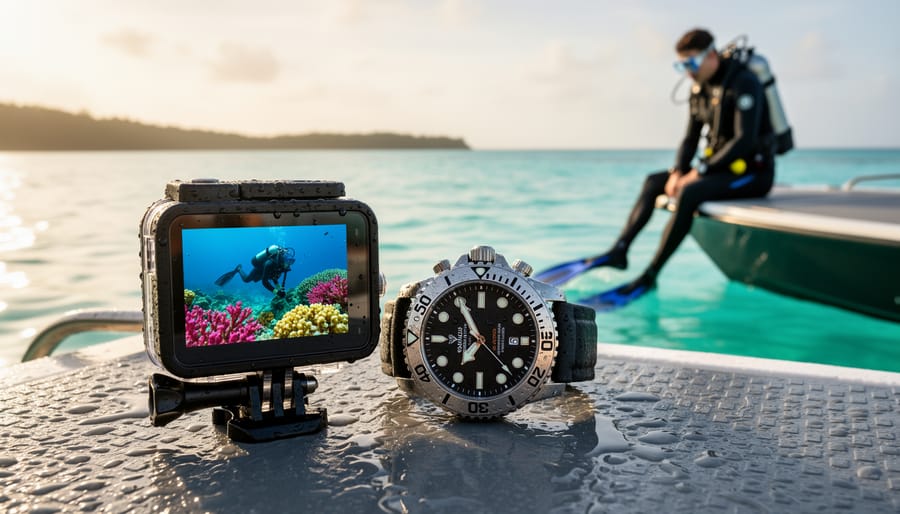
Underwater photography demands more than just a waterproof rating. Most action cameras handle depths between 10-33 feet without housing, sufficient for snorkeling and surface swimming. For serious diving, you’ll need a dedicated underwater housing rated to 130-200 feet, which typically costs $50-150 depending on your camera model.
Here’s what matters below the surface: cameras with flat lens ports can distort underwater images, so look for models with dome ports or housing options that include them. Color correction becomes critical since water absorbs red wavelengths first—built-in filters or manual white balance settings help restore natural tones. Many cameras now offer dedicated underwater modes that automatically adjust color profiles based on depth.
Audio underwater is essentially useless due to physics, but consider recording voice-over notes immediately after surfacing while memories are fresh. One practical tip from dive instructors: test your housing’s seal in a sink before every trip. A flooded camera is rarely salvageable, and even budget housings work perfectly when O-rings are properly maintained with silicone grease.
Mountain Biking and High-Speed Sports
Mountain biking and high-speed sports demand cameras that can keep pace with the action while delivering smooth, watchable footage. Look for in-body stabilization systems, often called electronic image stabilization or HyperSmooth technology in some brands, which compensate for jarring movements and vibrations from rough terrain. This feature transforms shaky handlebar footage into professional-looking sequences.
Mounting versatility matters tremendously here. Ensure your camera includes chest, helmet, and handlebar mounting options. Chest mounts provide an immersive rider’s perspective, while helmet mounts capture where you’re looking during technical descents.
Durability is non-negotiable. Seek cameras with rugged construction, reinforced lens covers, and impact resistance ratings. A single crash shouldn’t end your camera’s life. Real-world example: many professional mountain bikers prefer cameras that survive repeated tumbles without protective cases.
Frame rates determine your slow-motion capabilities. Shooting at 120fps or higher lets you dissect that perfect jump or technical maneuver in stunning detail during playback. Standard 60fps works for regular footage, but higher frame rates unlock creative storytelling possibilities that showcase your riding skills.
Hiking and Travel Vlogging
For hiking and travel vlogging, your camera needs to keep up with long days on the trail while delivering quality content. Battery life becomes paramount when you’re miles from an outlet—look for cameras offering at least 90 minutes of continuous recording, and always pack spare batteries. Many adventure vloggers carry three to four batteries for full-day excursions.
Audio quality often gets overlooked, but wind noise can ruin otherwise stunning footage. Seek cameras with external microphone inputs or advanced wind-reduction features. Some models include directional microphones that focus on your voice rather than ambient noise.
A flip-out or front-facing screen is essential for self-recording, letting you frame shots without guesswork. This feature helps maintain consistent composition when you’re documenting solo adventures. For portability, prioritize compact designs under 500 grams—you’ll appreciate the weight savings after several miles. Weather-sealing protects against sudden rain showers and dusty trails, making it a worthwhile investment for outdoor creators. Consider cameras with built-in stabilization to smooth out footage on uneven terrain, reducing post-production work considerably.
Extreme Sports and Aerial Activities
When you’re jumping out of planes, bombing down mountain trails, or launching off ski jumps, your camera faces forces that would make everyday users wince. Wind resistance becomes critical above 30 mph—look for cameras with aerodynamic profiles and secure lens covers that won’t catch air and rip off mid-flight. GoPro’s HERO series and DJI’s Osmo Action models excel here with their compact, wind-cheating designs.
Mounting security is non-negotiable. Your camera needs industrial-strength adhesive mounts, redundant tethers, and locking mechanisms. Many professionals double-secure their gear with both adhesive and safety leashes—a $400 camera isn’t worth losing over a $3 tether. Test your mounting system at low speeds before committing to extreme scenarios.
Crash survivability separates hobbyist cameras from professional tools. Seek cameras rated for impacts beyond typical use—some models survive drops from 10 feet or more. Protective housings add bulk but provide crucial insurance for high-risk activities. Camera drones face similar challenges, requiring comparable durability standards.
High-speed footage quality depends on frame rates above 120fps and excellent image stabilization to counteract vibration and G-forces that blur standard recordings.
Ecosystem and Accessories Worth Considering
When you buy a camera, you’re not just purchasing a single device—you’re entering an ecosystem that will shape your photography experience for years to come. This is especially crucial if you already own lenses, flashes, or other gear from a specific manufacturer.
Camera ecosystems vary dramatically in their openness and compatibility. Some brands operate relatively closed systems where accessories must be manufacturer-approved, while others embrace third-party compatibility. If you’re switching brands, research whether adapters exist for your current lenses and how well they perform. Native lens adapters often preserve autofocus and electronic communication, but third-party options may limit functionality.
The availability and cost of accessories significantly impact long-term ownership. Consider how expensive replacement batteries are and whether affordable third-party options exist without compromising safety. Look into weather-sealed battery grips if you shoot professionally, underwater housings if you’re a dive enthusiast, and filter systems that match your lens diameter. Some manufacturers offer extensive first-party accessory lines, while others rely on third-party manufacturers to fill gaps.
Modern camera ecosystems increasingly depend on companion apps and cloud services. Evaluate whether the manufacturer’s app offers reliable wireless transfer, remote control functionality, and intuitive interfaces. Some systems provide automatic cloud backup with tiered storage plans, while others limit you to local transfers. These digital features might seem secondary during purchase but become daily necessities once you’re shooting regularly.
Finally, consider the long-term viability of the ecosystem. Established manufacturers typically support their systems longer, releasing firmware updates and maintaining compatibility across camera generations. Smaller brands may offer innovative features but could pivot away from certain product lines, leaving you with orphaned gear. Research the manufacturer’s track record for supporting older models and their commitment to their current mount system.
Price vs Performance: Where to Invest Your Budget
Understanding where to allocate your camera budget can feel overwhelming, but breaking it down by price tiers helps clarify what you’re actually paying for.
Entry-level cameras, typically ranging from $400-$800, deliver remarkable value for beginners and casual shooters. You’ll get solid image quality, essential autofocus capabilities, and enough creative control to develop your skills. These budget camera options often share the same sensor technology as their pricier siblings, meaning your image quality won’t suffer dramatically. The trade-offs usually involve build quality, weather sealing, and advanced features you might not immediately need.
Mid-range cameras, priced between $1,000-$2,500, represent the sweet spot for serious hobbyists and emerging professionals. This tier introduces better autofocus systems, faster burst speeds, improved low-light performance, and more robust construction. If you’re shooting paid work or demanding conditions like wildlife or sports photography, this investment makes sense. The performance gains directly impact your ability to capture critical moments.
Premium cameras exceeding $3,000 enter the realm of diminishing returns for most users. Yes, you’ll get exceptional build quality, extended battery life, and cutting-edge features, but ask yourself honestly whether these improvements translate to noticeably better photos for your purposes. A professional shooting high-stakes assignments absolutely benefits from this reliability and performance. A weekend landscape photographer? Probably not.
Here’s practical advice: match your budget to your commitment level and actual shooting needs, not aspirations. If you’re uncertain about your long-term photography involvement, start lower and invest savings in quality lenses instead. Glass retains value better and impacts image quality more significantly than camera bodies. You can always upgrade the body later while keeping your lens collection.
Red Flags and Common Buyer Mistakes
Navigating the camera market means sidestepping several predictable pitfalls that trip up even experienced photographers. One of the most common mistakes is falling for inflated megapixel counts. While manufacturers prominently advertise “50MP!” or higher, most photographers rarely need more than 20-24 megapixels unless they’re regularly printing billboard-sized images or cropping aggressively. Higher megapixel sensors also generate massive file sizes that slow down your workflow and demand more storage space.
Watch out for marketing gimmicks like digital zoom claims. Unlike optical zoom, digital zoom simply crops and enlarges the image, degrading quality significantly. If a camera emphasizes digital zoom capabilities, it’s compensating for weak optical performance. Similarly, be skeptical of cameras boasting excessive ISO ranges like “ISO 6,400,000.” While impressive on paper, image quality at extreme ISOs becomes unusable due to overwhelming noise and loss of detail.
A frequent purchasing error is buying the wrong format for your actual needs. Many beginners invest in full-frame cameras believing they’re essential for quality work, only to discover the system is unnecessarily heavy and expensive for their purposes. Conversely, some buyers choose cameras based solely on budget without considering future lens investments, trapping themselves in limiting ecosystems.
The “kit lens and forget” approach represents another missed opportunity. Many photographers use their kit lens exclusively for years without exploring how specialized lenses could dramatically improve their work. Finally, avoid purchasing decisions driven purely by brand loyalty or online hype without handling the camera yourself. Ergonomics matter tremendously, and what works perfectly for others might feel uncomfortable in your hands during real shooting conditions.
Ultimately, the best action camera isn’t the one with the highest resolution or the longest feature list—it’s the one that actually survives your adventures and delivers usable footage when it matters most. A camera boasting impressive specifications on paper means little if it can’t withstand a tumble down a mountain trail or if its battery dies halfway through your dive.
Focus on real-world durability, battery performance in your typical shooting conditions, and how intuitively the camera operates when you’re wearing gloves or moving fast. Remember that a slightly lower resolution paired with excellent stabilization and reliable weather-sealing often produces better results than theoretical maximum specs you’ll rarely use.
Ready to find your perfect match? Explore our in-depth action camera reviews where we put each model through rigorous real-world testing to help you make an informed decision based on practical performance, not just marketing promises.

 By
By