Emerging Technologies in Photography

AI, VR, and other innovative technologies in photography

Can’t Afford That Dream Lens? AI Loan Matching Makes It Possible

Compare multiple lenders simultaneously using AI-powered platforms that analyze your credit profile, equipment needs, and financial situation to match you with specialized personal loans for photography gear. Upload your desired equipment list—whether you’re eyeing a Canon R5, Sony A1, or exploring budget-friendly camera options—and let machine learning algorithms scan hundreds of lending options in seconds rather than spending hours manually researching.
The photography equipment financing …

AI Just Changed Photo Composition Forever (Here’s What Photographers Need to Know)

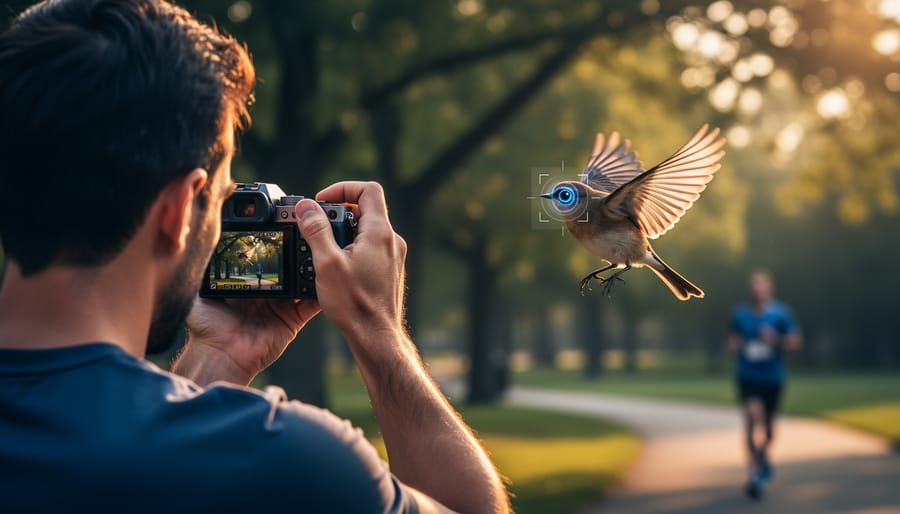
AI photo composition tools analyze your images in real-time, suggesting crop ratios, identifying distracting elements, and even predicting which arrangements will engage viewers most effectively. These algorithms have been trained on millions of professionally composed photographs, learning the mathematical patterns behind techniques like the rule of thirds, leading lines, and balanced negative space. The technology isn’t replacing your creative vision—it’s offering a second set of eyes that never gets tired during long editing sessions.
The practical reality is more nuanced than the marketing promises. Yes, AI can …

Why X-Ray Optics Changed Everything We Know About Camera Lenses

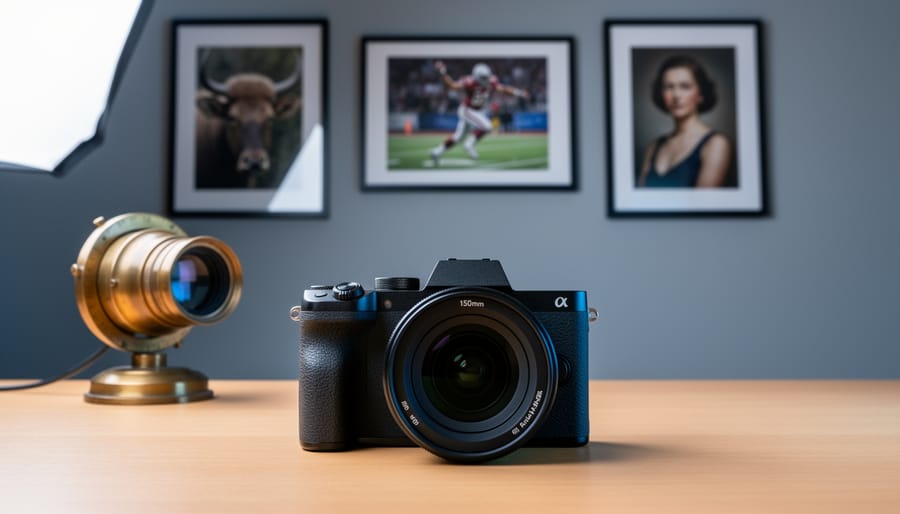
X-ray optical systems represent cutting-edge technology borrowed from astrophysics and medical imaging that’s revolutionizing how camera manufacturers design modern lenses. While you won’t find actual X-ray components in your DSLR or mirrorless camera, the precision manufacturing techniques and optical design principles developed for X-ray telescopes and synchrotron facilities have directly influenced the ultra-high-resolution glass elements in today’s premium photography equipment.
Consider how Zeiss and Canon’s recent flagship lenses achieve unprecedented sharpness across the entire frame—this stems from …

Why Your VR Photos Look Flat (And How Stereoscopic Viewing Fixes It)

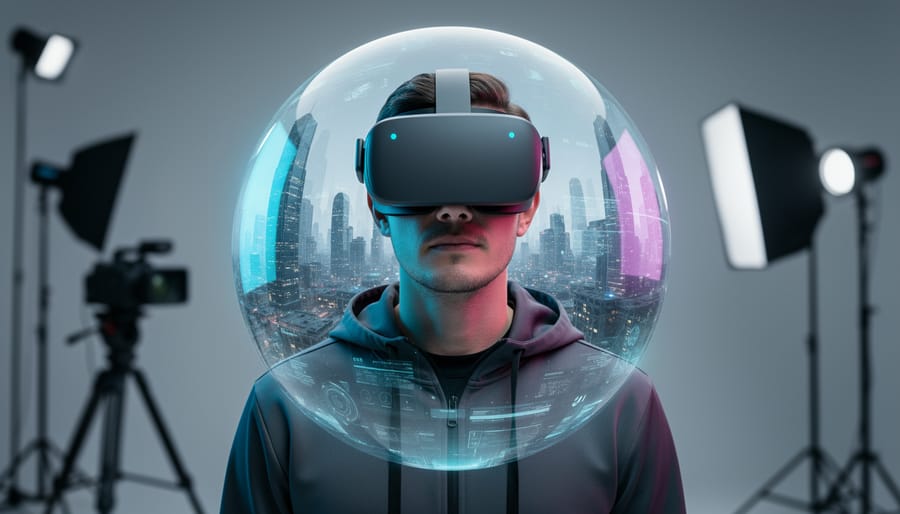
Close one eye, then the other, and notice how the scene shifts slightly—that subtle difference is the foundation of stereoscopic viewing, the technology that transforms flat VR photographs into immersive three-dimensional experiences. Your brain naturally performs this magic every waking moment, merging two slightly offset images from your eyes into a single perception with depth. VR photography harnesses this biological marvel by capturing and presenting two separate images, one for each eye, mimicking your natural vision with precise mathematical accuracy.
**Understanding stereoscopic viewing revolutionizes how you approach VR …

AI Photography Software That Actually Makes Your Photos Better (No Gimmicks)

Artificial intelligence is revolutionizing photography, transforming how we capture, edit, and enhance images in ways previously unimaginable. From automated portrait retouching to intelligent composition assistance, AI-powered photography software represents the future of creative imaging. Today’s photographers have access to sophisticated tools that can analyze scenes in real-time, suggest optimal camera settings, and even generate entirely new visual elements with a single click.
Whether you’re a…

AI Photo Managers Are Revolutionizing How Photographers Handle Their Image Libraries

Transform your overwhelming photo collection into a perfectly organized digital library with AI-powered workflow optimization. Modern AI photo managers revolutionize the way photographers handle their digital assets, automatically categorizing thousands of images by faces, locations, events, and even specific objects within seconds. Gone are the days of manual tagging and endless scrolling through unsorted galleries – artificial intelligence now handles the heavy lifting, learning your preferences and …

How AI is Transforming Virtual Reality Photography (And Why It Matters)

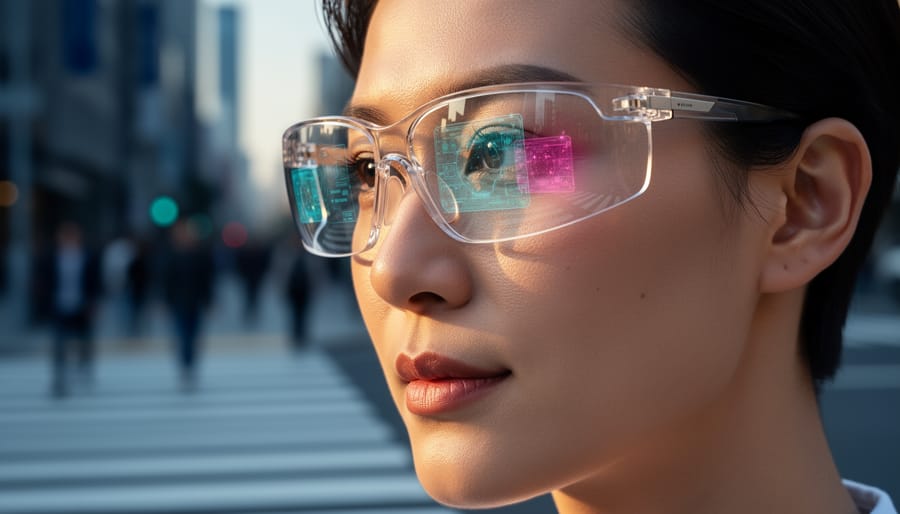
Virtual reality and artificial intelligence represent two distinct yet increasingly intertwined technologies that are revolutionizing how we experience digital worlds. While VR creates immersive environments that engage our senses, AI photography fundamentals and machine learning algorithms enhance these experiences through intelligent processing and adaptation. Unlike traditional computer programs, AI systems in VR can learn from user interactions, predict movements, and generate dynamic content in real-time, …

AI-Generated Images: What Every Photographer Needs to Know About Copyright

In the rapidly evolving landscape of AI photography, copyright protection remains a complex and often misunderstood territory. While traditional photographs have clear ownership rights, AI-generated images exist in a legal gray area that continues to challenge creators, businesses, and legal experts alike. Recent court decisions have established that purely AI-generated images cannot be copyrighted in their raw form, as they lack human creative input. However, when photographers meaningfully modify or incorporate AI-…

Advanced Optics: How Modern Camera Lenses Are Reshaping Photography

Advanced optics represents a quantum leap in modern photography, where revolutionary camera technologies merge with precision engineering to redefine image capture. From nano-scale lens coatings that virtually eliminate chromatic aberration to adaptive optical elements that compensate for atmospheric distortion in real-time, today’s advanced optical systems push the boundaries of what’s possible in photography and scientific imaging.
The convergence of computational photography with sophisticated …

VR Photography: Mastering Composition in Virtual Reality

Transform ordinary images into compelling visual stories by mastering the fundamental principles of photographic composition. Frame your subject using the rule of thirds, placing key elements along intersecting gridlines to create natural focal points and visual balance. Harness leading lines – roads, fences, or architectural features – to draw viewers’ eyes through the frame and establish a sense of depth and movement. Create visual hierarchy through strategic use of foreground, middle ground, and background elements, much like the layered approach used in …