 By
By 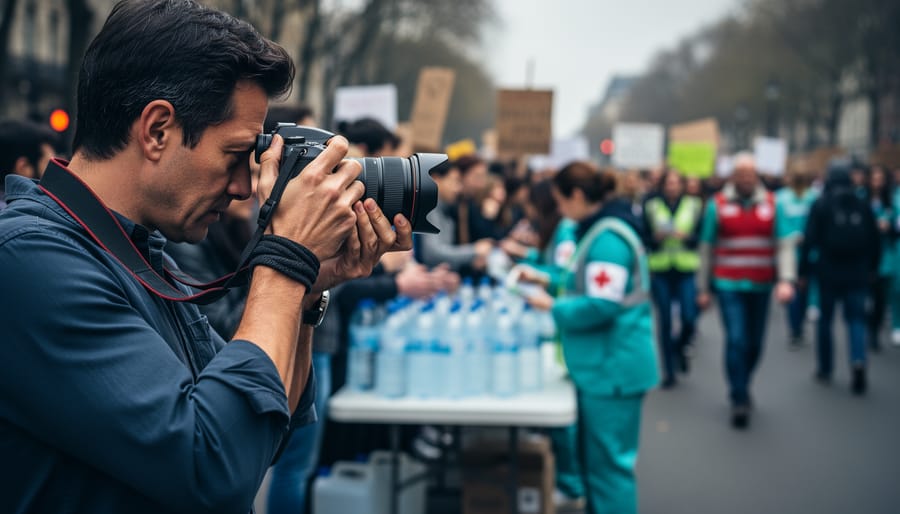
Position yourself at the edges of crowds rather than in the center, giving you clear exit routes and wider compositional angles while reducing your risk of being caught in sudden movements or confrontations. Keep your camera strap wrapped around your wrist, not just hanging from your neck, so equipment stays secure if you need to move quickly or protect someone’s identity by lowering your lens immediately.
Document the full story, not just the dramatic clashes. Photograph the organizers passing out water, the handmade signs that reveal why people showed up, the medics treating injuries, and the moments of solidarity that mainstream media often ignores. These quieter images provide crucial context and often become the historical record that matters most to the communities involved.
Always ask yourself whether publishing a photo could identify someone to authorities or employers, particularly when photographing civil disobedience or marginalized groups facing disproportionate consequences. Blur faces in post-processing when necessary, avoid capturing identifiable tattoos or unique clothing in certain contexts, and recognize that your responsibility extends beyond the moment you press the shutter to how images circulate afterward.
Protest photography carries weight beyond aesthetic achievement. Your images can amplify voices demanding change, provide legal documentation of police conduct, or inadvertently endanger the very people you aim to support. The decisions you make about where to stand, what to capture, and how to share your work shape public perception and real-world outcomes. Approaching this work with both technical skill and ethical awareness transforms you from a spectator with a camera into a photographer whose work genuinely serves the movement you’re documenting.
Why Protest Photography Demands Different Rules
The Power Dynamic You Can’t Ignore
Every photograph you take at a protest carries potential consequences that extend far beyond your camera roll. Understanding these dynamics isn’t just good photography ethics—it’s essential knowledge that could impact real lives.
Your images can become powerful tools in ways you never intended. Law enforcement agencies increasingly use social media and news photographs to identify and prosecute protesters. During the 2020 Black Lives Matter protests, numerous demonstrators faced charges after being identified through publicly shared photos. Facial recognition software, metadata, and even reflections in windows or sunglasses have all been used to track individuals long after events concluded.
The same photographs that authorities might weaponize can also protect vulnerable communities. During the Hong Kong pro-democracy protests, photographers documented police brutality that would otherwise have gone unreported. Images from Standing Rock brought international attention to Indigenous land rights. Your work might become evidence in court cases—sometimes helping protesters prove their innocence, other times becoming prosecution material.
Media organizations will use your images to shape narratives, sometimes in ways that contradict your intentions. A photo cropped differently can transform a peaceful gathering into an apparent riot, or vice versa. Opposition groups may repurpose your work for propaganda, stripping context to serve their agendas.
Consider the 2017 Unite the Right rally in Charlottesville. Photographers who documented attendees created an unintended consequence: their images helped identify white supremacists, leading to job losses and social consequences. While many celebrated this accountability, it demonstrates how protest photography creates permanent, searchable records with lasting implications.
Before you press the shutter, ask yourself: who benefits from this image existing, and who might be harmed?
Your Presence Changes the Scene
The moment you raise a camera at a protest, you become more than an observer—you become a participant. This is the observer effect in action, and it’s something every protest photographer needs to understand and respect.
Your presence with a camera changes how people behave. Protesters may become more cautious, aware they’re being documented. Some might perform for the lens, while others will actively avoid it, concerned about identification or retaliation. Police and security forces also modify their behavior when cameras are present, sometimes exercising more restraint, other times becoming more aggressive toward photographers themselves.
This influence carries significant responsibility. Your images can protect people by providing evidence of peaceful assembly or document misconduct. But they can also endanger protesters if shared carelessly, potentially leading to arrest, job loss, or worse in some contexts. Consider how a photo of someone’s face might be used for facial recognition or how metadata could reveal their identity.
The ethical photographer acknowledges this power. Before shooting, ask yourself: Am I helping or potentially harming? Can this person be identified, and does that put them at risk? Sometimes the most responsible choice is to photograph tactically—focusing on signs, crowds from behind, or hands holding banners rather than identifiable faces.
Your camera makes you influential whether you intend it or not. Use that influence thoughtfully, understanding that every click has consequences beyond the frame.
The Ethics Framework Every Protest Photographer Needs
Consent in Chaos: When You Can (and Can’t) Ask Permission
Protests present unique challenges when it comes to obtaining consent. Unlike controlled portrait sessions, these dynamic environments rarely allow time for formal permission, yet respecting individual dignity remains essential.
When photographing crowd scenes—wide shots showing the scale and energy of an event—individual consent becomes impractical and generally unnecessary. These images capture the collective action rather than singling out specific people. You’re documenting the movement itself, which aligns with established photojournalist ethics principles that prioritize public interest documentation.
The equation changes dramatically with close-up portraits. If you’re zooming in on someone’s face, capturing their emotional expression, or creating an image where they’re clearly identifiable and central to the frame, consent becomes more critical. In calmer moments, simply make eye contact and gesture toward your camera with a questioning look. Many protesters are happy to be photographed and will nod or even pose. Others will shake their head or turn away—respect that immediately.
Here’s a practical middle ground: shoot first in documentary mode, capturing the scene as it unfolds. Later, if you plan to publish a particularly powerful portrait prominently—especially for commercial purposes or on your personal portfolio—consider tracking down the subject through social media or protest organizer networks to obtain retroactive permission.
Remember that public privacy considerations still apply even in public spaces. Some individuals may face serious consequences if identified—think immigration status concerns, employment risks, or personal safety threats. When someone actively covers their face or avoids cameras, they’re making their wishes clear. Document the moment without invading their intentional anonymity.
Protecting Identities: Faces, Tattoos, and Metadata
When you’re documenting protests, protecting the identities of participants isn’t just good practice—it’s often a moral imperative. In many situations, being identified in protest photos can lead to job loss, legal consequences, or worse. Your role as a photographer includes understanding when and how to anonymize your subjects.
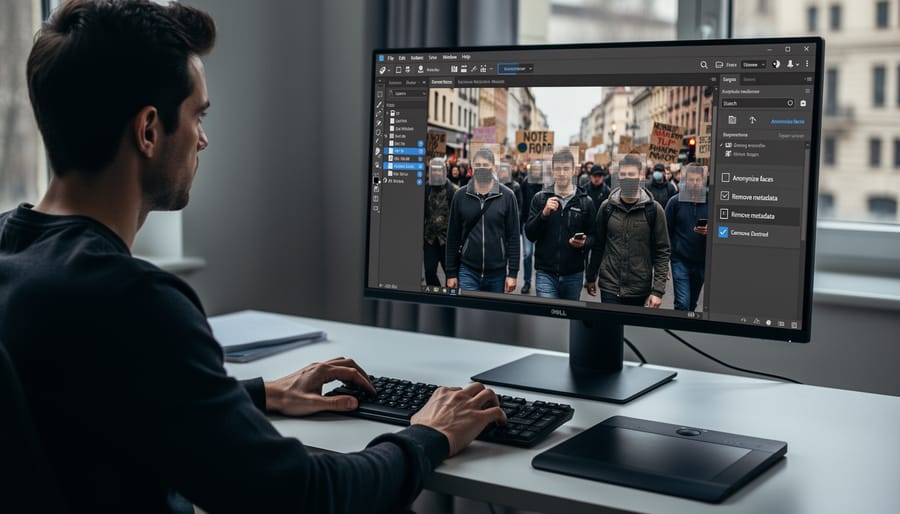
The decision to blur faces depends entirely on context. If you’re covering a permitted march in a democratic country where protesters want visibility, you might leave faces visible. However, if you’re documenting civil disobedience, protests against authoritarian regimes, or situations where participants could face retaliation, anonymization becomes essential. When in doubt, blur first and ask questions later.
Faces aren’t the only identifying features to consider. Distinctive tattoos, unique clothing items, jewelry, and even body shape combined with context clues can identify someone. I once saw a photographer carefully blur faces in protest photos, only to leave a subject’s forearm tattoo completely visible—a tattoo that was easily searchable and had been featured in that person’s social media posts. Think holistically about what makes someone recognizable.
Here’s where many photographers stumble: metadata. Every photo you take embeds information including GPS coordinates, camera settings, and precise timestamps. Before sharing any protest images, strip this metadata using tools like ExifTool, ImageOptim, or even simple online metadata removers. That location data could inadvertently reveal where protesters gathered, planned, or dispersed to—information that could compromise their safety.
Post-processing software like Photoshop, GIMP, or even mobile apps can blur or pixelate faces and identifying features. For video, tools like Adobe Premiere or free alternatives like DaVinci Resolve offer face-tracking blur features. The key is making this part of your workflow before anything leaves your possession. Remember: once an unredacted image is online, it’s permanent. Your technical diligence protects real people from real consequences.
What Should Never Leave Your Memory Card
Some images carry consequences that extend far beyond your portfolio. Before you publish or even retain certain protest photographs, consider what they might reveal about the people in your frame.
Images showing protesters committing illegal acts—even minor infractions like trespassing or property damage—can become evidence in criminal proceedings. That close-up of someone spray-painting a slogan or breaking through a barrier might seem newsworthy, but prosecutors have subpoenaed photographers’ unpublished images to identify and charge individuals. Law enforcement agencies regularly monitor social media and news outlets for exactly this type of documentation.
Particularly vulnerable are photos clearly showing faces, distinctive tattoos, unique clothing, or other identifying features of protesters engaging in civil disobedience. In countries with authoritarian tendencies or during politically charged moments, even lawful protest participation can lead to employment termination, harassment, or worse.
Here’s the ethical calculation: Does this specific image contribute meaningfully to public understanding of an important event? If you’re documenting police misconduct or significant historical moments, the newsworthiness may outweigh risks—though you should still consider blurring faces. But if it’s just another crowd shot that happens to clearly identify someone doing something questionable, keeping it on your card serves no one’s interests and potentially endangers real people.
When in doubt, delete or anonymize rather than risk becoming an unwitting tool of surveillance.
Gear Choices That Keep You Safe and Effective
The Right Lens for Maintaining Distance
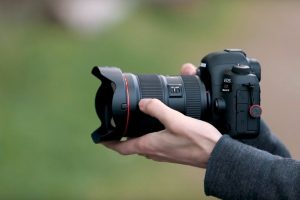
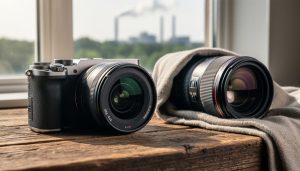
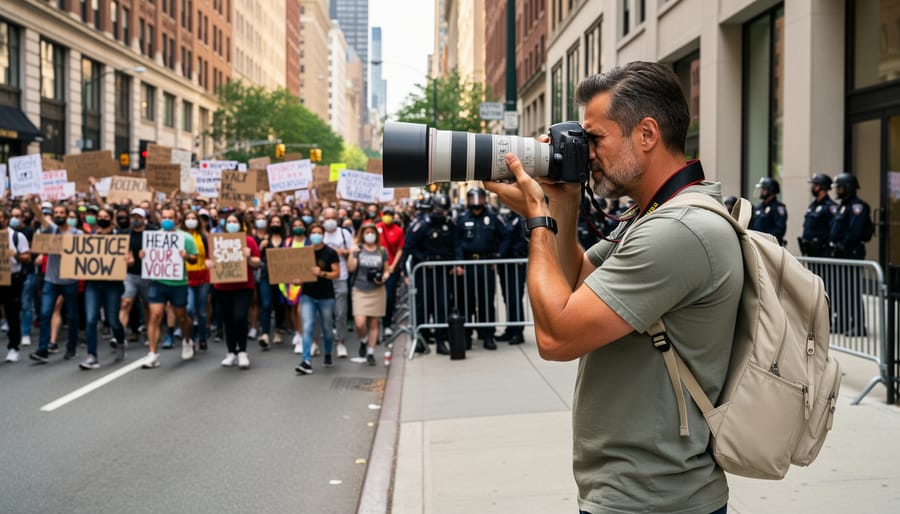
Choosing the right lens for protest photography often comes down to balancing two competing priorities: capturing intimate, powerful moments and maintaining a safe distance from unpredictable situations. Zoom lenses, particularly a 24-70mm f/2.8 and 70-200mm f/2.8, give you that flexibility without constantly swapping glass in the middle of rapidly evolving scenes.
The versatility argument is straightforward. A 24-70mm serves as your workhorse, letting you frame wide crowd scenes one moment and isolate individual faces or signs the next. When things get tense or you need to hang back, a 70-200mm becomes invaluable. You can document from a respectful distance, which isn’t just about physical safety—it’s also about not inserting yourself into the action in ways that might escalate tensions or make subjects uncomfortable.
That said, there are trade-offs. Wide-angle primes like a 35mm f/1.4 excel in low light and can create visceral, immersive images that put viewers right in the crowd. But getting that close means accepting greater risk and potentially affecting the scene you’re documenting. A telephoto compresses perspective and can flatten the drama somewhat, though modern f/2.8 zooms deliver excellent image quality and reasonable low-light performance.
The practical advice? If you’re new to protest photography, start with a 24-70mm. It keeps you mobile and adaptable. As you gain experience reading situations, you’ll know when it’s appropriate to get closer or when staying back with longer glass is the wiser choice.
Camera Protection Beyond a Rain Cover
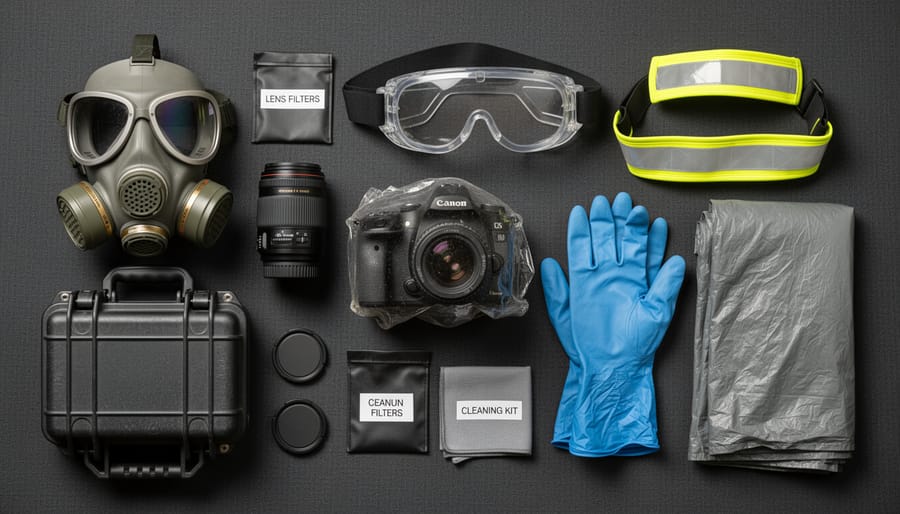
Protests present unique environmental hazards that can permanently damage your camera equipment. Beyond basic weather protection, you need to prepare for tear gas, pepper spray, water cannons, and the very real possibility of your gear getting knocked around in a crowd.
Tear gas and pepper spray are particularly nasty for cameras. The particles settle into every crevice, contaminating your sensor, lens elements, and electronic contacts. Consider using a UV or clear protective filter on every lens—think of it as a sacrificial layer you can replace if it gets contaminated. After exposure, never wipe your gear dry. The particles will scratch surfaces. Instead, rinse equipment thoroughly with clean water before attempting any cleaning.
Water cannons mean you need more than splash protection. A simple rain cover won’t cut it. Look into affordable waterproof housing options or at minimum, heavy-duty dry bags you can quickly stash your gear into. Keep a microfiber cloth in a sealed plastic bag for emergency lens cleaning.
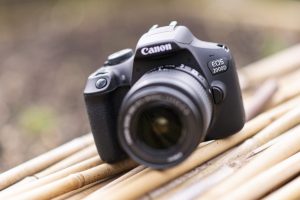
Here’s the uncomfortable truth: bringing your pricy full-frame camera with a $2,000 lens might not be wise. Gear gets damaged, stolen, or confiscated at protests. Many experienced protest photographers deliberately use older, cheaper equipment that’s fully functional but replaceable. A used crop-sensor camera with a versatile zoom lens often makes more sense than flagship gear. Always bring backup batteries and memory cards—if you lose your primary camera, you can still document what’s happening with a backup body or even a smartphone.
Your Personal Safety Protocol
Before You Leave: Research and Preparation
Before stepping into the streets with your camera, solid preparation can make the difference between capturing powerful images safely and finding yourself in a vulnerable situation. Think of this as your pre-shoot reconnaissance mission.
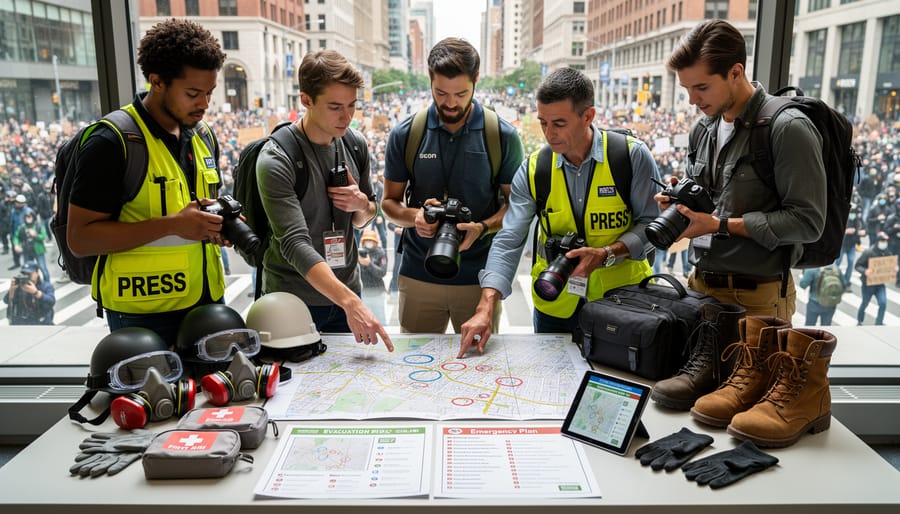
Start by researching the protest itself. What’s the cause? Who’s organizing it? Understanding the context helps you anticipate the atmosphere and potential flashpoints. Check social media, local news, and organizer pages for details about planned routes, timing, and whether counter-protests are expected. This information shapes everything from when you arrive to where you position yourself.
Map out your location beforehand. Identify multiple exit routes in case crowds surge or situations escalate. Note nearby buildings with public access, side streets, and transit stations. Download offline maps to your phone since cell networks often become overwhelmed during large gatherings.
Inform a trusted contact about your plans. Share your location, expected return time, and check-in schedule. If you’re working with a publication or group, establish a communication protocol. Going solo? A simple “I’m heading out now, will text by 6pm” text to a friend provides a safety net.
Assemble a basic safety kit: protective eyewear (essential if tear gas or pepper spray is used), a small first aid kit, water for drinking and eye rinsing, and snacks for sustained energy. Pack light but smart.
Finally, know your legal standing. Research local laws regarding photography in public spaces, press credentials, and assembly rights. Understanding what you’re legally permitted to do protects both you and your subjects. Some jurisdictions restrict photographing police officers or require special permits for professional equipment.
Reading the Room: When Tensions Escalate
Your safety always trumps getting the perfect shot. Period. No photograph is worth putting yourself in harm’s way, and recognizing when a situation is deteriorating can mean the difference between documenting history and becoming part of a dangerous incident.
Pay attention to shifts in crowd energy. When chanting becomes shouting, when people start running rather than walking, or when you notice agitators moving through the crowd, these are red flags. Watch for law enforcement formations changing—officers donning riot gear, forming lines, or bringing in additional vehicles often signals imminent action. If you see smoke, hear explosions (even flash-bangs), or notice the crowd compressing tightly, it’s time to reassess your position.
Always maintain situational awareness and identify your exits. When you arrive at any protest location, note at least two escape routes. Avoid getting boxed into corners, dead-end streets, or against barriers. Position yourself on the periphery when possible, giving you options to move quickly if needed. If you’re in the middle of a large crowd and things escalate, move steadily toward the edges—don’t push or panic, but be deliberate.
Trust your instincts completely. If something feels wrong, it probably is. When your gut tells you to leave, put the camera down and focus on getting to safety. You can’t document anything if you’re injured or detained. There will always be other stories to tell, other moments to capture. Remember that protesters and journalists have been tear-gassed, trampled, and arrested when situations turned volatile. No editor, client, or social media audience expects you to risk your wellbeing for content.
If You’re Detained: Know Your Rights
Understanding your rights before documenting protests can make the difference between confidently doing your job and unnecessarily surrendering your work. Laws vary significantly by location, so research your specific country and region beforehand—in many democracies, you generally have the right to photograph in public spaces, including police activity, but restrictions may apply during declared emergencies.
If law enforcement approaches you, stay calm and polite. You can ask if you’re being detained or if you’re free to go. In most situations, you’re not required to delete images or surrender your equipment without a warrant, though this varies by jurisdiction. Consider keeping a small card with your basic rights in your camera bag as a quick reference.
To protect your images, enable cloud backup on your phone or use apps that immediately upload photos to secure servers. If you anticipate confrontation, knowing your images are already backed up remotely provides peace of mind. Some photographers also use secondary memory cards or devices as redundant storage.
Know when to cooperate: if you’re genuinely obstructing emergency operations or in a restricted area, consider repositioning. However, simply photographing from public spaces typically isn’t obstruction. If arrested, clearly state you don’t consent to searches but don’t physically resist. Document badge numbers and names when possible, and contact a legal observer organization or lawyer promptly.
After the Shoot: Responsible Sharing and Storage
Secure Your Images Immediately
The moment you leave a protest, your first priority should be securing your images. Consider your camera or memory card a potential target for confiscation—law enforcement in some jurisdictions have seized devices from journalists and photographers. Before you even get home, if possible, transfer images to an encrypted external drive or use a secure, encrypted cloud service that doesn’t operate under questionable data-sharing agreements.
Here’s the critical part: keep your unedited originals completely separate from any images you share publicly. Your raw files contain embedded metadata including timestamps, GPS coordinates, and camera settings that could identify subjects or compromise their safety. Store these originals on an encrypted drive that stays offline, creating a protected archive that preserves the integrity of your documentation.
For distribution, work from copies only. Remove metadata, adjust exposure or crop as needed, and blur faces of protestors who could face retaliation. Some photographers maintain three separate backups: encrypted cloud storage for accessibility, a local encrypted drive for quick access, and an offline backup stored separately.
If you’re traveling home with your camera, consider deleting images from your memory card after backing them up, or use cards you can quickly format if necessary. This isn’t about hiding your work—it’s about protecting both yourself and the people whose stories you’ve documented until you can properly secure everything.
The Ethics of Editing Protest Photos
When documenting protests, understanding the boundaries of ethical photo editing becomes crucial to maintaining journalistic integrity and respecting the events you’ve witnessed.
Basic technical adjustments are generally acceptable and expected. Correcting exposure, adjusting white balance, and tweaking contrast help your images accurately represent what your eyes saw at the scene. These changes compensate for camera limitations rather than altering reality. Similarly, straightening horizons or cropping for composition maintains the authentic moment while improving visual clarity.
The ethical line blurs when you start manipulating content. Adding or removing people, signs, or objects fundamentally changes the story your photo tells. Even subtle alterations like cloning out distracting elements can misrepresent crowd sizes or the atmosphere of an event, both critical elements in protest documentation.
Context manipulation deserves special attention. Changing backgrounds, combining multiple frames, or heavily altering colors can shift a peaceful gathering’s appearance toward something more dramatic or vice versa. These adjustments mislead viewers about the event’s actual nature.
Anonymization presents unique ethical considerations. Blurring faces to protect protesters from identification is acceptable and often necessary, but transparency matters. If you share these images publicly or with media outlets, disclose that you’ve applied anonymization techniques. This maintains trust while protecting vulnerable subjects.
The golden rule: your edits should clarify what happened, never fabricate what didn’t. When in doubt, ask yourself whether your adjustments help viewers understand the truth of the moment or reshape it to fit a different narrative.
Documenting protests is both an incredible privilege and a profound responsibility. As photographers, we hold the power to shape narratives, preserve historical moments, and amplify voices that might otherwise go unheard. But with that power comes the obligation to approach our work with thoughtfulness, respect, and unwavering ethical standards.
Remember that behind every frame is a real person who has chosen to stand up for what they believe in, often at considerable personal risk. Your compelling image should never come at the cost of someone’s safety, dignity, or freedom. This means continuously evaluating your approach, asking yourself difficult questions about consent and impact, and being willing to lower your camera when the situation demands it.
The landscape of protest photography is constantly evolving, shaped by changing technology, legal frameworks, and social expectations. Stay informed about best practices in your region. Connect with other documentary photographers, learn from photojournalism organizations, and remain open to adjusting your methods as new ethical considerations emerge.
When you photograph a protest, you become a witness to history. That role matters more than many of us realize in the moment. Years from now, your images may be the primary record of social movements that changed the world. Approach that responsibility with the seriousness it deserves, but also with the compassion and humanity that make powerful documentary work resonate across generations. Your lens can be a tool for justice, accountability, and truth—use it wisely.

 By
By