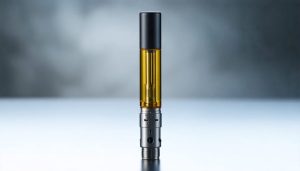
Photographing THCa carts demands specialized techniques that go far beyond standard product photography—these sleek vape cartridges present a perfect storm of challenges with their reflective metallic components, transparent oil chambers, and compact dimensions that can make or break your commercial shots.
Master diffused lighting setups using softboxes or light tents to eliminate harsh reflections on glass and metal surfaces while still maintaining the luminous quality of the THCa oil inside. Position your key light at a 45-degree angle and use white bounce cards to fill shadows …
Why Casino Photography Demands Different Cameras (And Which Ones Actually Work)
Casino and sportsbook photography demands equipment that performs under some of the most challenging lighting conditions you’ll encounter professionally. Low ambient light, mixed color temperatures from neon signs and LED displays, fast-moving subjects around craps tables and sportingbet entrar betting kiosks, and restrictions on flash usage create a perfect storm of technical obstacles that will expose any weakness in your camera setup.
Choose cameras with exceptional high-ISO performance—ideally clean images at ISO 6400 and usable results at 12,800 or higher—since you’ll …
Why Nikon Shooters Dominate Macro Photography (And How You Can Too)
Choose the Nikon AF-S VR Micro-Nikkor 105mm f/2.8G IF-ED as your first macro lens—it delivers sharp 1:1 magnification with built-in vibration reduction that’s essential for handheld shooting. Mount your camera on a sturdy tripod and activate Nikon’s Focus Shift Shooting mode in your Z-series or select DSLRs to automatically capture a sequence of images at different focus points, which you’ll later stack for maximum depth of field. Set your camera to Aperture Priority mode at f/8 to f/11 for the sweet spot between sharpness and workable depth of field, while keeping ISO between 200-400 when possible to maintain clean, …
Why Your Food Photos Look Flat (And How a Workshop Can Fix That)
Transform flat, uninspiring food shots into scroll-stopping images by mastering the interplay between natural light, composition angles, and styling techniques that professional food photographers use daily. A quality food photography workshop compresses years of trial-and-error into intensive hands-on sessions where you’ll photograph actual dishes, receive immediate feedback, and walk away with portfolio-worthy images alongside the technical knowledge to recreate them consistently.
The difference between free YouTube tutorials and a structured workshop lies in personalized instruction tailored to your specific challenges. …
Transform Your Night Sky Photos with These Stunning Landscape Techniques
Stand beneath a star-filled sky, where rugged mountains meet the Milky Way, and you’ll understand why landscape astrophotography captivates both viewers and creators alike. This powerful fusion of earthbound beauty and celestial wonder demands technical precision and artistic vision, transforming ordinary landscapes into otherworldly scenes.
Master the art of capturing the night sky by combining the fundamental elements of both landscape and astronomical photography. While daytime …
Master the Art of Mouthwatering Dessert Photography (Pro Techniques)
Capturing the perfect dessert photo demands mastery of both technical precision and artistic flair. In the world of food photography, desserts present unique challenges – from rapidly melting ice cream to maintaining the delicate textures of freshly baked pastries. Professional food photographers know that success lies in the delicate balance between timing, lighting, and composition.
A beautifully photographed dessert does more than document appearance – it evokes emotion, triggers cravings, and tells a story of craftsmanship. Whether shooting for a high-end restaurant menu, food blog, or social media campaign, …
Master Tilt-Shift Photography: Create Stunning Miniature Effects and Perfect Focus
Tilt-shift photography transforms ordinary scenes into miniature wonderlands, bending perspective and focus in ways that challenge our visual expectations. By mechanically adjusting the angle and position of the lens relative to the camera sensor, photographers gain unprecedented control over the focal plane, creating images with selective focus and perspective control that’s impossible with standard lenses. Originally developed for architectural photography to correct converging lines in tall buildings, tilt-shift lenses have evolved into powerful creative tools that let photographers manipulate depth of field and perspective in …
Master F-Stop Settings for Stunning Night Photos (Pro Secrets)
Selecting the perfect f-stop transforms ordinary night scenes into breathtaking low-light masterpieces. Start with f/2.8 or wider for astrophotography to capture maximum starlight, while maintaining critical sharpness. Switch to f/8-f/11 for cityscapes to achieve pin-sharp details from foreground to background, using longer exposures to compensate for reduced light. Balance your f-stop with ISO and shutter speed using the exposure triangle to master night photography in challenging conditions. Night photography …
Master Vertical Panoramas: Create Stunning Tall Photos That Stand Out
Tilt your camera vertically and rotate it through precise 15-degree increments to capture towering architectural marvels, soaring redwood forests, or dramatic cliff faces in stunning detail. While traditional panoramic photography techniques focus on horizontal scenes, vertical panoramas open up entirely new creative possibilities by challenging our typical perception of space and scale.
Mount your camera on a properly leveled tripod with the nodal point aligned precisely over the rotation axis to eliminate…
Transform Your Night Sky Photos with Image Stacking (Even in Less-Than-Perfect Conditions)
Transform your blurry night sky shots into stunning celestial portraits by mastering image stacking – the secret weapon of professional astrophotographers. While getting started with astrophotography might seem daunting, combining multiple exposures of the same scene dramatically reduces noise, reveals faint details, and produces images with remarkable clarity that single shots simply cannot achieve.
Stack 20-30 exposures of deep-sky objects to eliminate random noise patterns, increase …