 By
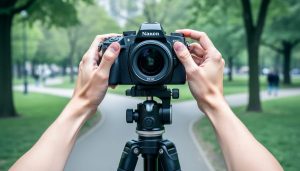
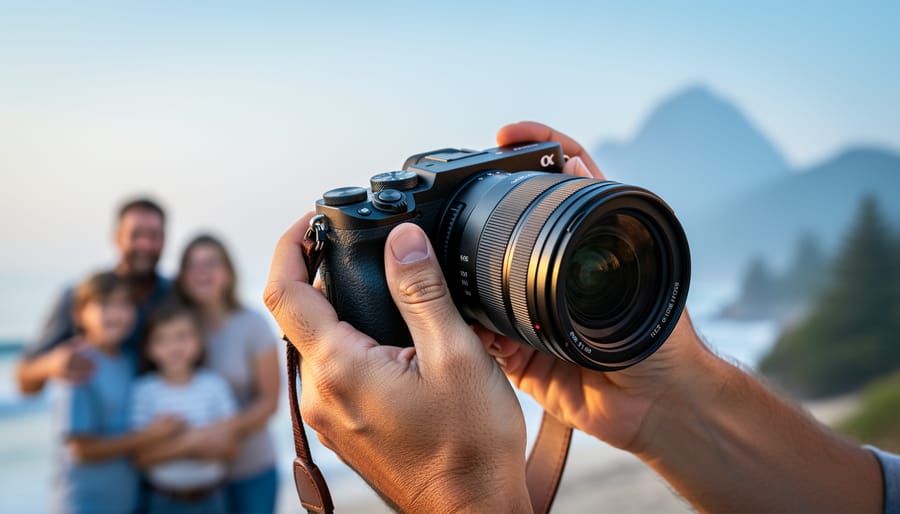
By Choosing the right camera starts with understanding what you’ll actually shoot and how much control you need. If you’re capturing family moments and travel, a capable mirrorless camera like the Canon EOS R10 Mirrorless Camera RF-S18-45 Mm F4.5-6.3 is STM Lens Kit offers the sweet spot of image quality and portability without overwhelming you with features. Professional photographers shooting weddings or commercial work will gravitate …
Why Used Medium Format Cameras Give You Pro Quality at Half the Price
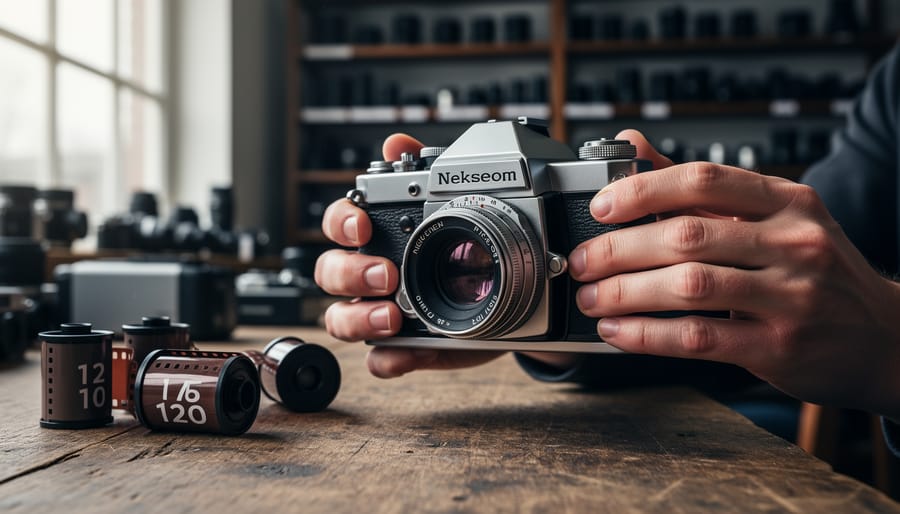
Start browsing reputable film camera retailers like KEH Camera, B&H Photo’s used department, and MPB rather than diving straight into eBay—these specialists grade condition accurately and offer return policies that protect you from expensive mistakes. Check the shutter for inconsistent speeds by shooting a test roll at various settings, inspect the light seals for deterioration (those foam strips crumble after decades), and examine the mirror and focusing screen for damage that could affect composition accuracy.
Medium format cameras deliver exceptional image quality that rivals modern digital systems, with negatives …
The Camera Setup That Makes Your Casino Stream Look Professional
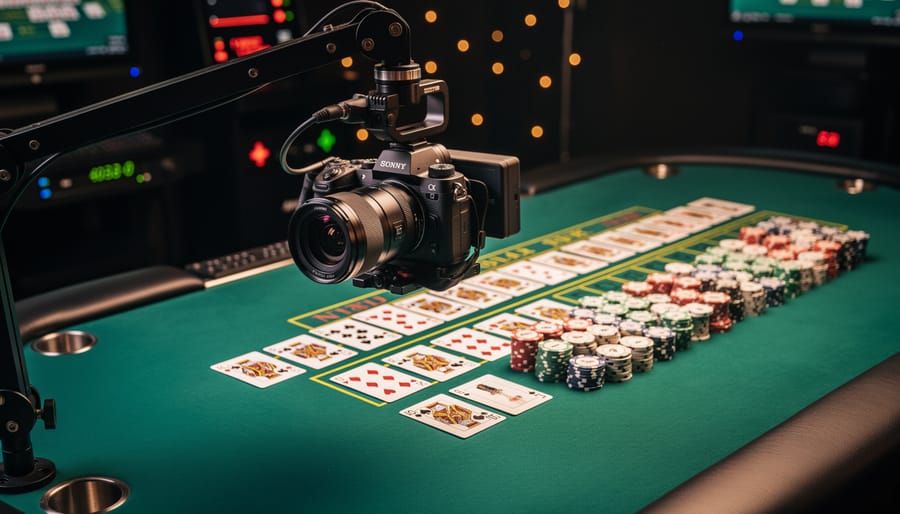
Casino streaming demands camera capabilities that most generic streaming guides completely overlook. While poker pros chase Moonbet crash games and build their bankrolls, your audience won’t stick around if they can’t read your cards or see chip denominations clearly. The difference between a successful casino stream and an unwatchable one often comes down to three technical factors: your camera’s ability to maintain crisp detail during rapid hand movements, its performance during marathon six-hour sessions without overheating, and whether it can properly expose both bright …
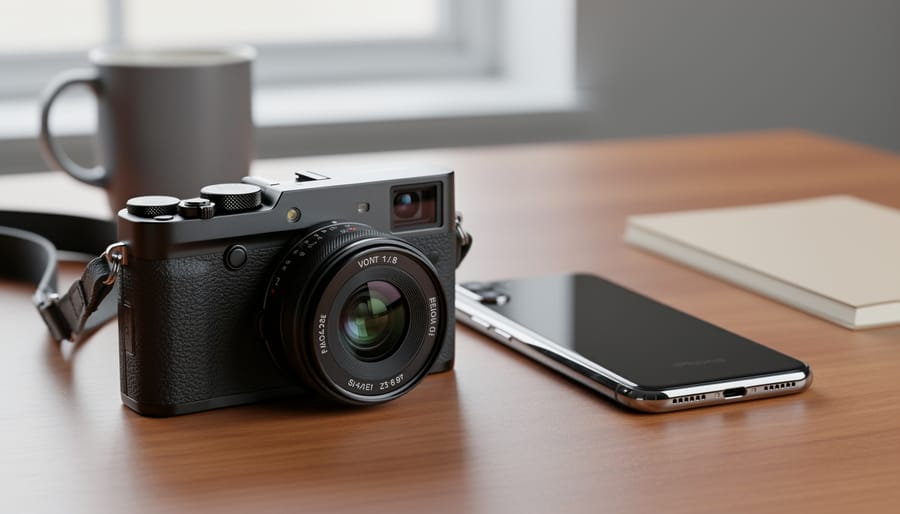
Why Premium Point-and-Shoots Still Beat Your Smartphone Camera
The smartphone in your pocket takes remarkably good photos, yet serious photographers continue investing $500 to $1,500 in premium point-and-shoot cameras. The reason? High-quality compacts deliver capabilities that phones simply can’t match: larger 1-inch sensors that capture substantially more light and detail, optical zoom lenses reaching 200mm or beyond without digital trickery, apertures as wide as f/1.8 for genuine background blur, and manual controls that give you creative authority over every exposure.
Understanding what separates a premium compact from a basic one requires looking beyond megapixel counts and zoom …
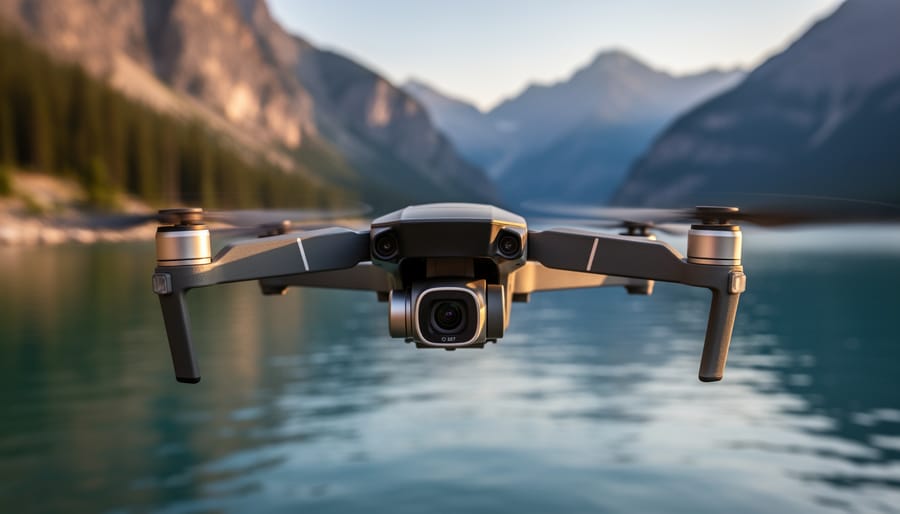
Why Your Next Drone Needs 4K (And Which Models Actually Deliver)
Choose drones with true 4K resolution at 60fps minimum—anything less creates choppy footage during fast movements or panning shots. The difference becomes glaringly obvious when you’re tracking a moving subject or capturing sweeping landscape panoramas. Many entry-level models advertise 4K capability but shoot at only 30fps, which severely limits your editing flexibility and creates motion blur in dynamic scenes.
Prioritize 3-axis gimbal stabilization over advertised megapixel counts. A camera sensor means nothing if your footage shakes like a handheld phone video. Quality gimbals from manufacturers like DJI and Autel …
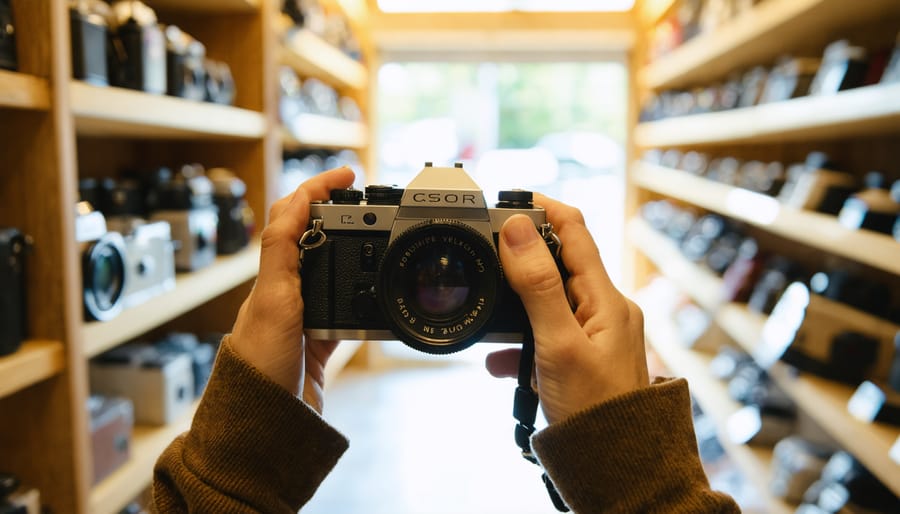
Why Your First Film Camera Should Come From a Thrift Store
Inspect the shutter by pointing the camera at a light source and firing it at different speeds—a sticky or inconsistent shutter means costly repairs that quickly erase any thrift store savings. Test the film advance mechanism by dry-firing the camera multiple times; it should move smoothly without grinding or sticking, as a jammed advance renders the camera unusable. Check the light seals around the film door and mirror box by looking for deteriorated foam that crumbles to the touch—replacing these costs $20-40 but remains a manageable DIY project unlike mechanical failures. Examine the lens for fungus, haze, or separation by holding …

Pro-Grade Thermal Vision That Won’t Break the Bank: Real-World FLIR E4 Review
Transform your understanding of thermal imaging with today’s most advanced specialized imaging equipment. Thermal cameras have revolutionized how we see the world, detecting heat signatures invisible to the naked eye and turning temperature variations into vivid, actionable visual data.
As professional photographers and industrial inspectors increasingly rely on thermal imaging, choosing the right camera has become crucial for success. Whether you’re tracking energy efficiency in buildings, conducting…
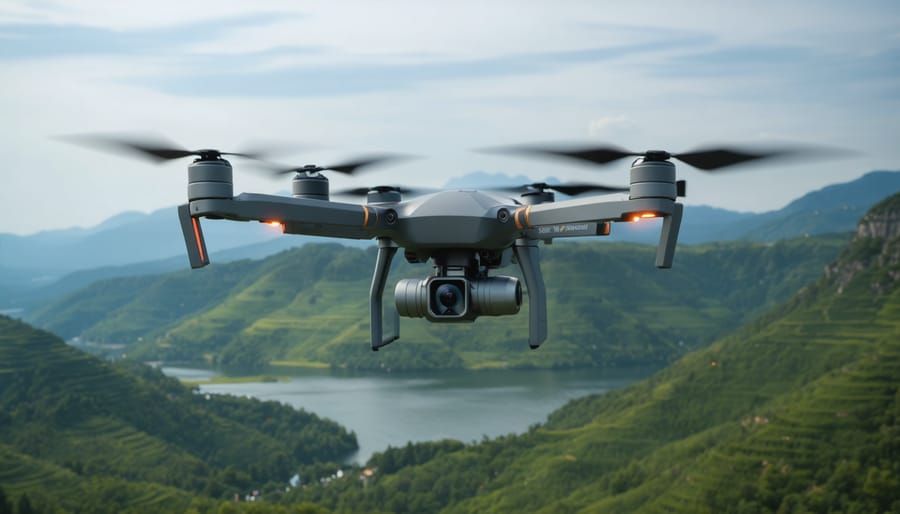
Expert Drone Camera Buying: What They Don’t Tell You at the Store
Choosing the right drone transforms your aerial photography from basic snapshots to breathtaking masterpieces. Master three essential factors before investing: flight time capabilities (aim for at least 25 minutes), camera sensor size (1-inch sensors deliver professional-quality images), and intelligent flight modes for cinematic shots. Compare popular drone models based on your specific needs – whether capturing real estate footage, adventure sports, or landscape photography.
Consider your skill level honestly – professional-grade …

Pro-Level 4K Underwater Photography: Real Camera Options That Actually Work
Dive into crystal-clear 4K underwater photography with today’s revolutionary camera technology, capable of capturing vibrant marine life and seascapes with unprecedented detail. Modern underwater 4K cameras deliver professional-grade underwater camera performance at depths up to 40 meters, combining advanced image stabilization with specialized white balance algorithms that cut through water’s color-distorting effects.
Whether you’re documenting coral reefs or capturing split-shot …
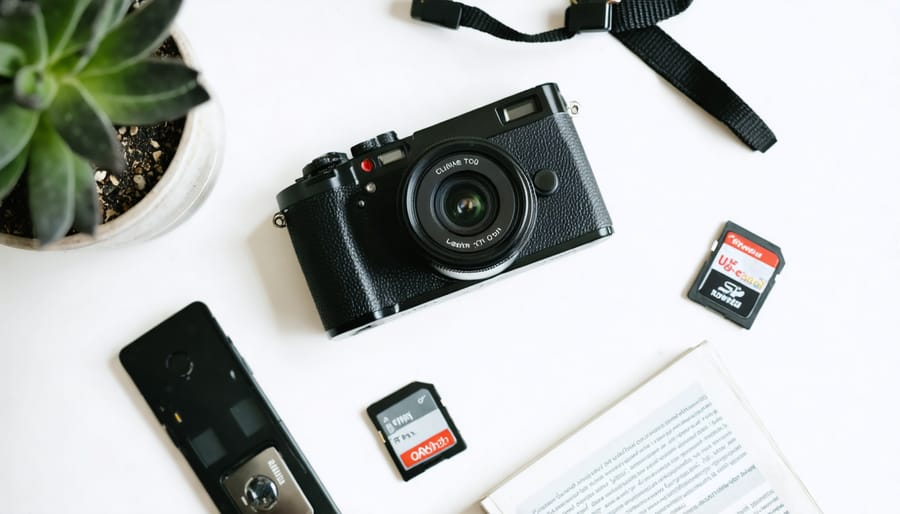
Finally! Point-and-Shoot Cameras That Won’t Confuse Beginners
Skip the overwhelm of choosing your first camera and master photography with the right point-and-shoot. Today’s beginner-friendly cameras pack professional features into compact, easy-to-use bodies that won’t break the bank. While smartphones capture decent photos, a dedicated point-and-shoot camera delivers superior image quality, better low-light performance, and genuine optical zoom – essential tools for developing your photography skills. Whether you’re documenting family memories or …