
 By
By 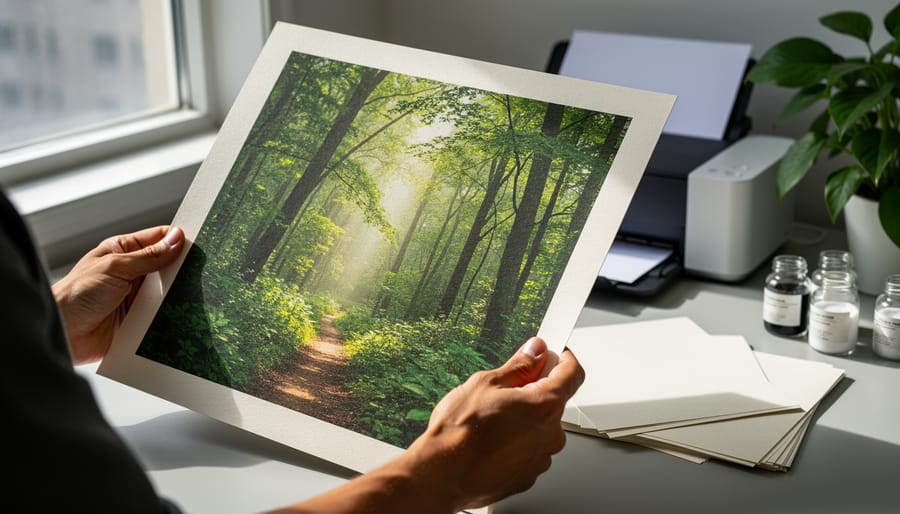
Choose FSC-certified or recycled paper stock when ordering prints to immediately reduce your environmental footprint—these materials use up to 50% less energy and water in production compared to virgin paper. Request vegetable or soy-based inks from your print lab instead of petroleum-based alternatives, which release fewer volatile organic compounds and biodegrade more readily without sacrificing color vibrancy or longevity.
Work with print-on-demand services rather than ordering bulk quantities to eliminate waste from unsold inventory, a practice that aligns with broader sustainable photography practices throughout your creative workflow. Select local printing facilities within 50 miles of your location to dramatically cut transportation emissions while supporting regional businesses and enabling direct quality control conversations.
The photography industry produces an estimated 3.5 billion prints annually, with conventional printing methods contributing significantly to deforestation, chemical pollution, and carbon emissions. Yet most photographers remain unaware that eco-friendly printing alternatives now match or exceed traditional quality standards. This shift matters because your choice of materials and processes directly impacts forests, waterways, and air quality—and your clients increasingly care about these environmental considerations when selecting photographers.
The good news? Sustainable printing no longer requires compromising on archival quality, color accuracy, or professional presentation. Modern eco-friendly options deliver museum-grade results while reducing environmental harm by 60-80% compared to conventional methods, making the transition both ethically sound and commercially viable for photographers at every level.
Why Traditional Photo Printing Hurts the Environment
Every time you press print on a traditional photo, you’re likely contributing to a surprising amount of environmental harm. Here’s what’s happening behind the scenes that most photographers don’t realize.
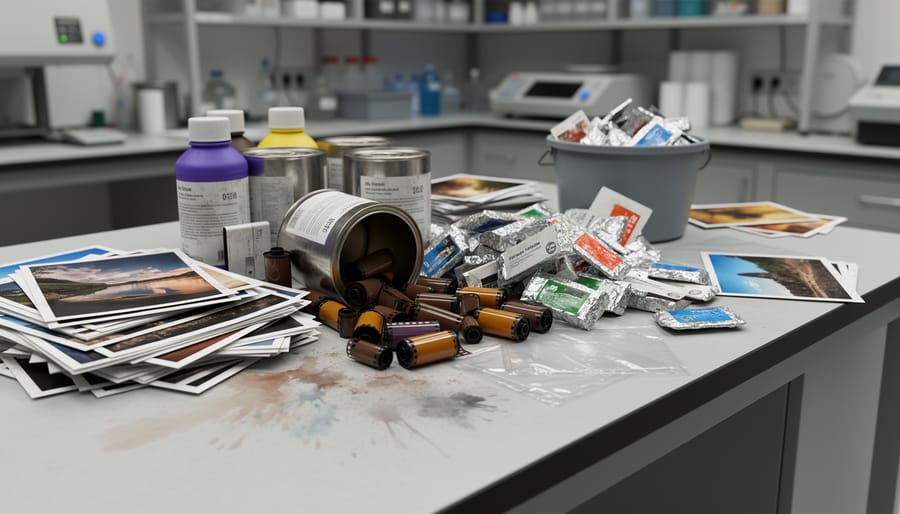
Conventional photo printing relies heavily on petroleum-based inks that contain toxic chemicals like volatile organic compounds (VOCs). These inks release harmful emissions during the printing process and can take decades to decompose in landfills. A typical photo lab processes thousands of prints daily, releasing these chemicals into the air and water systems. The EPA estimates that printing operations contribute approximately 350,000 tons of VOCs to the atmosphere annually across the United States alone.
The photo paper itself presents another significant problem. Most traditional photo papers are coated with plastic-based materials, specifically polyethylene, which makes them completely non-recyclable. When you toss that unwanted print in the recycling bin, it typically ends up contaminating the batch and heading straight to a landfill instead. Consider this: the average professional photographer might print 500 to 1,000 test prints and proofs annually. Multiply that by millions of photographers worldwide, and we’re looking at massive amounts of plastic-coated waste.
Energy consumption is the hidden culprit many don’t consider. Traditional photo printers, particularly the large-format professional models, are energy-intensive machines. A commercial photo printer can consume between 300 to 800 watts per hour during operation. For comparison, that’s equivalent to running several laptops simultaneously. Photo labs that operate for eight to ten hours daily generate substantial carbon footprints just from electricity usage.
Finally, there’s the packaging problem. Traditional photo papers typically come wrapped in plastic sleeves, placed in cardboard boxes, and often include additional plastic protective sheets between prints. Ink cartridges are another culprit, with millions ending up in landfills each year. In fact, studies suggest that only about 30 percent of ink cartridges are properly recycled, leaving approximately 375 million cartridges to contribute to environmental waste annually.
What Makes Photo Printing Eco-Friendly?
In the photography world, eco-friendly printing goes far beyond simply slapping a green label on your print orders. It’s a comprehensive approach that considers every step of the printing process, from the paper in your hands to the energy powering the printer that created it.
At its core, eco-friendly photo printing revolves around four essential criteria. First, sustainable materials form the foundation. This means papers sourced from responsibly managed forests with FSC (Forest Stewardship Council) or PEFC (Programme for the Endorsement of Forest Certification) certifications, or alternative materials like bamboo, hemp, or recycled fibers. These materials ensure that your stunning landscape print doesn’t come at the cost of the very landscapes you’re celebrating.
Second, non-toxic inks make a significant difference. Traditional petroleum-based inks release volatile organic compounds (VOCs) into the atmosphere and can contaminate water systems. Eco-friendly alternatives include vegetable-based, soy, or water-based inks that deliver vibrant colors without the environmental hangover. Many professional photographers are discovering these inks perform beautifully while supporting sustainable print culture.
Third, energy-efficient processes matter more than you might think. Printers that use renewable energy, optimize power consumption, or employ carbon-neutral shipping practices reduce the overall environmental footprint of your prints.
Finally, the end-of-life consideration asks a simple question: what happens when your print is no longer needed? Truly eco-friendly prints use recyclable or biodegradable components, including frames, backing boards, and packaging materials. This circular thinking ensures your photographic legacy doesn’t become tomorrow’s landfill problem.
Understanding these criteria empowers you to make informed choices that align your artistic vision with environmental responsibility.
Sustainable Photo Paper Options That Actually Look Great
Recycled Photo Papers
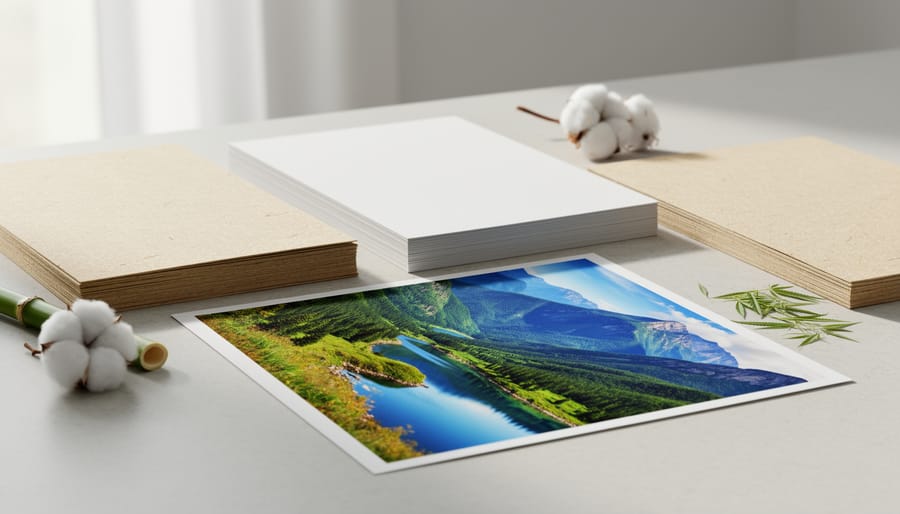
Recycled photo papers have come a long way in recent years, and the quality gap with virgin fiber papers has narrowed considerably. Modern recycled papers typically contain 30-100% post-consumer waste, with the higher percentages once considered unsuitable for fine art printing. However, advances in paper manufacturing have changed this perception.
In my testing, premium recycled photo papers like Hahnemühle Photo Rag Ultra Smooth (which contains 100% cotton rag from textile waste) and Moab Entrada Rag Natural (90% recycled cotton) deliver exceptional results that most viewers couldn’t distinguish from traditional papers in blind comparisons. The key difference you might notice is a slightly warmer base tone in some recycled options, which can actually enhance certain images, particularly portraits and warm-toned landscapes.
Texture-wise, recycled papers offer diversity ranging from ultra-smooth surfaces ideal for high-detail work to toothy, textured finishes that add character to fine art prints. Canson Infinity Rag Photographique and Legion Entrada are both excellent middle-ground options offering reliable color accuracy and archival quality.
One practical consideration: recycled papers sometimes require custom ICC profiles for optimal results. Most manufacturers provide these free downloads, and the extra five minutes of setup pays dividends in color accuracy. The price premium over conventional papers typically runs 10-20%, though buying in bulk reduces this difference significantly.
Tree-Free Alternatives (Bamboo, Hemp, and Cotton)
Moving beyond traditional wood pulp, tree-free papers offer compelling sustainability benefits while delivering exceptional print quality. Let’s explore three standout alternatives that are gaining traction in the photography community.
Bamboo paper has become increasingly popular, and for good reason. Bamboo grows incredibly fast—some species shoot up three feet in a single day—making it a highly renewable resource that doesn’t require replanting after harvest. Bamboo paper typically has a smooth, bright surface with excellent ink receptivity, making it ideal for vibrant color photography and commercial work. The fibers create a slightly different texture than traditional cotton papers, with many photographers appreciating its crisp, clean appearance for modern portraiture and landscape prints.
Hemp paper might just be the most environmentally friendly option available. Hemp requires minimal water, grows without pesticides, and actually enriches the soil it grows in. Historically used for important documents (the Declaration of Independence was drafted on hemp paper), it offers remarkable archival stability. Hemp papers tend to have a more textured, organic feel that works beautifully for fine art photography, particularly black and white work where that tactile quality enhances the viewing experience.
Cotton rag paper represents the gold standard for archival printing. Made from cotton linters—the short fibers left after cotton processing—these papers transform textile industry byproducts into museum-quality printing surfaces. Cotton rag papers are acid-free, pH neutral, and can last centuries without yellowing or deteriorating. They’re particularly favored for gallery prints and portfolios where longevity matters most.
Each option brings distinct characteristics to your prints, so consider your subject matter and intended longevity when choosing your sustainable paper.
FSC-Certified Papers
When you’re shopping for printing paper, the FSC logo is your green light for genuine sustainability. The Forest Stewardship Council is an independent, non-profit organization that certifies forests are managed responsibly, meaning they’re harvested without destroying ecosystems, displacing communities, or compromising future growth.
Think of FSC certification as a chain of custody that traces your paper back to responsibly managed forests. There are actually two levels to know: FSC 100% means all the wood fiber comes from certified forests, while FSC Mix indicates a combination of certified materials, recycled content, and controlled wood. Both are legitimate choices, though FSC 100% represents the gold standard.
Here’s where it gets practical. When evaluating paper, look for the actual FSC logo and certification number on the packaging, not just vague claims about being “eco-friendly” or “natural.” Real FSC-certified papers will have a license code you can verify on the FSC website. This matters because greenwashing is rampant in the paper industry, with companies using green imagery and buzzwords without meaningful certification.
For photographers, brands like Hahnemühle, Canson, and Moab offer FSC-certified fine art papers that don’t compromise on quality. The certification ensures you’re supporting forests that regenerate, protect wildlife habitats, and provide fair wages to workers. It’s environmental responsibility you can actually verify, not just marketing spin.
Eco-Friendly Inks: What Works and What Doesn’t
Soy-Based and Vegetable Inks
Plant-based inks, particularly soy and vegetable oil formulations, have emerged as popular alternatives to petroleum-based traditional inks. These eco-friendly options derive from renewable resources like soybeans, linseed, and canola, reducing dependence on fossil fuels while offering lower volatile organic compound (VOC) emissions during printing.
Here’s the reality: soy-based inks perform beautifully for many photography applications, delivering vibrant colors with excellent coverage. They’re particularly effective for gallery-quality prints on matte and textured papers, where their slightly softer finish actually enhances the artistic quality. Professional photographers often report comparable color accuracy to traditional inks, especially in mid-tone ranges.
However, honesty matters when discussing limitations. Vegetable-based inks typically take longer to dry than petroleum-based alternatives, which can be problematic for high-volume printing or quick turnarounds. Their lightfastness, while improving, generally falls slightly short of premium conventional inks. You might notice fading after 40-50 years versus 75-100 years with archival petroleum inks, though this varies significantly by manufacturer and formulation.
The glossy print challenge is real. Achieving that deep, lustrous finish on glossy photo paper remains trickier with plant-based inks. They work best on uncoated or semi-gloss surfaces where their natural characteristics shine.
For most photographers printing portfolios, exhibition pieces, or personal projects, soy-based inks represent a practical compromise between environmental responsibility and professional quality. Just set appropriate expectations with clients about longevity, especially for heirloom pieces.
Water-Based Pigment Inks
Water-based pigment inks have emerged as a standout choice for photographers who refuse to compromise between environmental responsibility and print longevity. Unlike traditional dye-based inks that rely on volatile organic compounds and petroleum derivatives, water-based systems use water as their primary carrier, dramatically reducing harmful emissions during both printing and drying.
The beauty of these inks lies in their dual performance. They deliver exceptional archival quality, with properly stored prints lasting 100+ years without significant fading. The pigment particles sit on the paper’s surface rather than soaking in, creating richer blacks and more vibrant colors that rival conventional inks. This makes them particularly appealing for gallery-quality work and client portfolios.
When selecting a printer, compatibility matters tremendously. Most modern Epson SureColor and Canon imagePROGRAF models use water-based pigment systems, though it’s essential to verify specifications before purchasing. These inks work beautifully with eco-friendly cotton and bamboo papers, though you’ll want to adjust your ICC profiles for optimal results.
One practical consideration: water-based prints need slightly longer drying times than solvent-based alternatives. Give your prints at least 24 hours before handling or framing to prevent smudging. The patience pays off with stunning, environmentally responsible results that you can feel good about sharing with clients or displaying in your own space.
Avoiding Toxic Chemicals
Traditional photo inks often contain a cocktail of chemicals you probably wouldn’t want on your hands, let alone released into the environment. Heavy metals like cadmium, lead, and chromium have historically been used as pigments, while volatile organic compounds (VOCs) act as solvents that help inks flow smoothly. These substances can accumulate in ecosystems and pose health risks during production and disposal.
The good news? You can avoid these nasties without compromising your prints. Look for inks certified by organizations like GREENGUARD or bearing eco-labels that verify low VOC content. Many manufacturers now offer water-based pigment inks that eliminate harmful solvents entirely while delivering archival quality and vibrant colors.
When shopping for eco-friendly inks, check product specifications for terms like “heavy metal-free,” “low-VOC,” or “aqueous.” Companies like Epson’s UltraChrome HD and Canon’s LUCIA PRO lines have made significant strides in reformulating their inks to be safer without sacrificing longevity or color accuracy.
Here’s a practical tip: request Material Safety Data Sheets (MSDS) from manufacturers. These documents reveal exactly what’s in your inks. If a company won’t provide transparency about their chemical composition, that’s a red flag. The best eco-friendly options proudly share their ingredient lists and third-party certifications, giving you confidence that your beautiful prints aren’t coming at the planet’s expense.
Choosing an Eco-Friendly Photo Printer
Energy Efficiency Matters
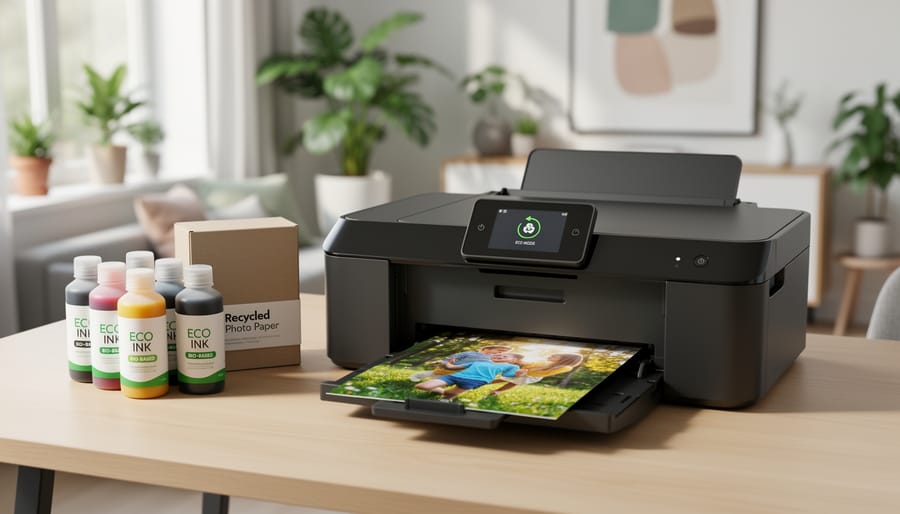
When shopping for an eco-friendly printer, energy consumption deserves just as much attention as print quality. The truth is, two printers with similar specifications can have vastly different energy footprints, and understanding these differences can save both money and environmental resources over the printer’s lifetime.
Start by looking for Energy Star certification, which indicates a printer meets strict energy efficiency guidelines set by the Environmental Protection Agency. Energy Star-rated printers use 25-40% less energy than standard models, particularly during sleep mode when they’re idle but still consuming power. For photography enthusiasts who might leave equipment on between printing sessions, this matters significantly.
EPEAT (Electronic Product Environmental Assessment Tool) certification goes even further, evaluating products across their entire lifecycle. EPEAT Gold-rated printers represent the highest environmental standard, considering everything from energy efficiency to recyclability and hazardous material reduction.
Here’s a practical comparison: a typical inkjet photo printer without energy certifications might consume 15-20 watts during active printing and 3-5 watts in sleep mode. An Energy Star model performing the same tasks often uses 8-12 watts active and under 2 watts sleeping. Over a year, that difference translates to noticeable savings on your electricity bill and reduced carbon emissions.
Check manufacturer specifications for both active and sleep mode consumption, and look for automatic power-down features that minimize idle energy waste.
Printers Compatible with Eco Inks and Papers
Most modern inkjet printers can handle eco-friendly papers reasonably well, though some models deliver better results than others. The key is understanding your specific needs before investing in equipment.
Inkjet printers generally work best with sustainable papers because they don’t require the intense heat that can scorch recycled fibers. Epson’s EcoTank series has gained popularity among environmentally conscious photographers because the refillable tank system reduces plastic waste from cartridges while maintaining excellent color accuracy. Canon’s PIXMA Pro series also performs admirably with thicker eco papers, handling cotton-based media without jamming issues.
When choosing a printer, look for models with adjustable paper thickness settings and multiple feeding options. This flexibility becomes crucial when working with heavier recycled or cotton papers that might be 20-30% thicker than standard photo paper.
Dye-sublimation printers present more challenges for eco printing. They require specially coated papers and produce plastic-based waste ribbons, making them less compatible with sustainable practices. However, some photographers accept this trade-off for specific applications requiring exceptional durability.
For those serious about eco-friendly printing, consider printers that explicitly list compatibility with fine art and cotton-based papers in their specifications. These models typically have enhanced feed mechanisms and can accommodate the unique textures of sustainable media without compromising print quality or causing frustrating paper jams during important projects.
Longevity Over Disposability
The environmental cost of disposable printers is staggering. When a budget printer breaks after a few years, it typically ends up in a landfill, adding to the growing e-waste crisis. Instead, consider investing in a quality printer built to last a decade or more. While the upfront cost might make you hesitate, the long-term savings in replacement costs and reduced waste make it worthwhile.
Look for manufacturers with transparent sustainability commitments and documented repair programs. Canon and Epson both offer professional-grade printers with readily available replacement parts and service networks. Some newer brands like HP’s OfficeJet Pro series now design for easier user repairs, though third-party ink restrictions remain problematic.
The right-to-repair movement has gained traction in printing, with some manufacturers finally releasing service manuals and selling parts directly to consumers. Before purchasing, research whether replacement printheads, rollers, and other wear components are accessible. This approach mirrors broader principles of longevity and sustainability that apply across all your photography equipment.
Working With Eco-Friendly Print Labs
If you’re not equipped for in-house printing or prefer working with professionals, partnering with an eco-conscious print lab is an excellent way to reduce your environmental footprint without compromising quality. The challenge lies in identifying truly sustainable labs among those simply marketing themselves as green.
Start by asking direct questions about their practices. Inquire about the paper stock they offer—do they carry FSC-certified, recycled, or tree-free options? Ask about their ink systems and whether they use water-based or eco-solvent inks. Request information about their waste management protocols, including how they handle chemical disposal and whether they recycle cartridges and packaging materials. Legitimate eco-friendly labs will be transparent and often proud to discuss these details.
Look for third-party certifications that verify sustainability claims. The Forest Stewardship Council certification ensures responsible forestry practices, while ISO 14001 certification indicates comprehensive environmental management systems. Some labs also participate in carbon offset programs or maintain Green Business certifications specific to their regions. These credentials provide accountability beyond marketing promises.
Several reputable labs have established strong environmental credentials. Bay Photo Lab, for instance, offers a comprehensive selection of sustainable paper options and maintains FSC certification. White House Custom Colour is carbon-neutral certified and prioritizes renewable energy in their operations. Mpix provides eco-friendly paper choices and sustainable packaging options. These examples demonstrate that professional quality and environmental responsibility can coexist.
Beyond materials and processes, consider the complete picture. Does the lab use energy-efficient equipment? How do they package and ship orders? Local or regional labs can reduce transportation emissions significantly compared to distant services. Some photographers discover that working with nearby eco-friendly brands and services offers both sustainability benefits and stronger working relationships.
Request sample prints on their eco-friendly materials before committing to large orders. This ensures the quality meets your standards while allowing you to evaluate their customer service and responsiveness to sustainability questions.
Does Eco-Friendly Printing Compromise Quality?
Let’s address the elephant in the room: will your prints look as good? The honest answer is nuanced, but generally reassuring for most photographers.
Modern eco-friendly printing has come remarkably far in recent years. When comparing high-quality recycled papers with virgin fiber alternatives, most viewers genuinely cannot tell the difference in a blind test. The key is understanding that “eco-friendly” encompasses a wide spectrum of products, and quality varies accordingly.
Color accuracy presents the most legitimate concern. Some recycled papers have slightly different optical brightener levels, which can affect how colors appear under different lighting conditions. Premium eco-friendly papers from established manufacturers like Hahnemühle and Canson have addressed this through specialized coatings that match or exceed traditional options. In real-world testing, these papers deliver color gamuts within 95-98% of conventional fine art papers—a difference imperceptible to most eyes.
Longevity actually favors many eco-friendly options. Cotton rag papers, which are inherently sustainable since they use textile industry waste, rank among the most archival materials available. They’re lignin-free and pH-neutral, meaning your prints can last 200+ years under proper conditions. Some recycled papers even outperform budget virgin fiber alternatives in fade resistance tests.
The trade-offs exist mainly at the extreme budget end. Heavily recycled papers without quality coatings may show texture inconsistencies or reduced sharpness for highly detailed work. But here’s the practical reality: if you’re already investing in quality printing, stepping into eco-friendly alternatives typically means choosing between excellent options rather than compromising quality.
For critical work where absolute color perfection matters—like gallery exhibitions or client deliveries—test prints remain essential regardless of whether you choose eco-friendly or traditional materials. This best practice doesn’t change; it simply ensures your sustainable choice meets your exacting standards.
Beyond the Print: Sustainable Framing and Display
Your commitment to eco-friendly printing shouldn’t stop at the paper. The frame and presentation materials you choose have a significant environmental footprint too, and thankfully, sustainable options abound that look just as professional as conventional alternatives.
When selecting frames, reclaimed wood offers character and sustainability in one package. These frames give new life to barn wood, old furniture, or demolished building materials, creating unique pieces with genuine history. Bamboo represents another excellent choice—it grows incredibly fast (some species up to three feet per day), making it highly renewable, and modern bamboo frames rival hardwood in both strength and appearance.
For contemporary aesthetics, recycled metal frames work beautifully. Aluminum frames made from recycled content require 95% less energy to produce than new aluminum, while still providing that sleek, gallery-quality look many photographers prefer.
Matting deserves equal attention. Look for mat boards made from 100% recycled content or agricultural waste products like cotton rag or hemp. These materials are acid-free and archival, protecting your prints just as well as traditional options while diverting waste from landfills.
When it comes to glazing, standard glass works fine, but if you’re considering acrylic, seek out options made from recycled materials or plant-based alternatives. Some manufacturers now produce museum-quality acrylic from 100% recycled sources.
Finally, don’t overlook packaging. If you’re selling or gifting prints, choose recycled cardboard mailers, biodegradable protective sleeves, and paper tape instead of plastic. Many photographers find that clients actually appreciate the extra care shown through sustainable packaging choices—it adds value to the entire purchase experience.

Making the Switch: Practical Steps to Start Printing Greener Today
Transitioning to eco-friendly printing doesn’t require overhauling your entire workflow overnight. The key is starting small and building momentum with changes that deliver meaningful impact without breaking the bank.
Your first action today should be evaluating your current paper stock. Switching to FSC-certified paper is the single most accessible change you can make, typically adding only 10-20% to your paper costs while significantly reducing your environmental footprint. Contact your current paper supplier and request eco-certified alternatives to your favorite papers. Many photographers are pleasantly surprised to discover their preferred manufacturers already offer sustainable versions.
Next, assess your ink situation within the month. If you’re using a desktop printer, research whether your model supports compatible eco-friendly inks. Canon and Epson both offer recycled cartridge programs that you can join immediately. For those printing larger volumes, consider whether switching to a printer with refillable tanks makes financial and environmental sense. Calculate your annual ink costs and compare them against the upfront investment in new equipment. Many photographers recoup costs within 18-24 months.
The reality is that your transition will involve some trial and error. Don’t expect perfect color matching on your first eco-friendly print. Budget time for creating new printer profiles and testing different paper-ink combinations. I recommend ordering sample packs from sustainable paper manufacturers before committing to bulk purchases.
Address the printing lab question strategically. Research local labs that advertise sustainable practices, but verify their certifications rather than accepting marketing claims at face value. Ask specific questions about their paper sources, energy usage, and waste management practices.
Common challenges include color shifts and initial quality concerns. Combat these by recalibrating your monitor, creating custom ICC profiles for eco-friendly papers, and adjusting your expectations during the learning curve. Most photographers report achieving comparable results within three to six months of switching.
Start where you are, use what you have, and make incremental improvements as your budget and knowledge expand.
Making the shift to eco-friendly printing might seem daunting at first, but the truth is that sustainable photo printing has never been more achievable or accessible. From recycled papers that rival traditional stocks in quality to eco-solvent inks that deliver stunning color reproduction, the barriers that once separated conscious photographers from their environmental values have largely disappeared. You don’t need to sacrifice the quality of your work to honor your commitment to the planet.
The beauty of this movement is that every choice matters. When you select FSC-certified paper for your next gallery show, opt for a printer using renewable energy, or choose reusable packaging for client deliveries, you’re casting a vote for the kind of photography industry you want to see. These individual decisions create ripples that extend far beyond your own studio. As more photographers embrace sustainable practices for photographers, we collectively push manufacturers to innovate, labs to adopt greener processes, and the entire industry toward a more responsible future. Your prints can be both beautiful and purposeful, capturing not just moments in time, but a commitment to ensuring there’s a thriving world left to photograph for generations to come.




 By
By