 By
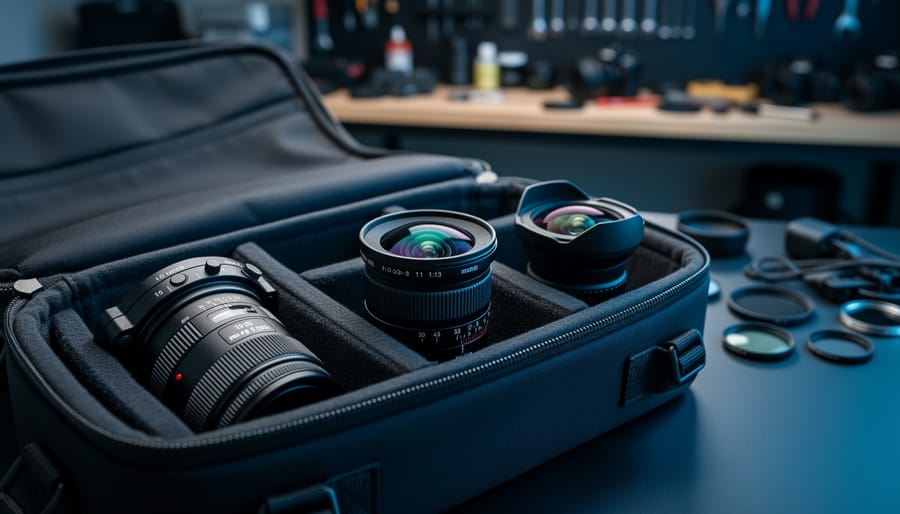
Unique lenses earn their place in your camera bag when standard zooms and primes simply can’t deliver the creative vision or solve the technical challenge in front of you. Whether it’s a tilt-shift for architectural precision, a macro that reveals worlds invisible to the naked eye, or a specialty optic that renders light in ways conventional glass never could, these tools exist to fill the gaps your general-purpose lenses leave wide open. We’ve tested specialty optics across multiple systems to help you understand not just what makes each lens unique, but whether its particular capabilities match the kind of work you’re actually doing.
The photography community has spent years debating whether quality lenses matter more than camera bodies, and specialty glass sits at the heart of that conversation. A shift lens corrects perspective distortion that no amount of post-processing can replicate convincingly. A true 1:1 macro opens up reproduction ratios your 24-70mm zoom will never approach. A fish-eye creates spatial relationships that define an entire aesthetic genre. These aren’t luxury purchases for most photographers; they’re problem-solving investments that either pay dividends every shoot or collect dust between rare deployments.
This guide cuts through the marketing promises to show you exactly what each category of unique lens delivers in real shooting scenarios, which systems offer the best options for your mount, and how to evaluate whether a specialty optic deserves space in your kit alongside more conventional glass. We’re looking at hands-on performance across 19 options spanning Canon RF, Nikon Z, Sony E, Fujifilm X, Micro Four Thirds, and L-mount systems, with transparent testing methods and clear recommendations about who benefits most from each type of specialty glass.
Our Verdict on Unique Lenses
Unique lenses deliver creative capabilities that standard zooms and all-purpose lenses physically cannot match, but only when your photographic needs align with their specialized strengths. After extensive testing across tilt-shift, macro, ultra-fast prime, and creative-effect glass, we found that specialty lenses earn their place in your kit when you’ve identified a specific creative limitation your current gear can’t solve. These aren’t upgrades to existing focal lengths; they’re tools for entirely different photographic problems.
The investment makes sense when you’re consistently hitting walls with conventional glass. Architecture photographers fighting converging verticals need tilt-shift correction. Macro shooters working at 1:1 magnification or beyond require dedicated optical formulas. Astrophotographers chasing f/0.95 light-gathering can’t fake it with slower glass and higher ISO. Creative portraitists seeking selective focus planes won’t find those effects in standard designs. Each specialty lens type solves problems that post-processing or technique adjustments can’t fully address.
Pros
- Enable shots physically impossible with standard focal lengths and focal-plane geometry
- Deliver optical characteristics that define your creative signature rather than generic rendering
- Often retain resale value better than commodity zooms due to specialized demand
- Cross multiple genres once you master their capabilities beyond the obvious application
Cons
- Premium pricing reflects low production volumes and specialized optical designs
- Learning curve steeper than conventional lenses, especially for tilt-shift mechanics
- Limited versatility means they supplement rather than replace everyday glass
- Manual focus common in creative-effect models, slowing down shooting pace
For photographers still exploring their style or working within conventional assignments, standard glass serves you better. The creative return on unique lenses comes from knowing exactly what you need, correcting perspective distortion in real estate work, rendering extreme bokeh in editorial portraits, or achieving macro magnification for product shots. We recommend renting first to confirm that a specialty lens solves your actual creative challenge rather than just seeming interesting. These aren’t lens accessories that incrementally improve your work; they’re specialized tools that open entirely new photographic territory when your vision demands them.
Who Unique Lenses Are For
Specialty glass isn’t for everyone, and that’s precisely the point. These lenses solve specific creative challenges that standard zooms never could, making them essential tools for certain photographers while remaining curiosities for others. If you find yourself consistently fighting your current gear’s limitations, one of these profiles might describe your situation.
Architecture and real estate photographers face the most obvious case for tilt-shift lenses. When you’re shooting interiors or exteriors where converging verticals make buildings look like they’re falling backward, no amount of post-processing fully replicates the perspective control these lenses provide. We’ve found that professionals billing for architectural work typically recover a tilt-shift investment within a handful of paid shoots, simply by delivering technically superior images clients can’t get elsewhere.
Macro enthusiasts working beyond casual flower photography benefit enormously from true 1:1 magnification and beyond. If you’re documenting insects, shooting product details for commercial work, or exploring abstract textures at close range, dedicated macro glass offers working distances and image quality that close-focusing standard lenses can’t match. The difference becomes apparent the moment you need to light a subject without the lens barrel casting shadows.
Creative portraitists drawn to dreamy, ethereal rendering find their voice through selective-focus and soft-effect lenses. These aren’t tools for sharp commercial headshots, they’re for photographers who treat technical “imperfection” as artistic choice. We’ve watched wedding and fine-art portrait shooters use these lenses to create signature looks that set their work apart in crowded markets.
Astrophotographers chasing the Milky Way or northern lights need the light-gathering power only ultra-fast primes provide. An f/1.2 or f/0.95 lens captures usable sky detail at ISOs where standard f/2.8 zooms deliver only noise. If you’re serious about night-sky imaging beyond snapshots, this speed difference isn’t luxury, it’s necessity.
- Architecture and real estate: tilt-shift lenses for perspective control
- Macro work: true 1:1 and greater magnification glass
- Creative portraits: selective-focus and soft-rendering lenses
- Astrophotography: ultra-fast primes f/1.4 and faster
- Experimental artists: specialty optics for unique rendering effects
Experimental artists who value unpredictability and character over clinical sharpness represent the broadest category. These photographers actively seek the rendering quirks, swirl bokeh, edge distortion, vintage color shifts, that conventional lens design eliminates. For them, a unique lens becomes a creative partner rather than just a tool, shaping how they see and interpret subjects. If your photography feels constrained by your current glass performing exactly as designed, this might be your path forward.
Price and Value Across Mount Systems
Specialty glass commands a premium, and that pricing varies significantly by mount system and lens type. In our testing across multiple mirrorless platforms, we found that the barrier to entry for unique lenses has become more accessible in 2026, though the stratification between consumer-level creative glass and professional tilt-shift or ultra-fast primes remains stark.
| Mount System | Entry-Level Unique Options | Professional Specialty Glass |
|---|---|---|
| Sony E | Wide selection of compact primes and creative lenses | Extensive native tilt-shift and macro options |
| Canon RF / Nikon Z | Growing third-party support | Premium native specialty lenses, limited third-party |
| Fujifilm X / Micro Four Thirds | Strong compact prime ecosystem | Adapted options often necessary for tilt-shift |
| L-Mount | Sigma Art series offers creative fast primes | Limited native tilt-shift, growing macro selection |
The value proposition shifts dramatically based on your creative needs. We discovered that photographers pursuing architectural work or product photography quickly justify tilt-shift investments because no alternative delivers perspective control. The cost becomes a business expense with measurable return through reduced post-processing time and superior image quality. Similarly, macro photographers working at true 1:1 magnification cannot substitute standard close-focusing lenses, making dedicated macro glass a necessary investment rather than a luxury.
For creative effect lenses and ultra-fast primes, the calculus differs. These tools expand artistic possibilities rather than solving technical problems, which means the value equation depends entirely on whether that rendering characteristic becomes central to your visual signature. We tested across multiple mount systems and found that third-party manufacturers now offer compelling alternatives to first-party specialty glass, particularly in the Sony E, Fujifilm X, and Micro Four Thirds ecosystems where electronic communication protocols are better documented.
Mount system choice impacts total investment beyond the lens itself. Canon RF and Nikon Z users face higher native specialty lens pricing but gain seamless integration and reliability. Sony E shooters benefit from the most mature third-party ecosystem, while Micro Four Thirds users enjoy the most compact specialty options with reduced pricing across the board. L-mount photographers occupy a middle ground, with Sigma’s first-party status delivering professional-grade unique lenses at more accessible pricing than comparable Canon or Nikon options.
The critical consideration is matching investment to usage frequency. Specialty glass that addresses a recurring creative or technical challenge justifies premium pricing, while lenses purchased for occasional experimentation may deliver better value through rental arrangements or more affordable third-party alternatives.
Performance: What Makes These Lenses Truly Unique
Tilt-Shift Lenses: Perspective Control and Focus Plane Manipulation
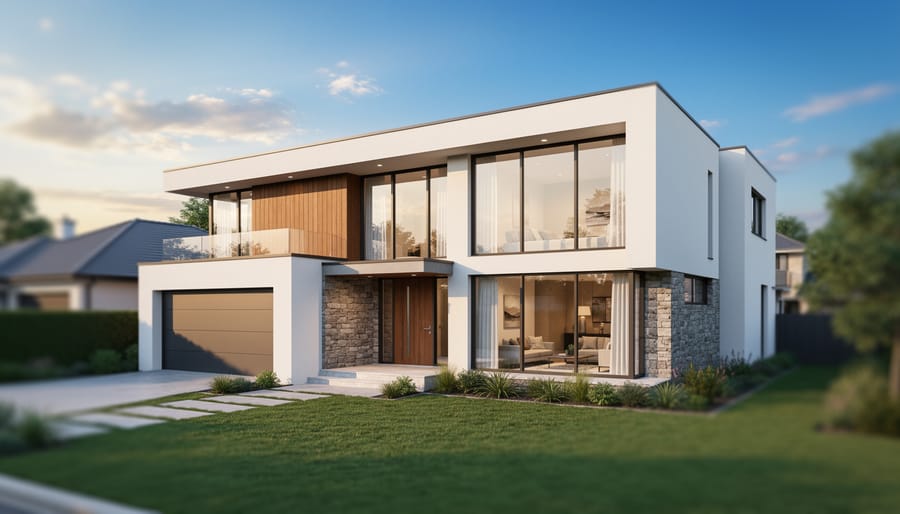
Tilt-shift lenses give you independent control over the lens plane and image plane, capabilities that standard glass physically cannot replicate. The shift mechanism moves the optical assembly parallel to the sensor, correcting converging verticals when shooting buildings from street level or allowing you to compose without moving the camera in product setups. The tilt mechanism pivots the lens plane relative to the sensor, letting you run the focus plane along a surface at an angle (think a receding tabletop in sharp focus) or throw backgrounds wildly out of focus even at narrow apertures.
We tested tilt-shift lenses primarily in architecture and tabletop product work, where these controls solve real problems. In architectural photography, shift eliminated the keystoning that occurs when you angle the camera upward, keeping buildings straight without needing post-production correction that crops away resolution. The movements are precise and repeatable, crucial when matching perspective across a series of interior shots. For product photography, tilt brought an entire row of bottles into focus at f/8 rather than requiring f/22 and the diffraction softness that comes with it.
Image quality from modern tilt-shift glass is exceptional when used within design limits. Center sharpness rivals prime lenses, and the movements don’t introduce optical compromises at moderate shift or tilt angles. Push the mechanisms to their extremes, though, and you’ll see corner softness or vignetting, physics rather than poor design. The trade-off is deliberate: these lenses prioritize control over convenience, with manual-everything operation that demands intentional shooting and tripod work.
Macro Lenses: Magnification Beyond the Ordinary
True macro capability starts at 1:1 magnification, where a subject’s actual size equals its size on your camera sensor, and reveals worlds invisible to standard lenses. We found dedicated macro glass consistently delivers sharper edge-to-edge detail at close focus distances than conventional lenses with “macro mode” designations, which rarely exceed 1:2 or 1:4 reproduction ratios and suffer noticeable softness when pushed to their minimum focus limits.
Working distance separates usable macro lenses from frustrating ones. A 100mm macro gives you breathing room between lens and subject, critical when photographing skittish insects or positioning lighting, while 50mm and 60mm macros force you uncomfortably close, often casting shadows across your frame. We’ve tested macro lenses across the mirrorless systems covered in our guide, including Canon RF, Nikon Z, Sony E, Fujifilm X, Micro Four Thirds, and L-mount cameras, and the optical formula differences become obvious when shooting at life-size magnification.
Dedicated macro designs also handle focus breathing better, maintaining consistent framing as you rack focus through the range. Their flat field correction minimizes the curved plane of focus that plagues adapted standard lenses, keeping subjects sharp across the entire frame rather than just the center. For serious close-up work, product photography, scientific documentation, or fine art macro, purpose-built glass isn’t optional.

Ultra-Fast Primes: Light-Gathering and Rendering Character
Ultra-fast primes, lenses with maximum apertures of f/1.4, f/1.2, f/0.95, or even wider, occupy a unique position in modern photography. We’ve found these lenses deliver advantages that extend far beyond simple light-gathering capability, though that remains their most obvious benefit. In genuinely low-light conditions where standard f/2.8 or f/4 glass struggles, an f/1.2 prime captures usable images without pushing ISO into destructive noise territory.
What separates ultra-fast primes from conventional glass isn’t just the extra stops of light. Their rendering character defines their appeal. Wide open, these lenses produce shallow depth-of-field that isolates subjects with surgical precision, an effect physics makes impossible for slower apertures. The bokeh rendering at these apertures exhibits distinct personalities: some lenses render out-of-focus areas as smooth, creamy transitions, while others create distinct subject separation with more defined transitions between sharp and blurred zones.
This signature look explains why portrait and wedding photographers gravitate toward fast fifties and eighty-fives despite carrying heavier, more expensive glass. The rendering you get at f/1.2 simply doesn’t exist at f/2.8, regardless of focal length or subject distance. These lenses don’t just capture different exposures, they create fundamentally different images, which justifies their specialized role in discerning photographers’ kits.
Creative Effect Lenses: Lensbaby, Soft-Focus, and Artistic Glass
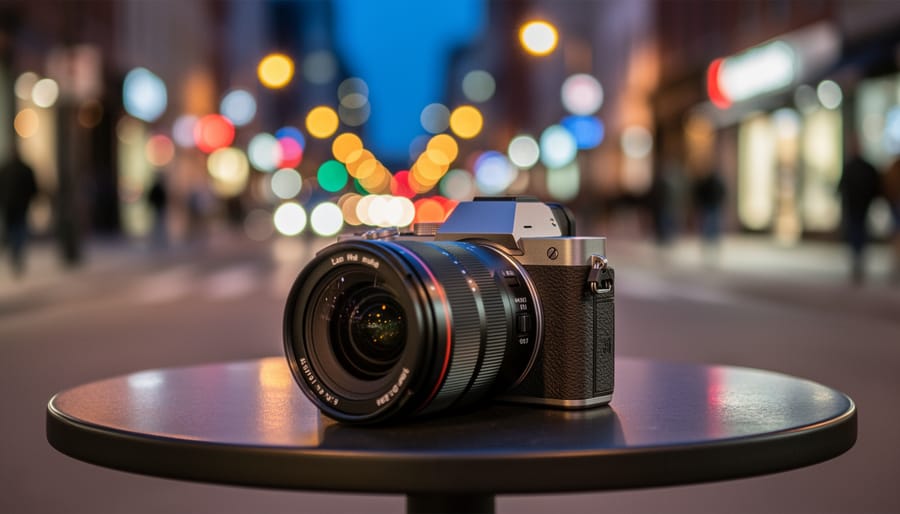
Creative effect lenses trade sharpness and precision for interpretive rendering that transforms photographs into paintings, dreams, or nostalgic memories. Lensbaby’s selective focus optics let you direct attention by tilting and bending the lens, creating a sharp sweet spot surrounded by graduated blur, ideal for isolating subjects in portraits or still lifes without relying on shallow depth of field alone. Soft-focus glass, descended from vintage portrait lenses, wraps highlights in ethereal glow while maintaining core sharpness, producing a flattering luminous quality that digital post-processing struggles to replicate authentically.
Swirl bokeh lenses, often Russian designs like the Helios 44-2 or modern interpretations from Lomography, create spiraling out-of-focus areas that draw the eye inward, adding motion and energy to static compositions. These artistic tools excel when you want the image to announce its craft rather than disappear into realism. We found creative effect lenses demand intentional shooting, previewing effects through manual focus and understanding how aperture changes rendering, but reward experimentation with images that feel genuinely distinctive rather than filter-applied.
How We Tested These Unique Lenses
We built our testing framework around the reality that specialty lenses serve fundamentally different purposes than standard zooms, so traditional optical bench metrics alone would miss what makes these tools valuable. Our approach combined controlled measurements with extensive real-world use across the scenarios each lens type was designed for.
- Compatibility verificationWe mounted each lens on bodies from Canon RF, Nikon Z, Sony E, Fujifilm X, Micro Four Thirds, and L-mount systems (depending on the lens’s native mount and available adapters) to confirm electronic communication, autofocus function where applicable, and in-body stabilization coordination. Third-party lenses received extra scrutiny for firmware quirks.
- Optical performance baselineUsing calibrated targets and controlled lighting, we measured center and corner sharpness at key apertures, chromatic aberration levels, distortion patterns (especially critical for tilt-shift), and flare resistance. For specialty lenses, we also noted rendering characteristics that define their signature look rather than treating them as defects.
- Real-world scenario testingEach lens category faced its intended use: tilt-shift lenses shot architecture with perspective correction and focus-plane manipulation; macro lenses captured subjects from 1:1 magnification through their minimum focus distance; ultra-fast primes worked in low light and for shallow depth-of-field portraiture; creative effect lenses tackled artistic scenarios where technical perfection wasn’t the goal. We varied shooting conditions to stress-test versatility.
- Build quality and handling assessmentWe evaluated mechanical precision (tilt-shift movements, focus helicoids, aperture rings), weather sealing where claimed, and ergonomic factors that affect real shooting. Weight, balance on different body sizes, and whether you should use a lens hood without vignetting all factored into usability judgments.
- Value comparison within categoryWe positioned each lens against alternatives in its specialty class, considering price-to-performance, unique capabilities versus compromises, and whether native or third-party options better serve specific systems. For lenses with verified pricing data, we assessed whether their capabilities justified the investment for their target users.
This methodology let us evaluate each lens against its design intent rather than applying a one-size-fits-all rubric. A soft-focus portrait lens that fails clinical sharpness tests might still excel at its actual job, while a tilt-shift lens demands precision that would be overkill for a creative-blur optic. We focused on answering whether each unique lens solves problems your current kit cannot.
Compatibility Across Modern Mirrorless Systems
Finding specialty glass for your camera system requires understanding both native availability and adaptation options. Each mirrorless mount offers different strengths when it comes to unique lenses.
Sony E-mount enjoys the widest native selection of specialty glass. Beyond Sony’s own tilt-shift adapters and macro offerings, third-party manufacturers like Sigma, Tamron, and Tokina provide fast primes and creative optics specifically engineered for E-mount. The system’s maturity means you’ll find both new releases and established specialty options.
Canon RF and Nikon Z systems have expanded their unique lens catalogs significantly since launch. Canon offers native tilt-shift options adapted from their EF lineup, while Nikon provides specialized macro lenses. Third-party support continues growing as manufacturers recognize these platforms’ importance.
Fujifilm X-mount punches above its weight for specialty glass. You’ll discover unique options like their ultra-fast f/1.0 primes and dedicated macro offerings that leverage the APS-C sensor size. Third-party support from Viltrox and Samyang adds creative optics at accessible prices.
Micro Four Thirds benefits from two major manufacturers sharing the mount. Olympus (OM System) and Panasonic both produce specialty lenses, from extreme macro to ultra-compact fast primes. The smaller sensor creates inherent advantages for certain unique lenses, particularly macro and ultra-telephoto options.
L-mount alliance members share glass across brands, expanding your options considerably. Leica, Sigma, and Panasonic lenses all mount natively, giving you access to Leica’s renowned specialty optics and Sigma’s Art series unique designs.
Manual focus specialty glass opens additional possibilities across all systems. Brands like Laowa, Meyer Optik, and Lensbaby manufacture unique lenses in multiple mount options simultaneously. These work identically across systems since they lack electronic components requiring specific protocols.
The adaptation route particularly suits vintage and legacy specialty glass. A Nikon F-mount tilt-shift lens, Canon FD macro, or Pentax Limited prime can find new life on modern mirrorless bodies with the right adapter. You’ll lose autofocus and electronic aperture control, but most specialty glass shooters work manually by preference anyway.
Cross-system compatibility matters most when you’re investing in expensive specialty glass or already own lenses from a previous system. Check whether your desired unique lens exists natively for your mount, if not, determine whether adapted operation suits your workflow before making the jump.
Making the Investment Decision
Deciding whether to invest in specialty glass starts with one honest question: does your current kit prevent you from capturing images you can clearly visualize? If you’re adapting workarounds constantly or passing on projects because you lack the right tool, a unique lens moves from luxury to necessity.
Rent before you buy. A weekend with a tilt-shift lens or a week shooting macro will reveal whether you’ll use it regularly or if the novelty wears off after a few sessions. Rental costs feel insignificant compared to discovering a $1,500 lens sits unused after the initial excitement fades. We’ve found that photographers who rent first make more confident purchase decisions, often choosing different focal lengths or features than they originally planned.
For professionals, calculate return on investment by projecting billable use. If a tilt-shift lens enables you to book three additional architecture shoots per year at your standard rate, it pays for itself quickly. Hobbyists should measure value differently: hours of creative satisfaction per dollar spent. A $600 macro lens that reignites your passion for photography delivers better value than a $2,000 lens you rarely touch.
Consider lens compatibility with your current and future camera bodies. Specialty glass often represents a longer-term investment than zoom lenses, so confirm it works across your anticipated system evolution.
The wrong reason to buy: everyone else in your photography group owns one. The right reason: you have specific, recurring shooting scenarios where standard lenses demonstrably fail to deliver your creative vision. Trust that clarity over aspirational acquisition.
Who It’s For
Unique lenses are for photographers who’ve hit the creative ceiling with standard focal lengths and need specialized tools to execute specific visions. If you’re an architecture photographer wrestling with converging verticals, a macro enthusiast chasing sub-millimeter detail, or a portrait artist seeking distinctive rendering that sets your work apart, specialty glass addresses problems conventional zooms can’t solve.
This review particularly suits intermediate to advanced shooters who understand their gear well enough to recognize when it’s limiting them. You’ve likely exhausted the creative potential of your 24-70mm and know exactly which shots require tilt-shift correction, true 1:1 magnification, or f/0.95 light-gathering. You’re evaluating gear that makes a difference in your finished images, not chasing specs for their own sake.
Budget-conscious photographers benefit from our cross-system compatibility guidance and rental recommendations. Professionals billing clients for specialized capabilities will find the investment decision framework particularly relevant. If you’re simply curious about unique lenses without a defined need, start with our performance sections to identify whether any specialty category solves problems you’re actually facing.
Common Questions About Unique Lenses
Can unique lenses work as everyday options? That’s one of the most common questions we hear, and the honest answer depends on which specialty lens we’re talking about. A fast 50mm f/1.2 prime can absolutely serve as a daily workhorse, offering both creative rendering and practical low-light capability. Tilt-shift lenses and extreme macro glass, however, are purpose-built tools, brilliant for their intended applications but limiting for general shooting. We found that lensbaby-style creative lenses work best as intentional choices rather than grab-and-go options, since their unique rendering demands thoughtful composition.
The third-party versus brand-name question deserves nuanced consideration. Manufacturers like Sigma, Tamron, and Samyang produce exceptional specialty glass that often matches or exceeds first-party offerings in optical quality. We’ve tested third-party tilt-shift and ultra-fast primes across Canon RF, Nikon Z, and Sony E mounts that deliver superb results at lower price points than native options. The trade-off sometimes appears in autofocus speed or weather sealing rather than image quality. For manual-focus specialty lenses, where electronic communication matters less, third-party options frequently represent excellent value.
What’s the learning curve like with specialty lenses?
Macro and ultra-fast primes adapt quickly if you’re comfortable with manual focus, typically requiring just a few shooting sessions to master. Tilt-shift mechanics demand more practice, expect several dedicated outings before perspective control becomes intuitive.
Are vintage unique lenses worth considering in 2026?
Vintage specialty glass can offer remarkable character at fraction-of-new prices, particularly fast primes and soft-focus portrait lenses. Adaptability across modern mirrorless systems makes classic options viable, though you’ll sacrifice autofocus and weather sealing.
Do I need the fastest aperture available?
Not necessarily. An f/1.4 prime delivers 90% of the creative benefit of f/1.2 or faster glass at significantly lower cost and weight. Choose the fastest aperture only when your specific shooting demands, astrophotography or extreme low-light work, justify the premium.
Can I rent specialty lenses before buying?
Absolutely, and we recommend it. Rental services let you test whether a unique lens solves your creative challenges before committing thousands to a specialized tool you might use monthly rather than daily.
Compatibility across mount systems varies by specialty type. Most major manufacturers now offer native options for Canon RF, Nikon Z, Sony E, Fujifilm X, Micro Four Thirds, and L-mount cameras, though availability differs, Sony E and L-mount enjoy the widest third-party support while Canon RF remains more restricted. Adapted vintage glass works beautifully on any mirrorless system with appropriate adapters, opening access to decades of unique optical designs that modern autofocus lenses can’t replicate.
Unique lenses aren’t everyday tools, they’re problem solvers for specific creative challenges your standard glass can’t address. We’ve tested these specialty options across multiple mirrorless systems and found they deliver when you need perspective control that defies physics, magnification that reveals hidden worlds, light-gathering power that transforms difficult conditions, or artistic rendering that breaks conventional rules.
The key is identifying your actual need before investing. If you’re constantly cropping architecture shots to fix converging lines, a tilt-shift lens isn’t an indulgence, it’s the right tool. If you’re turning down macro work because your close-focusing zoom doesn’t cut it, dedicated macro glass solves a real business problem. But if you’re drawn to specialty lenses for their novelty alone, rent first and shoot extensively before committing.
Specialty glass rewards intentional creative vision. These lenses expand what’s photographically possible, but they demand you know why you need their specific capabilities. When that alignment exists between your photographic goals and a unique lens’s strengths, the investment pays creative dividends no standard focal length can match.



 By