 By
By 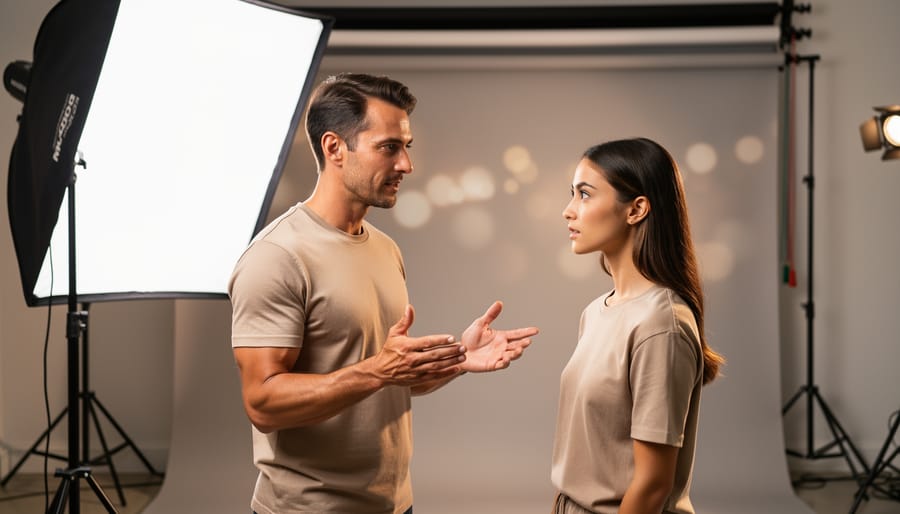
A portrait photography course gives you structured, expert-led training to master lighting, posing, and connection with subjects, typically ranging from weekend workshops to multi-week programs priced between $200 and $1,500. If you’ve been teaching yourself through YouTube tutorials and trial sessions with friends, you’ve likely hit the point where feedback feels vague and your progress has plateaued. That’s the gap formal instruction fills.
The decision to invest in a course instead of continuing to self-teach hinges on how quickly you want to move from capturing decent headshots to creating images with genuine emotional impact. Courses condense years of instructor experience into actionable frameworks you can apply immediately. A three-day workshop like the one running in Toronto this October (October 17-19, 2026) offers hands-on practice with professional models, real-time critique, and lighting setups you’d struggle to replicate alone. Longer programs, such as those offered by institutions like The Photography Institute Canada at $1,199 for comprehensive curricula, build systematic skills across studio work, environmental portraits, and client management.
The format matters as much as the content. Small group sessions through providers like Learn Photography Canada deliver personalized attention that large online courses can’t match, while destination workshops such as the Pacific Shores Portraitscapes session in Tofino (April 30-May 2, 2027) combine instruction with inspiring locations. This guide walks you through what different course types actually deliver, how to evaluate whether the investment matches your goals, and what to expect from curriculum structures before you commit.
What Makes a Portrait Photography Course Different from Online Tutorials
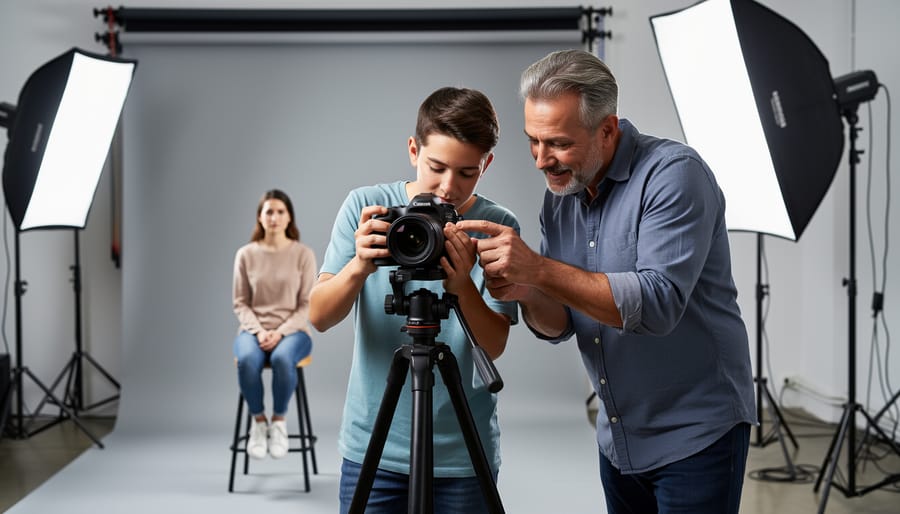
You can watch hundreds of hours of portrait photography tutorials on YouTube and still struggle with the same fundamental mistakes when you’re face-to-face with a real subject. Here’s why: online tutorials teach you what to do, but they can’t see what you’re doing wrong or adapt to your specific gaps in understanding.
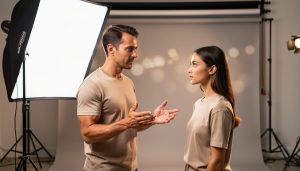
A structured portrait photography course flips that script. When you’re working with an actual subject and an instructor walks over to adjust your lighting position by six inches, showing you in real time how that small shift transforms the catchlight and eliminates harsh shadows, you learn faster than you would from ten videos on lighting ratios. That immediate, personalized feedback loop accelerates your development in ways passive consumption simply can’t match. While research on self-directed learning effectiveness shows it has value, the advantage of guided instruction becomes obvious when you’re dealing with real-world variables like subject movement, changing natural light, and equipment troubleshooting.
The structure itself matters more than many photographers realize. Formal courses curate a progression that builds logically, you master camera settings before tackling complex lighting setups, and you practice basic posing before directing emotional expressions. You’re not jumping between random tutorial topics based on what the algorithm serves up.
Beyond the instruction, courses deliver tangible advantages that tutorials can’t:
- Direct feedback on your work from experienced instructors who identify your specific blind spots
- Structured curriculum that builds skills in logical sequence rather than random topic hopping
- Peer learning opportunities and networking with other photographers at similar skill levels
- Hands-on access to professional equipment you might not own yet
- Portfolio-quality images created during guided shoots with real subjects
Perhaps most valuable is the real-world scenario practice. You’ll work with subjects who blink, get uncomfortable, or don’t know what to do with their hands, all the messy reality that polished tutorials edit out. Learning to direct a nervous subject while adjusting your settings and watching your light requires practice you can only get by doing it, ideally with someone experienced watching and coaching you through the awkward moments.
Types of Portrait Photography Courses Available in 2026
In-Person Workshops and Hands-On Learning
Multi-day workshops strip away distractions and force you to focus entirely on portraits. Unlike squeezing learning into evenings after work, these intensive formats, often two to four days, let you practice the same techniques repeatedly with immediate instructor feedback until they become instinct rather than theory.
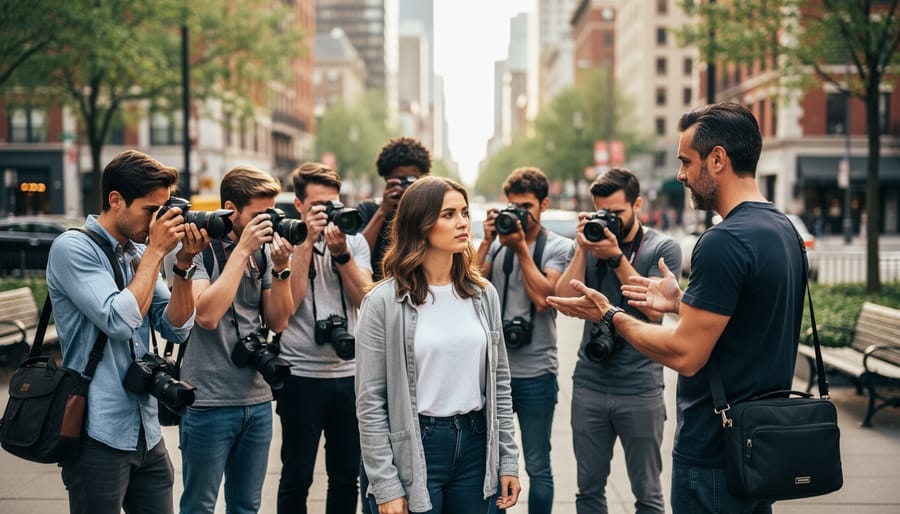
Location matters more than you might expect. Workshops like Pacific Shores Portraitscapes (April 30-May 2, 2027, in Tofino, British Columbia, led by Kris Andres and Curtis Jones) use dramatic coastal settings that challenge you to adapt natural light throughout the day. Urban programs like the Thorsten Overgaard Toronto workshop (October 17-19, 2026) leverage city environments for editorial-style street portraits and architectural backdrops. These settings aren’t just scenic, they teach you to read different light conditions and work with environmental constraints you’ll face in real client sessions.
The immersive schedule typically alternates between demonstrations, guided shoots with models, and review sessions where instructors analyze your images on large screens. You’ll shoot multiple portrait scenarios in a single day, outdoor natural light at golden hour, impromptu studio lighting setup in makeshift spaces, directing subjects you’ve just met. This compressed timeline mirrors the pressure of professional work, where you can’t spend three hours tweaking one setup. By day three, decisions that felt overwhelming at the start, feathering a softbox, adjusting pose micro-corrections, happen almost automatically.
Small Group and Private Sessions
Local workshops offer a middle ground that many portrait photographers find ideal. Small groups, typically four to eight students, give you more instructor attention than large classes while keeping costs reasonable. You’re working through the same exercises, but you get individual feedback on your lighting setup or how you’re directing your subject. The group dynamic creates natural learning moments too: watching someone else struggle with rim lighting often clarifies the concept better than a lecture would.
Private instruction makes sense when you’re working on specific weaknesses or preparing for client work. If you’re stuck on off-camera flash or need to nail down your posing flow before a wedding season, one-on-one sessions let you focus entirely on those gaps. The hourly rate looks steep, often two to three times a group workshop per hour, but you’re not spending time on material you’ve already mastered.
Group sessions shine for building confidence with strangers. Portrait photography is about managing people, and practicing with fellow students (who become your models) mimics real client interactions without the pressure. You learn by doing, then by watching others work through the same challenges moments later.
What You’ll Actually Learn: Core Curriculum Elements
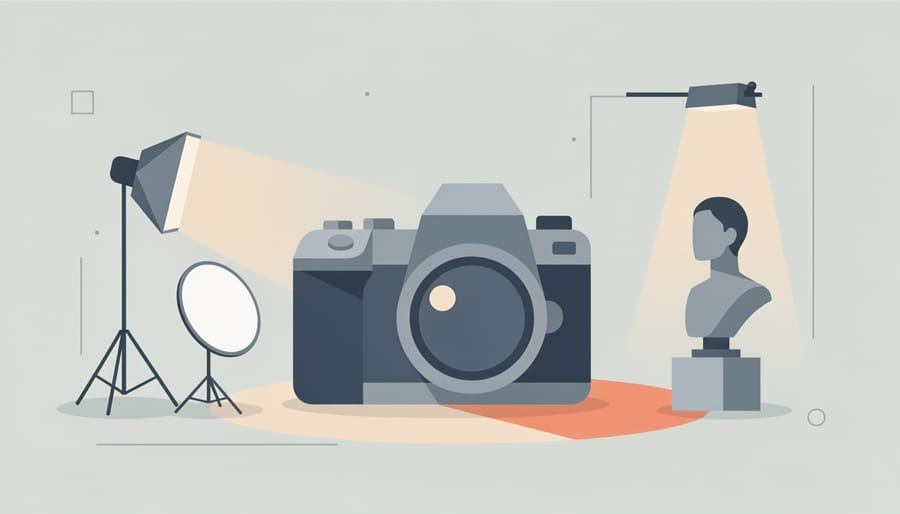
Quality portrait courses share a surprisingly consistent curriculum, regardless of format or price point. You’ll start with lighting fundamentals, how natural light behaves throughout the day, when to bounce flash versus using it directly, and how to shape light with simple modifiers. Most instructors dedicate significant time to portrait lighting techniques because lighting separates amateur snapshots from professional-looking portraits faster than any other skill.
Posing and direction form the second pillar. You’ll learn how subtle shifts in shoulder angle, chin position, or hand placement dramatically affect the final image. More importantly, courses teach you how to communicate these adjustments without making subjects feel stiff or self-conscious. Expect practice with verbal cues, demonstration techniques, and strategies for working with nervous or first-time subjects who freeze in front of cameras.
Camera settings for portraits get specific attention, why f/2.8 works differently than f/5.6 for environmental portraits, when to prioritize shutter speed over aperture, and how to nail focus on eyes consistently. Most courses move beyond generic settings to context-specific choices: indoor versus outdoor, moving children versus posed adults, natural light versus mixed lighting scenarios.
Composition principles extend beyond the rule of thirds. You’ll explore framing techniques, background management, foreground elements, and using negative space intentionally. Courses typically include exercises where you photograph the same subject in multiple compositions to develop your eye for what works.
The post-processing basics segment varies by instructor philosophy, but usually covers skin retouching without making subjects look plastic, color grading for mood, and developing a consistent editing style. Some courses teach specific software workflows; others focus on conceptual approaches you can apply across platforms.
For photographers considering professional work, many courses include client relationship building, how to conduct pre-shoot consultations, manage expectations, deliver final images, and handle common client requests. Even hobbyists benefit from this material when photographing friends or family who treat casual sessions like professional shoots.
The curriculum sequencing matters as much as the topics themselves. Good courses layer skills progressively, letting you apply lighting knowledge when practicing posing, then combine both when learning composition. You won’t master everything in one workshop, but you’ll understand how these elements interconnect and where to focus your continued practice.
Investment Considerations: Course Pricing and What You Get
Portrait photography courses in 2026 span a surprisingly wide price spectrum, and understanding what drives those differences helps you spend wisely. You’ll find offerings ranging from a few hundred dollars for local evening workshops to several thousand for intensive multi-day experiences with recognized instructors.
Several factors directly influence pricing. Instructor reputation matters, courses led by award-winning photographers or industry veterans command premium rates because you’re paying for their expertise and network access. Location plays a significant role too. A workshop in Tofino, British Columbia, like the Pacific Shores Portraitscapes session, costs more than a local studio class partly because you’re covering venue expenses and potentially accommodation in destination settings. Duration naturally affects price, but pay attention to actual instruction hours versus downtime. A three-day workshop isn’t automatically better than an intensive one-day session if half the schedule is breaks and socializing.
Class size creates another pricing tier. Private instruction costs the most but delivers personalized feedback. Small groups (four to eight students) sit in the mid-range and balance individual attention with peer learning. Larger workshops can spread instructor costs across more participants, reducing per-person fees but limiting one-on-one time.
| Price Range | Typical Duration | Format | Usually Includes |
|---|---|---|---|
| $300-$600 | 1 day | Local group workshop | Basic instruction, limited models |
| $800-$1,500 | 2-3 days | Regional intensive or online comprehensive | Multiple sessions, portfolio review, course materials |
| $1,500-$3,000 | 3-5 days | Destination workshop | Meals, models, equipment trials, venue access, small groups |
| $2,500+ | Variable | Private mentoring or celebrity instructor | One-on-one feedback, customized curriculum, ongoing support |
Look beyond the headline price. Comprehensive programs around $1,199 often include course materials, portfolio critiques, and sometimes equipment loans or professional models. Budget offerings might require you to supply your own subjects and gear. The best value comes when pricing aligns with your specific goals, don’t overpay for destination glamour if you need technical fundamentals, but don’t skimp on quality instruction just to save a few hundred dollars.
Choosing the Right Course: Questions to Ask Before You Enroll
Not all portrait photography courses deliver the same value for your investment. Before you commit your time and money, a targeted set of questions can reveal whether a program aligns with your goals and learning style.
Start with the instructor. Look beyond impressive portfolios, you need someone who can teach, not just shoot. Ask about their instructional experience: how long have they been leading workshops? Do they provide examples of student work or testimonials? Request information about their teaching approach, whether they favour demonstration and practice or lean heavily on lecture. If possible, watch sample videos or attend a free introductory session to gauge compatibility with their style.
Class size matters more than most photographers realize. A ratio of six students to one instructor allows for meaningful feedback during shooting exercises. Anything beyond twelve participants typically means you’ll spend more time waiting than learning. Clarify how much hands-on practice the course includes, some programs dedicate entire sessions to guided shooting with live models, while others focus primarily on theory with limited camera time.
Examine the curriculum details. Does the course match your current skill level, or will you be bored by basics you’ve already mastered? Look for programs that offer portfolio reviews or critique sessions, which provide personalized guidance on your specific weaknesses. Ask whether the course provides models, props, and lighting equipment, or if you’ll need to arrange these yourself.
Practical considerations shouldn’t be afterthoughts. Confirm the exact schedule, including daily start and end times, to ensure it fits your commitments. Understand the cancellation and refund policy before you pay, some workshops offer full refunds up to 30 days before the start date, while others only provide credits toward future courses. If you’re travelling for the workshop, factor in accommodation costs and verify whether the location is easily accessible.
The right course feels like a natural next step, not a gamble.
Real-World Benefits: How Courses Translate to Better Portrait Work
The improvements from a structured portrait course show up quickly in your actual shooting. Most students notice confidence shifts during the first session, they’re directing subjects naturally instead of fumbling for what to say, and adjusting camera settings without constantly checking menus. That confidence translates into better portraits because your subjects relax when you appear to know what you’re doing.
Workflow changes become obvious within weeks. You’ll spend less time fixing exposures in post-processing because your lighting instincts improve through immediate instructor feedback. Students typically cut their editing time by half once they nail exposure and white balance in-camera. You develop mental shortcuts for common portrait scenarios, window light setups, outdoor golden hour positioning, fill flash ratios, that used to require trial and error.
The networking aspect delivers unexpected value. Course participants often build a photography network that extends beyond the workshop dates, sharing job leads, second-shooting opportunities, and gear recommendations. Those connections matter more than the specific technical skills for photographers planning to shoot professionally.
Portfolio development accelerates because you’re shooting in diverse conditions with immediate critique. You’ll leave most workshops with at least three strong images suitable for your portfolio website which is difficult to achieve shooting alone without structured challenges.
Realistic expectations matter here. A single course won’t transform you into Annie Leibovitz. You’ll still need practice time between concepts and real shoots. Most students see noticeable improvement in technical execution immediately, but developing a distinctive style takes months of applying what you’ve learned. The course compresses your learning curve, you’re avoiding common mistakes and bad habits rather than discovering them through years of trial and error.

Notable Portrait Photography Workshops and Programs to Consider
Looking at the landscape of portrait photography education in 2026, several workshops stand out for their combination of expert instruction, thoughtful curriculum design, and immersive learning environments. These examples illustrate what quality instruction looks like across different formats and price points.
The Pacific Shores Portraitscapes workshop, running April 30-May 2, 2027, in Tofino, British Columbia, represents the intensive multi-day format at its best. Guided by instructors Kris Andres and Curtis Jones, this program leverages Tofino’s dramatic coastal scenery to teach environmental portraiture in challenging natural conditions. Multi-day workshops like this one create extended learning arcs where each day’s lessons build on the previous, giving students time to absorb concepts, practice with feedback, and refine their approach before the next session.
| Workshop | Dates | Location | Format |
|---|---|---|---|
| Pacific Shores Portraitscapes | April 30-May 2, 2027 | Tofino, BC | Multi-day intensive |
| Thorsten Overgaard Toronto | October 17-19, 2026 | Toronto, Canada | Three-day workshop |
Closer to urban centers, the Thorsten Overgaard Toronto photo workshop (October 17-19, 2026) offers accessible three-day instruction without requiring extensive travel. This type of city-based workshop often focuses on street portraiture and working with available light in diverse urban settings.
For photographers seeking more flexible, ongoing instruction, providers like Learn Photography Canada offer hands-on, in-person courses structured around small group and private workshops. This local approach works well for skill-building over time rather than in a single intensive burst, allowing students to practice between sessions and return with questions from real shooting experiences.
What ties quality programs together isn’t the location or duration, but instructor expertise, hands-on practice time, and clear curriculum structure. When evaluating options, look beyond the promotional materials to understand the actual shooting time, feedback mechanisms, and whether the program matches your current skill level and specific portrait goals.
Alternatives and Complements: When Self-Directed Learning Makes Sense
Formal courses aren’t the only path to portrait mastery, and recognizing when self-directed learning makes sense can save you significant money and time. If you’re already comfortable with basic exposure and composition, have a reliable practice subject willing to work with you regularly, and genuinely enjoy the trial-and-error process, structured courses may not be your immediate priority. Budget-conscious photographers can build solid foundations through deliberate practice, shooting the same subject in different lighting conditions, analyzing what works, and methodically working through one technical challenge at a time.
The sweet spot for many photographers combines both approaches. You might spend six months experimenting independently, then invest in a targeted workshop to breakthrough specific obstacles, maybe you’ve hit a wall with off-camera flash or need direction feedback that YouTube can’t provide. This hybrid model lets you maximize the value of paid instruction because you arrive with informed questions rather than starting from zero.
Advanced photographers sometimes skip introductory courses entirely, but even experienced shooters benefit from occasional workshops for fresh perspectives, networking, or exploring specialized portrait niches like environmental portraiture or studio headshots. The key is honest self-assessment: if you’re spinning your wheels on the same problems after months of self-teaching, that workshop investment will likely accelerate your progress more than another year of solo fumbling. Self-directed learning works brilliantly when you’re motivated and structured; courses excel when you need accountability, feedback, and proven frameworks.
The growing momentum around portrait photography courses isn’t a passing fad. As the industry shifts toward more structured, experience-based learning in 2026, these programs offer something self-teaching can’t replicate: personalized feedback, real-world practice under pressure, and direct access to working professionals who’ve already solved the problems you’re facing.
Before you enroll, take stock of where you are and where you want to be. Are you stuck on lighting fundamentals, or do you need confidence directing strangers? Does your schedule allow for a multi-day workshop, or would a local small-group session fit better? Your honest answers will guide you toward the right investment.
Start by researching specific programs that match your skill level and goals. Read student reviews, examine instructor portfolios, and don’t hesitate to email organizers with questions about curriculum depth or hands-on time. The best courses are transparent about what you’ll actually learn and practice.
If a formal course isn’t feasible right now, that’s fine. Build foundational skills through deliberate practice, then revisit structured learning when timing and budget align. But if you’re serious about portrait work, a well-chosen course can compress years of trial and error into days of focused growth. That’s the real value proposition.
 By
By