 By
The best videographer workshops for 2026 combine professional skill-building with measurable sustainability practices, from the Eco-Conscious Documentary Production Intensive that teaches carbon-neutral shooting techniques to the Sustainable Post-Production & Cloud Workflow Seminar that cuts energy use by up to 60%. These seven programs offer certifications and methods that directly reduce your environmental footprint without compromising production quality.
The video production industry generates substantial environmental impact through energy-intensive equipment, frequent travel, and data-heavy post-production workflows. A single day of commercial filming can produce hundreds of pounds of waste and consume the electricity equivalent of a household’s monthly use. Professional videographers increasingly recognize that clients, particularly corporate and nonprofit organizations, now prioritize working with creators who demonstrate environmental responsibility.
The workshops featured here address this shift by teaching concrete methods: renewable energy integration on set, circular economy approaches to gear acquisition, low-impact travel planning for location shoots, and cloud workflows that minimize rendering energy. Several programs have emerged from the same movement that brought us eco-conscious workshops in still photography, adapting those principles for video’s unique technical demands.
Whether you’re a documentary filmmaker looking to reduce your travel footprint, a wedding videographer seeking green certification, or a corporate producer building sustainability credentials, the right workshop will provide frameworks you can implement immediately. Each program listed offers hands-on training with real equipment and workflows, not just theoretical discussion.
Why Sustainable Videography Training Matters Now

Video production carries a substantial environmental footprint that most videographers never consider during their training. A single commercial shoot can generate hundreds of pounds of waste from disposable batteries, gaffer tape, craft services packaging, and set materials that end up in landfills. The manufacturing process for cameras, lenses, and lighting equipment involves rare earth mineral extraction, energy-intensive production facilities, and global shipping networks that collectively contribute significant carbon emissions. When you factor in your gear’s hidden cost the picture becomes even clearer.
Travel represents another major impact area. Videographers regularly fly to locations, drive production vans loaded with equipment, and transport crews that could sometimes work remotely or more efficiently. A week-long documentary shoot might involve multiple flights, rental vehicles running continuously, and hotel stays, all adding to the carbon footprint before a single frame reaches an audience.
Energy consumption during post-production often goes unnoticed. Editing workstations run for hours, render farms process footage overnight, and cloud storage requires massive data centers that consume electricity around the clock. A feature-length project might use as much energy in editing as an average household consumes in months.
The industry is shifting because clients increasingly demand sustainable practices, younger audiences expect environmental responsibility, and videographers themselves recognize the contradiction between documenting the world and damaging it. Proper training bridges the gap between good intentions and actual implementation, teaching specific techniques like energy-efficient lighting setups, minimal-waste production planning, and equipment longevity strategies that reduce both environmental impact and operating costs. Without structured education, most videographers continue wasteful habits simply because they’ve never learned alternatives that work in real-world production scenarios.
How We Selected These Workshops
We built this list by evaluating dozens of videography training programs through a sustainability lens, not through product testing or hands-on attendance. Each workshop here met specific standards that separate genuine eco-conscious training from programs that merely mention sustainability in passing.
Our selection criteria included:
- Sustainability-focused curriculum with measurable techniques for reducing production impact
- Instructor expertise in both professional videography and environmental practices
- Hands-on practical training rather than purely theoretical discussions
- Accessibility for various experience levels, from emerging videographers to established professionals
- Established reputation within the videography community and verifiable participant outcomes
These aren’t the only sustainable videography workshops available, but they represent diverse specializations, from documentary work to corporate production, so you can find training that matches your niche. We prioritized programs with transparent curricula that teach specific, actionable methods rather than vague environmental principles. Each workshop on this list addresses real production challenges while equipping participants with skills they can implement immediately.
1. Eco-Conscious Documentary Production Intensive
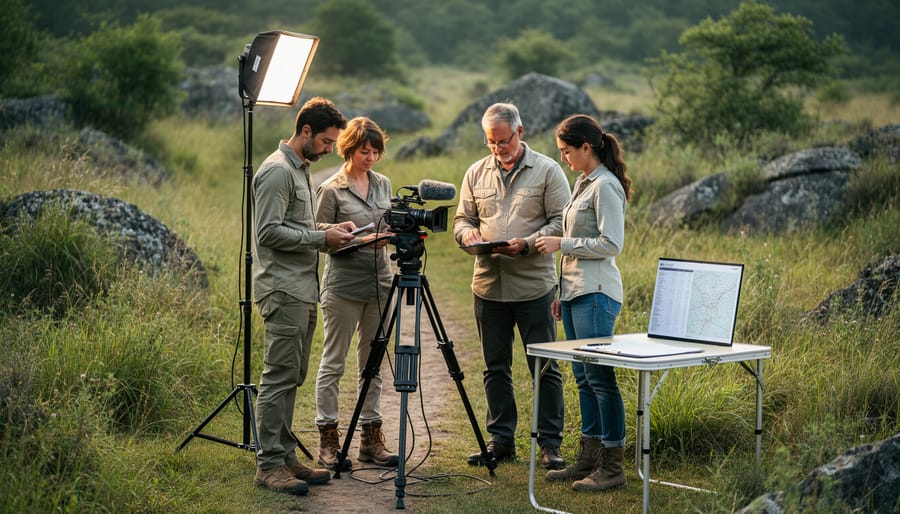
This five-day intensive workshop targets working documentary filmmakers and aspiring long-form storytellers who want to reduce their production footprint without compromising narrative quality. Run by instructors with credits on festival-circuit environmental films, the program combines classroom theory with supervised field shoots in nearby conservation areas.
The curriculum opens with minimal-footprint field production techniques: participants learn to work with smaller crews, rechargeable power systems, and earth-friendly gear choices that cut down on both waste and travel logistics. You’ll practice pre-production planning that eliminates unnecessary location visits and reduces vehicle miles, while maintaining the visual richness documentary work demands.
A dedicated module on ethical location work covers leave-no-trace principles for sensitive environments, obtaining proper permissions from communities, and building trust with subjects through respectful, low-impact presence. This goes beyond environmental sustainability into cultural and social responsibility, crucial for documentary credibility.
The final two days focus on energy-efficient editing workflows, including proxy-based editing that reduces processing power, cloud collaboration that cuts commuting, and delivery formats that balance quality with file size. Participants leave with a completed short documentary project and a production checklist they can apply immediately to client work.
What sets this workshop apart is its emphasis on storytelling first. Rather than treating sustainability as a constraint, instructors demonstrate how conscious production choices often lead to more intimate, authentic documentary footage, proving that green practices and compelling narratives reinforce each other.
2. Green Wedding & Event Videography Masterclass
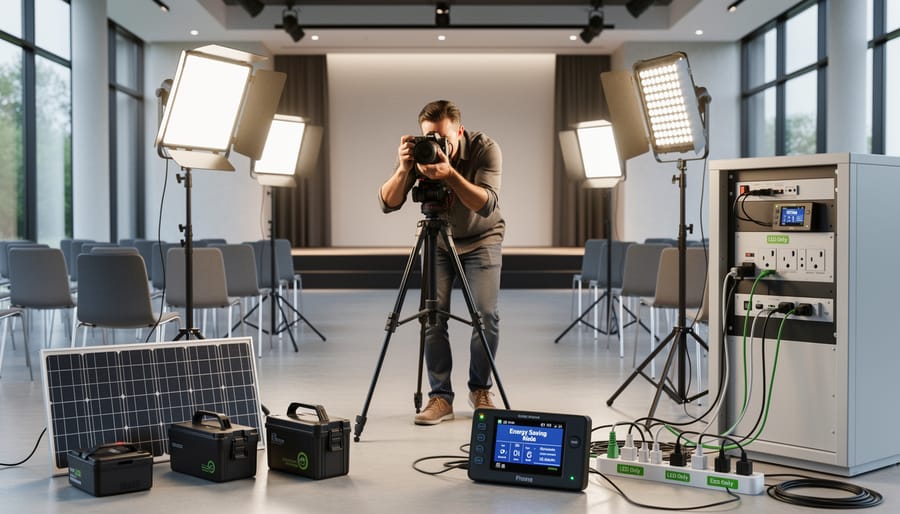
This workshop tackles one of videography’s highest-volume segments, weddings and events, where repeat shoots, multiple locations, and client expectations create unique sustainability challenges. The Green Wedding & Event Videography Masterclass runs as a three-day intensive, teaching working videographers how to deliver premium event coverage while dramatically reducing their environmental footprint.
The curriculum centers on practical workflow changes. Participants learn route optimization techniques that cut travel emissions by consolidating pre-wedding meetings, scout visits, and shoot days. Instructors demonstrate solar-powered battery systems that eliminate disposable batteries and reduce generator dependence at outdoor venues. The course addresses gear rationalization, carrying only essential equipment rather than “just in case” backups, which reduces transportation weight and equipment waste.
A standout module covers building and marketing a green-focused event business. You’ll learn client education strategies that position sustainable practices as premium value, not compromise. This includes explaining rechargeable lighting benefits, digital delivery instead of physical media, and carbon offset options that couples genuinely appreciate. The workshop connects these practices to broader equipment considerations through a sustainable buying guide approach for all production gear.
Working videographers leave with checklists for eco-conscious event prep, templates for green service packages, and networking connections to other sustainability-minded event professionals. The masterclass particularly benefits those shooting 20+ events yearly, where cumulative environmental savings become substantial. Typical participants report 30-40% reductions in single-use items and fuel costs within their first season implementing these methods.
3. Renewable Energy-Powered Film Production Workshop
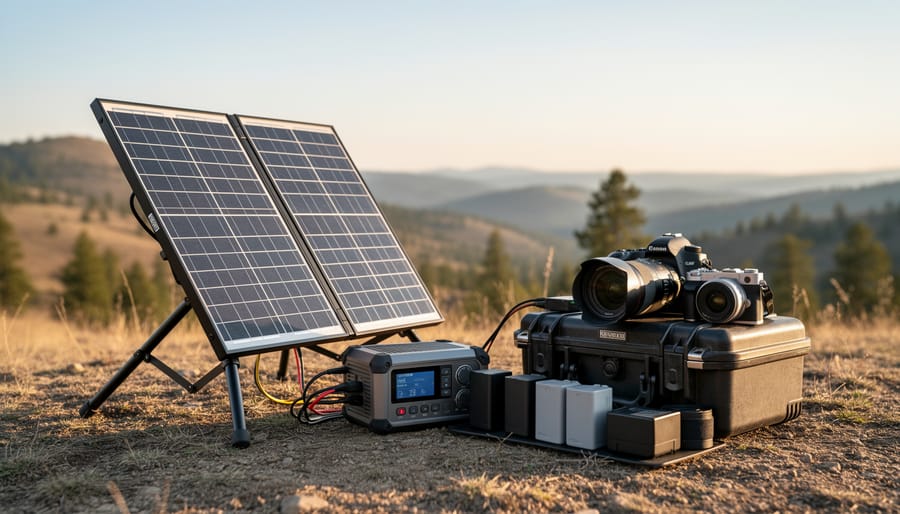
This intensive workshop tackles one of videography’s biggest environmental challenges: powering equipment in remote locations without relying on fossil-fuel generators or draining non-renewable grid electricity. Participants spend hands-on time building solar panel arrays, sizing battery banks, and calculating the power demands of cameras, lights, monitors, and laptops to create realistic energy budgets for field production.
The curriculum covers portable lithium battery systems rated for high-wattage continuous draw, folding solar panels optimized for different lighting conditions, and hybrid setups that combine renewable charging with efficient backup options. You’ll learn to match power solutions to shoot requirements, distinguishing between a lightweight solo documentary rig and a multi-camera interview setup, and troubleshoot common issues like voltage drops and charging delays that derail unprepared productions.
Real-world applications include powering a three-day nature documentary shoot entirely from a solar briefcase and battery station, running LED panels for an outdoor interview through cloudy weather using properly sized reserves, and maintaining laptop editing workflows off-grid. Instructors demonstrate energy-efficient lighting techniques that reduce power needs without sacrificing image quality, and share strategies for scheduling shoots around renewable charging windows.
The workshop also connects sustainable power practices to broader conservation efforts, noting how minimizing generator noise and fuel transport helps protect wild spaces during location filming. Graduates leave with the confidence to bid and execute fully renewable-powered productions, opening doors to eco-conscious clients and remote projects previously considered logistically impossible.
4. Circular Economy Gear Management Training

The Circular Economy Gear Management Training takes a radically different approach to videography equipment by treating cameras, lenses, and accessories as long-term assets rather than disposable tools. This workshop directly challenges the upgrade-obsessed culture that fills landfills with functional gear.
Participants learn hands-on repair skills that most videographers never develop. The curriculum covers sensor cleaning beyond basic dusting, lens element servicing, gimbal motor maintenance, and troubleshooting common electronic issues. You’ll work with actual damaged equipment, learning which repairs you can handle yourself and when to seek professional service. One instructor-led session involves completely disassembling and reassembling a mirrorless camera, knowledge that prevents panic when a loose screw rattles inside your body during a shoot.
The responsible buying and selling module examines the full lifecycle of video gear. You’ll learn how to evaluate used equipment for hidden wear, negotiate fair prices in secondary markets, and position your own gear for resale before it loses all value. The workshop demonstrates how buying two-year-old professional equipment often delivers better sustainability outcomes than purchasing brand-new mid-tier options, while maintaining identical image quality.
Instructors present data showing that extending gear lifespan by just two years reduces manufacturing impact by 40%. The course includes frameworks for resisting marketing-driven upgrade cycles, identifying when new features genuinely improve your work versus when they’re incremental improvements. Many participants report saving thousands annually while reducing their electronic waste footprint to nearly zero.
5. Low-Impact Travel Videography Course
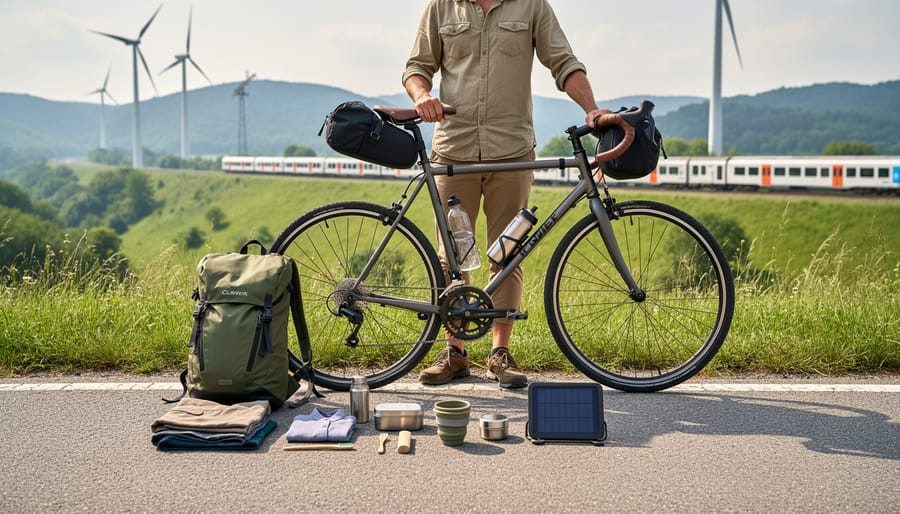
This hands-on course tackles one of videography’s biggest environmental challenges: the carbon footprint and cultural impact of location shooting. Designed specifically for travel content creators, destination filmmakers, and adventure videographers, it transforms how you approach shoots away from home.
The curriculum centers on sustainable location scouting that prioritizes places accessible by train or electric vehicle over remote fly-in destinations. You’ll learn transportation planning techniques that consolidate shooting days, combine projects in the same region, and maximize footage per trip. Instructors demonstrate how to work with smaller crews, often just yourself plus one audio person, using lightweight, multipurpose gear that fits in carry-on luggage, eliminating checked bag fuel surcharges and rental vehicle needs.
The leave-no-trace module adapts outdoor recreation principles for film production. You’ll practice positioning equipment without damaging vegetation, using existing light instead of power-hungry fixtures, and leaving locations exactly as you found them. Real-world case studies show how one instructor reduced a five-person crew to two for a national park documentary, cutting the production’s carbon footprint by 60% while actually improving the intimate feel of interviews.
Cultural sustainability gets equal emphasis. The workshop teaches respectful community engagement, hiring local fixers and talent to keep money in destination economies, and obtaining proper permissions rather than guerrilla-style shooting that strains local resources. You’ll also explore how to tell authentic stories that benefit the communities you film, not just extract content from them.
6. Sustainable Post-Production & Cloud Workflow Seminar
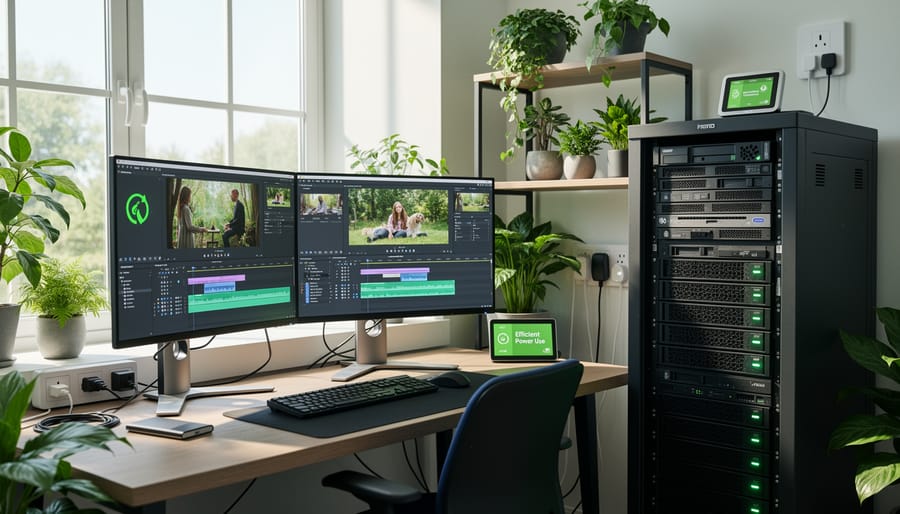
Most videographers focus on sustainable field production but overlook the carbon footprint of post-production workflows. This seminar addresses that gap by teaching how editing, storage, and delivery choices significantly impact environmental outcomes.
The workshop begins with eye-opening energy consumption comparisons: a typical editing workstation running eight hours daily uses roughly 1,500 kWh annually, while inefficient cloud storage and rendering can double that figure. Participants learn to audit their current workflows and identify the biggest energy drains, from unnecessarily powerful machines left running overnight to storage bloat from keeping every single take forever.
Curriculum modules cover selecting cloud services powered by renewable energy data centers, with specific guidance on providers like Google Cloud and Microsoft Azure that publish carbon footprint data. You’ll learn efficient encoding techniques that reduce file sizes without compromising deliverable quality, cutting both storage costs and energy consumption. The seminar demonstrates how switching from uncompressed formats to optimized codecs can slash storage needs by seventy percent.
Remote collaboration training shows how distributed teams can eliminate commuting emissions while maintaining creative coordination. Participants practice using cloud-based review tools, version control systems, and virtual production meetings that keep projects moving without the environmental cost of in-person sessions.
The hands-on component includes setting up energy-efficient render farms, implementing automated file cleanup protocols, and calculating the carbon savings from workflow optimizations. Many attendees report cutting their post-production energy use by thirty to forty percent within months of completing the seminar.
7. Corporate Video Sustainability Certification Program
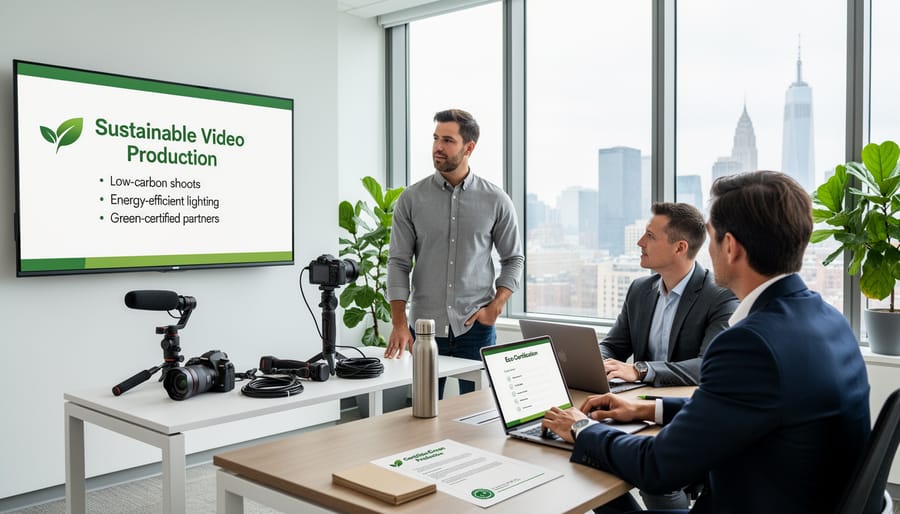
The Corporate Video Sustainability Certification Program targets commercial videographers who want to differentiate themselves in the business-to-business market by offering verified sustainable production services. This intensive workshop combines environmental knowledge with client-facing skills, teaching participants how to plan, execute, and market corporate video projects with measurable sustainability credentials.
The curriculum starts with comprehensive training on assessing and reducing production carbon footprints. You’ll learn calculation methodologies for equipment energy use, crew travel, location impact, and post-production emissions. The program teaches specific frameworks for presenting these metrics to corporate clients who increasingly require sustainability reporting from all vendors.
A major component focuses on green production planning tailored to corporate environments. This includes coordinating with venue sustainability managers, sourcing local crew to minimize travel, implementing digital-only delivery systems, and creating production protocols that align with client environmental policies. You’ll work through real corporate brief scenarios, developing sustainable production proposals that maintain professional quality while hitting environmental targets.
The workshop also covers carbon offset integration, both how to calculate necessary offsets for unavoidable emissions and how to source credible offset programs that corporate clients will recognize. Instructors explain the difference between genuine offset value and greenwashing, a critical distinction when your reputation is on the line.
The final module teaches marketing these services effectively: building a sustainability portfolio, obtaining relevant certifications like ISO 14001 familiarity, and positioning yourself as the go-to videographer for environmentally conscious corporations. Graduates receive a program certificate that demonstrates verified sustainable production training.
What to Look for in Any Sustainable Videography Workshop
When you’re considering a sustainable videography workshop beyond this curated list, ask whether the program teaches actionable skills you can implement immediately. Look for instructors with documented experience running green productions, not just theoretical knowledge but real credits showing they’ve solved on-set sustainability challenges. Check their portfolio or LinkedIn to verify they’ve walked the walk.
The best workshops balance hands-on practice with conceptual understanding. You should leave with specific techniques (like calculating power budgets for battery systems or building a minimal-impact travel kit), not just philosophical discussions about environmentalism. Ask whether you’ll actually practice sustainable workflows during the training or only hear about them in lectures.
Community matters more than you might expect. Workshops that include alumni networks, ongoing resource libraries, or follow-up coaching help you troubleshoot real-world implementation challenges after the training ends. Sustainable practices often require adaptation to your specific market and gear, so access to an experienced community provides lasting value.
Evaluate cost against what you’re getting. A higher price might be justified if it includes equipment loans, personalized feedback, or certification that helps you market green services to clients. Conversely, some excellent workshops cost less because they’re offered by nonprofits or educational institutions. Compare syllabi directly rather than assuming price reflects quality, and consider whether the skills will generate new revenue or reduce operating costs that offset the investment.
Investing in sustainable videography training pays dividends beyond your bottom line. These workshops equip you with practical skills that reduce production waste, lower operating costs, and position you as a forward-thinking professional in an industry increasingly scrutinized for its environmental footprint. Whether you choose the Eco-Conscious Documentary Production Intensive, the Green Wedding & Event Videography Masterclass, or any other program on this list, you’re making a commitment that aligns your craft with the values clients expect in 2026.
The videographers who thrive in the coming years won’t just be the ones with the sharpest technical skills, they’ll be those who can deliver exceptional work while demonstrating genuine environmental responsibility. Learning these practices now gives you a measurable competitive advantage, turning sustainability from a buzzword into a genuine service differentiator that attracts conscious clients and opens doors to projects that demand proven green credentials.
Frequently Asked Questions
Do sustainable videography workshops cost more than traditional training?
Not necessarily. Many sustainable workshops cost the same as conventional programs, and some actually save money by teaching equipment longevity and energy efficiency. The Circular Economy Gear Management Training, for example, helps offset its cost through repair skills that reduce replacement expenses.
Can beginners attend these workshops without professional equipment?
Yes, most workshops welcome beginners and accommodate various gear levels. The Green Wedding & Event Videography Masterclass and Low-Impact Travel Videography Course both teach principles that work with entry-level cameras and smartphones. Some programs even provide equipment for hands-on sessions.
Are there online options for sustainable videography training?
Several programs offer remote learning formats, particularly the Sustainable Post-Production & Cloud Workflow Seminar, which naturally lends itself to online delivery. However, hands-on workshops like the Renewable Energy-Powered Film Production Workshop typically require in-person attendance to practice with physical power systems.
How quickly can I implement sustainable practices after completing a workshop?
Most participants start applying basic principles immediately, like optimized battery management and reduced travel planning. More advanced techniques, such as building a renewable power kit or marketing certified green services from the Corporate Video Sustainability Certification Program, typically take a few weeks to integrate fully into your workflow.
The investment in sustainable videography training pays dividends beyond environmental benefits. Many workshop graduates report that clients increasingly ask about eco-conscious production options, making this specialized knowledge a competitive advantage. You’ll also find that efficiency improvements often lead to faster turnaround times and lower operating costs, particularly when you’ve learned to maintain gear longer and reduce energy waste during editing.


 By