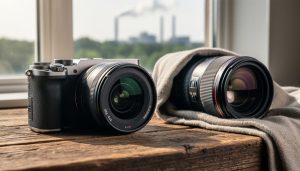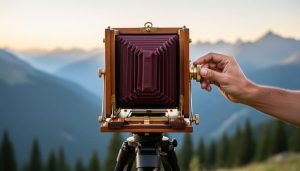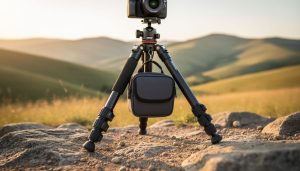
Stand in the transitional zone between darkness and daylight—where the cave mouth frames your subject—and you’ll discover exposure challenges that make or break the shot. This is where the histogram becomes your essential tool: expose for the cave interior details while accepting blown highlights in the bright exterior, or bracket three to five shots at different exposures for later HDR blending.
Position yourself outside the entrance during golden hour when soft, angled light illuminates rock textures and vegetation without creating harsh shadows. The low sun transforms ordinary limestone into sculptural forms while …
Why Your Prints Look Wrong (And How Soft Proofing Fixes It)
You’ve spent hours perfecting an image on your calibrated monitor—adjusting shadows, tweaking colors, getting the skin tones just right. The file goes to your printer, and when you open the package days later, your heart sinks. The colors are dull, the blues have shifted to purple, and those carefully crafted highlights are blown out. Sound familiar?
This disconnect between screen and print is one of the most common frustrations in photography, but it’s also one of the most preventable. The culprit isn’t usually your printer or paper—it’s the absence of color proofing in your workflow. Color proofing, …
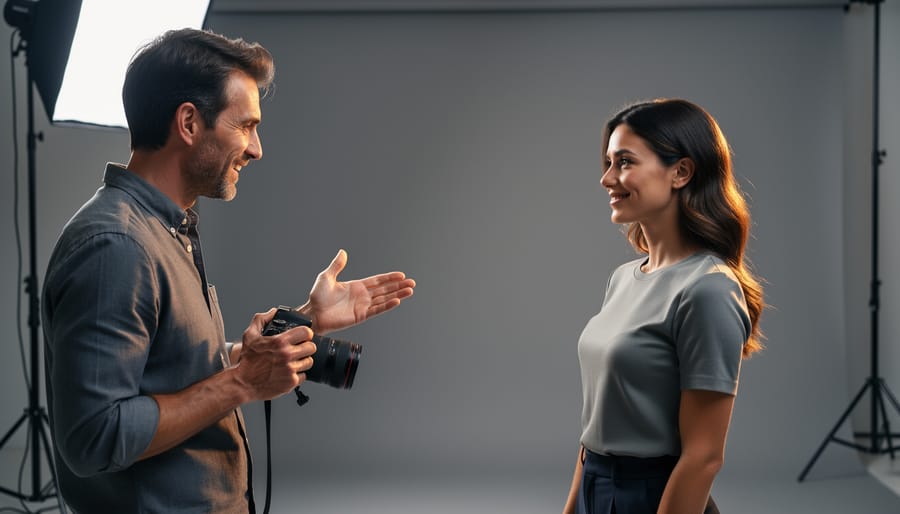
Why Your Best Clients Leave (And How to Make Them Stay Forever)
Create a simple post-session follow-up sequence that begins within 24 hours of every shoot. Send a personal thank-you message, deliver a sneak peek image within three days, and include your full gallery within two weeks. This consistent timeline sets professional expectations and keeps you top-of-mind during the crucial post-shoot period when clients are most excited about their experience.
Design a tiered loyalty reward system that acknowledges repeat business without complicated point tracking. Offer returning clients exclusive perks like priority booking during peak seasons, complimentary engagement sessions when they book …
Why Your Photos Look Blurry in Motion (And How Global Shutter Fixes It)
You’ve probably seen it in videos: that strange jello-like wobble when panning quickly, or propeller blades that appear bizarrely bent mid-flight. That’s rolling shutter at work, and it’s been the standard in most cameras for years. Global shutter, once reserved for high-end cinema and industrial cameras, is now making its way into consumer gear, promising to eliminate these distortions entirely.
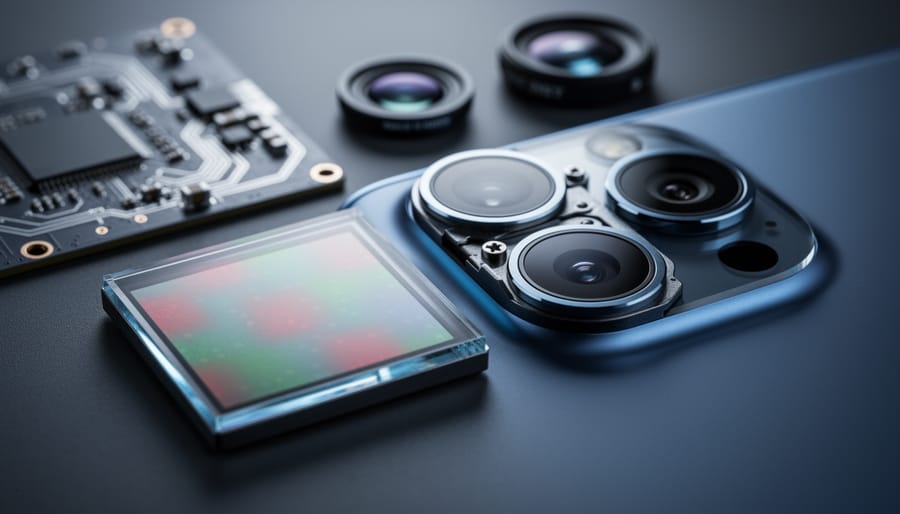
The difference comes down to how your camera’s sensor captures light. A rolling shutter reads image data line by line, like a scanner moving across a page. Fast-moving subjects can shift position between the first …
How to Finance Your Dream Camera Gear Without Draining Your Savings
Compare equipment financing options by evaluating interest rates, payment terms, and total cost across credit cards, manufacturer programs, and specialized photography lenders. Professional photographers can often deduct lease payments as business expenses, while purchase financing builds equity in gear that holds resale value.
Calculate the true cost of financing by multiplying your monthly payment by the loan term and comparing it to the gear’s retail price. A $3,000 lens financed at 15% APR over 24 months costs $3,486 total—that extra $486 might cover a quality filter set or extended warranty instead. Factor in whether …
Your Photo Library Won’t Survive the Quantum Computing Revolution (Here’s How to Protect It)
Your photo archives face a genuine threat that’s closer than most photographers realize. Quantum computers capable of breaking today’s encryption methods could emerge within the next decade, and adversaries are already harvesting encrypted data now to decrypt later—a strategy called “store now, decrypt later.” Those RAW files, client galleries, and cloud backups you’re protecting with standard encryption today could be exposed tomorrow, even if you encrypted them properly.
Quantum-safe encryption—also called post-quantum cryptography—uses mathematical algorithms that remain secure against both …
Why Instant Analog Cameras Still Beat Your Smartphone
In an era where smartphone cameras deliver technically flawless images in milliseconds, instant analog cameras are experiencing a renaissance that defies digital logic. These mechanical marvels—cameras that expose light-sensitive film and eject fully developing photographs within seconds—offer something your phone never can: a physical artifact, chemical unpredictability, and the irreplaceable thrill of waiting for an image to materialize in your hands.
Unlike digital photography’s infinite do-overs, instant film photography demands intentionality. Each shot costs between $2-3, transforming casual snapshots into deliberate…
How Digital Marketing Is Reshaping the Camera Industry (And What It Means for Your Next Purchase)
Watch camera manufacturers’ social media channels and email announcements weekly to catch limited-edition releases before they sell out. Major brands like Sony, Canon, and Nikon now drop gear with little warning, mimicking streetwear launches to create urgency. Set up alerts for your preferred retailers and join brand-specific communities where members share insider tips about upcoming releases.
Scrutinize influencer partnerships before making purchases based on their recommendations. When a photographer with 500,000 followers suddenly showcases a specific lens or camera body, check their disclosure statements and look for …
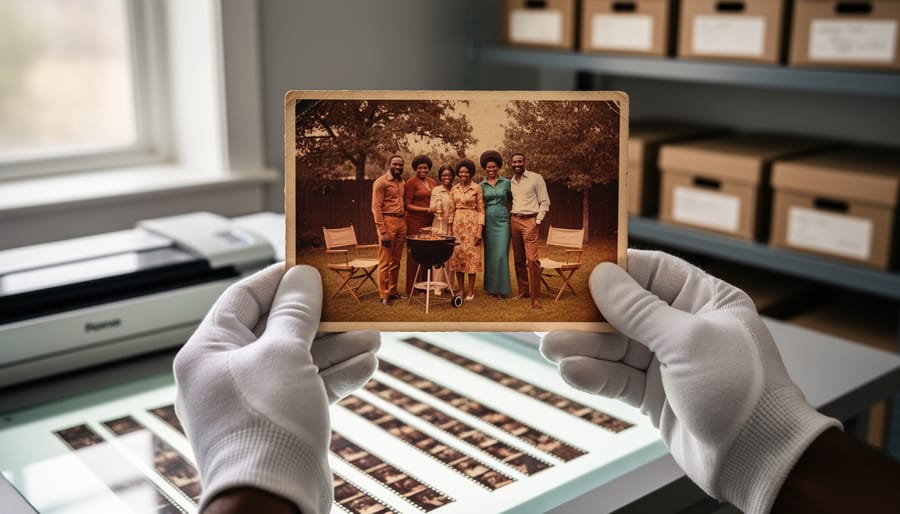
Why Home Film Developing Saves You Money and Makes You a Better Photographer
Developing film at home transforms your photography from a waiting game into an intimate, controlled craft. What once seemed like chemistry reserved for professionals now happens in spare bathrooms and kitchen corners worldwide, with photographers gaining complete creative control while saving money on lab fees.
The barrier to entry sits lower than most imagine. A basic black-and-white setup requires roughly $100-150 in initial investment: a developing tank, reels, measuring cylinders, thermometer, and chemistry. You don’t need a darkroom—just a changing bag for loading film onto reels in complete darkness, then normal room …
Supply Chain Chaos Just Changed What Camera Gear You Can Buy
Monitor camera manufacturer websites weekly and sign up for stock alerts, as inventory windows for popular models like the Sony A7 series and Canon R bodies now close within hours rather than days. The photography industry faces unprecedented supply chain turbulence in 2024, with semiconductor shortages, shipping delays, and geopolitical tensions creating a perfect storm that’s reshaping how we buy camera gear.
Check authorized dealer networks daily rather than waiting for single-retailer restocks, since distribution has become fragmented and unpredictable across retailers. Consider pre-owned equipment from reputable sellers …