Cinematic Videography Techniques

Explore the art and science of crafting professional-level videos with your camera, including techniques, equipment recommendations, and editing tips.

Why Your Videos Look Flat (And How Log Profiles Fix It)

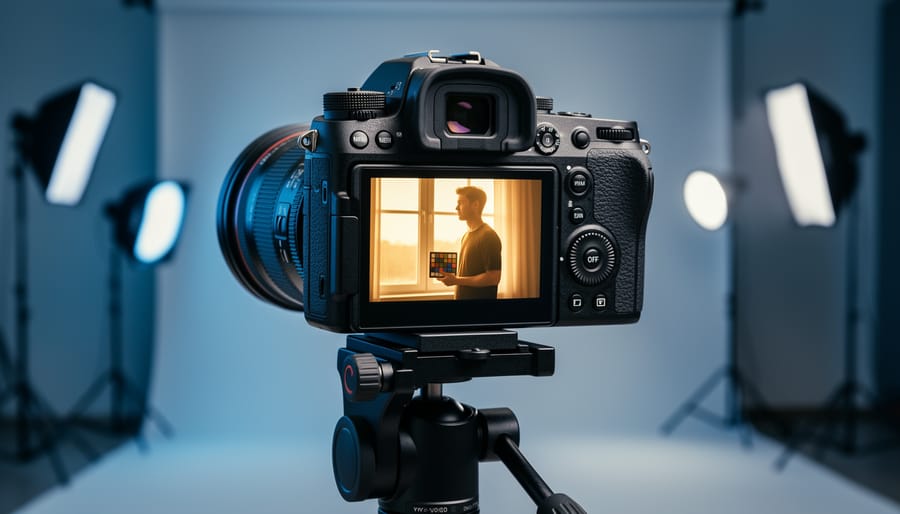
Look through your camera’s picture profile menu for options labeled “Log,” “S-Log,” “C-Log,” or “V-Log”—these flatten your image’s contrast and color, preserving maximum dynamic range in highlights and shadows that you’ll recover in post-production. Expose 1-2 stops brighter than you normally would, ensuring your subject sits around 40-50% on the waveform monitor, because log footage intentionally looks washed out and requires this overexposure technique to minimize noise in shadows. Shoot a color checker or gray card at the start of each scene to establish accurate …

Q-Focus: The Secret Weapon That’s Changing How Cinematographers Pull Focus

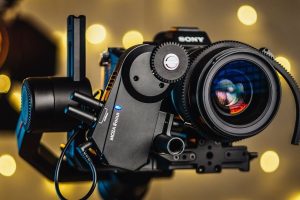
Focus pulling separates amateur footage from cinematic storytelling, and q-focus represents one of the most sophisticated approaches to achieving rack focus transitions. This wireless follow focus system transforms how camera operators execute focus shifts during live recording, replacing guesswork with precision-mapped focus points that can be triggered on demand. Unlike traditional manual focus pulling that requires estimating distances and memorizing lens markings, q-focus allows you to pre-program exact focus positions—say, from an actor’s face at three feet to a doorway at fifteen feet—then execute that transition smoothly …

Why Your Handheld Footage Still Looks Amateur (And How Gimbals Fix It)

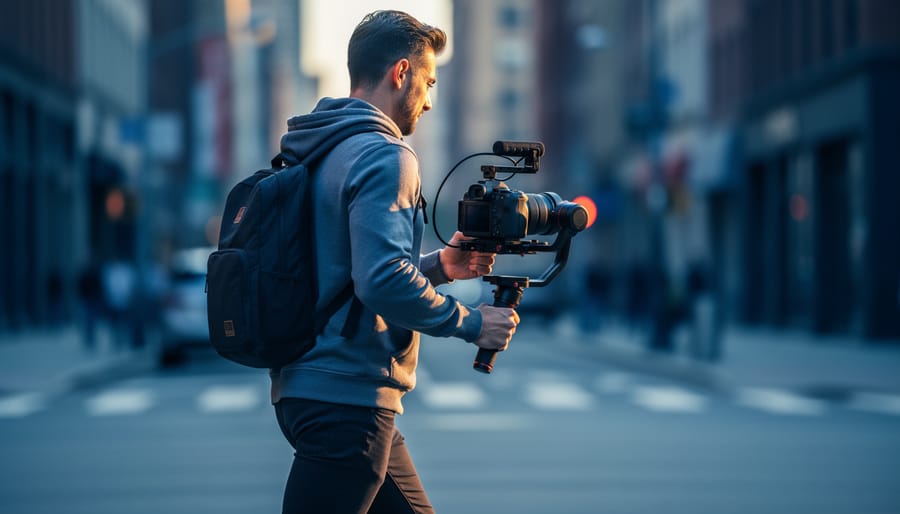
Master your gimbal’s balancing before powering it on—spend five minutes ensuring your camera sits level with minimal motor strain, as proper balance extends battery life and enables smoother footage than any stabilization algorithm can achieve. Start with your gimbal’s follow speed set to medium and pan axis unlocked, allowing natural horizontal movement while restricting aggressive tilts that immediately mark footage as amateur.
Practice the core movements that separate cinematic work from shaky handheld footage: the forward dolly with consistent walking speed, the lateral truck maintaining precise subject framing, …

How Film VFX Techniques Can Transform Your Video Projects

Master the fundamentals of camera tracking before attempting any complex compositing work—your ability to match virtual elements to real-world camera movement determines whether effects look seamless or amateurish. Shoot clean plates (footage without actors or moving elements) at every location, maintaining identical camera settings and positions; this single habit solves 80% of post-production headaches when removing unwanted objects or adding digital elements.
Film visual effects have evolved from exclusive Hollywood territory into accessible tools for creative storytellers at every level. What once required million-dollar …

Cinematic Magic: How Drones Are Revolutionizing Film Photography

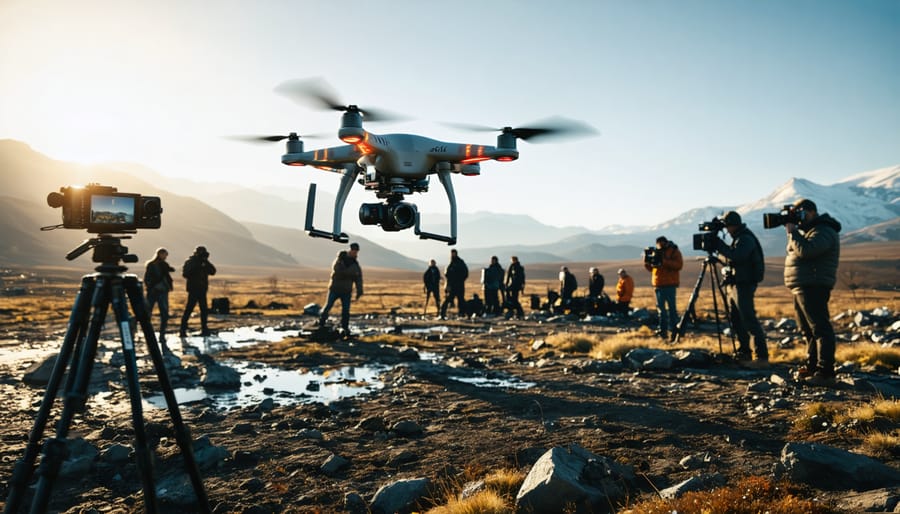
Drones have revolutionized modern cinematography, transforming what was once impossible into everyday reality. From sweeping landscape shots that rival Hollywood productions to intimate wedding videos that capture moments from breathtaking angles, aerial cinematography has become an essential tool in every serious filmmaker’s arsenal.
The integration of drone technology into filmmaking isn’t just about capturing stunning aerial footage – it’s about expanding the creative possibilities of visual storytelling. Modern drones combine sophisticated flight controls, stabilization systems, and high-resolution cameras to…

Natural Light Mastery: Pro Techniques for Cinematic Video

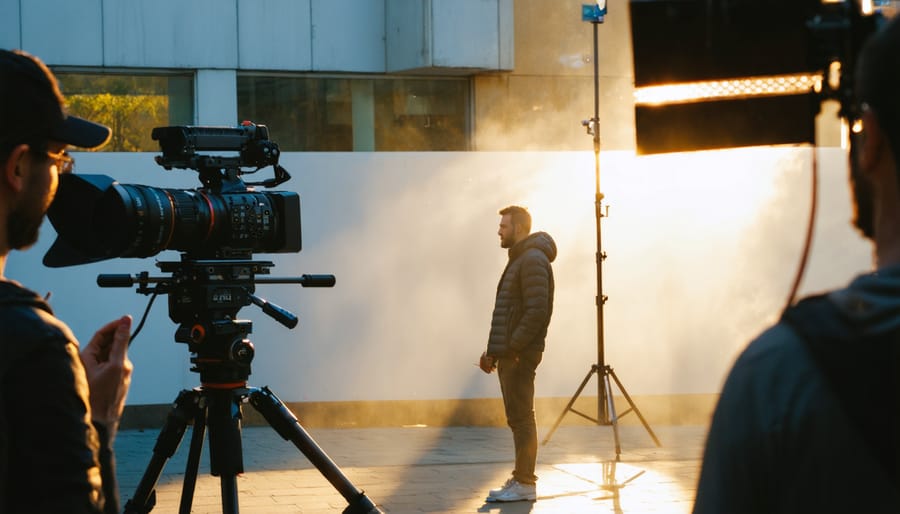
Natural light transforms ordinary film footage into cinematic masterpieces when you master three essential techniques. Position subjects near large windows during golden hour to capture soft, directional lighting that adds depth and dimension to every frame. Scout locations with natural bounce surfaces – white walls, reflective buildings, or pale concrete – to harness professional lighting techniques without additional gear. Shape available light by strategically placing subjects relative to light …

Pro-Level Video Post-Production Secrets That Transform Your Footage

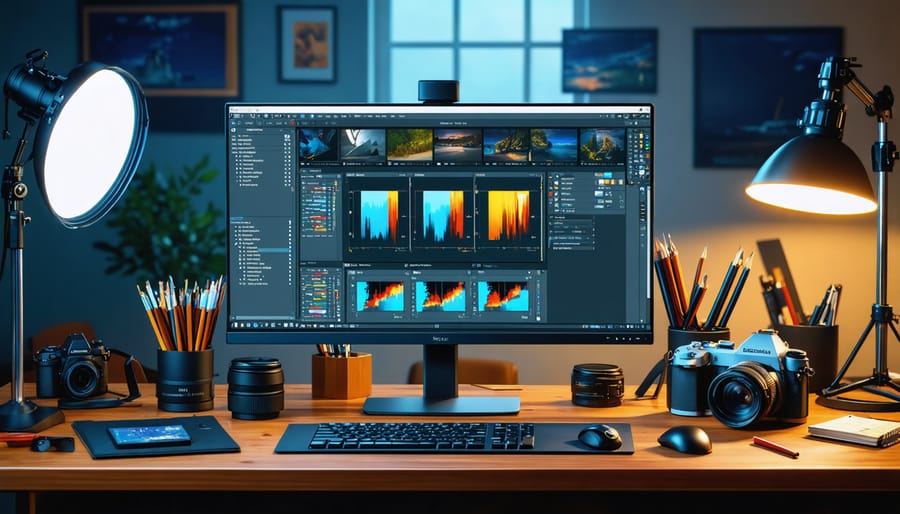
Transform raw footage into cinematic masterpieces through the art of video post-production – where technical precision meets creative vision. In today’s digital age, the difference between amateur content and professional-grade videos often lies not in the camera used, but in the meticulous post-production process that follows.
From color grading that evokes specific emotional responses to seamless audio mixing that immerses viewers in your story, post-production is where the magic of filmmaking truly comes alive. Industry veterans know that up to 70% of a video’s impact is crafted during this crucial phase, where …

Pro Storyboarding Secrets That Make Your Videos Look Cinematic

Transform your video vision into a compelling visual story by mastering the art of storyboarding – the essential pre-production tool used by filmmakers from Hollywood blockbusters to viral YouTube content. A well-crafted storyboard serves as your video’s blueprint, mapping out every shot, transition, and camera movement before you hit record.
Start by sketching rough thumbnails of key scenes on a simple grid template, focusing on composition and camera angles rather than artistic perfection. Include basic directorial notes, timing estimates, and movement arrows to communicate your creative intent to your team or remind …

Master Cinematic Colors: Scinetone Grading in DaVinci Resolve

Master the distinctive Scinetone look in DaVinci Resolve by leveraging its powerful cinematic color grading techniques and precision tools. This sought-after aesthetic, characterized by its balanced skin tones and film-like contrast, transforms ordinary footage into compelling visual narratives. Professional colorists prize Scinetone for its ability to deliver consistent, repeatable results while maintaining natural-looking highlights and shadows. Whether you’re color grading commercial projects or …

Why Yellow Color Grading Creates That Perfect Cinematic Glow

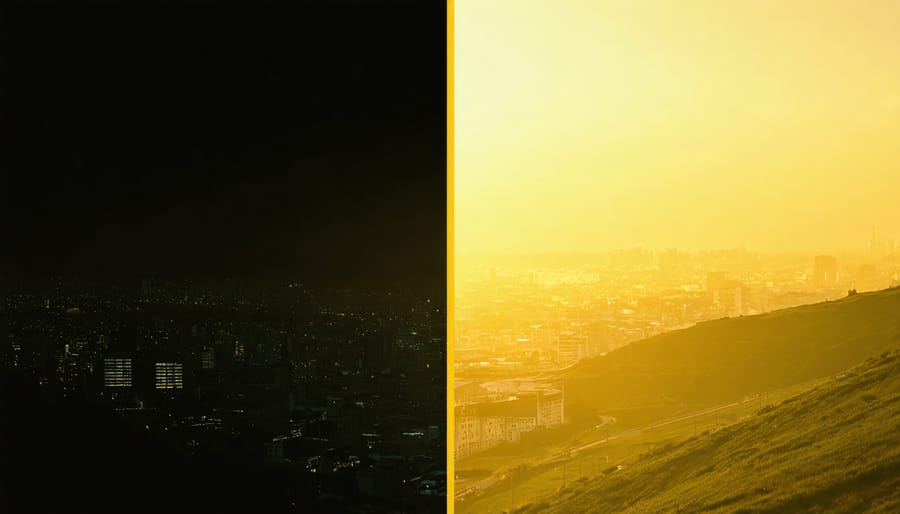
Yellow color grading transforms ordinary footage into compelling visual narratives, wielding warmth and psychological impact that spans from subtle vintage aesthetics to bold, modern statements. Master cinematic color grading techniques by understanding how yellow’s tonal variations evoke specific emotional responses – from the golden hour’s nostalgic embrace to the high-contrast urgency of contemporary thrillers. While most colorists focus solely on saturation levels, the true art lies in …