Print, Display & Delivery

Everything that happens after editing: turning files into tangible or shareable results, including printing, paper and inks, color management, photobooks, framing, exhibitions, portfolio websites, and client proofing and delivery.

FPO Images: Why Your Portfolio Is Showing Placeholders (And How to Fix It)

You’ve just launched your photography portfolio website, proud to showcase your best work to potential clients. But instead of your stunning landscape shots or carefully composed portraits, you’re staring at gray boxes labeled “FPO” scattered across your galleries. Your heart sinks as you realize visitors are seeing the same thing.
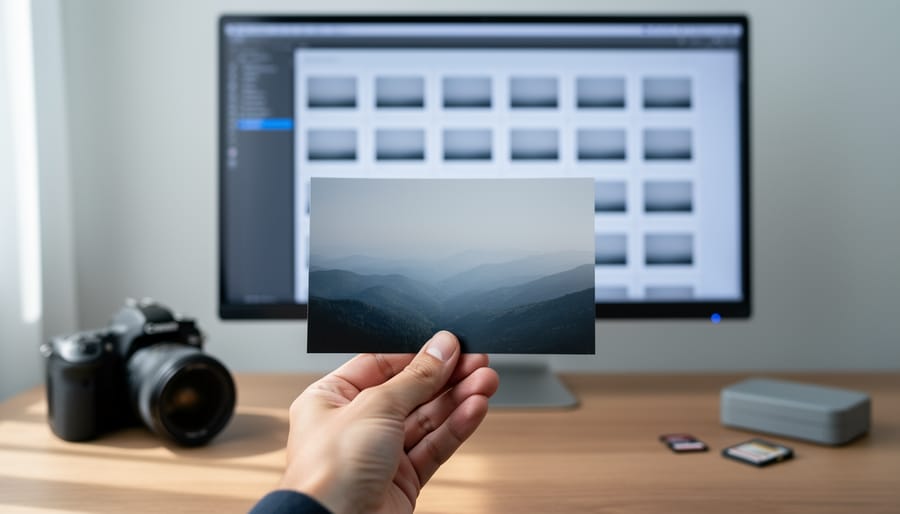
FPO stands for “For Position Only,” a placeholder term borrowed from the printing and publishing industry. These temporary images were originally used in magazine layouts and print proofs to indicate where final photographs would eventually appear. In the digital age, …
Why Your Photography Gear Gets Stuck at Customs (And How to Avoid It)

Ordering that dream lens from overseas can turn into a nightmare when your $2,500 package gets held at customs, racking up unexpected fees or, worse, returned to sender. Customs compliance isn’t bureaucratic red tape—it’s the difference between seamlessly receiving your international photography gear and facing delays, surprise charges exceeding $300, or confiscation.
When you purchase camera equipment internationally, you’re entering a world where proper documentation, harmonized tariff codes, and country-specific regulations determine whether your shipment clears smoothly or gets flagged. A simple error on a …

Why Your Precious Prints Deserve Better Than a Cardboard Box

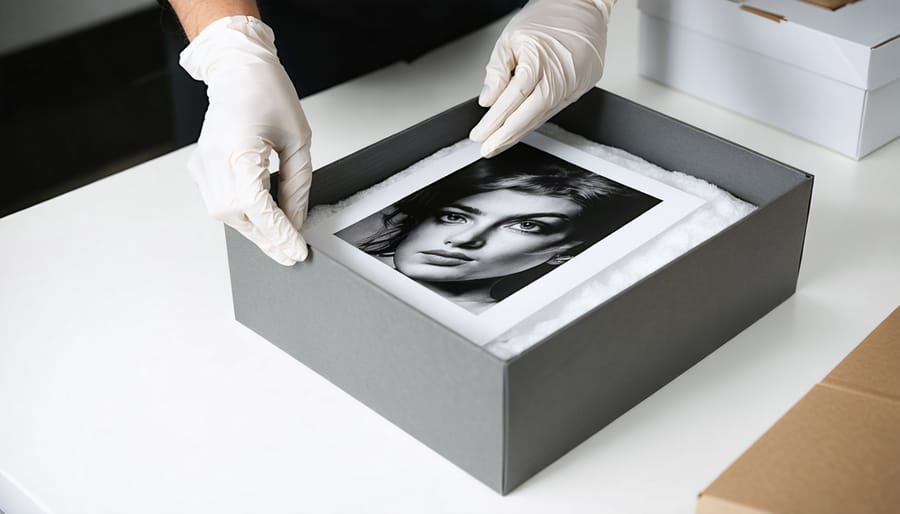
Your photographs deserve the same protection museums give their most valuable collections, and University Products archival boxes deliver exactly that level of preservation. These aren’t ordinary storage containers—they’re precision-engineered solutions designed by archivists to protect prints, negatives, and documents for decades, even centuries, using acid-free, lignin-free materials that prevent the chemical degradation that destroys irreplaceable images.
University Products has built its reputation over 50 years by serving professional archives, museums, and libraries, which means their boxes meet rigorous …

Why Your Photography Portfolio Loads Like It’s 2005 (And How to Fix It)

Optimize your portfolio images to 150-200KB per photo using tools like Lightroom’s export settings with 60-80% JPEG quality—this maintains professional visual standards while cutting load times by 70% compared to uncompressed files. Most visitors abandon sites that take longer than three seconds to load, and your hero images are usually the culprit.
Implement lazy loading on your portfolio pages so images load only as visitors scroll down, reducing initial page weight from several megabytes to under 500KB. Platforms like Squarespace and Format include this feature by default, while WordPress users can add it through plugins …

Why Photo Zines Are Bringing Authentic Photography Back

Gather your strongest 15-30 photographs around a single theme or visual narrative before you touch any design software. This focused curation forms the backbone of any compelling photo zine—whether you’re documenting your neighborhood, exploring abstract light studies, or sharing a personal photo essay. The editing process separates memorable zines from forgettable ones.
Design your layout using free tools like Canva or Adobe InDesign’s free trial, keeping spreads simple with generous white space. Most successful photo zines follow an 8.5×11-inch or 5.5×8.5-inch format because these dimensions print …

How to Package Your Art Prints So They Actually Survive Shipping

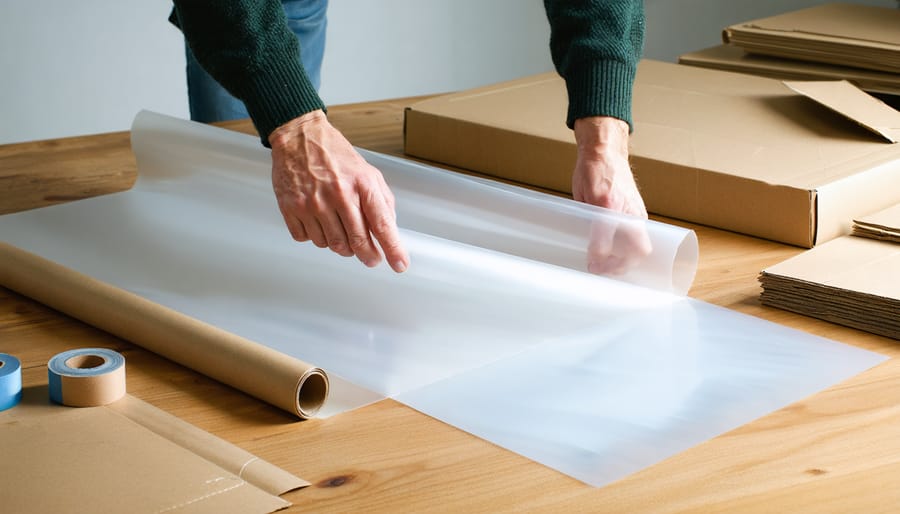
Protect your art prints from shipping damage by sandwiching them between two rigid backing boards that extend at least one inch beyond each edge—this prevents corner crushing and edge dents that plague even carefully wrapped packages. Place prints in crystal-clear protective sleeves before adding the backing boards, as moisture and fingerprints during handling are just as damaging as transit mishaps.
Invest in proper triangular or square cardboard tubes for larger prints over 16×20 inches, rolling them with the image facing outward around an acid-free core to prevent cracking in the ink or paper fibers. Many professional …