 By
By 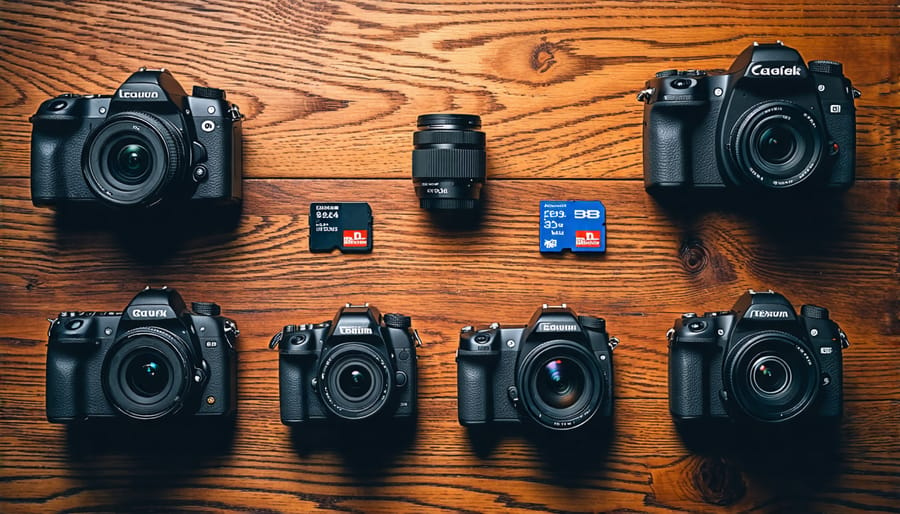
Determine your photography needs, considering factors like portability, ease of use, and desired image quality. Research different camera types – point-and-shoot, mirrorless, or DSLR – to find the best fit for your goals. Prioritize essential features such as sensor size, autofocus system, and low-light performance, while considering your budget. Invest in quality lenses that suit your preferred photography style, as they greatly impact image quality. Don’t forget essential accessories like memory cards, extra batteries, and a sturdy camera bag to protect your gear. Lastly, read reviews, compare specs, and if possible, try out cameras in-store to get a feel for ergonomics and handling before making your final decision. With careful consideration and research, you’ll find the perfect camera to kickstart your photography journey.
Understanding Camera Types
DSLR Cameras
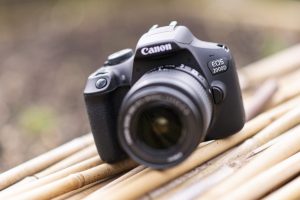
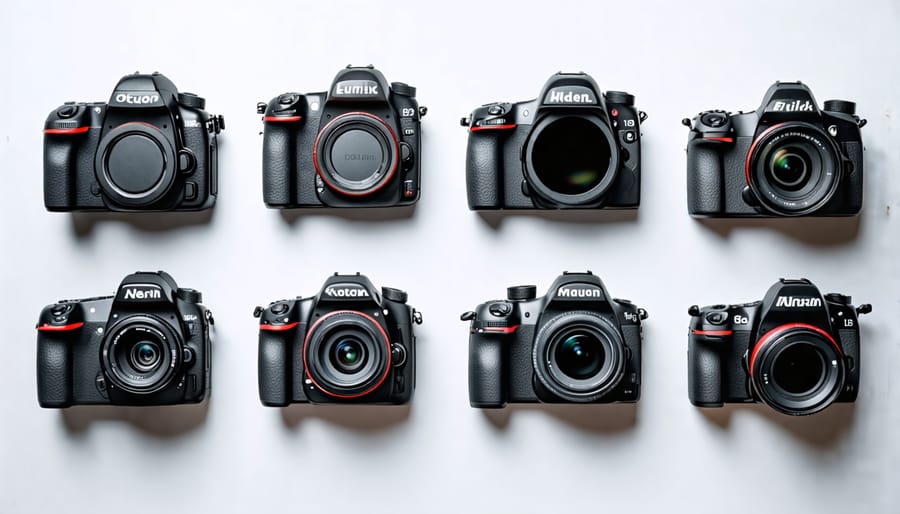
DSLR cameras offer advanced features and interchangeable lenses, making them a popular choice for serious photographers. Pros include excellent image quality, manual controls, and versatility. However, they can be bulky, expensive, and have a steeper learning curve compared to point-and-shoots. For beginners, consider entry-level models like the Canon EOS Rebel T8i or Nikon D3500. These cameras provide a balance of user-friendly features and room for growth as your skills develop. Look for models with guided shooting modes, built-in tutorials, and comfortable ergonomics. While DSLRs require a higher initial investment, they offer the potential for creative exploration and professional-level results as you progress in your photography journey.
Mirrorless Cameras
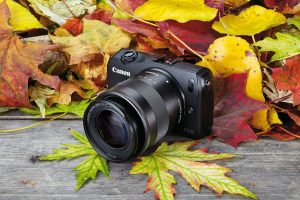
Mirrorless cameras have become the dominant standard in 2026, with virtually every major manufacturer now focusing their development efforts exclusively on mirrorless systems. What was once an emerging technology has evolved into the default choice for photographers at every level. The advantages that made mirrorless appealing a few years ago have only grown stronger: compact bodies that don’t sacrifice power, autofocus systems that run circles around older technologies, and video capabilities that put them in a league of their own. Real-time exposure preview through the electronic viewfinder means you see exactly what you’ll capture before pressing the shutter. Battery life, once a legitimate concern, has improved dramatically across most current models. The lens ecosystem has matured too. Where selection used to lag behind DSLRs, you’ll now find extensive native lens lineups from every major brand, plus countless third-party options. For anyone shopping for their first serious camera, a top mirrorless cameras like the Sony A6400, Canon EOS R50, or Fujifilm X-S20 offers an intuitive learning curve, professional-grade image quality, and a platform that won’t limit you as your skills develop. The question isn’t whether to choose mirrorless anymore. It’s which mirrorless system fits your needs.
Point-and-Shoot Cameras
Point-and-shoot cameras offer a convenient and affordable entry point into photography. They’re compact, easy to use, and require minimal setup, making them perfect for casual shooters who want to capture memories without fussing over settings. However, their fixed lenses and smaller sensors limit creative control and low-light performance compared to more advanced cameras. For beginners, consider models like the Sony RX100 series or Canon PowerShot G7 X, which offer excellent image quality and features in a pocketable form factor. Check out our guide to the best point-and-shoot cameras for more recommendations tailored to your needs and budget.
Key Features to Consider
Sensor Size
The sensor is the heart of your digital camera, capturing light to create an image. Camera sensor size plays a crucial role in determining image quality and low-light performance. Generally, larger sensors offer better image quality because they can capture more light and detail. This means less noise (graininess) in low-light situations and a wider dynamic range, allowing for better detail in both bright and dark areas of the scene.
| Sensor Type | Typical Dimensions | Light Gathering & Depth of Field | Common Camera Types |
|---|---|---|---|
| Full-frame | 36mm × 24mm | Excellent low-light performance; shallow depth of field capability | Professional DSLRs, high-end mirrorless cameras |
| APS-C | ~23mm × 15mm | Good low-light performance; moderate depth of field | Enthusiast DSLRs, mid-range mirrorless cameras |
| Micro Four Thirds | 17.3mm × 13mm | Balanced performance; deeper depth of field | Compact mirrorless systems |
| 1-inch | 13.2mm × 8.8mm | Limited low-light capability; deep depth of field | Premium point and shoot cameras |
While Full Frame sensors provide the best overall image quality, they also come with a higher price tag and larger, heavier lenses. APS-C and Micro Four Thirds sensors strike a balance between image quality, camera size, and cost, making them popular choices for enthusiasts and hobbyists. If you’re working with a tighter budget, many less costly cameras feature APS-C sensors that deliver impressive results without breaking the bank.
Side-by-side comparison of camera sensor sizes, from full-frame to micro four-thirds and compact camera sensors
Consider your needs and budget to determine the right sensor size for you. A larger sensor isn’t always necessary if you’re just starting out or shooting in good light conditions.
Megapixels
Contrary to popular belief, more megapixels don’t always mean better image quality. Megapixels aren’t everything. While higher megapixel counts allow for larger print sizes, the sensor size and lens quality have a more significant impact on overall image quality. For most beginners, a camera with 12-24 megapixels is sufficient for printing images up to 11×14 inches. Instead of fixating on megapixel numbers, focus on other factors like sensor size, low-light performance, and dynamic range. A camera with fewer megapixels but a larger sensor can often outperform one with more megapixels and a smaller sensor, especially in challenging lighting conditions.
Autofocus System
When capturing fast-moving subjects or shooting in low light, a camera’s autofocus system plays a crucial role in ensuring sharp, in-focus images. Look for cameras with advanced autofocus technologies, such as phase detection or hybrid autofocus, which combine speed and accuracy. The number of autofocus points also matters – more points generally mean better coverage and tracking capabilities. Consider cameras with customizable autofocus settings, allowing you to fine-tune the system to your specific needs. Touch-to-focus and eye-detection AF are also valuable features for intuitive focusing control and improved portrait photography. Investing in a camera with a reliable, high-performance autofocus system will greatly enhance your shooting experience and help you achieve consistently sharp results.
Video Capabilities
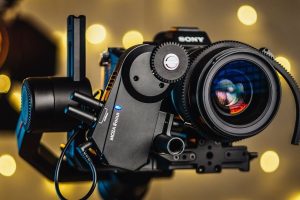
If video recording is a priority, consider cameras with advanced video capabilities. Look for models that offer 4K resolution, high frame rates (e.g., 60fps or 120fps), and slow-motion features for smooth, detailed footage. Pay attention to autofocus performance during video recording, as well as built-in image stabilization to minimize camera shake. Cameras with external microphone inputs and HDMI outputs provide more flexibility for audio and video connectivity. Additionally, consider the camera’s maximum recording time per clip and heat management to ensure uninterrupted recording sessions. Researching these factors will help you find a camera that meets your video recording needs.
User-Friendliness
For beginners, a camera’s user-friendliness is crucial. Look for models with intuitive controls and well-labeled buttons that make navigating settings a breeze. Many entry-level cameras offer built-in guides and automatic modes that help you capture great shots without needing to dive into complex manual adjustments.
Key beginner camera features to prioritize include:
- Guided shooting modes and scene recognition that automatically adjust settings
- In-camera tutorials that explain settings as you go
- Touchscreen interface for intuitive menu navigation
- Clear, logical menu structure without overwhelming options
- Wireless connectivity for easy smartphone transfer and sharing
- Creative filters and effects to experiment with different styles
Articulating LCDs and customizable menus further enhance ease of use, letting you adapt the camera to your shooting style. Some cameras even recognize scenes automatically or offer specialized modes that take the guesswork out of tricky situations like backlit subjects or fast action.
When comparing cameras, consider trying them out in person to get a feel for their ergonomics and menu systems. A camera that feels comfortable and intuitive will encourage you to shoot more often and develop your skills. Don’t be intimidated by advanced features. Many beginner-friendly cameras offer room to grow as you progress in your photography journey.
Budgeting for Your Camera
Entry-Level Options
If you’re just starting out in photography and working with a tight budget, you’ll find that entry-level mirrorless cameras have become increasingly affordable and capable in 2026. A solid budget-friendly camera can be found for under $500, particularly when shopping the used market where slightly older models offer exceptional value. Current options like the Canon EOS R50, Sony A6100, and Nikon Z30 provide excellent image quality and modern autofocus systems that make learning photography more enjoyable. These cameras deliver features that were considered advanced just a few years ago, including fast burst rates, reliable eye-detection AF, and 4K video. Most come with compact kit lenses covering versatile focal ranges, letting you explore portraits, landscapes, and street photography right out of the box. The used market deserves serious consideration: cameras like the Sony A6000, Fujifilm X-T200, or Canon EOS M50 can often be found well below the camera under 500 price point while still producing outstanding results. As your skills develop, you can expand with additional lenses or accessories. Don’t overthink the gear at this stage. The best camera is the one that gets you shooting regularly, and any modern entry-level option will serve you well as you build your foundation.
Mid-Range Picks
For enthusiasts ready to take their photography to the next level, the $500-1000 price range offers a sweet spot of advanced features and performance. Look for cameras with larger sensors, such as APS-C or even full-frame, which deliver superior image quality and low-light performance. Interchangeable lens systems provide flexibility to explore different focal lengths and apertures. Consider models with fast autofocus, high-resolution electronic viewfinders, and 4K video capabilities for versatility in both stills and video. Manual controls and customizable buttons allow for fine-tuning settings to suit your creative vision. Weather-sealing is a plus for shooting in various conditions. Top picks include the Sony a6400, Fujifilm X-T30, and Canon EOS 90D – all delivering excellent image quality, responsive performance, and room to grow as your skills develop. Investing in this range ensures a camera that can keep pace with your ambitions and deliver stunning results.
Trying Before Buying
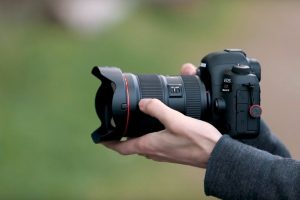
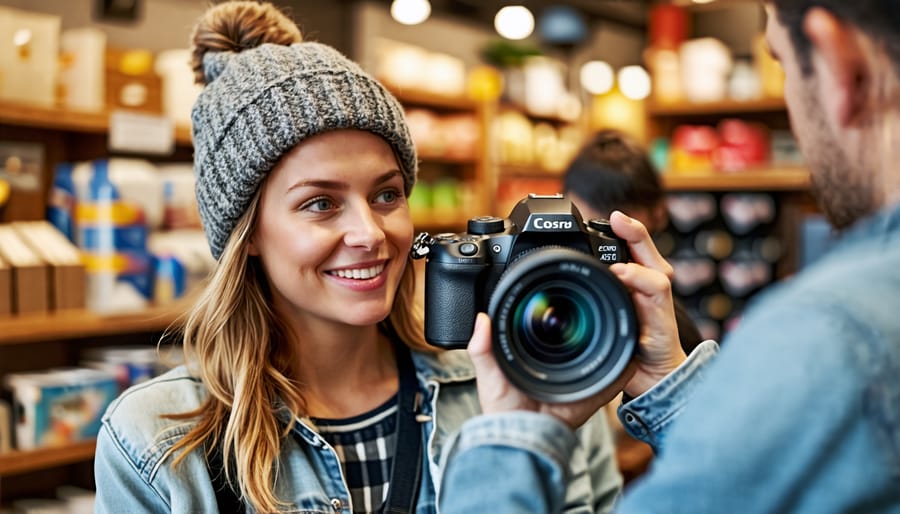
Before committing to a camera purchase, it’s wise to get hands-on experience to ensure it meets your needs and feels comfortable to use. Many local camera stores offer the opportunity to handle and test various camera models, allowing you to get a feel for the ergonomics, button placement, and menu systems. Don’t hesitate to ask the store staff questions about specific features or to compare different models side by side. Another option is to rent the camera you’re interested in for a short period. This allows you to test the camera in real-world situations and assess its performance in the type of photography you plan to pursue. Renting also provides the chance to try out different best lenses to find the optimal setup for your needs. When testing a camera, take note of factors such as autofocus speed and accuracy, low-light performance, and image quality. Also, consider the camera’s weight and size, especially if you plan to travel or carry it for extended periods. By trying before buying, you can make a more informed decision and avoid the frustration of purchasing a camera that doesn’t suit your photography style or preferences.
Conclusion
In conclusion, choosing the right camera as a beginner can be an exciting and rewarding experience. By understanding your photography goals, considering your budget, and prioritizing essential features, you can confidently select a camera that will help you grow as a photographer. Remember to focus on image quality, user-friendliness, and the availability of lenses and accessories that suit your needs. Don’t be afraid to start with an entry-level camera and upgrade as your skills develop. Most importantly, have fun exploring the world of photography and capturing the moments that matter most to you. With the right camera in hand and a passion for learning, you’ll be well on your way to creating stunning images and memories that will last a lifetime. So, embrace your creativity, trust your instincts, and embark on your photography journey with enthusiasm and an open mind.



 By
By