 By
By 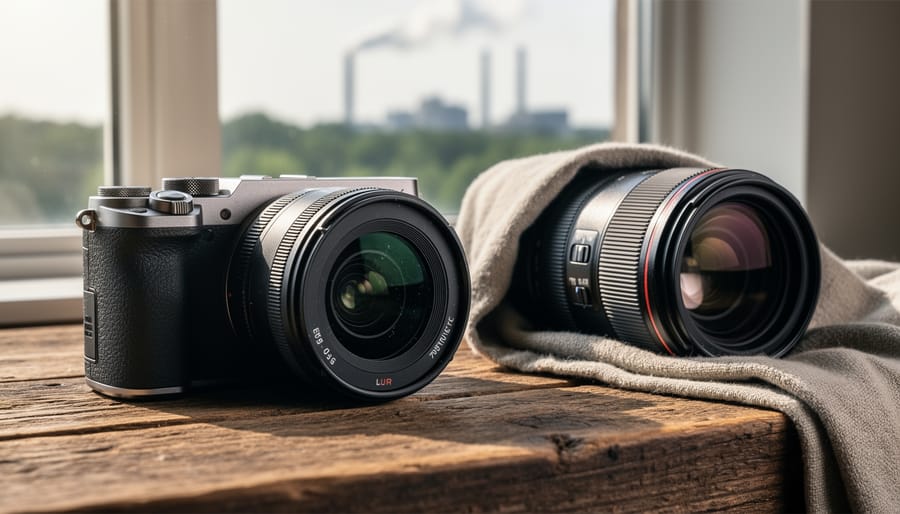
Every lens you purchase carries an environmental footprint—from the rare earth minerals mined for its glass elements to the energy consumed during manufacturing, and eventually, to the e-waste it becomes. The photography industry produces approximately 50 million metric tons of electronic waste annually, and camera gear plays a significant role in that staggering figure. Yet most photographers remain unaware that their equipment choices directly impact everything from mining practices in developing nations to greenhouse gas emissions during production.
Making eco-conscious lenses choices doesn’t mean sacrificing image quality or settling for inferior gear. It means understanding which manufacturers prioritize sustainable materials, which business practices reduce waste, and how your purchasing decisions can drive industry-wide change. A professional wildlife photographer who buys used telephoto lenses eliminates the environmental cost of new manufacturing while often saving thousands of dollars. A portrait shooter who properly maintains their existing glass extends its lifespan by decades, keeping one more item out of landfills.
This guide cuts through marketing greenwashing to reveal practical strategies for reducing your environmental impact without compromising your creative vision. You’ll discover how to identify truly sustainable lens manufacturers, learn maintenance techniques that dramatically extend gear longevity, and understand when buying used makes both environmental and financial sense. Whether you’re building your first lens collection or upgrading professional equipment, these actionable insights will help you shoot responsibly while creating exceptional images.
Why Your Lens Choices Matter More Than You Think
The Manufacturing Reality
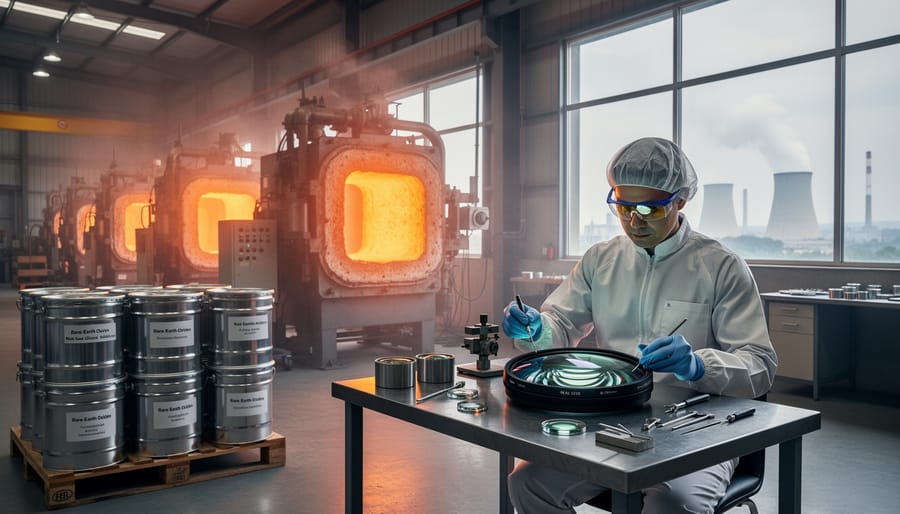
Creating camera lenses demands significant environmental resources that many photographers don’t realize when they’re browsing gear catalogs. The lens manufacturing process begins with mining rare earth elements like lanthanum and cerium, essential for modern optical glass formulations that correct chromatic aberrations and deliver the sharp images we expect.
These materials often come from environmentally sensitive regions where extraction leaves lasting impacts. A single high-quality lens element requires mining several kilograms of raw materials, which must then be refined through energy-intensive processes. The glass grinding and polishing stages consume massive amounts of water and electricity, with precision tolerances measured in microns requiring repeated refinement cycles.
Beyond the glass itself, lens barrels typically use aluminum or magnesium alloys that require their own mining and smelting operations. The plastic components, while lightweight, are petroleum-based. Electronics for autofocus motors and image stabilization add circuit boards with their own environmental footprint from rare metals like gold and copper.
Consider that a professional zoom lens contains 15 to 20 individual glass elements, multiple metal components, and sophisticated electronics. Manufacturing a single lens can generate emissions equivalent to driving a car several hundred miles. When you multiply this across millions of lenses produced annually, the industry’s cumulative environmental impact becomes substantial and worth addressing through mindful purchasing decisions.
The Lifecycle Perspective
Here’s the truth that sustainable photography advocates often overlook: the most eco-conscious lens isn’t necessarily the one made from recycled materials or sold by a green-certified company. It’s the one you’ll still be using a decade from now.
Consider this real-world scenario. A photographer buys an inexpensive lens with modest build quality, uses it for two years before upgrading, then repeats this cycle three more times over eight years. Compare that to someone who invests in a premium lens with metal construction and weather sealing that serves them faithfully for the same period. The second photographer has generated significantly less waste, consumed fewer manufacturing resources, and reduced shipping emissions—even if that single lens had a larger initial environmental footprint.
This lifecycle perspective changes everything about lens selection. Durability becomes an environmental feature, not just a convenience. Weather sealing protects your investment from the elements. Metal lens mounts resist wear from frequent changes. Quality optical coatings maintain performance over time rather than degrading.
When evaluating a lens purchase, ask yourself: will this still meet my needs in five years? Can it be repaired rather than replaced? Does the manufacturer offer long-term support? These questions matter more for environmental impact than any green marketing claim on the box.
Choosing Brands That Actually Care
What to Look For in Manufacturer Claims
Navigating manufacturer environmental claims can feel like decoding a foreign language, but learning to separate genuine efforts from clever marketing is essential for making truly eco-conscious lens choices.
Start by looking for third-party certifications rather than self-proclaimed badges. ISO 14001 certification indicates a company has implemented environmental management systems, while B Corporation status means they’ve met rigorous standards for social and environmental performance. These carry more weight than vague claims about being “eco-friendly” or “green.”
Pay attention to specificity in manufacturer statements. A company saying “we reduced manufacturing emissions by 40% between 2020 and 2024” is far more meaningful than one simply claiming to “care about the planet.” Look for published sustainability reports with measurable data, carbon footprint disclosures, and transparent supply chain information.
Be wary of selective disclosure, where brands highlight one positive aspect while ignoring larger environmental impacts. For example, a manufacturer might emphasize recycled packaging while remaining silent about energy-intensive production processes or planned obsolescence in product design.
Real commitments show up in product longevity. Does the company offer spare parts for repairs five or ten years after purchase? Do they provide firmware updates to extend equipment life? These practical supports matter more than marketing slogans.
Finally, consider the whole picture. A lens manufacturer investing in renewable energy for their facilities, offering trade-in programs, and designing repairable products demonstrates genuine environmental commitment. Compare this against companies making surface-level claims without substantive action, and you’ll quickly develop an eye for authenticity versus greenwashing.
Companies Leading the Way
Several major photography brands are stepping up with meaningful environmental commitments. Canon, for instance, has implemented a comprehensive takeback program in many regions, refurbishing and recycling old lenses and camera bodies. Their factories now use renewable energy sources, and they’ve reduced plastic packaging across their product lines by 30% since 2019.
Nikon has partnered with conservation organizations and achieved carbon neutrality at several manufacturing facilities. They’ve also extended product warranties and improved repair services to encourage longer equipment lifespans rather than frequent upgrades.
Among smaller manufacturers, OM System (formerly Olympus) deserves recognition for designing compact, lightweight gear that requires fewer raw materials and reduces shipping emissions. Their weather-sealed construction means equipment lasts longer in challenging conditions.
Sigma stands out for manufacturing lenses in a single Japanese facility powered partly by solar energy, which gives them better control over their environmental footprint. They’ve also committed to producing repair parts for older lenses, supporting photographers who want to keep vintage glass in service.
For a deeper exploration of brands making genuine environmental commitments, check out our guide to eco-friendly camera gear brands.
The key is looking beyond marketing claims. Genuine eco-conscious companies publish sustainability reports, offer transparent information about their supply chains, and back up their promises with measurable actions like carbon reduction targets and third-party certifications.
The Buy-Less, Choose-Better Philosophy
Building a Minimalist Lens Kit
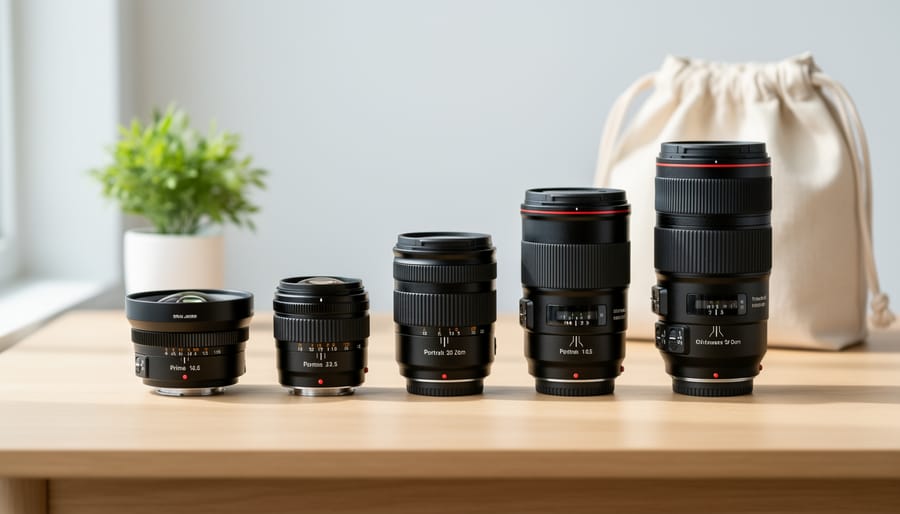
The most eco-conscious approach to lens ownership isn’t about finding green products—it’s about buying fewer lenses in the first place. A thoughtfully curated minimalist kit reduces manufacturing demand, packaging waste, and the constant upgrade cycle that plagues photography gear.
Start with a versatile zoom that covers everyday situations. A 24-70mm f/2.8 or f/4 remains the workhorse choice for most photographers, handling everything from landscapes to portraits without lens swaps. If you shoot crop sensor, the equivalent 16-50mm range works beautifully. This single lens eliminates the need for three or four prime lenses, significantly reducing your environmental footprint.
For your second lens, choose based on your specific needs rather than completing a “standard” kit. Wildlife and sports photographers benefit from a 70-200mm or 100-400mm zoom. Street and documentary photographers might prefer a compact 35mm or 50mm prime. Portrait specialists could opt for an 85mm. The key is honest self-assessment—what do you actually photograph most often?
Before adding a third lens, pause and shoot with your two-lens kit for at least six months. You’ll likely discover you can accomplish more than expected with thoughtful composition and creative problem-solving. Many professional photographers work exclusively with just two lenses, proving that limitations often enhance rather than restrict creativity.
This approach also means you’ll invest in higher-quality lenses that last decades rather than accumulating cheaper options that need replacement. Quality over quantity isn’t just an environmental choice—it’s a practical one that improves your photography while reducing waste.
When Premium Actually Means Sustainable
The photography industry’s “buy cheap, replace often” cycle creates unnecessary waste. Here’s where premium lenses flip the sustainability script: they’re built to last decades, not just a few seasons. A well-constructed lens from manufacturers like Nikon, Canon, or Zeiss features metal lens mounts instead of plastic, weather-sealed construction, and optical elements designed to resist degradation. These aren’t just nice-to-haves—they’re the difference between a lens that serves you for twenty years versus one that needs replacing after three.
What makes premium lenses genuinely eco-friendly is their repairability. When something goes wrong with a professional-grade lens, you can actually get it fixed. Replacement parts exist, and authorized service centers have the documentation and tools to restore your lens to working condition. Compare this to budget options where repairs often cost more than replacement, forcing the entire unit into a landfill. That higher upfront investment transforms into environmental responsibility when you’re still shooting with the same glass a decade later, while disposable alternatives have generated mountains of electronic waste.
The Used Lens Advantage
Where to Buy Used with Confidence
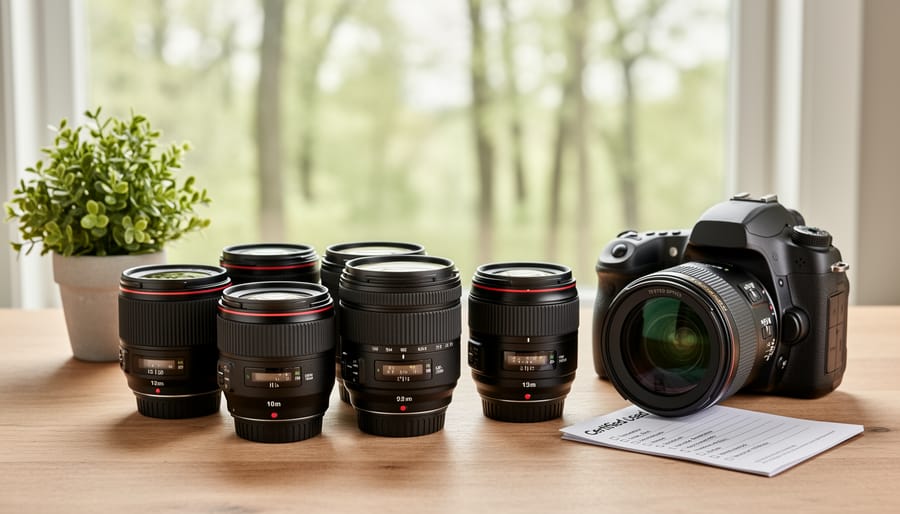
The used lens market offers incredible opportunities to score professional-grade glass at a fraction of the retail price. KEH Camera remains the gold standard for pre-owned gear, with rigorous grading systems and generous return policies. MPB is another trusted option with locations in both the US and Europe, while Fred Miranda’s forums connect you directly with other photographers. For bargain hunters, eBay and local marketplaces like Facebook Marketplace can yield gems, though they require more vigilance.
Before clicking “buy,” inspect photos carefully for scratches on lens elements, fungus growth (appears as web-like patterns), and separation in cemented elements. Ask sellers about the aperture mechanism—blades should move smoothly without sticking. Request images of the lens mounted on a camera with autofocus engaged to verify functionality.
When evaluating condition, understand that cosmetic wear on the barrel is normal and doesn’t affect image quality. However, optical issues matter immensely. Minor dust inside is acceptable and rarely impacts photos, but avoid lenses with haze, significant scratches on front or rear elements, or oil on aperture blades. Always check the serial number against manufacturer databases to confirm authenticity and ensure it hasn’t been reported stolen.
Most reputable sellers offer return windows—use them. Shoot test images at various apertures, check corners for sharpness, and photograph bright lights to reveal any internal issues. A thorough twenty-minute inspection can save you from buyer’s remorse and ensure your eco-conscious purchase delivers years of reliable service.
The Myth of ‘Outdated’ Optics
There’s a persistent misconception in photography circles that older lenses can’t compete with modern optics. In reality, many vintage lenses deliver image quality that rivals or even surpasses contemporary glass. Classic manual focus lenses from manufacturers like Carl Zeiss, Leica, and Canon FD series were built to exacting standards that have stood the test of time.
Consider the legendary Olympus Zuiko 50mm f/1.8, a lens from the 1970s that still produces beautifully sharp images with gorgeous color rendering. Similarly, the Pentax SMC Takumar series offers optical performance that holds up remarkably well against modern equivalents. These lenses were manufactured during an era when build quality meant metal construction and precision-ground glass elements designed to last decades.
The main differences between vintage and modern lenses often come down to features rather than fundamental optical quality. Older lenses lack autofocus and electronic communication with camera bodies, but for photographers willing to embrace manual focus, these “limitations” can actually enhance the shooting experience and encourage more intentional composition.
What vintage lenses sometimes lack in coatings to reduce flare, they often compensate for with character, producing distinctive bokeh and micro-contrast that many photographers actively seek out. By choosing pre-owned vintage glass, you’re accessing professional-grade optics while keeping perfectly functional equipment out of landfills.
Proper Care Extends Environmental Impact
Simple Maintenance That Adds Years
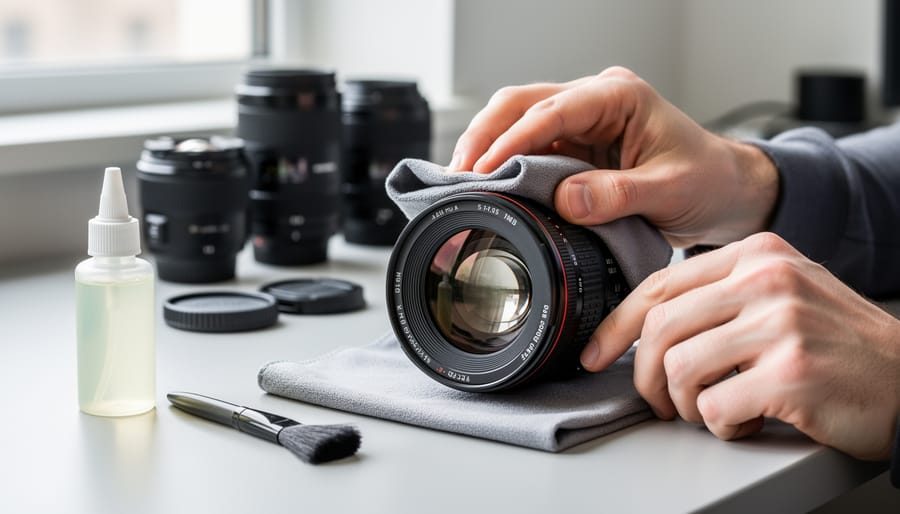
Protecting your lenses doesn’t require expensive products or complicated routines. Start with the basics: use a rocket blower to remove dust before each shoot. This simple tool prevents scratches by eliminating particles that could drag across the glass during cleaning. When smudges appear, apply a small amount of lens cleaning solution to a microfiber cloth, never directly to the lens, then wipe gently in circular motions from center outward.
Storage matters more than most photographers realize. Keep lenses in a dry cabinet or sealed container with silica gel packets to prevent fungus growth, which thrives in humid environments above 60% relative humidity. Store them with caps on both ends, and if you live in coastal or tropical areas, consider investing in a simple electronic dry box.
Handle your gear with intention. Always support the lens barrel when attaching or removing it from your camera body. This prevents stress on the mount, which is often plastic even on expensive lenses. When shooting outdoors, use a UV filter as a protective barrier against scratches, dust, and moisture. These practices form the foundation of extending gear longevity, reducing waste while saving money.
When to Repair vs. Replace
Before defaulting to a new purchase, consider repair costs and environmental impact. Minor issues like loose focus rings, scratched filters, or worn rubber grips often cost 20-40% of replacement value to fix, making repair the eco-friendly choice. However, damaged glass elements, broken autofocus motors, or extensive fungus typically require repairs exceeding 60% of used market value, where replacement makes more sense both economically and practically.
Factor in the lens’s age and availability of parts. Professional-grade lenses from major manufacturers often have longer repair support, sometimes 10-15 years after discontinuation. Third-party lenses may have limited parts availability. If your lens is repairable and you’re satisfied with its performance, fixing extends its useful life and keeps functional gear out of landfills. When replacement is necessary, sell or donate your damaged lens to hobbyists who repair equipment or use it for parts, ensuring materials get maximum use before recycling becomes the final option.
Responsible Disposal and Recycling
Even with the best care, every lens eventually reaches the end of its useful life. When that time comes, responsible disposal becomes the final act of eco-conscious ownership.
Before declaring a lens truly obsolete, consider whether it might serve someone else’s needs. Older manual focus lenses often find new life with film photography enthusiasts or students just starting their journey. Local photography clubs, community colleges, and high school programs frequently welcome donations of functional equipment. You’re not just keeping gear out of landfills—you’re potentially inspiring the next generation of photographers.
For lenses beyond repair or use, manufacturer take-back programs offer the most responsible option. Canon, Nikon, and Sony all operate recycling initiatives in various regions, ensuring components are properly disassembled and materials recovered. Check your manufacturer’s website for specific programs available in your area, as offerings vary by country.
If manufacturer programs aren’t accessible, certified electronics recyclers are your next best choice. These facilities have the expertise to safely handle optical glass, electronic components, and metal housings. Look for e-waste recyclers certified by organizations like e-Stewards or R2 (Responsible Recycling), which guarantee proper handling of hazardous materials and prevent equipment from ending up in developing nations as toxic waste.
Never simply toss lenses in regular trash or recycling bins. They contain materials requiring specialized processing, and mixed recycling facilities can’t properly handle them. Some retailers, including Best Buy in the United States, accept camera equipment for recycling regardless of where you purchased it, making responsible disposal more convenient than ever.
Small Choices, Real Impact
Your environmental impact goes far beyond which lens you choose—it extends to how and where you purchase it. These seemingly small decisions accumulate into meaningful change when multiplied across the photography community.
Packaging matters more than you might think. When comparing similar lenses, consider brands that use recycled materials, minimal plastic inserts, and compact boxes that reduce shipping waste. Some manufacturers have shifted to biodegradable foam alternatives and eliminated single-use plastics from their packaging entirely. While this information isn’t always front-and-center in product listings, a quick email to customer service can reveal which companies prioritize sustainable packaging.
Buying locally whenever possible dramatically reduces your carbon footprint. That lens shipped across the country—or internationally—creates significantly more emissions than one picked up from a nearby camera shop. Local purchases also support your community’s economy and give you hands-on experience before committing. Yes, online deals might save you fifty dollars, but factoring in environmental cost changes the calculation.
Rental programs deserve serious consideration, especially for specialty lenses you’ll use occasionally. Why own a 600mm super-telephoto that sits unused eleven months yearly when you could rent it for that wildlife trip? Companies like BorrowLenses and LensRentals have reduced countless redundant purchases. Similarly, lens-sharing cooperatives are emerging in photography communities, allowing members to pool resources sustainably.
These choices align perfectly with broader eco-friendly photography practices that collectively transform our environmental impact. Every purchase becomes an opportunity to vote with your wallet for the future you want to see.
Making eco-conscious lens choices isn’t about limiting your creative vision—it’s about expanding your perspective to include the environmental footprint of your gear alongside aperture, sharpness, and build quality. The good news? You don’t have to sacrifice image quality or creative capability to make more sustainable decisions.
Start with what you already own. Properly maintaining your current lenses extends their lifespan significantly, reducing the need for replacements and keeping gear out of landfills. When you do need to purchase, consider the used market first—buying pre-owned equipment prevents manufacturing demand while often saving you money. If you’re set on new gear, research brands committed to sustainable manufacturing practices and transparent supply chains.
Think critically about your actual needs versus wants. That specialized lens might seem appealing, but will you use it enough to justify its environmental cost? Renting for occasional projects is both economical and eco-friendly. When selling or upgrading, keep your old gear in circulation through reputable resale platforms rather than discarding it.
Remember, every purchasing decision is a vote for the kind of industry you want to support. By making thoughtful choices today—whether that’s investing in timeless glass, supporting responsible manufacturers, or simply taking better care of what you have—you’re helping shape a more sustainable future for photography without compromising the craft you love.



 By
By