 By
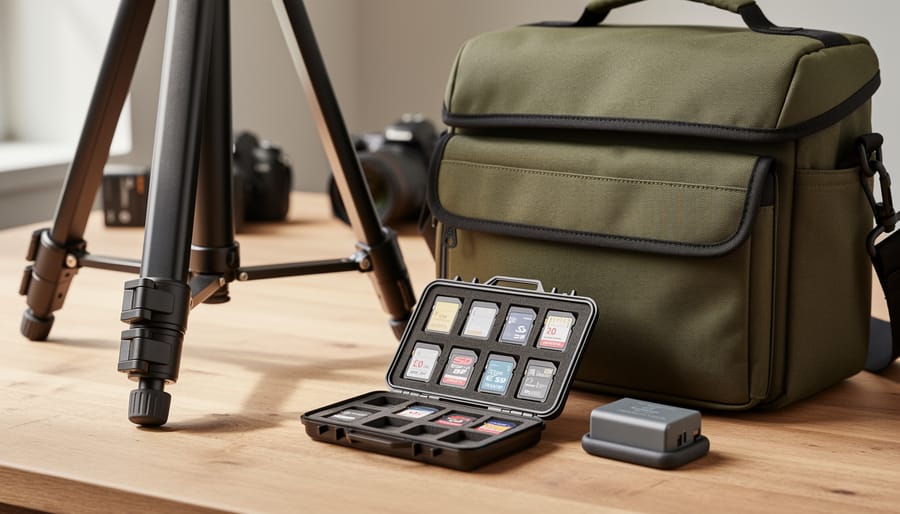
You need accessories that expand what your camera can do and protect your investment, and the smartest approach in 2026 means buying fewer, better items that will serve you for years rather than accumulating a drawer full of cheap gear destined for a landfill. The difference between a frustrating shoot and a successful one often comes down to having the right support, storage, lighting, or protection at hand. But the photography accessory market has become oversaturated with disposable products that break after minimal use, creating both financial waste for photographers and environmental harm through constant replacement cycles.
In the interest of transparency, we earn a commission on some purchases made through links on this site. As an Amazon Associate I earn from qualifying purchases.
The answer is prioritizing quality accessories from manufacturers committed to durability and repairability. This means choosing a sturdy tripod that will outlast three cheap ones, investing in a well-designed camera bag that won’t fall apart in two seasons, or selecting memory cards and batteries built to withstand years of professional use. Products like the SmallRig 71″/180cm Aluminum Camera Tripod & Monopod and TARION Protective Camera Backpack exemplify this philosophy by offering versatile functionality and robust construction that eliminates the need for multiple inferior alternatives.
This buying guide will walk you through the essential accessory categories every photographer should consider, compare different types within each category, recommend eight specific products that balance performance with longevity, and highlight common purchasing mistakes that lead to wasted money and unnecessary environmental impact. Whether you’re just starting to build your kit or replacing worn-out gear, the principles here will help you make choices that serve both your creative vision and a more sustainable approach to photography.
What Makes Camera Accessories Sustainable?
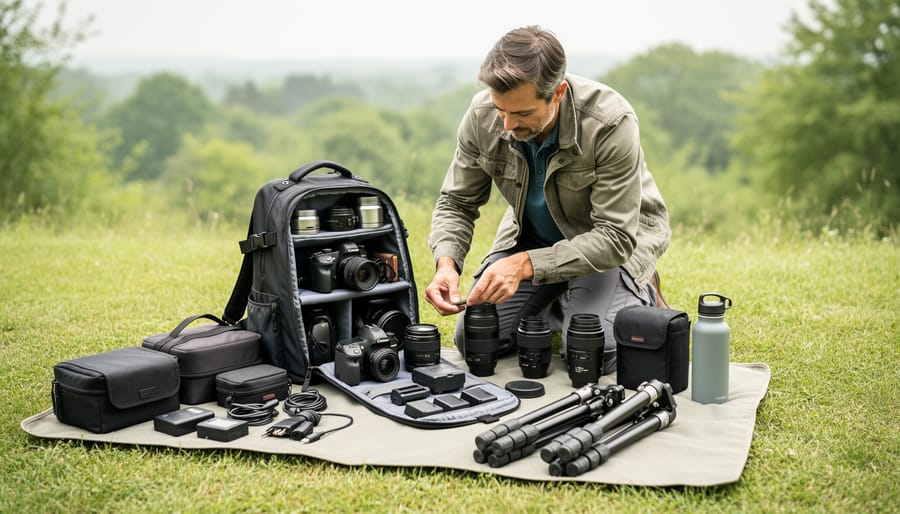
Sustainability in camera accessories isn’t about greenwashing labels or vague eco-claims. It’s about choosing gear built to last, designed for repair, and versatile enough to earn its place in your kit for years. When you understand what makes an accessory sustainable, you can make smarter purchases that reduce the hidden environmental cost of photography while building a more reliable setup.
The most sustainable accessory is the one you never have to replace. Research shows that extending product lifespans delivers greater environmental benefits than recycling or choosing supposedly greener materials. A well-built aluminum tripod that serves you for a decade beats five cheap plastic alternatives that crack, strip threads, or develop wobbles within months.
When evaluating accessories through a sustainability lens, focus on these practical factors:
- Metal construction and reinforced stress points instead of all-plastic bodies
- User-replaceable parts like battery covers, straps, and mounting plates
- Compatibility across multiple camera systems to avoid obsolescence when upgrading
- Multi-purpose designs that eliminate the need for separate single-use items
- Manufacturer warranty length as a signal of expected durability
Repairability matters more than most photographers realize. An accessory with screws beats one with glued assemblies. Brands that sell replacement parts and publish repair guides extend the useful life of their products far beyond throw-away alternatives. When a $100 camera bag lasts eight years because you can replace a broken buckle, it outperforms three $40 bags that fall apart and end up in landfills.
Multi-purpose design reduces both clutter and consumption. A tripod that converts to a monopod replaces two items. A camera strap with quick-release clips works across bodies and eliminates dedicated straps for each camera. This versatility doesn’t just save money; it means fewer resources extracted, processed, and eventually discarded.
The longevity principle is straightforward: buy once, buy right. Calculate cost per year of use rather than fixating on initial price. An accessory that costs twice as much but lasts five times longer is the sustainable choice, even before considering the environmental impact of repeated manufacturing and disposal.
Types of Essential Camera Accessories Compared

Every photographer’s kit extends beyond the camera body and lenses. The accessories you choose, from memory cards to tripods, shape both your shooting capabilities and your environmental footprint. Understanding the major accessory categories helps you build a kit that serves you for years rather than accumulating items you’ll soon discard.
Storage and memory solutions form the foundation of digital photography. High-quality memory cards from established manufacturers offer reliable performance and multi-year lifespans, often outlasting the cameras they serve. The sustainability advantage here is straightforward: a premium SD card that lasts five to ten years prevents multiple replacements of cheaper alternatives that fail within months. Similarly, card readers and transfer devices built with quality components maintain their functionality across camera upgrades, making them true long-term investments.
Camera support systems, tripods and monopods, separate themselves from other accessories through sheer durability potential. Aluminum and carbon fiber tripods routinely serve photographers for decades when properly maintained. The weight you carry today becomes tomorrow’s heirloom, particularly with models featuring replaceable feet and serviceable ball heads. A convertible tripod that functions as both tripod and monopod eliminates the need for separate purchases, reducing both gear volume and manufacturing impact.
Camera bags and transport solutions protect your investment while enduring constant use. A well-constructed backpack or shoulder bag withstands years of weather exposure, equipment changes, and daily wear. The difference between a $40 generic bag that tears within a year and a $150 purpose-built option that serves you for a decade illustrates the sustainability principle clearly. Quality bags feature reinforced stitching, weather-resistant materials, and modular divider systems that adapt as your kit evolves.
| Accessory Type | Primary Use Case | Sustainability Advantage | Typical Quality Lifespan |
|---|---|---|---|
| Memory Cards | Image storage and transfer | Reliable cards prevent data loss and repeated replacements | 5-10 years |
| Tripods/Monopods | Camera stabilization | Metal construction lasts decades with minimal maintenance | 15-20+ years |
| Camera Bags | Equipment protection and transport | Durable materials and construction adapt to changing gear | 8-15 years |
| Lighting Equipment | Additional light sources | Professional-grade flashes offer long-term reliability and repairability | 7-12 years |
| Maintenance Tools | Cleaning and upkeep | Extends lifespan of cameras and lenses, preventing premature replacement | 3-5 years |
Lighting equipment ranges from simple on-camera flashes to sophisticated wireless systems. Professional-grade speedlites justify their higher cost through consistent performance, serviceable components, and compatibility across camera generations. A quality flash that works with multiple camera bodies through your career creates less waste than budget options locked to specific models or prone to early failure.
Maintenance tools represent perhaps the most directly sustainable accessory category. A comprehensive cleaning kit, microfiber cloths, sensor swabs, lens cleaning solution, air blowers, prevents the gradual degradation that sends cameras and lenses to early retirement. Regular cleaning maintains optical quality and mechanical function, protecting the substantial resources invested in your primary equipment. These tools rarely wear out, making them genuinely buy-once items.
Mounting and strap systems receive less attention but matter significantly for gear longevity. Quality neck straps, wrist straps, and mounting plates reduce drop accidents that damage cameras. A $100 strap system that prevents one camera fall pays for itself immediately while lasting through multiple camera generations. The sustainability calculation extends beyond the product itself to the equipment it protects.
Key Buying Factors for Sustainable Camera Accessories

Build Quality Over Initial Price
A cheap plastic tripod might cost $30, but if it fails after six months, you’ll spend more replacing it repeatedly than you would have on a quality aluminum model from the start. The same principle applies across camera accessories: upfront investment in durable construction pays for itself through years of reliable use.
Consider camera bags. A budget nylon pack at $40 might seem economical until the zippers fail, straps tear, or padding compresses within a year. A well-constructed bag with reinforced stitching, quality hardware, and proper padding costs $100-150 but lasts five to ten years. Over that timeframe, you’ll replace the cheap bag multiple times, creating more waste and spending more money.
Material quality matters. Aluminum tripods withstand years of field use and maintain stability, while plastic legs crack under stress and vibration creeps into your shots. Metal buckles, YKK zippers, and reinforced stress points aren’t luxury features; they’re the difference between a bag that accompanies your entire photography journey and one that ends up in a landfill.
The math is straightforward: a $150 accessory used for seven years costs $21 annually. Three $50 replacements over the same period total $150 but generate three times the waste. This calculation aligns with core sustainable practices while protecting your budget. When evaluating accessories, ask whether the construction suggests years of use or months before failure.
Compatibility and Expandability
Smart accessory purchasing means thinking beyond your current camera. Universal mounting standards like Arca-Swiss quick-release plates work across tripod heads from different manufacturers, eliminating the need to replace support systems when switching brands. Memory cards function identically whether you’re shooting Canon, Nikon, or Sony, making them truly future-proof investments.
Camera straps with universal attachment systems adapt to any camera body without modification. Cleaning kits work on all optical equipment regardless of brand. External flashes with multi-brand compatibility, through hot shoe adapters or wireless triggers, continue serving you through camera upgrades. This cross-platform approach extends to bags designed with adjustable dividers that accommodate different body sizes and lens configurations.
The compatibility principle also applies to choosing eco-conscious lenses and accessories from manufacturers with established track records. Companies that have supported products for decades signal their accessories will remain relevant. Investing in gear that transcends brand loyalty reduces the accumulation of obsolete items when your system evolves, whether that’s adding a second body or transitioning to mirrorless. Build your kit around accessories that expand with you rather than trap you in a single ecosystem.
SANDISK 128GB Extreme PRO SD Memory Card

The SanDisk 128GB Extreme PRO SD Memory Card represents the kind of investment every photographer should prioritize. Unlike cheap memory cards that fail after a few months, this high-capacity, high-speed card is built to last years of heavy use. That reliability translates directly into sustainability, you’re not throwing away failed cards and buying replacements, and you’re protecting the irreplaceable photos you’ve invested time and creative energy capturing.
With read speeds up to 200MB/s and UHS-I classification, this card handles burst shooting and 4K video without bottlenecking your workflow. Fast write speeds mean less time waiting for your buffer to clear, which matters when you’re shooting action or wildlife. The 128GB capacity gives you substantial room for a day’s shooting without constantly swapping cards, reducing wear on your camera’s card slot and minimizing the number of cards you need to carry.
SanDisk designed this card to withstand temperature extremes, water exposure, and physical shock, the kind of real-world conditions photographers encounter alongside gear like camera sun hoods when shooting outdoors. That durability matters because memory cards are one of the most failure-prone accessories in your kit when you buy budget options. The 4.7 out of 5 rating from 90,877 customer ratings confirms what professional photographers already know: investing in proven storage protects both your work and your wallet long-term.
Treat quality memory cards as insurance for your photography. The upfront cost is higher than bargain alternatives, but you’re buying years of reliable service and peace of mind that your images are safe.
SmallRig 71″/180cm Aluminum Camera Tripod & Monopod

The SmallRig 71″/180cm Aluminum Camera Tripod & Monopod (model CT-10) represents exactly the kind of versatile, long-lasting support tool that belongs in a sustainable gear kit. This dual-purpose design eliminates the need to purchase separate tripod and monopod systems, reducing both your equipment footprint and the resources required to manufacture and transport multiple items.
Aluminum construction delivers significant sustainability advantages over plastic alternatives. The material offers exceptional strength-to-weight balance, meaning this tripod can support your camera reliably for years without bending, cracking, or degrading. When it eventually reaches end-of-life, aluminum is infinitely recyclable without losing quality, unlike composite materials that typically end up in landfills. The metal construction also resists the environmental brittleness that plagues cheaper plastic tripods exposed to temperature swings and UV light.
The convertible tripod-to-monopod functionality proves valuable across shooting scenarios. Use the full tripod configuration for landscape work requiring maximum stability, then quickly convert to monopod mode for wildlife photography where mobility matters more than rock-solid support. This adaptability means you’re more likely to have the right support tool available, reducing situations where you skip proper camera stabilization entirely and risk blurred shots requiring reshoots.
With 4.1 out of 5 from 1,592 customer ratings, this SmallRig model demonstrates the real-world reliability photographers expect from aluminum support systems. The included ball head provides smooth, precise camera positioning across both configurations. The extended 71-inch height accommodates most shooting positions without compromising your composition angles.
Stable support fundamentally changes what you can capture, from long exposures revealing motion blur in waterways to sharp telephoto shots where even slight camera shake destroys image quality. Modern camera suspension setups offer additional creative options, but a reliable tripod remains the foundation every photographer needs for technically demanding work. Investing in quality support equipment once beats repeatedly replacing flimsy alternatives that fail when you need them most.
TARION Protective Camera Backpack

A camera bag isn’t just a carrying case, it’s the first line of defense for thousands of dollars of equipment. The TARION Protective Camera Backpack delivers on this critical role with thoughtful design choices that prioritize both gear protection and long-term durability.
This backpack accommodates a DSLR or mirrorless camera body with attached lens, plus four to five additional lenses or accessories in customizable padded dividers. The dedicated 15.6-inch laptop compartment keeps your editing workstation close, while the side access panel lets you grab your camera without setting the bag down or rummaging through the top. That quick-access feature matters when moments disappear before you can unpack.
Build quality separates bags that last a decade from those that fail within a year. Look for reinforced stitching at stress points, water-resistant exterior fabric, and thick padding that doesn’t compress permanently after heavy use. The TARION uses padded dividers you can reconfigure as your kit evolves, a crucial feature when you upgrade bodies or add lenses. Fixed compartments force you into layouts that rarely match real-world needs.
With a 4.6 out of 5 rating from 1,276 customer reviews, this backpack demonstrates the reliability users expect from protective gear. Weight distribution through padded shoulder straps and a chest strap matters for all-day shoots; inadequate support turns a four-hour wedding into an endurance test.
Quality bags withstand years of field use, travel handling, and weather exposure without zipper failures, torn straps, or collapsed padding. That multi-year lifespan eliminates the waste cycle of replacing cheap bags every season. Proper organization also prevents the internal gear-on-gear contact that scratches lenses and damages filters, reducing the need for premature replacements.
K&F CONCEPT 15-in-1 Camera Lens Cleaning Kit

Keeping your camera and lenses clean isn’t just about aesthetics, it directly determines how long your gear performs at its best. Dust, smudges, and moisture degrade image quality and can damage delicate lens coatings or sensor components over time. A comprehensive cleaning kit like the K&F CONCEPT 15-in-1 addresses these maintenance needs while supporting sustainable photography practices by extending equipment lifespan rather than requiring premature replacements.
This kit bundles the essential tools serious photographers need: microfiber cleaning cloths, lens cleaning solution, air blower, cleaning swabs, lens cleaning pen, and sensor cleaning tools. The 15-piece configuration means you’re equipped to handle everything from quick lens wipes between shots to thorough sensor cleaning sessions. With 4.7 out of 5 stars from 912 customer ratings and current in-stock availability, it has earned trust among photographers who understand that regular maintenance prevents expensive problems.
What makes a cleaning kit genuinely valuable is having the right tool for each task without resorting to improvised solutions that cause damage. The air blower removes loose particles before wiping, preventing scratches. Microfiber cloths lift oils without leaving residue. Specialized sensor swabs handle the most delicate cleaning jobs safely. This comprehensive approach means you’ll actually maintain your gear consistently rather than avoiding it because you lack proper tools.
Regular cleaning extends lens and camera life by preventing buildup that causes mechanical wear and optical degradation. Removing dust from moving parts reduces friction. Cleaning contacts maintains reliable electronic communication between camera and lens. These simple practices can add years to equipment lifespan, making proper maintenance one of the most sustainable habits any photographer can adopt. The modest investment in quality cleaning tools pays for itself many times over by protecting gear worth thousands.
ULANZI Mini Camera Flash SL01 Speedlite Digital Speedlight

The ULANZI Mini Camera Flash SL01 represents a smart entry point into portable lighting without the bulk and complexity of traditional speedlites. This compact flash mounts directly to your camera’s hot shoe and delivers enough power to fill shadows, freeze action indoors, or add catchlights in portraits, all situations where natural light falls short but you don’t want to haul a full lighting kit.
What makes the SL01 particularly appealing from a sustainability perspective is its ability to expand your shooting envelope. Instead of being limited to bright outdoor conditions or accepting poor results in challenging light, you gain the flexibility to shoot effectively in more environments with the gear you already own. That versatility means fewer missed opportunities and less temptation to rent or buy additional bodies or faster lenses just to cope with low light. The flash currently holds a 4 out of 5 rating from 362 customer reviews and remains in stock.
The unit’s compact size and hot shoe design make it genuinely portable, you’ll actually carry it rather than leaving it at home because it’s too cumbersome. This consistent availability means you’ll use it regularly, justifying the purchase through actual utility rather than occasional deployment. Build quality matters here; a flash that survives years of being tossed in bags and mounted repeatedly delivers far better value than cheaper units that crack or fail after light use.
Power efficiency is another practical consideration. The SL01 runs on standard batteries, so check how many shots you get per charge and whether the power drain fits your shooting patterns. A flash that burns through batteries in an hour creates ongoing waste and cost, while efficient power management extends both battery life and the flash’s overall usefulness in the field.
ULANZI SL02 Mini Speedlite

The ULANZI SL02 Mini Speedlite represents practical versatility in a compact package. This diminutive flash pulls double duty as both a photo speedlite and a continuous video fill light, letting you handle both stills and motion without carrying separate lighting tools. That dual-purpose design isn’t just convenient, it directly addresses gear accumulation by replacing two devices with one well-built unit.
At just a fraction of the size of traditional speedlites, the SL02 fits into tight spaces in your camera bag without dominating precious real estate. Despite the compact footprint, it delivers sufficient output for close-range fill flash work, event photography in low light, and video interviews where you need continuous illumination. The continuous-light mode makes it genuinely useful for hybrid shooters who move between photo and video work throughout a shoot.
Build quality matters in compact flashes because they endure frequent handling and transport. The SL02’s construction feels solid enough for regular use, and the simple control interface means fewer fragile electronic components to fail over time. Hot shoe mounting is straightforward and secure, reducing the risk of drops during lens changes or camera adjustments.
This flash makes sense when you shoot both stills and video but don’t need the power or advanced features of larger wireless systems. It shines for travel photographers working light, content creators who alternate between photo and video throughout the day, and anyone building a minimal kit where every item must justify its weight and space. The 4 out of 5 rating from 362 customer ratings suggests reliable performance in real-world use.
The sustainability win here is consolidation. One tool covering two roles means fewer purchases, less packaging waste, and a lighter travel load that reduces your environmental footprint on location.
GODOX TT685II-C E-TTL Flash

The GODOX TT685II-C represents a significant step up in flash capability for Canon shooters ready to move beyond built-in or basic on-camera lighting. This wireless E-TTL speedlight delivers professional-grade features while maintaining the kind of build quality that sustains years of regular use, a crucial consideration when you’re investing in lighting tools that will shape your creative work for the long haul.
What sets this flash apart is its wireless functionality. The built-in 2.4G radio system allows off-camera triggering without additional transmitters for basic setups, opening up creative lighting possibilities that on-camera flash simply can’t achieve. You can position this flash on stands, mount it in softboxes, or hand-hold it for side lighting, all while retaining full TTL metering and high-speed sync capabilities. That versatility means you’re not locked into flat, direct lighting; you can shape light to match your vision.
The TT685II-C’s compatibility with Canon’s E-TTL system ensures seamless integration with your camera body. Auto exposure calculation works reliably across varying scenes, and manual control is there when you want precise power adjustments. The large LCD panel makes settings visible at a glance, and the recycle time keeps pace with most shooting situations. With 4.5 out of 5 stars from 315 customer ratings, users consistently report dependable performance across wedding work, portraits, and event photography.
For serious photographers building a lighting kit, this flash occupies the sweet spot between affordability and professional capability. Unlike cheaper speedlights that fail after a season of heavy use or expensive units with features most shooters never need, the TT685II-C delivers essential functionality wrapped in reliable construction. You’re investing in a tool that will handle thousands of pops, survive the bumps of location work, and remain compatible as you upgrade camera bodies within the Canon system. That longevity matters, both for your budget and for reducing the cycle of disposable gear that plagues modern photography.
Godox V1 Pro C V1Pro C Camera Flash

The Godox V1 Pro C represents a serious step up in flash capability, built for photographers who’ve outgrown basic speedlites and need professional-grade lighting that won’t quit. This round-head flash combines power, speed, and modern connectivity in a package designed to last through thousands of shoots.
What sets the V1 Pro C apart is its embrace of USB-C charging, a feature that matters more than you might think for building earth-friendly gear collections. Instead of adding another proprietary charger to your kit drawer, you use the same USB-C cable that charges your phone, laptop, and other modern devices. This universal compatibility reduces electronic waste and simplifies your travel setup. When that cable eventually wears out, replacements are everywhere.
The 1.3-second recycle time after full-power bursts keeps pace with fast-moving subjects, and the 500 full-power flashes per charge mean you’re not scrambling for batteries mid-event. The 2.4G wireless TTL system lets you control multiple flashes from your camera, building a versatile lighting setup that grows with your skills rather than forcing gear replacement when you expand into multi-light setups.
The round head design creates softer, more natural-looking light straight out of the box compared to rectangular flash heads. At 4.6 out of 5 stars from 186 customer ratings, real-world users confirm the reliability. The included SU-1 external flash unit extends your lighting options further.
This flash makes sense when you’re shooting professionally or seriously pursuing photography as more than a casual hobby, weddings, events, portraits, or any work where consistent, controlled lighting determines whether you get paid. The upfront cost buys you a tool built to professional standards with the power reserves, thermal management, and wireless capability to handle demanding shooting conditions year after year. If your current flash leaves you waiting between shots or lacks the power to bounce effectively in large spaces, the V1 Pro C solves those problems while fitting into a sustainable gear philosophy through universal charging and proven durability.
Our Recommendations: Building Your Sustainable Accessory Kit
Building a sustainable accessory kit means making smart choices that align with both your current needs and your long-term photography goals. Rather than accumulating a drawer full of cheap gear that breaks or becomes obsolete, invest strategically in quality items that will serve you for years across multiple camera bodies and shooting scenarios.
For beginners just starting out, focus on the fundamentals that protect your investment and expand your capabilities immediately. You don’t need everything at once, start with what genuinely improves your photography:
- SanDisk 128GB Extreme PRO SD card for reliable storage that won’t fail at critical moments
- TARION camera backpack to protect your gear and make it portable for learning in different environments
- K&F Concept cleaning kit to establish good maintenance habits from day one
- SmallRig tripod/monopod for versatile support without buying two separate items
This starter configuration costs around $300-400 but gives you a complete foundation that won’t need replacing as your skills develop. The dual-purpose tripod/monopod particularly exemplifies the buy-once philosophy, one well-made aluminum piece instead of multiple cheaper alternatives.
Intermediate photographers ready to expand their creative toolkit should add lighting capabilities and more specialized support. The ULANZI SL02 mini speedlite offers both photo flash and video fill light functionality in one compact unit, while the Godox TT685II provides professional wireless capabilities for more complex setups. At this stage, consider accessories from eco-friendly gear brands that prioritize durability alongside performance.
Professional photographers should prioritize tools that expand their creative range and withstand heavy use. The Godox V1 Pro represents this tier well, its USB-C charging eliminates proprietary charger waste, the professional build quality handles daily professional demands, and the round head design delivers superior light quality for client work. Pair this with Peak Design straps and mounting solutions that offer lifetime warranties and work seamlessly across different camera bodies.
Regardless of your level, always choose compatibility over trendiness. Buy accessories that will function with your next camera body, not just your current one. This forward-thinking approach reduces waste and builds a cohesive kit that grows with you rather than becoming obsolete with each equipment change.
Common Mistakes to Avoid When Buying Camera Accessories
The biggest purchasing mistakes often stem from prioritizing low prices over long-term value. Many photographers buy budget tripods for $30 that wobble after a few months, then replace them twice before finally investing in a quality aluminum model. This cycle costs more money and creates unnecessary waste.
Accumulating redundant items is another common trap. You don’t need three different camera straps or four variations of lens caps. Before buying, honestly assess whether a new accessory fills a genuine gap or just appeals to your gear-acquisition impulse. Many photographers attend eco-conscious workshops and realize they’ve been buying accessories they rarely use.
Ignoring compatibility creates frustration and waste. That Canon-specific flash won’t work if you switch to Sony next year. Check whether accessories use universal mounts, standard threads, or proprietary systems. A $109.99 Peak Design strap with universal connectors will transition between camera bodies, while a manufacturer-specific strap becomes useless when you upgrade.
Skipping research on durability and real-world reviews leads to disappointing purchases. Spend 20 minutes reading long-term user experiences before buying. Look for patterns in reviews: if multiple users report zipper failures or cracked plastic after six months, that accessory isn’t a sustainable choice regardless of its eco-marketing claims.
Finally, resist gadgets that solve non-existent problems. That specialized lens cap holder or elaborate cable management system might seem clever, but if it sits unused in your bag, it’s just wasted resources. Focus on accessories that address real needs in your shooting workflow, not imagined scenarios.
Beyond New: Sustainable Purchasing Alternatives
Buying new isn’t the only path to building a sustainable camera accessory kit. Several alternatives reduce environmental impact while offering practical benefits for photographers at different stages.
Rental services make sense for specialized accessories you’ll use occasionally. If you need a professional flash system for a wedding or a heavy-duty tripod for a specific landscape project, renting eliminates the waste of purchasing gear that sits unused 11 months a year. Many photography rental companies now stock accessories alongside cameras and lenses, and the rental model itself is inherently sustainable, one item serves dozens of photographers rather than each owning their own.
Used gear markets offer excellent value for durable accessories. Tripods, camera bags, and flash units typically outlast their original owners’ needs. Check condition carefully: inspect aluminum legs for dents, test all locking mechanisms, examine bag zippers and stitching, and verify electronic accessories power on and function properly. A five-year-old premium tripod often outperforms a new budget model while costing less and requiring zero new manufacturing.
Manufacturer refurbished programs provide nearly-new quality with warranty protection. Major brands like Canon and Nikon refurbish returned accessories to factory standards, offering significant discounts with full functionality guarantees. These items were manufactured anyway, buying refurbished just ensures they don’t become waste.
Trade-in programs at major retailers let you exchange outdated accessories for credit toward new purchases. Even if the payout seems modest, it keeps functional items in circulation rather than landfills.
The key consideration for all alternatives: will this accessory serve your actual needs for years to come? A heavily-used rental flash or a well-maintained used tripod can deliver the same longevity as new gear while dramatically reducing your environmental footprint.
Frequently Asked Questions
Are expensive accessories always more sustainable?
Not necessarily. Price doesn’t guarantee sustainability, but well-made accessories that last years cost less and generate less waste than cheap items replaced frequently. Focus on build quality, warranty coverage, and user reviews about long-term durability rather than price alone.
How do I know when to repair versus replace an accessory?
Repair when the item is high-quality and the repair cost is less than 50% of replacement cost. Replace when the accessory has fundamental design flaws, lacks replacement parts, or when repairs would cost nearly as much as buying new.
Which camera accessories hold their value best for resale?
Professional lighting equipment, aluminum tripods from established brands, and quality camera bags retain 40-60% of original value if well-maintained. Memory cards and budget accessories typically have minimal resale value.
How should I dispose of old camera accessories responsibly?
Donate working accessories to photography students or community programs. Recycle batteries and electronics through manufacturer take-back programs or certified e-waste facilities. Aluminum tripods and metal accessories can go to scrap metal recycling.
When evaluating eco-marketing claims on camera accessories, look for specific information rather than vague statements. A manufacturer saying “made from recycled aluminum” with a percentage is more trustworthy than generic “eco-friendly” labels. Be skeptical of green packaging claims if the product itself has a short expected lifespan. Check whether the company offers repair services, replacement parts, and transparent warranty terms, which indicate genuine commitment to product longevity rather than just marketing spin.
The best approach combines research with common sense. Read long-term user reviews to see if accessories actually last as promised. Compare warranty terms across brands, since companies confident in their build quality back products for longer periods. Look at the secondary market to gauge real-world durability: if an accessory type rarely appears used in good condition, it’s probably not built to last. These practical indicators often reveal more about sustainability than any marketing claim.
Building a sustainable camera accessory kit isn’t about buying everything at once or chasing the latest releases. It’s about making deliberate choices that serve your photography now while reducing waste over time. The accessories covered in this guide, from reliable memory cards to durable support systems and versatile lighting, represent investments that protect your work, expand your creative options, and last for years when properly maintained.
Quality always outlasts bargains. That aluminum tripod costs more upfront than a plastic alternative, but it won’t end up in a landfill after a season of use. The well-constructed camera bag protects thousands of dollars in gear and carries it comfortably for a decade. Regular cleaning extends lens life and maintains image quality without replacement purchases.
Start with what you actually need for your shooting style, then add thoughtfully as your skills develop. Prioritize compatibility across your system, choose multi-purpose tools over single-use gadgets, and maintain everything properly. Your kit should grow with you, not accumulate in drawers.
The most sustainable accessory purchase is the one you make once and use for years. Build your kit with that principle in mind, and you’ll spend less money, create less waste, and focus more energy on what matters, making photographs.



 By