 By
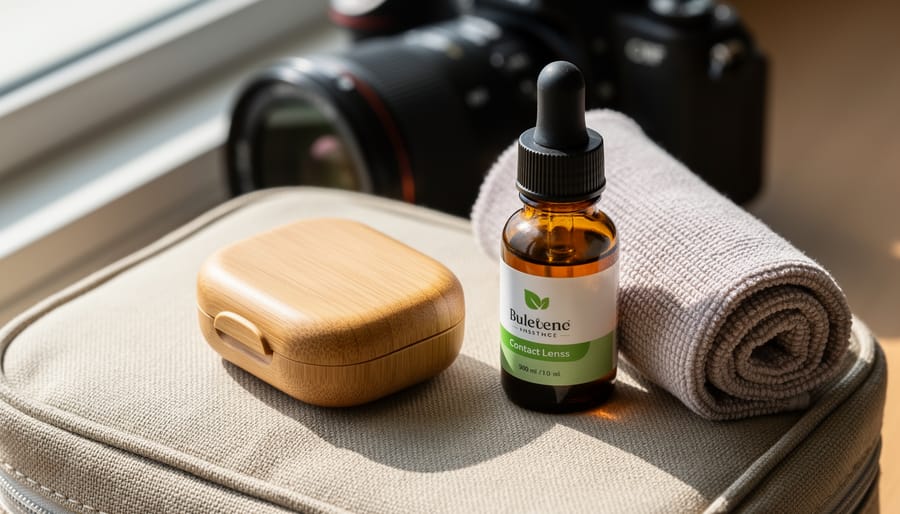
Looking for a contact lens case that won’t add to your environmental footprint? The best eco-friendly options in 2026 prioritize biodegradable or recyclable materials, durable construction that extends product life, and transparent manufacturing practices. Unlike conventional plastic cases designed to be replaced every three months, sustainable alternatives use materials like bamboo fiber composites, recycled ocean plastics, or medical-grade silicone that can last years with proper care.
For photographers who wear contacts, this matters more than you might think. Long days on location mean you’re carrying lens cleaning supplies, camera gear, and personal essentials. If you’re already making the switch to eco-conscious lenses for your camera kit, extending that mindset to your vision correction makes sense. A typical contact lens wearer discards four plastic cases annually, and with an estimated 140 million wearers globally, those single-use plastics add up fast.
The challenge? Greenwashing runs rampant in the personal care space. A case labeled “eco” might still be conventional plastic with green packaging, or it might genuinely reduce your waste stream by 90%. This guide cuts through the marketing claims to help you identify truly sustainable options. We’ll compare material types, examine what durability really means for case longevity, review three specific products available now, and show you the red flags that signal false environmental promises. Whether you’re shooting wildlife in remote locations or just trying to reduce bathroom cabinet waste, you’ll know exactly what to look for.
What Makes a Contact Lens Case Eco-Friendly?
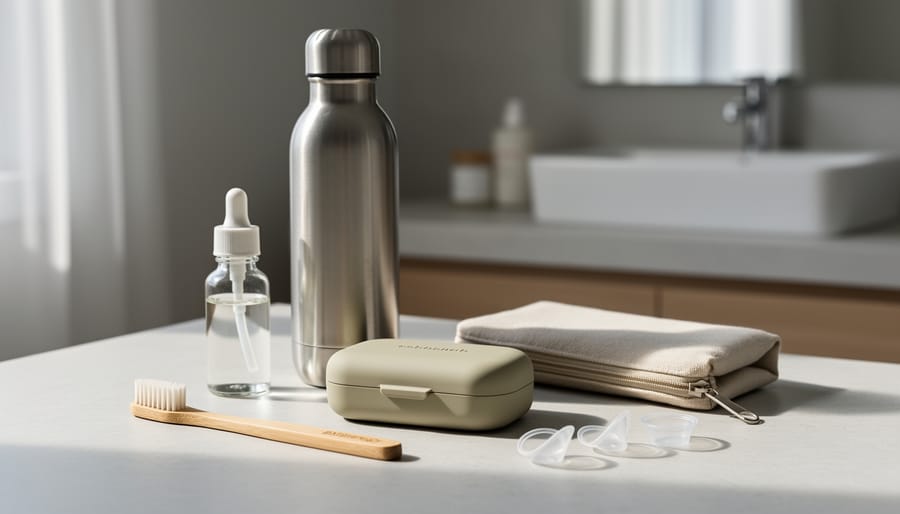
A truly eco-friendly contact lens case goes beyond a green label or recycled symbol on the packaging. Sustainability starts with material sourcing, whether the case is made from recycled plastics, bio-based materials, or alternatives like silicone that can outlast conventional options. Manufacturing processes matter too: factories that minimize water use, reduce emissions, and avoid toxic chemicals leave a smaller footprint than those relying on cheap, high-pollution methods. Packaging deserves scrutiny as well; single cases wrapped in layers of plastic and cardboard create waste that quickly negates any environmental benefit the product itself might offer.
End-of-life considerations round out the picture. Can you recycle the case when it wears out, or will it sit in a landfill for decades? Some manufacturers run take-back programs or use materials designed to break down more readily, while others simply churn out disposable products with no thought to their hidden environmental cost.
For photographers on location shoots, whether you’re capturing landscapes at dawn or portraits in remote settings, portability and durability become doubly important. A flimsy case that cracks after a few weeks forces you to buy replacements, multiplying plastic waste and negating any eco-conscious intent. A well-built case that survives months of being tossed in camera bags, subjected to temperature swings, and cleaned repeatedly reduces your overall consumption.
- Recycled content in the case body or packaging materials
- Silicone construction instead of virgin plastic for longer lifespan
- Minimal or plastic-free packaging that reduces shipping waste
- Durability that prevents frequent replacements and ongoing waste
- Manufacturer take-back or recycling programs at end of life
The greenest case is the one you don’t have to replace. When evaluating options, prioritize quality construction and materials that will endure the rigours of travel and fieldwork. A case that costs a bit more upfront but lasts years beats buying a cheap plastic version every few months.
Types of Eco-Conscious Contact Lens Cases Compared
Contact lens cases aimed at reducing environmental impact fall into four main categories, each with distinct trade-offs between sustainability goals and practical needs. Understanding these types helps photographers choose options that align with their workflow while genuinely minimizing waste.
Bulk multi-case kits represent the most common approach to reducing packaging waste. These sets typically contain six to twelve individual plastic cases in one package, cutting down on the per-unit packaging materials compared to buying cases separately. The Contact Lens Case Travel Kit mentioned in the outline exemplifies this category, bundling six cases with a tweezer, holder, and bottle in a single purchase. For photographers working multi-day shoots or expeditions, having multiple pre-filled cases ready eliminates the need to clean and refill a single case daily. The environmental benefit comes from consolidated packaging rather than inherently sustainable materials, since most bulk kits still use standard plastic construction. Studio photographers who change lenses frequently throughout a session may find this approach practical, though the plastic material itself remains a compromise.
Premium silicone travel cases offer a different sustainability angle through durability and reusability. Silicone cases resist cracking and degradation better than basic plastic, potentially lasting years instead of months. Some 2026 models use premium quality silicone materials designed for repeated cleaning cycles without breaking down. The longer usable life means fewer replacements over time, reducing total waste despite a higher upfront cost. These cases work well for photographers on location who need a single reliable case that withstands rough handling in camera bags. The trade-off is that silicone production still requires significant energy, and while principles of eco-friendly manufacturing are advancing across industries, verifiable certifications for contact lens cases remain limited in 2026.
| Case Type | Primary Material | Eco-Advantage | Best Use Scenario |
|---|---|---|---|
| Bulk Multi-Case Kits | Plastic | Reduced packaging waste per unit | Multi-day shoots, expeditions |
| Premium Silicone Cases | Silicone | Extended durability, fewer replacements | Regular travel, location work |
| Dual-Purpose Cases | Plastic or composite | Consolidates gear, saves space | Switching between glasses and contacts |
| Basic Recycled Plastic | Recycled plastic | Uses post-consumer materials | Budget-conscious, short-term needs |
Dual-purpose eyewear and contact cases combine storage for glasses or sunglasses with an integrated contact lens compartment. These reduce overall gear volume by eliminating the need for separate carrying solutions, which matters for outdoor photographers managing weight and pack space. The environmental benefit is indirect, helping you carry fewer total items rather than being made from greener materials.
Basic recycled plastic cases represent the smallest category. While using post-consumer recycled content sounds ideal, these cases often lack durability and break more quickly than virgin plastic alternatives, potentially creating more waste through frequent replacements. They suit photographers who need an emergency backup or short-term solution but rarely deliver long-term sustainability value.
Key Factors When Choosing Your Case
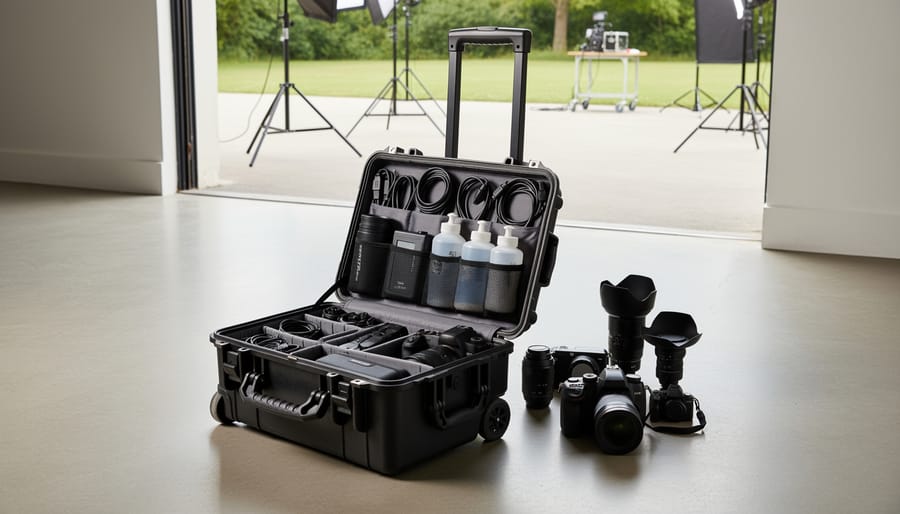
Material Matters: Plastic vs. Silicone

Most contact lens cases you’ll encounter in 2026 are made from plastic, and there’s a good reason: it’s cheap to manufacture and ship. The 6-pack kits and 4-pack travel sets widely available use “high quality plastic” as their base material, which typically means polypropylene or similar petroleum-derived polymers. These cases do the job, they’re lightweight for throwing in your camera bag, and they rinse clean easily enough. The catch? They’re essentially single-use plastics stretched into multi-use products. When they crack or get cloudy after a few months of daily wear, they head straight to landfill since most municipal recycling programs won’t take small items like lens cases.
Silicone alternatives represent a step up in durability and environmental impact. Premium silicone contact lens cases, now appearing in daily travel kits, offer genuine advantages: they resist cracking, maintain clarity longer, and handle repeated cleaning without degrading. Silicone also feels less harsh if you accidentally drop your case on location during a dawn shoot. From an environmental lifecycle perspective, silicone production still requires resources, but a case that lasts two years instead of three months means fewer replacements and less cumulative waste, a principle that applies to all your earth-friendly gear choices.
The real question isn’t which material wins outright, but which one you’ll actually use long enough to offset its manufacturing footprint.
Portability and Travel Convenience
Photographers working on location face a unique challenge: maintaining lens hygiene while moving between shoots, often in environments where clean water and stable surfaces are scarce. A well-designed travel kit becomes essential equipment, not a convenience. The difference between a standalone case and a complete kit with tweezers, solution bottle, and mirror determines whether you can safely swap lenses during a twelve-hour outdoor session or risk eye irritation from improvised handling.
Accessories matter more than most realize. Tweezers prevent finger oils from contaminating lenses, particularly useful when your hands have been adjusting dusty tripods or handling camera gear all day. A dedicated solution bottle sized for the kit ensures you always have fresh disinfectant, eliminating the temptation to rinse with tap water in field conditions. Compact mirrors let you insert lenses without hunting for reflective surfaces, a real consideration during dawn shoots or in remote locations.
The capacity decision, single case versus multi-case kits, affects both convenience and environmental impact. A six-pack system holding multiple pairs reduces packaging waste compared to buying cases individually, and provides backup options during multi-day shoots. However, carrying excess capacity you won’t use adds weight and defeats the sustainability purpose. Match your kit size to actual shooting patterns: weekend warriors rarely need what expedition photographers require daily.
Durability and Long-Term Value
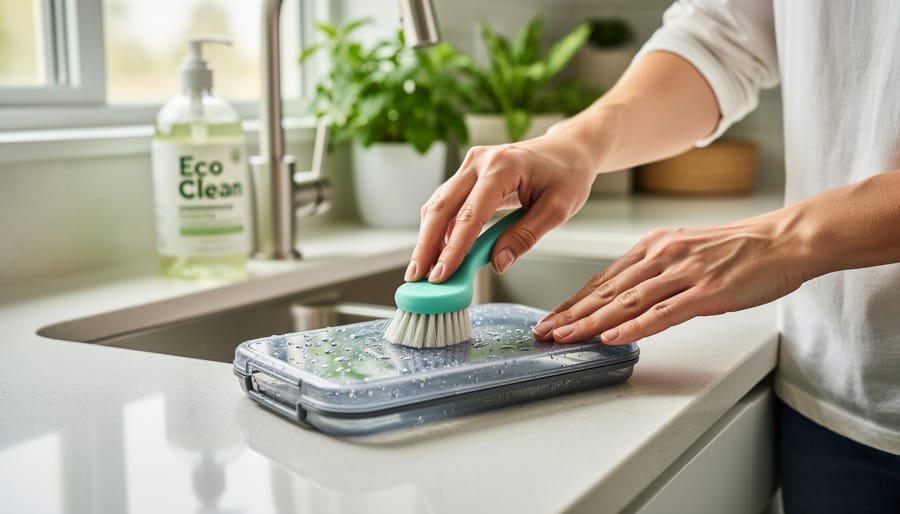
Choosing a durable contact lens case is one of the most effective ways to reduce your environmental footprint. A well-made case that lasts months or even years means fewer replacements headed to landfill, cutting down on both manufacturing emissions and plastic waste. When evaluating build quality, examine the hinge mechanism closely, flimsy hinges that crack after a few weeks are the most common failure point. Look for cases with reinforced closures and thicker walls that won’t flex or warp when you tighten the caps. Materials matter here too: premium silicone options typically outlast thin plastic cases by a significant margin, while high-quality plastic models with solid construction offer a middle ground between cost and longevity. Before buying, check customer reviews specifically mentioning durability over time rather than just initial impressions.
20 pcs Contact Lens Cases Kit Colorful Contact Holder Colored Lenses

This twenty-piece bulk kit takes an environmental approach that differs from premium individual cases: instead of marketing exotic materials, it reduces waste through quantity and reusability. Each case holds a single pair of lenses in the familiar left-right chamber design, giving you twenty separate units in one purchase. The value here lies in consolidation, one shipment, one larger package instead of buying disposable singles repeatedly over months.
The kit uses plastic construction, which won’t win sustainability awards for material innovation but extends its usefulness through sheer volume. Photographers working multi-day shoots or traveling frequently can keep several cases in different bags, one in your main camera kit, another in your hotel travel bag, a spare in the car, without worrying about running out or making emergency purchases in unfamiliar locations. The colorful variety also helps prevent mix-ups when you’re tired after a long outdoor session and need to track which case you touched last.
With a 4.1-star rating from 146 customers, users generally find the cases functional for their intended purpose. The practical edge comes from having backups ready: if one case cracks or you accidentally leave it at a shooting location, you’re not scrambling to find a pharmacy before the next day’s work. For photographers who wear daily or bi-weekly lenses and swap them during shoots, keeping pre-distributed cases in multiple gear bags means you’re always prepared.
The environmental angle depends on your usage pattern. If you’d otherwise buy individual cases several times yearly, this bulk approach cuts packaging waste and shipping emissions. The cases won’t biodegrade quickly, but using each one multiple times before replacement beats constantly discarding cheaper alternatives that crack within weeks.
Aukvite Contact Lens Case

The Aukvite Contact Lens Case stands out as a complete travel solution that reduces waste through consolidation. Rather than purchasing multiple separate items, mirror, tweezers, solution bottle, storage cases, this all-in-one kit bundles everything into a single reusable system. For photographers working on location, that integration means fewer plastic packages to dispose of and less gear to track during outdoor shoots or travel assignments.
The kit’s compact design fits easily into a camera bag or pocket, making it practical for long days on set when you need to remove or switch contacts between shots. The included mirror eliminates the need to search for reflective surfaces in remote locations, while the tweezers and solution bottle ensure you’re self-sufficient without relying on disposable single-use alternatives. The combo pattern design adds visual interest, though functionality matters more for field use.
Durability plays a central role in the eco-conscious value here. A case that withstands repeated packing, temperature fluctuations, and the rough handling of location work reduces replacement frequency. The Aukvite case’s hard-shell construction protects the contents while maintaining structural integrity over time, which directly impacts its environmental footprint. A durable case used for years generates far less waste than cheaper options replaced every few months.
Customer feedback reflects solid real-world performance, with a 4.1-star rating from 1,611 customers suggesting reliable quality for everyday use. The reusable system approach aligns with sustainable principles by minimizing the need for additional purchases and cutting down on packaging waste over the product’s lifespan. For photographers who frequently travel between studio and field locations, this consolidated kit offers both convenience and a genuine reduction in disposable alternatives.
GWCASE 2-in-1 Travel Case

The GWCASE 2-in-1 Travel Case solves a common photographer’s dilemma: you need reading glasses for camera menus but contacts for looking through the viewfinder, and hauling separate cases for each creates clutter in an already packed bag. This dual-compartment design stores eyeglasses or sunglasses in the main section while a built-in contact lens kit compartment holds cases, solution, and tweezers in the lid. It consolidates what would normally require two or three separate items into one compact unit that slips into a camera bag side pocket.
From an environmental standpoint, consolidation carries real weight. Manufacturing one well-designed case instead of purchasing separate eyewear and contact storage reduces material consumption, packaging waste, and shipping footprint. The space-saving design means photographers carry less overall gear, which matters when you’re flying to location shoots with strict baggage limits or hiking to remote spots where every ounce counts.
The case works particularly well for photographers who switch between glasses and contacts throughout a shoot day. Studio photographers might wear glasses while setting up lighting, then switch to contacts for long sessions behind the camera. Landscape photographers often start pre-dawn shoots in glasses, then change to contacts once they’re actively shooting. Having everything in one case streamlines these transitions and reduces the chance of leaving a critical item in the hotel room.
With a 4.1-star rating from 103 customers, the GWCASE earns solid marks for its practical approach. Most praise centers on the convenience factor and thoughtful layout. The dual-purpose design isn’t revolutionary, but it addresses a genuine need without excess complexity. For photographers who regularly use both eyewear and contacts, it’s the kind of simple consolidation that reduces daily friction while cutting down on redundant purchases.
Common Mistakes to Avoid
Shopping for eco-friendly contact lens cases sounds straightforward, but several common traps can undermine your sustainability goals and cost you more in the long run.
The biggest mistake is trusting vague environmental claims without digging deeper. Terms like “eco-conscious” or “green choice” mean nothing without specifics about materials, manufacturing, or certifications. A product marketed as sustainable might still be virgin plastic with conventional manufacturing. Look for transparent information about recycled content percentages, material composition, or recognized environmental certifications rather than accepting feel-good language at face value.
Price-focused shopping often backfires environmentally. That ultra-cheap case might seem budget-friendly, but if it cracks after two months, you’ll replace it six times a year instead of investing in one quality option. Cheap plastic cases typically use lower-grade materials that degrade faster, creating more waste. For photographers who travel frequently or work in demanding conditions, durability matters more than initial cost. A premium silicone case that lasts two years beats disposable plastic every time.
Shipping decisions carry hidden environmental costs that buyers overlook. Ordering single cases from multiple retailers generates excess packaging and transportation emissions. If you need backup cases, buying a multi-pack like the six-case kits reduces packaging waste and consolidates shipping. One thoughtfully planned order beats three rushed purchases spread across weeks.
Finally, many shoppers ignore total lifecycle value. The greenest choice isn’t always the product labeled eco-friendly, it’s the one you’ll actually use until it wears out. A conventional plastic case you keep for three years creates less waste than two “sustainable” cases that didn’t meet your needs and got replaced. Consider how your photography work patterns, travel frequency, and maintenance habits will affect case longevity before committing to any option.
What to Look For
When choosing an eco-friendly contact lens case, start with material composition, look for cases made from recycled plastic or premium silicone rather than virgin petroleum-based plastics. Check whether the manufacturer provides specific information about material sourcing; vague “eco” claims without substance are red flags.
Durability matters more than initial price. A case that lasts two years creates far less waste than one you replace every three months. Examine seals, hinges, and material thickness, premium silicone typically outlasts basic plastic options, and thicker construction resists cracking during travel.
Consider packaging waste alongside the case itself. Bulk kits that provide six or more cases in one purchase reduce shipping emissions and packaging materials compared to ordering individual cases repeatedly. However, buying in bulk only makes environmental sense if you’ll actually use all the cases before they degrade.
Evaluate the complete system rather than the case alone. A travel kit that includes reusable tweezers, a refillable solution bottle, and a protective holder consolidates your gear and eliminates the need for disposable accessories. This approach reduces both clutter in your camera bag and long-term waste.
Skip cases with excessive decorative elements or non-removable mirrors that complicate recycling at end-of-life. Simple, single-material designs offer the cleanest disposal pathway.
Recommendations by Use Case
For photographers traveling light to remote locations, the Aukvite Contact Lens Case delivers maximum portability in a complete package. Its integrated mirror, tweezers, and solution bottle eliminate the need for separate accessories, a practical choice when shooting outdoors where every ounce matters. The all-in-one design reduces both weight and waste compared to assembling components separately.
Studio photographers or those shooting multi-day projects benefit from the 20 pcs Contact Lens Cases Kit. Buying in bulk reduces packaging waste per case and ensures you’ll never run short during extended shoots. At under a dollar per case when purchased together, this option makes financial sense while minimizing repeat shipping impacts.
If you alternate between glasses and contacts throughout your workday, the GWCASE 2-in-1 Travel Case consolidates gear into one carrier. This dual-purpose approach cuts down on the bags you carry and the products you purchase, a win for both convenience and environmental impact, aligning with the values many eco-friendly brands promote across photography equipment.
Frequently Asked Questions
Choosing an eco-friendly contact lens case raises practical questions that go beyond marketing claims. Here’s what you need to know to make informed decisions.
Are silicone cases better than plastic for the environment?
Silicone cases typically last longer and resist degradation better than standard plastic, meaning you replace them less often. However, silicone is harder to recycle, so the environmental advantage comes mainly from durability rather than end-of-life disposal.
How often should I replace my contact lens case?
Eye care professionals recommend replacing your case every three months to prevent bacterial buildup, regardless of the material. Choose a durable case you’ll actually use for the full three months rather than one that cracks or degrades earlier.
Can I recycle old plastic contact lens cases?
Most municipal recycling programs won’t accept small plastic contact lens cases because they’re too small to process efficiently and fall through sorting equipment. Some optometry offices and specialized programs collect them for recycling, so check locally before tossing them in your bin.
What certifications should I look for in eco-friendly cases?
Look for cases made from post-consumer recycled materials or those with BPA-free certifications. Unfortunately, specific environmental certifications for contact lens cases remain rare in 2026, so focus on verifiable material composition and manufacturer transparency rather than vague eco-labels.
Do eco-friendly cases cost more than standard options?
Premium silicone cases typically cost more upfront, but bulk purchases of basic plastic cases often provide better value while reducing packaging waste. The price difference matters less than choosing a case you’ll use consistently for its full three-month lifespan.
The replacement timeline creates an inherent sustainability challenge. Because you’re discarding cases regularly for hygiene reasons, the most eco-conscious approach focuses on buying quality cases that last the full three months without degrading. A case that cracks after six weeks forces you into more frequent purchases, multiplying both cost and waste.
Material choice intersects with your specific use patterns. If you travel frequently for photography work, a silicone case withstands the bumps and pressure changes of location shoots better than thin plastic alternatives. The durability justifies the higher price when you consider how many cheap cases you’d otherwise cycle through. For photographers who primarily work in controlled studio environments, bulk plastic case kits reduce packaging waste without sacrificing practicality.
Recycling confusion stems from the size issue more than the material itself. Those tiny cases slip through recycling machinery, contaminating batches or ending up in landfills anyway. Your best bet is extending the useful life of each case through proper cleaning and careful handling, then investigating specialized collection programs through your optometrist or local environmental groups. Some areas have programs specifically for small medical plastics that standard curbside pickup won’t handle.
The certification gap reflects a broader problem in the contact lens accessories market. Without standardized eco-labeling, you’re left evaluating material claims yourself. Focus on concrete details: Is the plastic recycled content? Is the packaging minimal? Does the manufacturer provide material safety data? Vague terms like “eco-conscious” or “earth-friendly” without supporting specifics should raise skepticism rather than confidence.
Choosing an eco-friendly contact lens case means looking past the marketing and examining what actually reduces your environmental footprint. For photographers, this decision connects directly to your broader commitment to sustainable practices, the same mindset that influences your choice of equipment, travel habits, and how you approach your craft.
The most sustainable case isn’t necessarily the one labeled “eco” on the packaging. It’s the one you’ll use for months or years without replacing, made from materials you can verify, designed well enough that it won’t crack on your third location shoot. A durable silicone case you use for two years creates far less waste than a flimsy plastic one you replace every few months, regardless of what either claims about recyclability.
Start by questioning vague environmental claims. Look for specific materials, recycled content percentages, silicone grades, actual certifications rather than green imagery. Consider your real usage patterns: do you need bulk cases for regular replacement, or one robust travel kit that consolidates your gear? Factor in how often you’re on location versus in-studio, and choose capacity accordingly.
The intersection of photography and eco-conscious living demands this kind of practical thinking. Your contact lens case is a small decision, but it reflects the same principles that guide larger choices about your photographic practice and environmental impact.
Full transparency: this article contains affiliate links. We may be paid a commission if you make a purchase. As an Amazon Associate I earn from qualifying purchases.



 By