 By
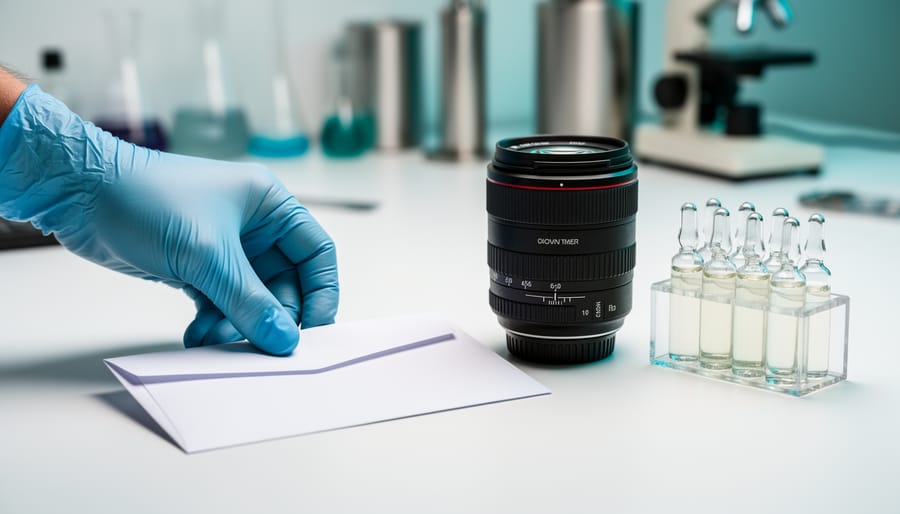
A trustworthy research peptide supplier shows its proof before you ask for it. That means batch-specific third-party lab results, a clear explanation of how the product is made and stored, and zero health or medical claims. If a supplier can’t clear those three bars, move on, no matter how polished the website looks, especially when you buy peptides online.
Think of it like buying a used lens. You wouldn’t hand over cash based on a glossy listing alone. You’d want sample shots, a serial number, and a seller willing to answer questions. Peptides work the same way. When you decide to buy peptides online, the paperwork matters as much as the product. A certificate of analysis (COA), the lab report confirming a batch’s identity and purity, is your sample shot.
Key Takeaway: A trustworthy supplier publishes batch-specific third-party testing, explains its process openly, and never makes health or medical claims. If any of those three is missing, keep looking.
Everything here assumes research-use-only purchasing, so safety and transparency come first. The rest of this guide gives you a repeatable vetting process: what to check, how supplier types compare, and the mistakes that trip up first-time buyers.
What Makes a Research Peptide Supplier Trustworthy in the First Place

A research peptide is a short chain of amino acids, the building blocks of proteins, made for use in laboratory studies. “Research use only” means exactly what it says: the product is meant for controlled experiments, not for people or animals. A legitimate supplier says so clearly and doesn’t hint otherwise.
Supplier quality matters because researchers can only trust results if the material is what it claims to be. Think about photography. If your screen is off, every edit you make downstream is compromised, which is why serious editors bother with monitor calibration before touching a single file. A peptide is the same kind of foundation. If it’s off, nothing built on it can be trusted.
Four terms come up constantly, so here they are in plain language:
– Purity is the percentage of the material that is the target peptide rather than leftovers from manufacturing.
– Identity is confirmation that the molecule is actually the peptide on the label and not something similar.
– Batch is a single production run. Quality can differ from one batch to the next, which is why batch-specific documentation matters.
– Contaminants are unwanted substances, such as residual solvents, byproducts, or microbes, that can skew results.
Consistency ties these together. A supplier that delivers the same quality batch after batch gives you a stable baseline. One that doesn’t turns your experiments into a guessing game.
Key Buying Factors: What to Check Before You Order
Third-Party Testing and Certificates of Analysis You Can Actually Verify
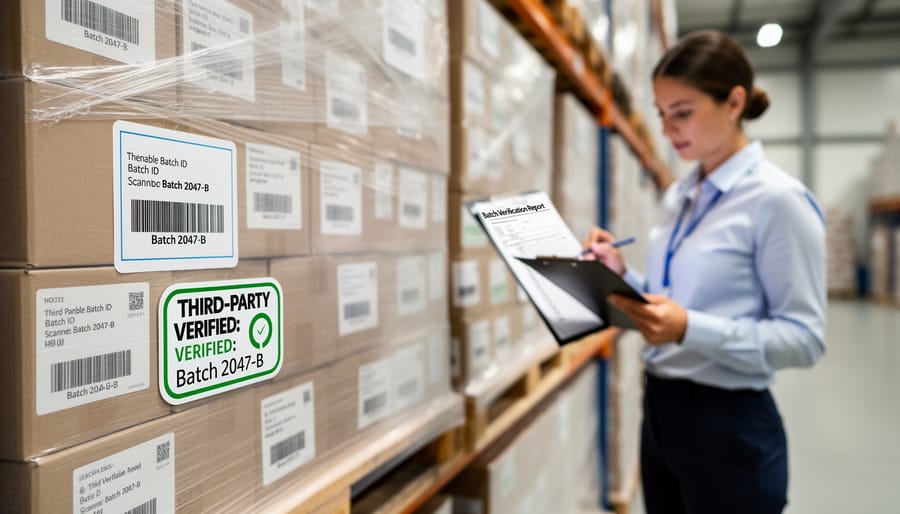
A certificate of analysis, or COA, is the lab report that backs up what’s inside a vial. Think of it like the test chart that ships with a calibrated lens: it’s only worth anything if it matches the specific unit in your hands.
Two tests do most of the heavy lifting. HPLC (high-performance liquid chromatography) separates a sample into its components and shows what percentage is the target peptide versus everything else. Mass spectrometry confirms identity by measuring the molecular weight, so you know the compound is actually what the label says. One tells you how pure it is, the other tells you what it is. You want both.
Independent, batch-specific reports matter because purity can vary from one production run to the next. A generic or in-house report tells you very little about the batch you’re buying. A credible COA should include:
- The testing lab’s name and contact information
- A clear test date
- The lot or batch number
- The method used (such as HPLC or mass spectrometry)
- A purity percentage tied to that method
- Identity confirmation, usually the measured versus expected molecular weight
Watch for red flags: reports with no date, the same report recycled across multiple products, no lot number, no lab name or way to reach them, or a purity figure with no method listed.
The simplest safeguard is to physically compare the lot number printed on your vial with the one on the report. If they don’t match, or the vial has no lot number at all, treat the report as irrelevant to what you received. When in doubt, contact the lab directly and ask them to confirm the report is real.
Transparency, Sourcing, and Business Credibility
A trustworthy supplier is willing to talk about how it works. Look for plain explanations of where the peptides are synthesized, how they’re purified, and what quality checks happen before a batch ships. Think of it like a lens maker who publishes MTF charts and explains their testing process. If a company is vague about all of it, treat that as information.
Next, confirm the business behind the website actually exists. A real supplier lists a physical address, a working phone number or email, and answers technical questions with specifics rather than canned replies. Send a test question about a particular batch and see what comes back. Silence, dodging, or pressure to buy tells you plenty.
Be careful with reviews. Glowing testimonials on a supplier’s own site are marketing, much like a camera brand quoting its own happy customers. Independent forums, third-party review platforms, and research communities give a more honest picture, especially when the praise includes details rather than just stars. Operating history matters too. A company that has been around for years has more reputation at stake than one that appeared last month.
Finally, read the language closely. Legitimate suppliers state consistently that products are for laboratory research only, not for human consumption. If a site talks about treating conditions, suggests dosing, or promises health results, walk away. That’s a major warning sign.
Storage, Shipping, and Handling Standards
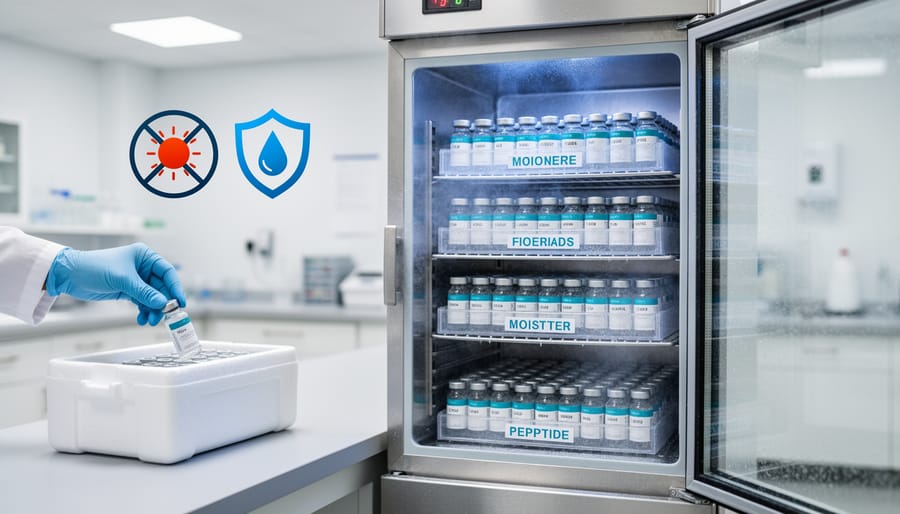
Peptides are delicate. Heat, moisture, and light can break them down, so a vial that looks fine may have lost potency before it ever reaches your bench. Photographers know this feeling: film left in a hot car or a sensor exposed to humid air degrades quietly, and you only notice once the results look wrong.
Good suppliers treat peptides the same way careful shooters treat their gear. They ship them in lyophilized (freeze-dried) form, which is far more stable than a liquid. They use sealed, clearly labeled vials with a lot number printed on each one, so you can match it to the lab report. They pack orders with temperature-conscious materials and avoid leaving parcels sitting in a hot warehouse over a weekend.
Look for clear storage instructions with every order, too. If you want a refresher on storage best practices the principles carry over, and learning to avoid storage damage applies equally well to anything sensitive to heat and humidity.
Pricing, Policies, and Customer Support

A price that looks too good usually is. In peptide work, a rock-bottom listing can point to underdosed vials or contamination, and neither shows up until your results go sideways. Think of a bargain lens with a suspiciously soft corner: you only find the flaw after the shoot. So weigh price against documented quality, never use it as your first filter.
Then read the fine print. Look for clear terms, a stated return or reship policy for damaged or mismatched orders, and secure payment. Finally, ask a specific technical question about a batch. A good supplier answers precisely and promptly.
Types of Suppliers Compared: Where Research Peptides Come From
If you’ve ever shopped for camera gear, you already know the landscape: there’s the authorized dealer, the specialist shop, the custom lab, and the stranger selling a “mint” lens out of a parking lot. Research peptide sourcing breaks down in much the same way, and knowing which category you’re dealing with tells you a lot about what to expect.
Specialized research peptide vendors focus on ready-to-ship catalog peptides. The good ones publish batch-specific testing and are easy to order from. The trade-off is that quality varies widely, so the vetting steps covered earlier matter most here.
Established chemical and life-science supply companies tend to offer the most formal paperwork, consistent quality systems, and institutional purchasing support. They can be slower, may require business or institutional accounts, and usually carry a higher price tag.
Custom peptide synthesis labs make a peptide to your exact sequence and specifications. Think of it like commissioning a custom lens mount rather than buying off the shelf. You get flexibility and often detailed analytical reports, but lead times are longer and minimum quantities can apply.
Anonymous marketplace or social media sellers are the riskiest. They’re easy to find and often cheap, but documentation is thin or missing, accountability is low, and there’s rarely anyone to answer for a bad batch.
| Supplier type | Typical documentation | Customization | Relative price | Main risk to watch for |
|---|---|---|---|---|
| Specialized research peptide vendors | Varies; strong ones provide batch-specific third-party reports | Limited, mostly catalog items | Low to moderate | Recycled or unverifiable test reports |
| Established chemical and life-science suppliers | Formal, consistent, often detailed | Moderate | Moderate to high | Account requirements and slower fulfillment |
| Custom peptide synthesis labs | Typically detailed analytical reports per order | High, made to your sequence | Moderate to high | Longer lead times and minimum quantities |
| Marketplace or social media sellers | Often minimal or unverifiable | None | Often lowest | Mislabeled, underdosed, or contaminated product |
No category is automatically trustworthy or untrustworthy. A well-documented specialized vendor can beat a careless larger company, and the reverse is also true. What separates them is the proof they hand you, so judge each supplier on its verifiable documentation rather than the category label.
Recommendations: How to Vet Any Supplier Step by Step
Think of vetting a supplier the way you’d vet a used lens: you don’t just trust the listing photos. You run the same routine every time, and the routine does the work for you. Here’s a repeatable one, and you can fold it into your own buyer checklist so nothing gets skipped.
1. Gather the documentation. Ask for the certificate of analysis (COA) for the exact batch you’re considering, plus any information on sourcing, storage, and handling. A supplier that hesitates at this stage has told you something already.
2. Verify the COA with the lab. Find the testing lab’s contact details on the report and confirm the report is real and matches the lot number. Don’t rely on a PDF alone.
3. Check independent reviews. Look for feedback on third-party forums and review sites, not just testimonials on the supplier’s own pages. Pay attention to patterns in complaints, such as late shipments, vague answers, or mismatched paperwork.
4. Ask a technical question. Something simple works, like which method was used for the purity test or how the product is packed for shipping. A knowledgeable, specific reply is a good sign. A canned answer or a sales pitch isn’t.
5. Start small. Place a small order before committing to anything larger, and inspect the vial, labeling, and packaging when it arrives.
6. Keep records. Save the COA, order confirmation, lot number, and your correspondence in one folder.
That last step pays off. One buyer I’ll call Dana was about to begin a long-running bench project when she compared the lot number on her vial against the COA she’d been sent. They didn’t match. A quick email to the supplier went unanswered, so she set the order aside before any work started. Two minutes with a label saved her weeks of unreliable data.
Mistakes to Avoid When Buying Research Peptides
Most mistakes come down to skipping proof. The first is choosing on price alone. A bargain figure tells you nothing about purity, and in my experience the cheapest listing is where underdosed or contaminated material tends to hide. Weigh cost against documentation, not instead of it.
The second is accepting a certificate of analysis (COA) at face value. A report only helps if the lot number matches your vial and the lab behind it can confirm it. Photographers know this feeling: a spec sheet isn’t a lens test.
Third, don’t let social media hype or influencer enthusiasm stand in for evidence. Confident claims cost nothing to post, and many come with an affiliate link attached.
Fourth, ignoring storage conditions. Heat, moisture, and light degrade peptides, so a supplier that ships carelessly, or instructions you don’t follow, can undo even a good batch.
Fifth, buying in bulk before testing a small order. Start small, check the result against the documentation, and scale up only once the supplier has earned it.
Finally, don’t overlook your legal and regulatory responsibilities. Rules on importing, possessing, and handling these compounds vary widely by location, so learn what applies where you live before you order.
Keep that context in mind every time you evaluate a seller, and walk away from anyone who blurs it.
Frequently Asked Questions About Choosing a Research Peptide Supplier
What is a COA and why does it matter?
A Certificate of Analysis is a lab report showing a specific batch’s purity and identity test results. Think of it as a lens test chart: proof that what you bought matches what was promised.
How can I tell if a lab report is real?
Check that the lot number matches your vial, the lab is named with contact details, and the test method is listed. If you can, contact the lab directly to confirm it issued the report.
Are research peptides legal to buy?
Rules vary by location, and these products are strictly for laboratory research, not human or veterinary use. Check the regulations where you live before ordering.
Still unsure about a supplier? Treat it the way you would a pricey piece of gear: ask questions, request proof, and don’t rush the decision.
Trust in a supplier is earned through verifiable documentation, open communication, and careful handling, not slick marketing or a rock-bottom price. Vet them the way you’d research a critical piece of gear: be patient, and ask for proof. And remember, research peptides are for laboratory use only, never for human consumption.





 By