 By
By 
A cultural exchange project in photography connects photographers from different countries and backgrounds to share techniques, perspectives, and creative approaches through structured collaboration. These projects typically unfold over weeks or months, pairing participants for joint assignments, critique sessions, and portfolio reviews that challenge each photographer to see their work through a different cultural lens. The result isn’t just improved technical skills but a fundamental shift in how you frame stories and interpret visual narratives.
Most photographers who join these initiatives discover that their assumptions about composition, subject matter, and even ethics get productively upended. A street photographer from Tokyo, for instance, might collaborate with a documentarian from São Paulo, revealing how personal space, consent, and storytelling vary dramatically between cultures. That tension creates growth. You’re not just learning new camera settings; you’re absorbing how another society values visual communication.
The mechanics are straightforward. Projects usually involve submitting a portfolio, getting matched with a partner based on complementary skills or interests, then working through assignments designed to bridge your differences. You might swap locations for a week, critique each other’s projects through video calls, or co-curate an exhibition that blends both perspectives. The commitment varies, but expect to dedicate several hours weekly to meaningful interaction, not superficial social media exchanges.
What makes these collaborations valuable in 2026 is their antidote to algorithmic isolation. Your feed shows you what you already like; a cultural exchange forces you to confront unfamiliar aesthetics and storytelling traditions. Photographers consistently report that a single three-month exchange reshapes their work more than years of solitary practice. The key is finding structured programs with clear goals, not vague promises of “connection.”
What Makes Cultural Exchange Projects Different from Regular Photography Collaborations
Regular photography collaborations typically focus on a single project outcome, creating an exhibition, completing a photo series, or producing commercial work. Cultural exchange projects operate from an entirely different premise. The end result matters less than the process of learning how photographers from different cultural contexts see, interpret, and capture the world around them.
The distinction becomes clear when you examine the structure. A typical collaboration sets a deadline, divides tasks, and wraps up when deliverables are complete. Cultural exchanges establish ongoing dialogues. You’re not just sharing finished images; you’re discussing why you composed a shot a particular way, what cultural significance certain subjects hold, and how your community’s visual language differs from your exchange partner’s. These conversations often continue for months or years, creating relationships that reshape how you approach photography long after the initial project ends.
- Cultural Exchange Projects
- Photography partnerships focused on mutual learning about different cultural perspectives, visual traditions, and approaches to image-making rather than producing a specific deliverable.
- Reciprocal Learning
- The two-way process where both photographers teach and learn simultaneously, sharing insights about their cultural contexts, technical approaches, and creative philosophies.
- Cultural Documentation vs Tourism Photography
- Documentation seeks to understand and represent a culture from within or through sustained engagement, while tourism photography typically captures surface-level impressions during brief visits.
Consider the 2024 exchange between a street photographer in Tokyo and a documentary photographer in São Paulo. Rather than simply swapping images of their cities, they spent three months discussing how public space photography is received differently in their cultures, the ethical considerations each faced, and why certain compositional choices felt natural or foreign. The Tokyo photographer learned to embrace the energetic chaos that felt comfortable to his Brazilian counterpart, while the São Paulo photographer discovered the power of restraint and negative space. Neither photographer would have gained these insights from a one-off collaboration.
The commitment level sets cultural exchanges apart, too. Photo competitions or group projects involve dozens or hundreds of participants with minimal individual interaction. Exchange projects pair you with specific photographers, creating accountability and depth impossible in larger forums. When your exchange partner in Lagos shares how she navigates photographing religious ceremonies, or your counterpart in Reykjavik explains seasonal light challenges, you’re gaining knowledge that transforms your practice in ways a workshop or online tutorial never could.
How Cultural Exchange Projects Shape Your Photographic Perspective
Breaking Out of Your Visual Echo Chamber
When you photograph the same subjects in the same environment day after day, your eye stops questioning composition choices. You frame landscapes the same way, default to familiar angles for portraits, and gravitate toward subject matter that already fits your established aesthetic. This isn’t laziness, it’s the natural result of working within a single visual culture where everyone’s Instagram feeds start looking remarkably similar.
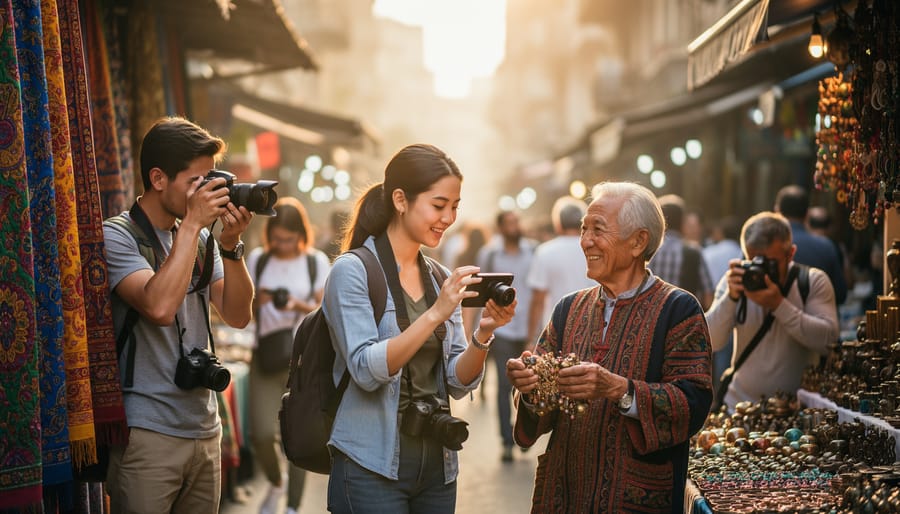
Cultural exchange projects disrupt this comfortable pattern by connecting you with photographers whose visual vocabulary developed under completely different influences. A Japanese photographer might approach negative space in ways that challenge your instinct to fill the frame. Someone from Brazil could introduce you to color combinations you’d never consider harmonious. An Indian exchange partner might tell stories through environmental portraits that make your minimalist headshots feel incomplete.
The revelation isn’t just seeing these different approaches, it’s understanding what works in their cultural context and why. You begin questioning assumptions you didn’t realize you held about “good” composition or “proper” subject treatment. This cognitive friction forces growth in ways that watching tutorials or studying famous photographers never quite achieves, because you’re engaging with working photographers who successfully communicate with audiences that don’t share your visual reference points.
Learning Technical Approaches You’ve Never Considered
Cultural exchange projects frequently introduce photographers to technical solutions they’d never encounter in their own geographic bubble. A portrait photographer from Seattle learned from her Mumbai exchange partner how to work with harsh midday light, something she’d always avoided. Her partner showed her specific diffusion techniques using lightweight fabrics and reflected fill light that turned brutal overhead sun into an asset rather than an obstacle. Within months, she’d adapted these approaches to summer client sessions, eliminating the narrow shooting windows she’d previously relied on.
Climate-driven adaptations reveal themselves constantly in these exchanges. A landscape photographer from Norway discovered through his Moroccan counterpart that dust protection wasn’t just about gear covers, it required completely different maintenance routines, sensor cleaning frequencies, and even shooting sequences to minimize exposure during lens changes. He’d never considered these factors in his cool, clean Nordic environment.
My exchange partner in Vietnam showed me how she uses a single speedlight with colored gels to mimic the warm, layered artificial lighting common in her city’s night markets, I’d been relying on available light and missing the entire aesthetic.
Post-processing philosophies shift dramatically across cultures. Japanese photographers often shared more restrained approaches to color saturation and contrast, reflecting aesthetic traditions that value subtlety. Meanwhile, photographers from Brazil introduced bolder color grading that celebrated vibrancy without apology. Neither approach is superior, the revelation comes from understanding these aren’t random preferences but culturally-rooted visual languages.
Equipment problem-solving flourishes in these exchanges. Photographers working in humid tropical climates share dehumidification strategies, while those in extreme cold explain battery management techniques that extend shooting time. These aren’t lessons you’ll find in manufacturer manuals, they’re hard-won field knowledge that only gets transmitted through direct creative relationships.
Finding the Right Cultural Exchange Forum for Your Photography Goals
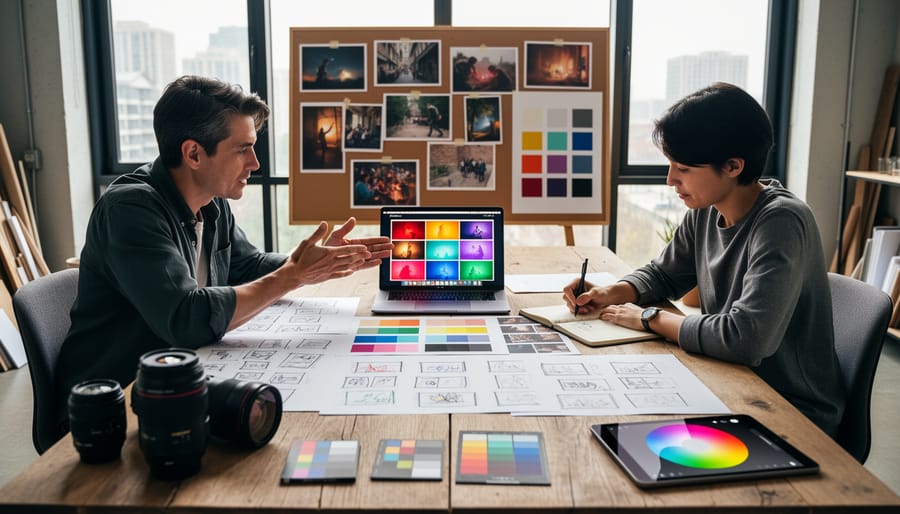
Not every photography exchange forum serves the same audience or offers the same experience. Before you commit time and creative energy to a platform, evaluate whether it actually supports the type of cultural exchange you’re seeking.
Start by examining the community’s geographic diversity. A forum dominated by photographers from one or two regions won’t give you the cross-cultural exposure you need. Look for active members from at least a dozen countries across multiple continents. Check recent posts and project galleries to confirm this diversity isn’t just claimed in the marketing copy but visible in actual participation.
Platform structure matters more than you might expect. Some forums organize exchanges through open calls where you pitch ideas publicly. Others use matching algorithms that pair you with photographers based on stated interests and goals. Neither approach is inherently better, open calls suit photographers comfortable with self-promotion, while matching systems work well for those who prefer structured introductions. Consider which aligns with how you naturally connect with people.
Pay attention to how the platform handles skill-level diversity. The most valuable forums create space for both emerging and established photographers without letting either group dominate. Read through project descriptions to see if beginners receive thoughtful feedback rather than dismissive criticism, and whether advanced photographers share genuine insights rather than showing off. A healthy community challenges you without making you feel inadequate.
Look for forums that emphasize actual collaborative project development over simple image sharing. Cultural exchange requires sustained interaction, not just uploading photos to a gallery and collecting likes. Platforms with built-in communication tools, project tracking features, and resources for planning multi-phase exchanges demonstrate they understand this distinction.
Check the forum’s content moderation philosophy. Cultural exchange demands respectful dialogue about sensitive subjects, but overly sanitized spaces where no one risks honest critique won’t push your creative growth. The sweet spot is transparent community guidelines enforced consistently, with visible examples of constructive disagreement that didn’t devolve into attacks.
Finally, test the platform’s activity level before committing. Join the forum or request trial access, then observe for two weeks. Are new projects launching regularly? Do experienced members respond to newcomers’ questions? Does the community discuss photography concepts beyond gear talk? Active forums feel alive, new conversations daily, project updates flowing, genuine relationships forming. Dormant platforms just accumulate lonely profiles and abandoned projects.
The right forum connects you with photographers whose cultural perspectives expand yours, provides structure that converts initial enthusiasm into completed exchanges, and creates space where creative risks feel supported rather than judged.
Preparing for Your First Cultural Exchange Project
What to Share (And What to Keep to Yourself)
The question of what to share in a cultural exchange isn’t about being secretive, it’s about respecting boundaries while building genuine creative relationships.
Start by freely sharing work-in-progress images, creative challenges you’re wrestling with, and your thought process behind compositional choices. These unpolished glimpses into your practice create authentic connections far more effectively than only posting your portfolio’s greatest hits. Most photographers find their exchange partners respond enthusiastically to seeing the messy middle of the creative process.
However, recognize that cultural attitudes toward certain subjects vary dramatically. What’s considered acceptable street photography in Berlin might be deeply invasive in Tokyo. Before sharing images of religious ceremonies, children, or vulnerable communities, ask yourself whether your exchange partner’s cultural context might interpret these differently than you intended. When in doubt, describe the project rather than sharing the raw images initially.
The commercial work question trips up many photographers. Share enough about your professional projects to give context to your development, but avoid detailed client work unless you have explicit permission. Most exchanges thrive when you separate your commercial obligations from your creative exploration, that’s often where the most interesting learning happens anyway.
Personal information deserves similar consideration. Discussing your creative influences builds connection; sharing detailed location information for unpublished work or revealing client identities crosses professional boundaries that transcend cultural differences.
The Gear Question: Do You Need to Match Equipment?
Gear anxiety hits hard when you’re about to connect with a photographer from another country. You’re shooting with an entry-level mirrorless, they’ve got a medium format system, will the exchange even work?
Here’s the reality: equipment differences rarely derail productive exchanges, and they often create unexpected learning opportunities.
When Danish photographer Maria Lindström paired with Kenyan photographer James Mwangi through an exchange forum, the gear gap seemed massive. Maria worked with a full-frame Sony system and premium glass; James relied on a crop-sensor Canon and vintage manual lenses. Rather than limiting their exchange, this difference opened conversations about creative problem-solving. James taught Maria techniques for maximizing image quality with basic equipment, skills that transformed how she approached challenging lighting situations, even with her advanced gear.
The technical learning runs both ways. Photographers with simpler setups often develop stronger compositional instincts because they can’t rely on technology to fix weak fundamentals. Meanwhile, those with sophisticated equipment can share insights about features their exchange partner might consider for future investments.
Equipment compatibility matters primarily for specific collaborative projects. If you’re planning synchronized shoots where you’ll compare RAW files, similar sensors help. Joint exhibitions requiring matched print quality need comparable resolution capabilities. Remote teaching sessions work better when you’re both familiar with each other’s camera systems.
For general cultural exchanges focused on creative development, perspective sharing, and portfolio feedback, gear differences become footnotes. The Romanian photographer shooting film and the Japanese photographer using the latest mirrorless both capture compelling images, that’s what matters.
Focus your exchange partner search on aligned creative vision and communication style, not matching camera bodies.
Common Challenges and How to Navigate Them
Every cultural exchange project sounds magical until you hit your first real obstacle at 2am when you’re still waiting for feedback that was promised “tomorrow” three days ago. The challenges are real, predictable, and completely manageable once you know what to watch for.
Language barriers rank as the most obvious hurdle, but they’re rarely the deal-breaker newcomers expect. Visual communication forms the foundation of photography exchanges anyway, your images convey far more than words ever could. When language gaps create confusion around concepts or critique, experienced exchangers rely on annotated screenshots, quick voice messages (hearing tone clarifies intent), and simple vocabulary over eloquent explanations. Translation apps have improved dramatically, but the real solution involves asking clarifying questions early rather than assuming you’ve understood nuanced feedback.
Time zones create coordination headaches that catch even experienced photographers off guard. A partner twelve hours ahead isn’t just sleeping when you’re awake; their entire daily rhythm operates in reverse. The photographers who navigate this successfully abandon real-time expectations entirely. They structure exchanges around asynchronous communication, detailed messages, scheduled feedback sessions booked a week ahead, and clear deadlines that account for both time zones. Some pairs designate one “live” video call monthly for deeper discussions while handling day-to-day exchange business through recorded messages and shared albums.
Cultural misunderstandings about appropriate subjects hit harder than language issues because they’re unexpected. What feels like documentary honesty in one culture reads as invasive in another. Street photography norms, portraiture expectations, even landscape composition carry cultural weight you might not recognize. Successful exchangers address this directly by sharing examples of what’s considered respectful photography in their context, discussing which subjects feel sensitive, and explaining the “why” behind their discomfort rather than just stating boundaries.
Commitment level mismatches, where one photographer treats the exchange like homework while their partner approaches it casually, create the friction that ends relationships. This mirrors the frustration many photographers experience in group challenges when participants drop out midway. Combat this by establishing specific deliverables upfront: how many images weekly, what format for feedback, minimum response windows. If someone consistently misses agreed commitments, a direct conversation about whether the exchange still serves both parties beats months of resentful silence.
The technical infrastructure causes preventable headaches. File-sharing platforms that work seamlessly in one country hit firewalls in another. Image compression destroys the details you’re trying to discuss. Experienced exchangers test their entire workflow during the first week, sharing a few test images through your chosen platform, confirming both parties can access and download full-resolution files, and having backup methods ready when the primary system fails.
Turning Exchange Experiences into Portfolio Growth
Your exchange experiences shouldn’t just live in your personal archive, they’re career-building assets that deserve strategic visibility. The perspectives you’ve gained and relationships you’ve formed can directly strengthen your professional standing when you translate them into concrete opportunities.
Start by weaving international influences into your existing client work rather than treating exchange projects as separate from your commercial practice. That compositional approach you learned from a Japanese photographer can elevate your product photography. The environmental portrait techniques you picked up from an exchange partner in Ghana might revolutionize how you shoot corporate headshots. Clients increasingly value photographers who bring fresh perspectives, and cultural exchange experiences give you specific examples of where your expanded vision comes from.
Your exchange work itself can become powerful portfolio additions, especially for photographers seeking editorial or documentary assignments. A series documenting daily life in a partner’s country, shot collaboratively, demonstrates both technical range and cultural awareness that editors notice. If you’ve explored narrative photography through your exchange, those story-driven projects show depth beyond pretty pictures.
Exhibition opportunities emerge naturally from exchange relationships. Joint online exhibitions on your respective platforms cost nothing but time and introduce your work to new audiences. Some exchange pairs have successfully pitched dual-perspective exhibitions to galleries, the “two photographers, one theme, different cultures” angle intrigues curators looking for fresh concepts.
Long-term collaborative projects carry even more professional weight. Book projects, multimedia presentations, or ongoing documentary series that span borders demonstrate commitment and sophisticated storytelling. These extended collaborations generate press attention, speaking invitations, and teaching opportunities that single-photographer projects rarely receive.
The key is documenting your exchange journey itself, not just the images produced, but the process, the learning moments, the cross-cultural dialogue. That behind-the-scenes narrative makes compelling content for your website, social media, and grant applications, positioning you as a photographer invested in growth rather than just executing technical tasks.

Cultural exchange projects fundamentally change how you see, not just through your viewfinder, but through your entire approach to photography. The technical skills you’ll gain matter, certainly. But the real value lies in developing what you might call a global photographic consciousness: an awareness that your creative choices exist within a much larger visual conversation happening across cultures and continents.
When you commit to an exchange, you’re signing up for discomfort alongside growth. You’ll question compositional rules you thought were universal. You’ll discover that your “intuitive” editing style reflects cultural conditioning you never recognized. You’ll probably feel frustrated when language barriers slow communication, or when time zones make real-time feedback impossible. That friction is precisely where transformation happens.
The photographers who benefit most from exchanges aren’t necessarily the most technically skilled, they’re the ones willing to have their assumptions challenged. If you’re ready for that kind of creative disruption, your first step is straightforward: find a Photographers’ Cultural Exchange Forum that matches your interests and start conversations. Don’t wait until you feel “ready” or until your portfolio reaches some imagined standard. Your perspective right now, shaped by your specific cultural context and experiences, has value to offer someone working halfway around the world.
The exchange begins the moment you decide your visual world needs expanding. Everything after that is just logistics.




 By
By