 By
By 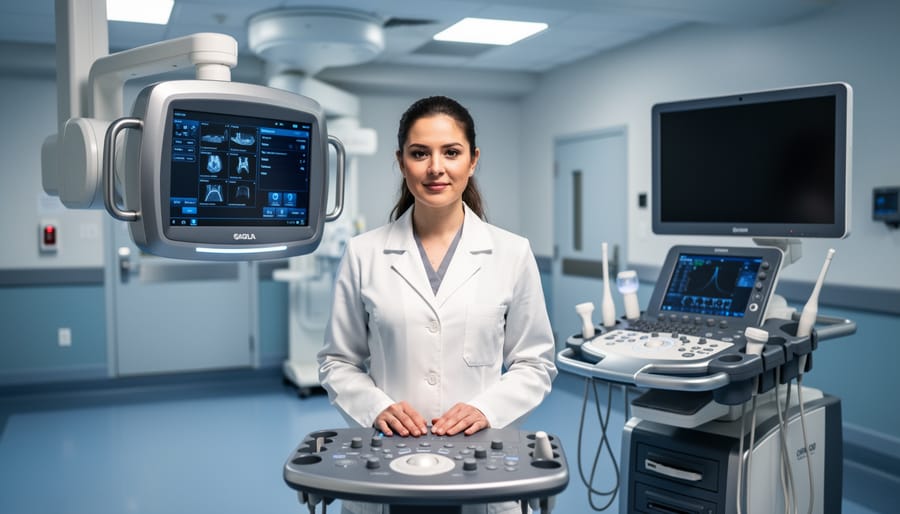
Pulse ISM is a female-owned medical imaging sales organization serving healthcare providers across Canada, operating in a market that generated $3.69 billion in revenue during 2024 and is projected to reach $4.92 billion by 2030. For photographers curious about adjacent imaging technologies or exploring career crossovers into medical imaging sales and service, understanding this specialized sector offers insight into how imaging science extends far beyond cameras and lenses.
The medical imaging industry shares foundational technology with photography. Both fields rely on sensors, optics, image processing algorithms, and the physics of light capture. While you might be familiar with megapixels and dynamic range in your mirrorless camera, medical imaging specialists work with similar principles applied to X-ray detectors, ultrasound transducers, and MRI coils. The Canadian diagnostic imaging market alone, valued at $931.8 million in 2025 and expected to grow to $1.06 billion by 2030 at a 2.6% annual rate, represents substantial opportunity for professionals who understand imaging fundamentals.
Organizations like Pulse ISM bridge manufacturers and healthcare facilities, requiring deep technical knowledge of imaging equipment alongside customer relationship skills. If you’ve ever considered how your photography expertise might translate to other imaging sectors, or if you’re simply interested in how image capture technology evolves across industries, the medical imaging space offers a fascinating parallel track. The global medical imaging equipment market is expanding from $48.52 billion in 2025 to $51.23 billion in 2026, signaling sustained investment in advanced imaging capabilities that often trickle down to consumer photography technology over time.
What Changed: The Medical Imaging Market Landscape
Between 2025 and 2026, medical imaging markets posted steady growth across multiple segments. The global medical imaging equipment market expanded from $48.52 billion in 2025 to $51.23 billion in 2026, while Canada’s diagnostic imaging market climbed from $931.8 million to a projected $1,058.2 million by 2030 at a 2.6% CAGR. These figures represent sustained demand rather than explosive expansion, a pattern distinct from the supply chain chaos that has periodically disrupted consumer electronics and camera manufacturing.
For photographers and imaging professionals, this stability matters. Medical imaging relies on the same core technologies that drive camera innovation: sensor design, optical systems, and image processing algorithms. When medical markets invest consistently in imaging infrastructure, that funding often accelerates research benefiting all imaging sectors. Organizations like Pulse ISM, a female-owned firm serving medical imaging providers throughout Canada, operate at the intersection of technical expertise and customer relationships, a model increasingly relevant as camera retail evolves beyond transactional sales.
Key Developments in Medical Imaging Sales
1. Global Medical Imaging Equipment Market Expansion
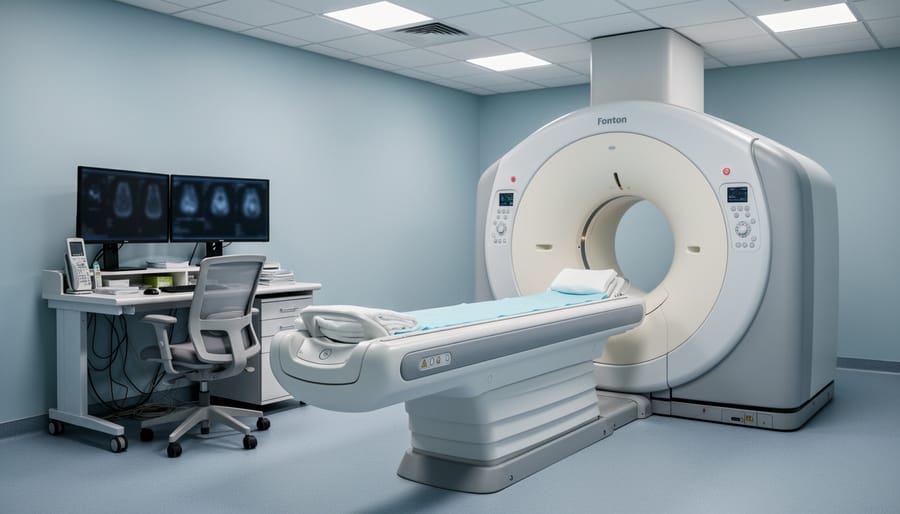
The global medical imaging equipment market expanded from $48.52 billion in 2025 to $51.23 billion in 2026, representing a $2.71 billion increase that signals sustained demand for diagnostic technology across healthcare systems worldwide. This growth isn’t explosive, but it’s consistent, the kind of steady climb that reflects fundamental need rather than speculative investment bubbles.
What’s driving this expansion? Population aging plays a significant role, as older demographics require more diagnostic imaging for chronic disease management and preventive screening. At the same time, technological advancement creates replacement cycles: hospitals and imaging centers upgrade existing equipment to access better image resolution, faster scan times, and lower radiation doses. Emerging markets also contribute, as healthcare infrastructure develops in regions previously underserved by advanced diagnostic capabilities.
For photographers, this market matters because medical imaging and photography share core technologies. Both fields rely on sensor design, whether it’s a CMOS chip in your mirrorless camera or a digital detector in an X-ray system. Advances in low-light sensitivity, noise reduction algorithms, and dynamic range often cross-pollinate between medical and consumer imaging. Optics innovation follows similar patterns: lens coatings, aspherical elements, and chromatic aberration correction developed for one sector frequently benefit the other.
The fundamental science is identical. Capturing photons, converting them to electrical signals, processing data to create viewable images, these challenges unite all imaging disciplines. When medical imaging equipment manufacturers invest billions in sensor efficiency and image processing, that research frequently trickles into the camera systems photographers use daily. The $51.23 billion market represents not just healthcare spending, but ongoing investment in the imaging science that underpins visual technology across industries.
2. Canada’s Diagnostic Imaging Market Steady Climb
Canada’s medical imaging sector presents a compelling case study in sustainable market development. The country’s diagnostic imaging market stands at $931.8 million in 2025, with projections pointing to $1,058.2 million by 2030. That 2.6% compound annual growth rate tells a story of measured, reliable expansion rather than speculative boom, exactly the kind of foundation imaging providers prefer when planning capital investments and service expansions.
This diagnostic imaging segment sits within a broader context worth noting. Canada’s overall medical imaging market generated $3,693.6 million in revenue in 2024, with expectations to reach $4,919.1 million by 2030. The diagnostic slice growing steadily within this larger framework signals consistent demand for imaging services across hospitals, clinics, and specialized facilities throughout the country.
Why does a photographer care about Canadian market health specifically? Regional stability matters because it demonstrates where imaging technology gets reliably deployed and maintained. When a market grows at 2.6% annually, manufacturers commit to ongoing support, distributors maintain inventory, and technicians develop expertise with current systems. That infrastructure supports technology transfer, innovations proven in medical settings often migrate to professional photography equipment years later.
Steady growth also means predictable opportunities. For photographers considering careers in medical or scientific imaging, a stable regional market offers clear employment pathways without the volatility of emerging sectors. Organizations like Pulse ISM, serving providers across Canada, need professionals who understand imaging fundamentals, and those skills translate directly from photography backgrounds.
The Canadian market’s trajectory through 2030 suggests imaging technology will continue maturing rather than disrupting. That measured pace favors quality improvements and incremental innovation, the kind that eventually filters into lenses, sensors, and processing algorithms photographers use daily. Regional market health isn’t just statistics; it’s the foundation that keeps imaging technology advancing across all applications.
3. Customer-Centric Sales Models Gaining Ground
The medical imaging sales landscape is undergoing a meaningful shift from transactional, product-focused approaches to relationship-driven models that prioritize provider needs throughout the equipment lifecycle. Pulse ISM exemplifies this evolution as a female-owned organization built around customer-centricity, serving medical imaging providers across Canada with an emphasis on partnership rather than purely pushing product.
This shift mirrors what many professional photographers have experienced in camera retail and equipment services. The best camera stores don’t just sell you a body and lens, they ask about your shooting style, understand your workflow challenges, and remain available when you need advice on a tricky lighting setup or sensor cleaning. Similarly, medical imaging providers purchasing diagnostic equipment worth hundreds of thousands of dollars need partners who understand their clinical workflows, patient volume patterns, and technology integration requirements.
Customer experience carries outsized importance in technical imaging markets because equipment purchases represent significant capital investments with multi-year service lives. A radiology practice buying an MRI system or a photography studio investing in high-end Phase One digital backs both face similar considerations: initial cost, learning curve, ongoing support availability, upgrade paths, and whether the vendor will answer calls when something goes wrong at 9 PM before a critical deadline.
The growth of customer-focused sales models in medical imaging reflects broader market maturity. As imaging technology becomes more sophisticated and interconnected with digital health systems, providers need consultative partners who can navigate not just product specifications but implementation complexity, staff training, and evolving regulatory requirements. This relationship-driven approach creates stickiness that benefits both sides, providers get consistent support, and sales organizations like Pulse ISM build sustainable businesses through retention and referrals rather than constant prospecting.
For photography professionals considering career pivots or adjacent opportunities, this trend signals that technical imaging sales increasingly values the same interpersonal and problem-solving skills that make successful commercial photographers and studio managers. Understanding client needs, communicating technical concepts clearly, and maintaining long-term relationships matter as much as knowing sensor specifications.
Why It Matters to Photography Professionals
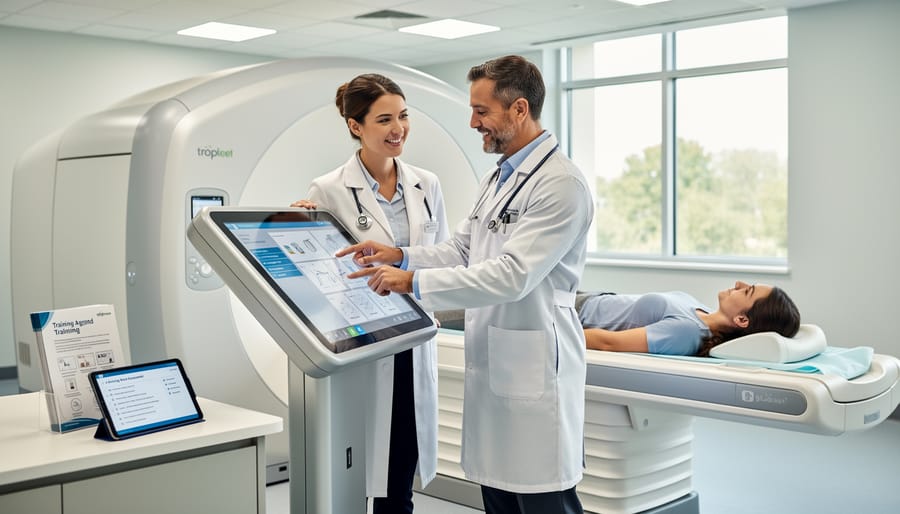
You might wonder why medical imaging sales matter when you’re shopping for camera gear or building a photography business. The imaging industry doesn’t work in silos, technologies and market forces that drive medical equipment development ripple through consumer and professional photography in tangible ways.
Medical imaging pushed the boundaries of sensor technology long before your mirrorless camera benefited from those advances. When diagnostic equipment manufacturers invest billions in improving sensor sensitivity, dynamic range, and low-light performance for CT scanners and digital radiography, that R&D eventually trickles down to the CMOS sensors in your camera body. The same engineering teams often work across multiple imaging applications, and breakthroughs in one sector accelerate innovation in another.
Consider these concrete connections between medical and photography imaging:
- Sensor technology R&D funded by medical markets advances dynamic range and noise reduction for all imaging devices
- Lens optics innovations developed for diagnostic precision improve sharpness and distortion control in camera lenses
- Image processing algorithms created for medical diagnosis enhance the codecs that matter for your photography workflow
- Professional opportunities exist for photographers in medical documentation, scientific imaging, and equipment marketing
- Market health in medical imaging signals broader trends in imaging technology investment and innovation funding
The steady growth in medical imaging equipment, from $48.52 billion in 2025 to $51.23 billion in 2026, indicates robust investment in imaging technology as a category. Companies that manufacture both medical and consumer imaging products allocate R&D budgets based on overall market health. When medical imaging markets thrive, imaging companies have capital to fund the sensor research, lens development, and processing innovations that eventually reach photography products.
Photographers with technical expertise also find career opportunities in medical and scientific imaging. The skills you’ve honed, understanding light, composition, technical precision, and digital marketing translate directly to medical imaging documentation, equipment demonstrations, and visual communication in healthcare settings.
What to Watch: Trends Shaping Imaging Markets Through 2030
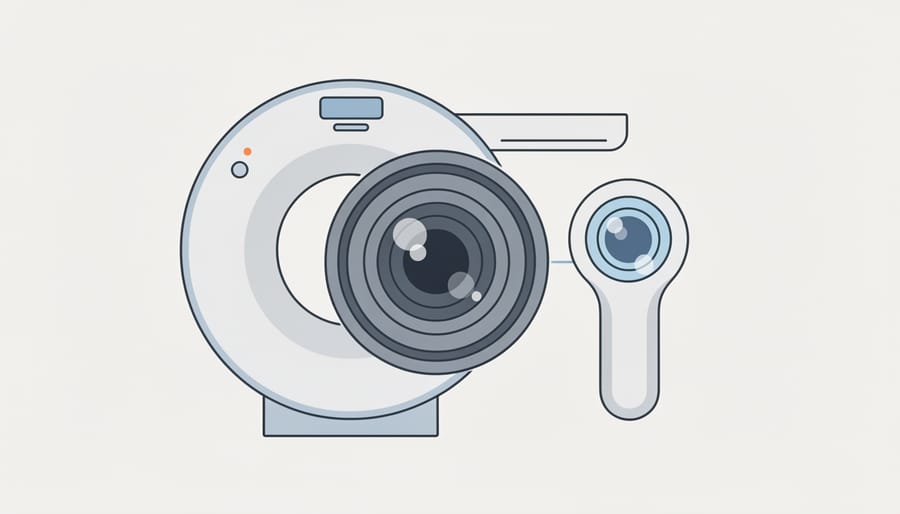
Several underlying forces will shape imaging markets over the next four years, and understanding them helps photographers and imaging professionals anticipate where technology investment flows.
Technology convergence tops the list. As medical imaging equipment advances from $48.52 billion to $51.23 billion globally, expect continued cross-pollination between medical, scientific, and consumer imaging sectors. Sensor development, computational imaging algorithms, and advanced optics innovations rarely stay siloed in one market. What improves diagnostic quality often trickles down to professional cameras within 18-36 months.
Steady growth carries different implications than explosive expansion. The projected 2.6% CAGR in Canada’s diagnostic imaging market signals mature, sustainable demand rather than speculative boom cycles. This pattern tends to produce incremental product refinements and longer replacement cycles instead of frequent disruptive releases. For photographers, it suggests imaging technology will evolve steadily without the volatile product launches that characterized the megapixel race era.
Regional market patterns matter more than aggregate global figures. Canada’s medical imaging revenue climbing from $3,693.6 million in 2024 toward $4,919.1 million by 2030 reflects healthcare infrastructure investment that varies significantly by region. Watch which markets prioritize imaging upgrades; those investments often correlate with broader technology adoption rates that affect camera sales, training demand, and equipment availability.
Market consolidation remains a persistent trend. Customer-centric sales organizations like Pulse ISM position themselves as alternatives to large-scale distributors, but industry consolidation pressure continues. How smaller players differentiate through service and relationships offers lessons for photography retail and professional services facing similar competitive dynamics.
Monitor these trends not as predictors of specific product launches, but as indicators of where imaging science investment concentrates and how markets sustain long-term technology development.
Common Questions About Medical and Photography Imaging Crossover
Here’s how medical and photography imaging sectors intersect, answering common questions about technology transfer, career paths, and market relevance.
How does medical imaging technology influence camera development?
Sensor technology, image processing algorithms, and low-light imaging capabilities often develop in medical contexts before reaching consumer cameras. Innovations in noise reduction, dynamic range expansion, and autofocus systems frequently originate from research aimed at diagnostic precision, then migrate to photography equipment as costs drop and manufacturing scales.
Can photographers transition into medical imaging roles?
Photographers with strong technical backgrounds can move into medical or scientific imaging positions, particularly in documentation, training content creation, or equipment demonstration. The skills overlap includes understanding exposure, sensor behavior, and image quality assessment, though medical imaging requires additional training in regulatory compliance and clinical workflows.
Why should photography professionals pay attention to medical imaging market news?
Medical imaging market health signals broader investment in imaging R&D, which eventually benefits all imaging sectors. When markets like Canada’s grow steadily from $3,693.6 million in 2024 toward $4,919.1 million by 2030, it indicates sustained funding for imaging innovation that photographers will see in future camera technology.
The crossover matters because imaging science doesn’t respect market boundaries. When diagnostic equipment manufacturers refine CMOS sensors for faster readout speeds or develop better color science for accurate tissue representation, those advances become available to camera makers. Understanding where imaging investment flows helps photographers anticipate which technologies will reach their cameras next, whether that’s improved computational photography, better thermal management, or more sophisticated autofocus tracking that borrows from motion detection systems designed for medical applications.
The medical imaging markets profiled here, from the $48.52 billion global equipment sector to Canada’s steady diagnostic imaging growth, demonstrate something photography professionals should recognize: imaging technology is thriving across every application. The 2.6% CAGR projections and consistent revenue expansion aren’t explosive, but they reflect deep, sustained demand for advanced imaging capabilities in healthcare, a pattern that often precedes similar investments in consumer and professional photography equipment.
These markets aren’t isolated. Sensor development, lens design, and image processing advances funded by medical imaging budgets eventually influence what appears in cameras, smartphones, and professional gear. When healthcare providers invest billions in cutting-edge imaging technology, they’re funding research that benefits the entire imaging ecosystem. The same computational photography techniques enhancing diagnostic clarity find their way into portrait retouching algorithms; the same low-light sensor innovations improving MRI visibility show up in mirrorless cameras.
For photographers watching industry trends, medical imaging news matters because the imaging industry operates as a connected network. Growth in one sector signals healthy investment in shared technologies and often precedes shifts in talent, innovation, and market dynamics affecting all imaging professionals. View this update not as distant healthcare news, but as a window into where imaging technology investment is flowing, and where opportunities may emerge across the broader field.




 By
By