 By
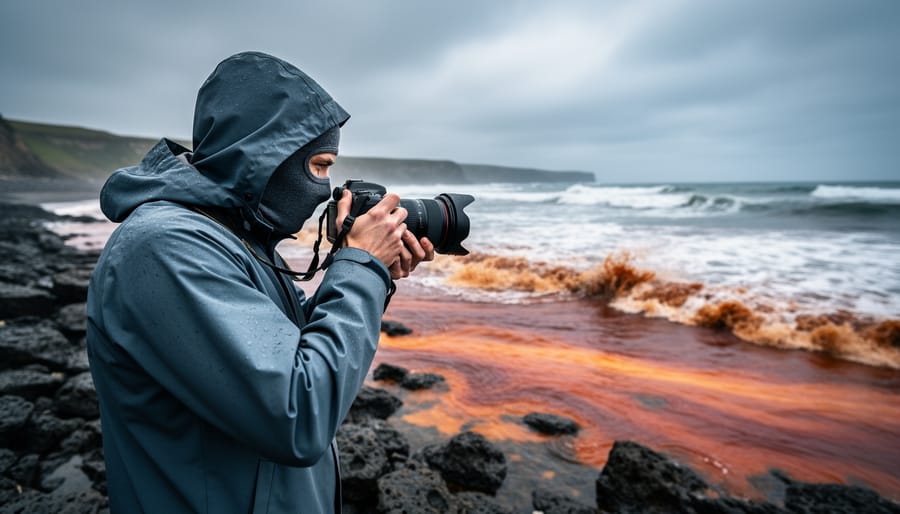
If water shows only slight discoloration and you experience no respiratory symptoms after 10 minutes on-site, brief shooting from shore may be acceptable…
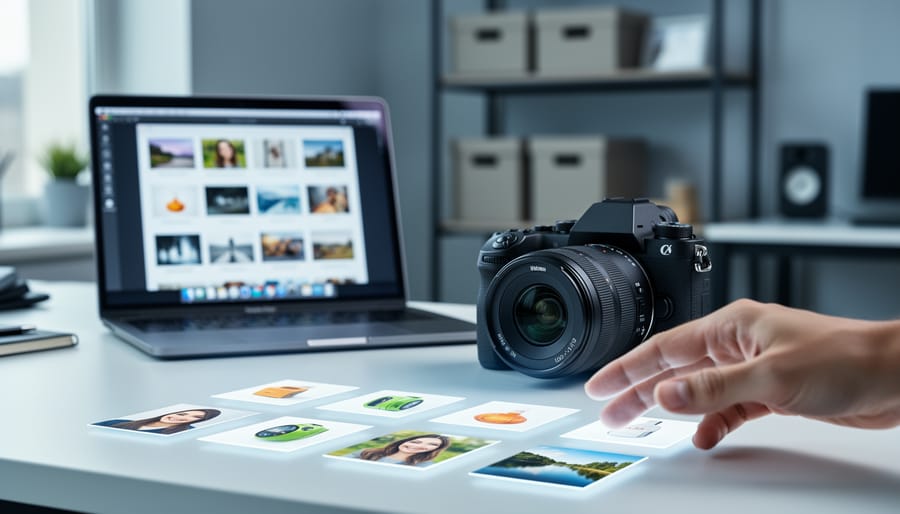
How to Choose AI Photo Tagging Software: A Buying Guide
Modern AI tagging typically achieves 85-95% accuracy for common subjects like people, animals, and landscapes, but performance drops with niche subjects…
What Are Digital Camera Trends (and How Are They Shaping Photography)?
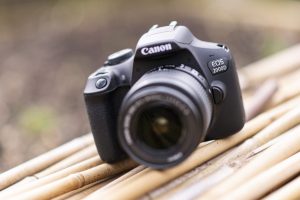
Digital camera trends refer to the emerging technologies, design shifts, and feature innovations that are currently reshaping how cameras are built, marketed, and used by photographers at every level. In 2026, these trends span everything from computational photography and AI-powered autofocus to the ongoing debate between mirrorless and DSLR systems, the rise of integrated content creation tools, and the push toward smaller, lighter bodies without sacrificing image quality.
Understanding these trends matters because the camera market moves fast, and what was cutting-edge two years ago can feel outdated today. Whether you’re …

How to Choose an Eco-Friendly Contact Lens Case: A Buying Guide
Looking for a contact lens case that won’t add to your environmental footprint? The best eco-friendly options in 2026 prioritize biodegradable or recyclable materials, durable construction that extends product life, and transparent manufacturing practices. Unlike conventional plastic cases designed to be replaced every three months, sustainable alternatives use materials like bamboo fiber composites, recycled ocean plastics, or medical-grade silicone that can last years with proper care.
…
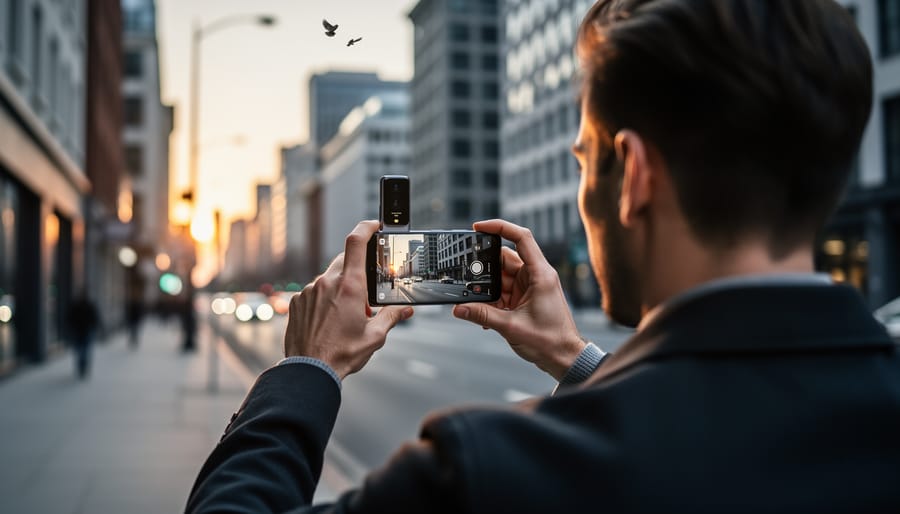
News Smartphones 2026: Periscope Camera Breakthroughs and What to Watch
Mobile photography took a decisive leap forward in 2026 with the widespread adoption of periscope camera systems, transforming how smartphones capture distant subjects. This technology, which uses a prism to bend light at a 90-degree angle and route it through an internal mirror system, allows manufacturers to pack serious optical zoom power into devices that still slip into your pocket. The periscope zoom lens market is growing at 7.7% annually through 2033, and with rumors now circulating about a 160MP periscope sensor in development, we’re witnessing the moment when smartphone telephoto capabilities genuinely rival what dedicated …
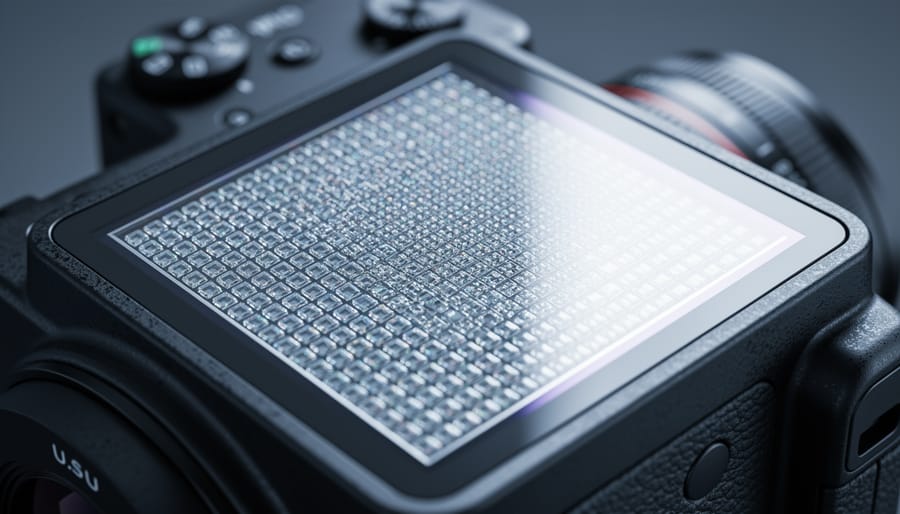
What Is Sensor Imaging (and How Does It Work)?
Sensor imaging is the process by which a camera sensor converts light into a digital photograph. When you press the shutter button, millions of tiny light-sensitive pixels on the sensor capture photons, measure their intensity and color, then translate that information into the digital file you see on your screen. This technology sits at the heart of every digital camera, from your smartphone to professional medium format systems.
Understanding sensor imaging matters because it directly …

How to Use a Print Resolution Calculator to Size Your Photos Perfectly
A print resolution calculator tells you the optimal print size for your digital images by dividing pixel dimensions by your target PPI (pixels per inch). Enter your image’s width and height in pixels, choose a resolution between 150 and 300 PPI depending on viewing distance, and the calculator instantly shows the maximum size you can print without visible quality loss. For most wall prints viewed from three feet away, 180 PPI delivers excellent results. Close-up prints like photobooks need 240-300 PPI.
Key Takeaway: Three numbers determine print quality: your image’s pixel …
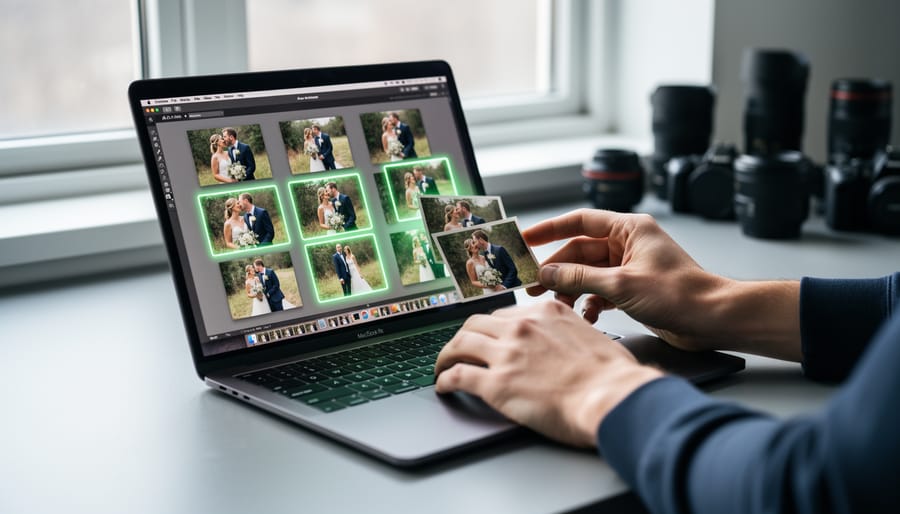
How to Use AI Photo Culling to Sort Your Images in Minutes
AI photo culling uses machine learning algorithms to automatically scan, rate, and sort your images based on technical quality markers like sharpness, exposure, and facial expressions. Instead of spending 8 to 10 hours manually reviewing 3,000 shots from a wedding or event, you can have specialized software pre-sort your library in under an hour, flagging the keepers and filtering out duplicates, blurry frames, and closed eyes. The technology has matured significantly, with leading tools now achieving 85-90% accuracy in matching professional photographers’ own selection criteria.
Key Takeaway:…
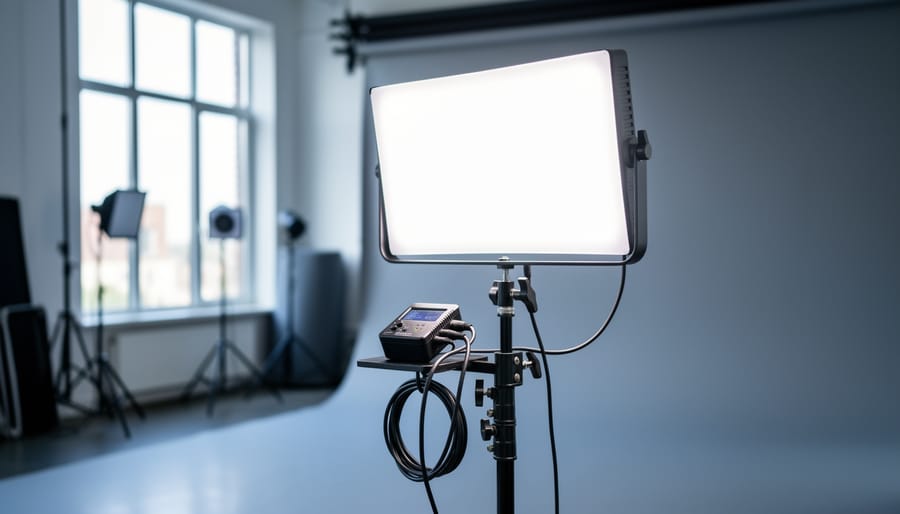
Lighting Industry News Update: What Changed in Canada and What Photographers Should Watch in 2026
The lighting industry is experiencing its most significant shift in decades, driven by smart technology integration, sustainability mandates, and rapid LED innovation that directly impact how photographers light their studios and location shoots. For anyone investing in studio equipment or planning facility upgrades in 2026, three developments stand out: Canada Light Expo returns to Toronto November 18-19 with 100+ brands showcasing cutting-edge solutions, government energy-efficiency initiatives are accelerating the phase-out of legacy tungsten and halogen systems, and connected lighting ecosystems are becoming standard rather than …

What Is a Lithography Studio (and How Does It Work for Photographers)?
A lithography studio is a specialized printmaking facility equipped with large flatbed presses, prepared limestone blocks or aluminum plates, and the chemistry needed to transfer photographic or hand-drawn images onto paper through a grease-and-water process that dates back to 1796 but remains remarkably relevant for contemporary image-makers.
If you’ve mastered digital printing and darkroom techniques but find yourself craving something more tactile, lithography offers a bridge between photography and fine art printmaking. The process translates your photographs into prints with a distinctive surface quality and tonal range …