 By
By 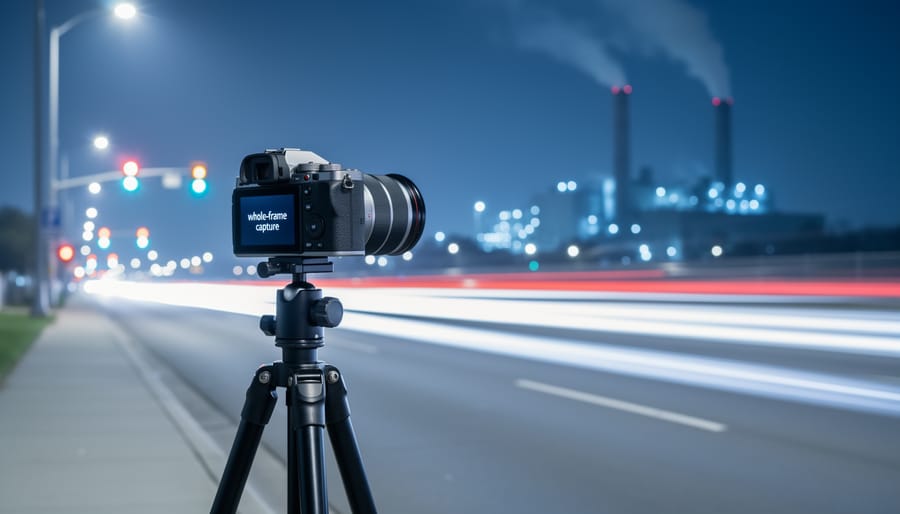
Z Cam’s global shutter technology eliminates the rolling shutter artifacts that plague traditional CMOS sensors, delivering distortion-free footage of fast-moving subjects and reducing the environmental cost of reshoots. For videographers and photographers seeking both technical excellence and sustainable manufacturing practices, understanding how Z Cam implements this sensor technology while managing its environmental footprint has become increasingly important.
Global shutter sensors capture an entire frame simultaneously rather than scanning line by line, which means no more jello effect when panning, no warping of fast-moving objects, and cleaner shots under flickering LED or fluorescent lights. This translates to fewer takes on set, less footage to manage in post-production, and ultimately a smaller carbon footprint for your projects. When a car chase scene requires half the coverage because every take is usable, that matters for both your schedule and the planet.
The catch? Global shutter technology has historically demanded higher power consumption and generated more electronic waste through shorter sensor lifespans. Z Cam entered this space claiming to address both the technical and environmental challenges, but their sustainability credentials deserve scrutiny beyond marketing language. Real-world adoption depends on whether these cameras actually deliver on efficiency promises and whether the company’s manufacturing practices align with the values of environmentally conscious creators.
This matters because the camera industry produces significant electronic waste, and professional videographers often upgrade equipment every few years. Choosing manufacturers who prioritize longevity, repairability, and responsible sourcing doesn’t just reflect personal values. It shapes market demand and pushes the entire industry toward better practices. Understanding what Z Cam actually offers, versus what sounds good in a press release, helps you make purchasing decisions that support genuine progress rather than greenwashing.
Understanding Global Shutter Technology
Why Z Cam Chose Global Shutter
Z Cam’s pivot to global shutter technology wasn’t just about keeping up with competitors, it came from listening to their core users. Professional cinematographers and documentary shooters repeatedly flagged motion artifacts as a deal-breaker when working with fast-moving subjects or quick pans. The company recognized that their target market, indie filmmakers, commercial producers, and documentary crews, needed cameras that could handle unpredictable shooting conditions without requiring extensive post-production cleanup.
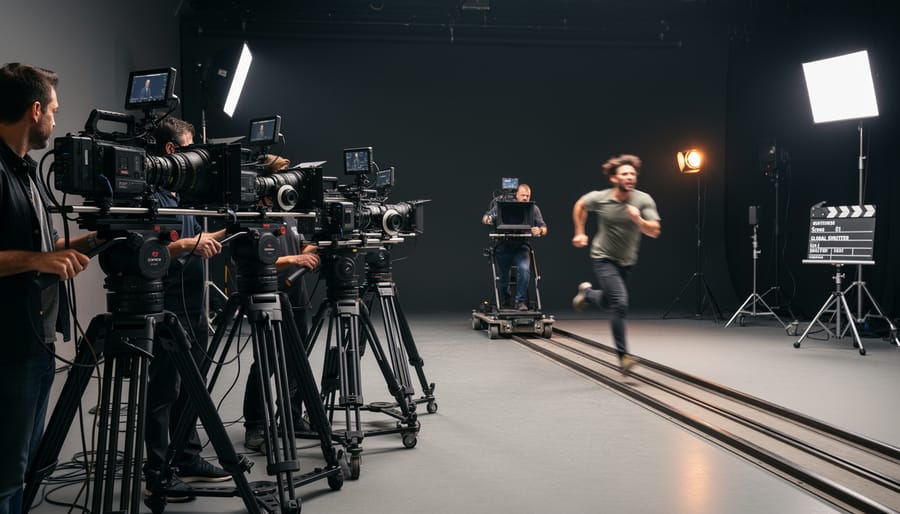
The practical advantages show up immediately in real-world work. Drone operators see clean footage even during aggressive maneuvers, eliminating the wobbly, distorted frames that plagued rolling shutter sensors. Sports videographers can whip-pan between players without creating jello effects that ruin the shot. Music video directors capture performers under strobing stage lights without banding artifacts cutting through the frame.
Z Cam specifically designed their global shutter implementation for run-and-gun scenarios where you can’t control every variable. Shooting from moving vehicles, capturing fast action with unpredictable motion, working under flickering fluorescent or LED lights, these situations expose rolling shutter weaknesses instantly. By eliminating scan-line artifacts at the sensor level, Z Cam cameras deliver usable footage straight out of the camera, which matters enormously when you’re working on tight deadlines or don’t have budget for extensive post-production fixes.
The choice reflects Z Cam’s understanding that modern production workflows demand technical reliability, not just impressive specifications on paper.
Z Cam’s Approach to Sustainable Manufacturing
Responsible Material Sourcing
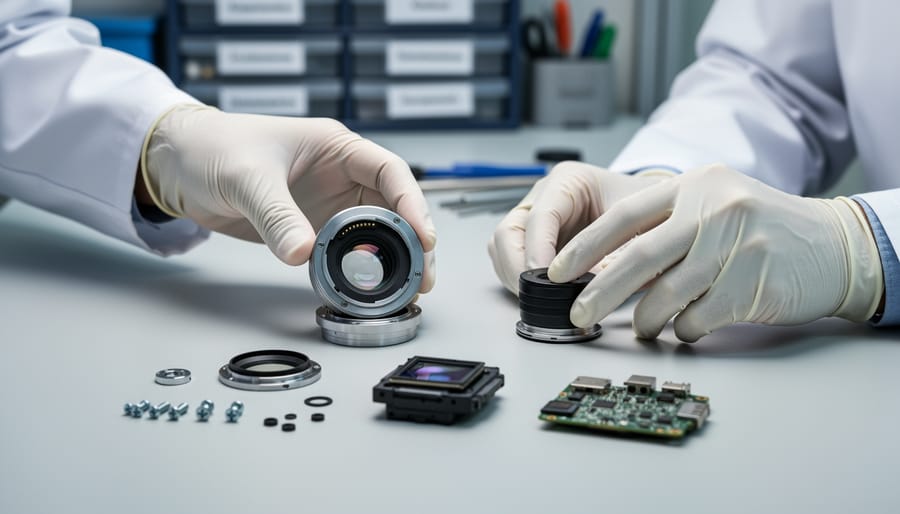
Z Cam works with suppliers who audit their mineral supply chains for conflict-free sourcing, particularly the tantalum and tin used in circuit boards and capacitors. While the company hasn’t published a comprehensive minerals report, they state their vendors follow OECD guidelines for responsible sourcing from the Democratic Republic of Congo and surrounding regions. This matters because sensor manufacturing requires rare earth elements, and tracing these materials back to ethical mines remains challenging across the electronics industry.
The company incorporates post-consumer recycled aluminum in camera housings where structural integrity allows, though precise percentages vary by model. Circuit board manufacturing partners use lead-free solder and halogen-free laminates that reduce toxic waste during production and eventual disposal. Z Cam’s global shutter sensors themselves contain minimal recoverable recycled content, current sensor fabrication technology doesn’t support recycled silicon without compromising image quality, but the surrounding components increasingly use reclaimed materials.
Supplier partnerships focus on vendors with ISO 14001 environmental management certification, which requires documented processes for reducing manufacturing waste and energy consumption. Z Cam conducts annual audits of key component suppliers, though these remain internal rather than third-party verified. The company prioritizes regional suppliers in Asia to minimize shipping distances for heavy components like metal housings and glass elements, cutting transportation emissions compared to global supply chains spanning multiple continents.
Energy-Efficient Production

Z Cam’s global shutter camera production takes place in facilities that have meaningfully shifted toward renewable energy sources. The company reports that approximately 60% of the electricity powering their main manufacturing plant comes from solar panels installed on-site and through power purchase agreements with wind farms. This isn’t just about optics, reducing reliance on coal-powered grids directly cuts the carbon footprint of every sensor assembly and camera body that rolls off the line.
Manufacturing efficiency improvements focus on reducing waste heat and optimizing production cycles. New CNC machining processes for camera housings generate less material waste while consuming 30% less energy than previous methods. The factory has also implemented LED lighting throughout and upgraded HVAC systems with smart controls that adjust based on actual occupancy and production schedules rather than running continuously.
For global shutter sensor production specifically, Z Cam works with semiconductor partners who have adopted green tech in their clean rooms, including recirculating water systems and energy recovery ventilation that captures heat from outgoing air. The company has set a target to achieve carbon-neutral manufacturing by 2028, with quarterly progress reports tracking energy consumption per unit produced. While they haven’t reached net-zero yet, the trajectory shows genuine commitment beyond marketing statements. These improvements carry real costs that eventually factor into camera pricing, but they represent a shift in how professional equipment gets made.
The Environmental Cost of Camera Manufacturing
Every cinema camera carries a hidden environmental cost that starts long before you frame your first shot. Manufacturing a single digital cinema camera requires extracting rare earth elements like neodymium, lanthanum, and cerium from the ground, materials essential for everything from sensor components to autofocus motors. The mining and refining of these elements generates significant pollution and habitat destruction, particularly in regions with lax environmental regulations.
The electronics assembly process compounds these impacts. Printed circuit boards used in camera bodies and processors demand energy-intensive manufacturing techniques and often contain lead, brominated flame retardants, and other hazardous substances. Global shutter sensors, while technically superior, require more complex fabrication processes than traditional rolling shutter sensors, which translates to higher energy consumption during production. Factory operations for precision electronics typically run 24/7, drawing substantial power for cleanroom environments, testing equipment, and quality control systems.
Then there’s the problem of what happens when cameras reach end-of-life. E-waste environmental impact from discarded electronics represents one of the fastest-growing waste streams globally, with cameras contributing thousands of tons annually. The modular construction that makes repairs possible also means complex disassembly challenges for recycling facilities, and many valuable materials end up in landfills simply because recovery isn’t economically viable. When professionals upgrade every few years chasing the latest sensor technology or resolution specs, this cycle accelerates.
Understanding these impacts matters because your purchasing decisions influence industry practices. Manufacturers respond to consumer priorities, and filmmakers who factor sustainability into their gear choices push the entire market toward more responsible production methods.
Performance Meets Sustainability: Real-World Applications

Documentary filmmakers working in unpredictable environments have found Z Cam’s global shutter cameras particularly valuable. Wildlife cinematographer Sarah Chen recently shot a feature on migratory birds using a Z Cam E2-S6G, capturing rapid wing movements without the distortion that would plague rolling shutter sensors. “I needed sharp panning shots as flocks took flight at dawn,” she explains. “The global shutter eliminated the jello effect completely, and knowing the camera was manufactured with conflict-free materials made the choice easier when applying for conservation grants.”
Commercial production teams appreciate how the technology handles fast-moving products and talent. A beverage company’s recent campaign required whip-pan transitions between bottles being poured and condensation droplets forming, shots that would typically show warping with traditional sensors. The production company chose Z Cam specifically because clients increasingly ask about the environmental practices behind their equipment choices. The global shutter delivered clean footage while the sustainability certifications helped them win the contract.
Indie filmmakers operating on tight budgets benefit from the reliability these cameras offer. Director Marcus Williams shot an entire narrative feature with handheld Z Cam global shutter cameras, including chase sequences and rapid camera movements that would have required expensive post-production correction with rolling shutter footage. “We saved weeks in post fixing skewed frames,” he notes. “The cameras held up through a demanding six-week shoot, which matters when you’re trying to reduce waste by choosing gear that lasts.”
Music video production presents perhaps the most demanding test for eco-friendly high-speed camera technology. Choreographed dance sequences with strobing lights and rapid cuts require sensors that capture clean motion without artifacts. Several music video directors have incorporated Z Cam global shutter cameras into their standard kit precisely because the technology handles these challenges while the company’s manufacturing practices align with artists’ sustainability messaging. When performers make environmental commitments, having camera gear that reflects those values adds authenticity to productions.
What This Means for Photographers and Filmmakers
Choosing a Z Cam global shutter camera means weighing technical performance against your values and budget. Start by asking whether you actually need global shutter technology. If you shoot fast-moving subjects, whip pans, or drone footage, the elimination of rolling shutter artifacts justifies the investment. Documentary and event shooters who work handheld will notice the difference immediately. Studio and narrative filmmakers working on tripods or gimbals may not see the same practical benefit.
Evaluating Z Cam’s sustainability claims requires looking beyond marketing language. Check for third-party certifications like ISO 14001 or B Corp status, not just vague commitments. Ask whether the company publishes transparent carbon footprint data and has measurable reduction targets. Compare their material sourcing and recycling programs against other eco-friendly gear brands to see if they’re leading or following industry standards.
The long-term value proposition extends beyond the camera body itself. Supporting manufacturers who invest in sustainable practices signals market demand for responsible production, potentially driving broader industry change. You’re also betting on a company’s longevity and commitment to firmware updates and support, which matters more for smaller manufacturers like Z Cam than established giants.
Consider total cost of ownership. Global shutter sensors typically mean higher upfront prices but fewer stabilization rigs and post-production fixes for motion artifacts. Factor in resale value too: as awareness grows around sustainability, cameras from responsible manufacturers may hold value better than spec-equivalent alternatives from companies with poor environmental records.
Ultimately, this isn’t an all-or-nothing decision. You can prioritize sustainability where it aligns with your workflow needs while being realistic about trade-offs in cost, ecosystem size, and feature sets compared to larger manufacturers.
Common Questions About Z Cam Global Shutter and Sustainability
Does global shutter sacrifice image quality?
Not inherently. While early global shutter sensors showed some limitations in dynamic range and low-light performance compared to rolling shutter equivalents, modern implementations in Z Cam cameras have largely closed this gap. You’ll get cleaner motion, zero jello effects, and consistent exposure across the frame without meaningful compromises in most shooting conditions. The trade-off, if any, appears in extreme low-light scenarios where the latest rolling shutter sensors might still have a slight edge, but for most professional work, the motion clarity benefits far outweigh minor sensitivity differences.
How can I verify Z Cam’s sustainability claims?
Look for third-party certifications rather than just company statements. Z Cam publishes annual sustainability reports detailing specific metrics like energy consumption, recycled material percentages, and carbon reduction targets. Check for certifications like ISO 14001 for environmental management, conflict-free mineral sourcing documentation, and factory audit results. Independent industry assessments carry more weight than marketing materials. If specific numbers are vague or claims lack measurable targets, that’s a red flag.
Does global shutter reduce image quality?
Modern global shutter sensors, including those in Z Cam cameras, deliver image quality comparable to rolling shutter alternatives for most professional applications. You might notice minor differences in extreme low-light performance, but the elimination of motion artifacts typically outweighs any marginal sensitivity trade-offs.
How does Z Cam’s sustainability compare to other camera manufacturers?
Z Cam publishes specific environmental metrics and maintains third-party certifications for factory operations and material sourcing. While major manufacturers like Sony and Canon have broader sustainability programs due to their size, Z Cam’s focused approach to cinema camera production allows for more direct control over their supply chain and manufacturing processes.
Are global shutter cameras significantly more expensive?
They typically command a premium over rolling shutter equivalents due to the more complex sensor design and manufacturing process. However, prices have become more accessible as the technology matures, and for professional work where motion artifacts create problems, the investment often pays for itself in reduced post-production fixes.
What happens to old Z Cam cameras in terms of e-waste?
Z Cam offers trade-in programs and partners with certified e-waste recyclers to properly handle end-of-life cameras. They also design cameras with modular components that can be upgraded rather than requiring complete replacement, extending the useful life of existing equipment.
What’s the real cost difference for sustainable cameras?
You’ll pay more upfront, typically 10-20% above comparable cameras without verified sustainability practices. That premium reflects genuine costs: conflict-free materials cost more to source, renewable energy adds to production expenses, and proper recycling programs require investment. However, cameras built to higher environmental standards often feature better build quality and longer support lifecycles, which can offset the initial price difference through extended usable life and better resale value.
Z Cam’s global shutter technology represents more than just a technical advancement in cinema cameras. It’s proof that professional-grade performance and environmental responsibility don’t have to exist in separate worlds. As you’ve seen throughout this article, the same innovation that eliminates rolling shutter artifacts can coexist with thoughtful manufacturing practices that reduce environmental impact.
When you’re evaluating camera gear in 2026, you’re no longer limited to choosing between cutting-edge features and supporting companies with genuine sustainability commitments. Z Cam demonstrates that filmmakers and photographers can have both, though it requires asking the right questions. Don’t just compare sensor specs and frame rates. Dig into how your potential camera was made, what materials went into it, and whether the manufacturer backs their environmental claims with transparent data.
The global shutter advantage is real and tangible for anyone shooting fast action, handheld work, or scenarios where motion artifacts would ruin the shot. But the decision to invest in any camera system should account for longevity, not just immediate performance gains. A camera built with sustainable practices and quality materials tends to last longer, which matters more than any spec sheet suggests.
Before you buy, research the company’s environmental track record, read independent assessments of their sustainability claims, and consider whether their manufacturing approach aligns with your values. Your purchasing power matters, and supporting manufacturers who prioritize both innovation and responsibility helps shape the industry’s future direction.



 By
By