 By
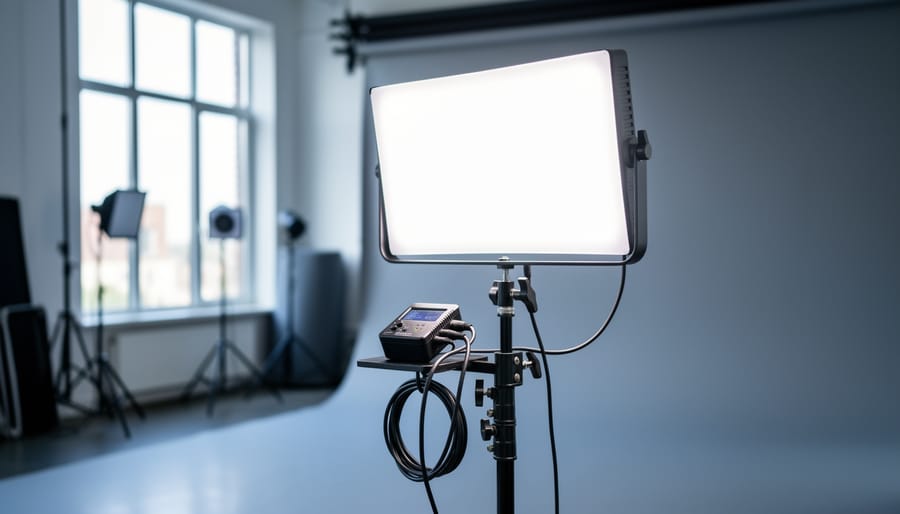
The lighting industry is experiencing its most significant shift in decades, driven by smart technology integration, sustainability mandates, and rapid LED innovation that directly impact how photographers light their studios and location shoots. For anyone investing in studio equipment or planning facility upgrades in 2026, three developments stand out: Canada Light Expo returns to Toronto November 18-19 with 100+ brands showcasing cutting-edge solutions, government energy-efficiency initiatives are accelerating the phase-out of legacy tungsten and halogen systems, and connected lighting ecosystems are becoming standard rather than premium options.
These changes matter because they affect both your immediate purchasing decisions and long-term operational costs. A photographer upgrading studio lights today faces different choices than even two years ago. LED technology has matured to the point where color accuracy rivals traditional continuous sources, while smart controls let you program complex lighting sequences and adjust color temperature wirelessly. Meanwhile, sustainability regulations in Canada and globally are pushing manufacturers toward more efficient designs, which translates to lower power consumption and reduced heat in your shooting space.
The Canadian market is particularly dynamic right now. Energy conservation initiatives are reshaping what products reach shelves, and the focus on operational efficiency aligns perfectly with photographers’ need for reliable, cost-effective lighting solutions. Whether you’re running a commercial studio or building a home setup, understanding these industry currents helps you invest wisely in equipment that will serve you well into the next decade.
What Changed: The Canadian Lighting Industry’s Transformative Shift
The Canadian lighting industry has entered a transformative phase in 2026, fundamentally reshaping what equipment photographers and imaging professionals can buy and how much it costs to run. Three concurrent forces are driving this shift: government initiatives promoting aggressive energy conservation, rising demand for connected smart technologies, and tightening energy-efficiency regulations that are pulling older product lines off the market. This isn’t abstract policy, it directly affects which studio strobes remain available, what location lighting packages consume in battery power, and how manufacturers are pricing their next-generation releases.
For photographers, these changes show up in tangible ways. Retailers are phasing out non-compliant fixtures that can’t meet updated efficiency standards, narrowing selection but pushing better performance per watt. Smart LED solutions, once premium add-ons, are becoming standard features as manufacturers integrate connectivity to meet infrastructure development goals and buyer expectations for workflow automation. Studios running continuous lights will see operational costs drop as high-efficiency models replace older tungsten and fluorescent systems, though upfront investment has climbed. Location shooters benefit from smaller battery packs delivering equivalent output, but need to verify that imported gear carries proper environmental compliance certifications for Canadian use. The imaging industry isn’t exempt from these broader shifts; it’s adapting alongside commercial, architectural, and residential sectors that face the same regulatory pressure and technology evolution.
Key Developments Shaping the Market in 2026
1. Government Initiatives and Energy Conservation Mandates
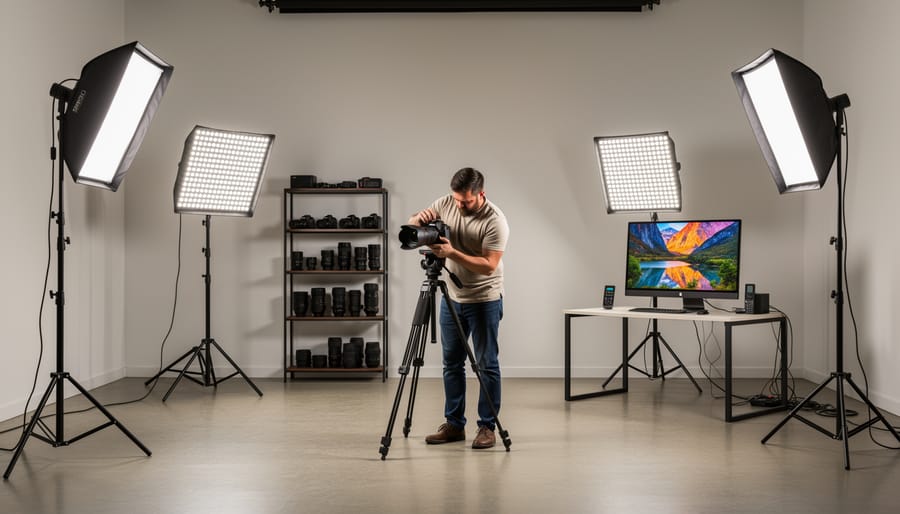
Government initiatives promoting energy conservation are fundamentally reshaping what lighting equipment reaches Canadian studios and location shoots. Federal energy-efficiency regulations standards now mandate minimum performance thresholds for lighting products sold across the country, which means older incandescent and less-efficient LED models are disappearing from retailers while manufacturers rush to certify new designs. For photographers, this translates directly into fewer traditional hot-light options and narrower selection in certain power ranges, especially for budget continuous lighting kits.
The pricing landscape has shifted too. Energy-efficient LED panels and strobes that meet current mandates often carry higher upfront costs because manufacturers build in better heat management, longer-rated lifespans, and compliance testing expenses. Studios planning equipment purchases in 2026 face a trade-off: pay more now for gear that meets tightening standards, or risk buying older inventory that may become unsupported as supply chain changes reduce availability of non-compliant models. Location shooters also need to consider generator and battery capacity differently, since efficient lighting draws less power and extends run time on portable sources, ultimately lowering operating costs even when initial investment climbs higher.
2. Smart Lighting and Connected Technology Adoption
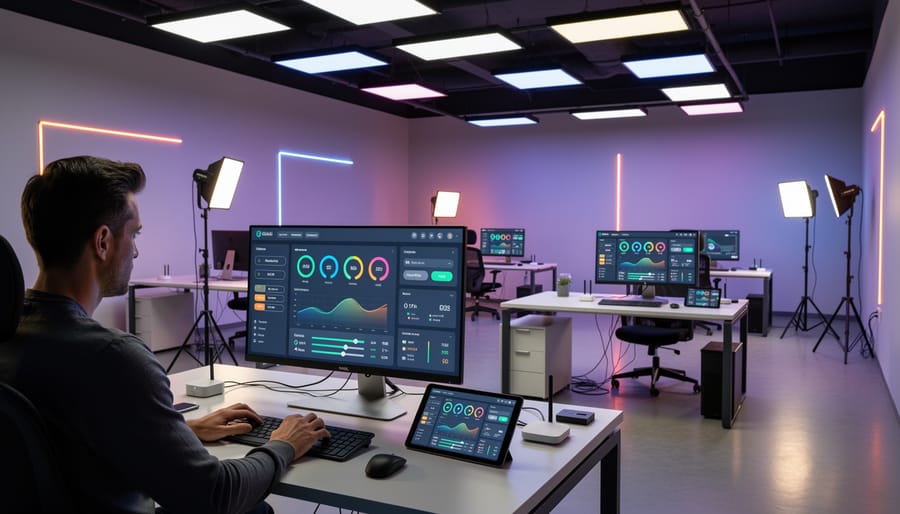
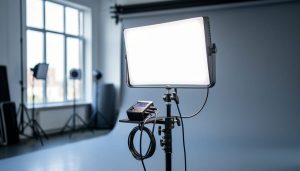
Professional photographers are rapidly adopting smart LED lighting systems that connect to Wi-Fi and Bluetooth networks, transforming how studios control their equipment. These connected solutions allow precise remote adjustment of intensity, color temperature, and output patterns through smartphone apps or central control panels, eliminating the need to physically adjust individual fixtures during complex setups. A portrait photographer shooting in a cramped home studio, for instance, can fine-tune backlighting from the camera position without interrupting the subject’s pose or breaking the shoot’s momentum.
The workflow benefits extend well beyond convenience:
- Remote dimming and power adjustment from anywhere in the studio or on location
- Precise color temperature control across multiple fixtures simultaneously
- Real-time power consumption monitoring to prevent circuit overloads
- Integration with camera trigger systems for synchronized flash-continuous hybrid setups
Smart LED systems also store custom lighting recipes, saving specific configurations for headshots, product shots, or video work, so photographers can recall proven setups instantly rather than rebuilding them from scratch. This matters particularly for commercial shooters juggling multiple clients with different aesthetic requirements throughout a single day. The technology has matured enough that flagship smart lighting kits now offer reliable wireless control at ranges exceeding 30 meters, making them practical even for large event spaces and outdoor location work where traditional wired dimmers prove impractical.
3. Human-Centric Lighting and Productivity Trends
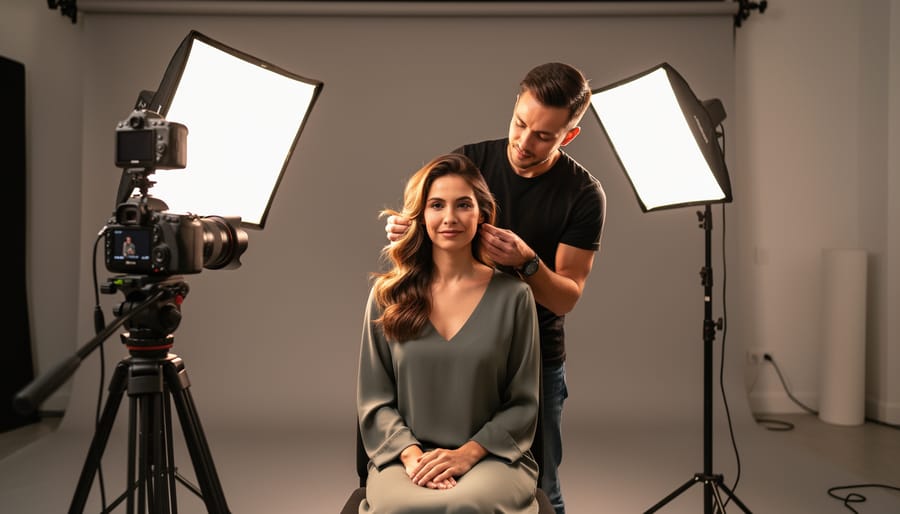
Human-centric lighting, systems designed to mimic natural daylight patterns and support circadian rhythms, has moved from corporate wellness buzzword to practical studio consideration. These tunable LED systems adjust colour temperature and intensity throughout the day to reduce eye strain, maintain alertness, and improve mood during long shooting sessions. For photographers spending eight-hour days in windowless studios, human-centric lighting benefits translate directly to sustained concentration and fewer headaches by session end.
The commercial photography opportunity lies in marketing studio spaces as wellness-optimised environments. Corporate clients increasingly request shooting locations that demonstrate employee wellbeing commitments, making human-centric lighting a competitive differentiator when bidding for extended product shoots or executive portrait sessions. Portrait photographers can also leverage adjustable colour temperatures to create flattering ambient environments that put subjects at ease before the first frame.
Implementation starts with controllable LED panels rated for continuous spectrum adjustment between 2700K and 6500K. Installation costs run higher than static fixtures, but studios report booking premium rates for sessions marketed as “daylight-optimised workspace photography”, particularly for architectural interiors and lifestyle commercial work where authentic natural light rendering matters to the final deliverable.
4. Canada Light Expo Returns to Toronto November 18-19, 2026
The Canada Light Expo returns to Toronto this November 18-19, bringing together over 100 brands showcasing cutting-edge lighting solutions and industry innovations under one roof. For photographers evaluating studio upgrades or keeping pace with technological shifts, this event offers hands-on access to the latest LED systems, smart lighting controls, and energy-efficient fixtures before making purchasing commitments.
Attending or following coverage from the expo matters because you’ll see how sustainability regulations and smart technology adoption are translating into actual products hitting the Canadian market. Manufacturers will demonstrate how their newest offerings address energy-efficiency mandates while delivering the color accuracy, power output, and control flexibility imaging professionals require. Whether you’re comparing strobes for a commercial studio build or evaluating continuous lighting for video work, the expo provides side-by-side comparisons and direct conversations with technical representatives who understand photography-specific requirements. Even if you can’t attend in person, following post-event coverage helps you understand which technologies are becoming standard and which represent genuine workflow improvements worth the investment.
Why This Matters for Photographers and Imaging Professionals
These shifts in Canada’s lighting landscape translate directly into three practical areas for photographers: what you spend, how efficiently you work, and when to upgrade your gear.
Start with your operating costs. Energy-efficient LED studio lighting cuts electricity bills by 40-60% compared to traditional tungsten or HMI fixtures, which means measurable savings if you run a commercial studio or shoot regularly in rented spaces. Over a year, switching a three-light setup to modern LEDs can save several hundred dollars in power costs alone, freeing budget for lenses or post-production software. Lower heat output also reduces air conditioning expenses during summer sessions, a secondary cost saving most photographers overlook until they feel the difference.
Smart lighting systems improve workflow in ways that matter when you’re shooting on deadline. Remote control via smartphone or tablet lets you adjust intensity, colour temperature, and light placement from camera position without walking back and forth across the studio. Programmable presets mean you can recall exact lighting ratios for recurring clients in seconds rather than rebuilding setups from scratch. For location work, battery-powered smart LEDs with wireless control give you studio-level precision outdoors or in spaces without reliable power access.
The digital marketing impact on camera purchasing applies equally to lighting decisions. Manufacturers are pushing connectivity features heavily, but you need to assess whether Bluetooth control actually solves a problem in your shooting style or just adds complexity you won’t use. Evaluate energy-efficiency claims against real-world runtime specifications and confirm compatibility with your existing modifiers before committing to a new system.
When upgrading, prioritize fixtures with CRI ratings above 95 and consistent output across the colour temperature range you shoot most. The industry shift toward standardization means replacement parts and accessories will become easier to find for popular smart LED platforms, making them safer long-term investments than proprietary systems.
What to Watch: Industry Trends Through 2026 and Beyond
The Canadian lighting market won’t stand still. Several trends will reshape what photographers can buy and how they’ll power their shoots over the next 18 months.
Watch for manufacturers to integrate lighting control with photography workflow codecs and camera communication protocols. Brands are exploring direct sync between lighting systems and camera bodies, reducing the need for separate triggers and controllers. This tighter integration promises faster setups and fewer points of failure during critical shoots.
Track these specific developments through 2026:
- LED efficiency improvements pushing output-per-watt ratios beyond current benchmarks
- Wireless control standards consolidating around fewer competing protocols
- Battery technology advances extending runtime for location lights
- Compatibility bridges between legacy strobes and emerging camera communication systems
Sustainability certifications will multiply. Energy Star ratings already appear on studio lights, but expect to see additional labels covering full lifecycle environmental impact, repairability scores, and material sourcing transparency. These certifications will influence purchasing decisions as studios seek equipment that meets both client sustainability requirements and operational cost targets.
Pricing structures will shift as efficiency regulations tighten. Entry-level LED fixtures may see modest increases as manufacturers meet stricter standards, while higher-output professional systems could drop in price as production scales. The gap between budget and professional lighting will narrow in performance while widening in build quality and feature depth.
Keep an eye on patent images updates from major manufacturers. Filings often reveal upcoming technologies 12 to 18 months before product announcements, giving early insight into where brands are investing development resources.
Common Questions About the Changing Lighting Landscape
The shift toward energy-efficient, smart lighting technology raises immediate questions for photographers evaluating new gear or upgrading existing setups. Here’s what you need to know to make informed decisions in the current market.
Should I upgrade my studio lighting now or wait for newer technology?
If your current gear meets your needs, there’s no urgent reason to upgrade just for technology’s sake. However, if you’re already planning an equipment refresh, now is a good time since 2026 models incorporate efficiency improvements that will reduce your operating costs immediately and future-proof your investment as regulations tighten.
What do energy-efficiency ratings actually mean for my power bill?
Higher-efficiency LED lighting typically uses 40-60% less power than older technologies to produce equivalent light output. For a photographer running a studio full-time, this translates to noticeable monthly savings, with the equipment often paying for itself through reduced electricity costs within two to three years of regular use.
Are smart lighting systems worth the premium for a small studio?
The value depends on your workflow. If you shoot alone and frequently adjust multiple lights, remote control and preset scenes save significant time. For simpler setups or shared spaces where multiple photographers need straightforward operation, standard adjustable LEDs may serve you better without the added complexity and cost.
How do Canadian regulations affect imported lighting gear I’m considering?
Energy-efficiency standards in Canada increasingly align with sustainability goals, meaning some imported gear may not meet certification requirements for sale or use in commercial settings. Verify that equipment carries proper Canadian certification marks, and buy from established retailers who ensure compliance rather than importing directly from overseas markets where standards may differ.
When evaluating new lighting purchases, focus on your actual shooting needs rather than chasing every technological advancement. Energy-efficient gear makes financial sense if you run lights frequently, but photographers working occasional weekend sessions may not recoup the premium through electricity savings alone. Smart features add genuine workflow value when you shoot solo or need repeatable lighting setups, but they introduce complexity that may not suit every working style.
The Canada Light Expo in Toronto this November offers a chance to see and compare new lighting technologies firsthand, helping you make purchasing decisions based on hands-on experience rather than marketing claims alone.




 By