
Your Camera Might Be Watching You: What Photographers Need to Know About Diagnostic Imaging Devices

Close-up of a professional mirrorless camera with a cable plugged into a side port; lens reflecting a faint human silhouette, cool dramatic side lighting, and a softly blurred background showing router lights and a coiled ethernet cable, suggesting cybersecurity vulnerabilities.

Your camera’s WiFi connection, that convenient cloud backup feature, and even the firmware running your DSLR could be exposing your work to unauthorized access right now. Diagnostic imaging devices—a term that encompasses everything from medical scanners to the sophisticated sensors in your professional camera equipment—face mounting security vulnerabilities that most photographers never consider until it’s too late.

When a ransomware attack shut down a major photography studio’s entire digital workflow in 2022, investigators traced the breach to an unsecured diagnostic port on a high-end medium format camera system. The studio lost three weeks of client work and faced potential lawsuits over compromised wedding photos that had leaked online. This wasn’t an isolated incident. Security researchers have identified exploitable weaknesses in camera firmware, wireless transfer protocols, and even the diagnostic software manufacturers use for equipment maintenance.

The photography industry has inherited many technologies from medical and scientific imaging fields, where diagnostic imaging devices have become prime targets for cyberattacks. The same digital sensors, processing algorithms, and connectivity features that make modern cameras incredibly powerful also create entry points for malicious actors. Your camera communicates constantly—with memory cards, computers, smartphones, and cloud services—and each connection represents a potential vulnerability.

Most photographers focus on protecting their computers and storage drives while overlooking their camera equipment itself. Yet modern cameras contain sophisticated computers with their own operating systems, often running outdated or unpatched software. These devices store valuable intellectual property, client information embedded in metadata, and location data that could compromise both your work and privacy.

Understanding these risks doesn’t require a degree in cybersecurity. By recognizing how diagnostic imaging technology in your cameras creates security exposure and implementing straightforward protective measures, you can safeguard your equipment, your creative work, and your professional reputation. The solution starts with awareness and continues with practical, actionable steps that fit seamlessly into your existing workflow.

What Are Diagnostic Imaging Devices (And Why Photographers Should Care)

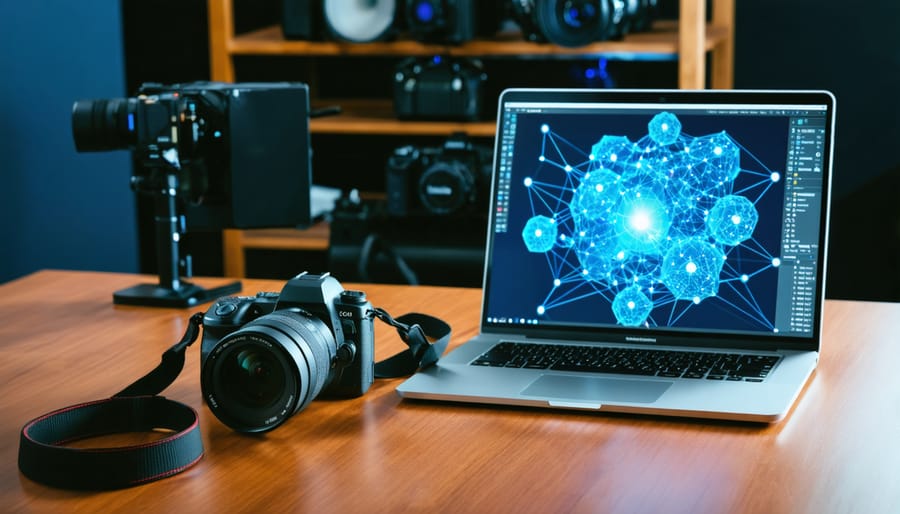
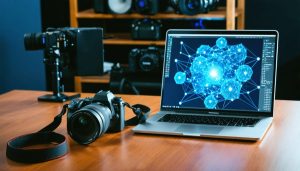
Wireless-enabled camera on desk with glowing screen showing network connectivity
Modern cameras with built-in WiFi and cloud connectivity create network vulnerabilities that many photographers don’t realize exist.

The Overlap Between Medical and Consumer Imaging Technology

You might be surprised to learn that your mirrorless camera has more in common with an MRI machine than you’d think. Both rely on sophisticated image sensors, advanced processing chips, and increasingly, wireless connectivity to function. This technological overlap means that security vulnerabilities affecting one industry often impact the other.

Consider the image sensors themselves. Whether capturing X-rays in a hospital or light in your camera body, these sensors convert physical information into digital data using similar underlying principles. The medical imaging technology sector has pioneered many innovations in sensor design that eventually trickle down to consumer photography equipment, from improved noise reduction to enhanced dynamic range capabilities.

Then there’s artificial intelligence. Modern cameras use AI for subject tracking, scene recognition, and image enhancement, while diagnostic equipment employs similar algorithms to identify anomalies in scans. Both process sensitive data that could be intercepted if not properly secured. The wireless connectivity features we love in our cameras, allowing instant image transfer to our phones or cloud storage, mirror the networked systems hospitals use to share diagnostic images between departments.

The healthcare industry has learned hard lessons about cybersecurity, often through costly data breaches involving medical imaging systems. These same vulnerabilities exist in photography equipment because they share fundamental technologies. When a hospital’s imaging devices get compromised, it’s usually through outdated firmware, weak passwords, or unsecured wireless connections. Sound familiar? Those are the same weak points in your camera setup that need attention.

Your Camera’s Hidden Diagnostic Features

Your camera is doing far more behind the scenes than you might realize. Beyond capturing images, modern cameras function as sophisticated diagnostic devices, quietly monitoring, analyzing, and transmitting data about their operation and your shooting habits.

Most photographers discover firmware updates when prompted by their camera manufacturer, but few consider what data gets exchanged during these connections. When you connect your camera to Wi-Fi or use a companion app, you’re often enabling automatic cloud backups, GPS location tagging, and usage analytics that manufacturers collect to improve their products—or to understand consumer behavior.

Here’s what’s typically active in your camera: GPS modules record exactly where each photo was taken, creating a detailed map of your movements. Cloud connectivity features may automatically sync your images and shooting metadata to manufacturer servers. Usage analytics track which features you use most frequently, your shooting patterns, and even which settings combinations produce the most keeper images.

Many cameras also maintain diagnostic logs that record error messages, battery performance, shutter actuations, and sensor temperature fluctuations. While this information helps technicians during repairs, it also creates a comprehensive profile of your equipment usage.

The real surprise? Much of this happens by default. During initial setup, those quick-tap agreements you breezed through likely enabled multiple diagnostic features. Checking your camera’s connectivity settings and reviewing which automatic features are active gives you control over what data your camera collects and shares.

The Real Security Risks Hiding in Your Gear

When Your Camera Becomes a Gateway

Your camera might do more than capture images—it could inadvertently open the door to your entire digital workspace. When WiFi-enabled cameras and networked studio equipment get compromised, they often serve as stepping stones for attackers looking to access broader systems.

Here’s how it typically happens: many modern cameras connect to home or studio networks for seamless file transfer and remote shooting capabilities. If these devices lack proper security protocols or use default passwords, they become vulnerable entry points. Once hackers gain access to a camera, they can potentially pivot to other devices on the same network—your computer, external drives, cloud storage, or client databases.

A notable real-world example occurred in 2019 when security researchers discovered vulnerabilities in several popular camera brands’ WiFi implementations. These flaws allowed unauthorized users to connect to cameras, potentially accessing not just photos but the entire network infrastructure. Studio photographers faced particular risks, as their setups often include multiple networked cameras, lighting systems controlled by WiFi, and computers containing sensitive client information.

The threat extends beyond file theft. Compromised cameras can be recruited into botnets—networks of infected devices used for large-scale cyberattacks. Your innocent camera could unknowingly participate in attacking other systems while you’re focused on your next shoot.

Professional photographers using tethered shooting setups or automated backup systems need to be especially vigilant. Each connected device represents a potential vulnerability that requires proper security measures to protect both your creative work and your professional reputation.

Location Data and the Stalking Problem

Modern cameras and smartphones automatically embed GPS coordinates into your photos’ metadata, creating an invisible trail of your movements. While this feature helps organize your photo library by location, it can inadvertently reveal sensitive information about where you live, work, and spend your time. When you share these images online, anyone with basic technical knowledge can extract this data and piece together your routines.

The stalking risk becomes particularly serious for certain photography professionals. Photojournalists covering sensitive stories have found themselves tracked through their published images, compromising both their safety and that of their sources. Wildlife photographers working in protected areas have unwittingly revealed the exact locations of endangered species, leading to poaching incidents. In one documented case, a nature photographer’s images helped illegal hunters locate a rare bird nesting site within days of publication.

Even hobbyist photographers face risks. A pattern of photos taken from the same location at similar times can reveal your home address and daily schedule. Imagine posting sunset photos from your balcony every evening, each one stamped with precise coordinates and timestamps. You’re essentially creating a roadmap for anyone with malicious intent.

The solution is straightforward but requires diligence. Before sharing any images publicly, strip the location data from your files using photo editing software or dedicated metadata removal tools. Most social media platforms automatically remove this information, but relying solely on their protection isn’t advisable. For sensitive work, consider disabling GPS tagging entirely in your camera settings.

Cloud Storage and Unauthorized Access

Modern cameras with built-in Wi-Fi and automatic cloud backup features offer incredible convenience, but they also introduce serious security vulnerabilities that many photographers don’t consider until it’s too late. When you enable automatic uploads to cloud storage services, you’re essentially creating a direct pipeline from your camera to the internet—and if that pipeline isn’t properly secured, you’re inviting trouble.

The most common weakness? Default encryption settings. Many imaging devices ship with weak or no encryption enabled on their cloud connections. This means your photos travel across the internet in a format that skilled hackers can intercept and read. In 2019, a wedding photographer discovered that hundreds of client photos had been accessed through her compromised cloud account after she relied solely on her camera’s default settings without implementing additional password protection.

Another real-world incident involved a nature photographer whose entire portfolio was leaked when attackers exploited vulnerabilities in his camera manufacturer’s cloud platform. The breach occurred because the platform used outdated security protocols that hadn’t been patched in over two years. The photographer lost exclusive rights to several images that were subsequently published without permission.

To protect yourself, always change default passwords on any cloud-connected device, enable two-factor authentication on all cloud storage accounts, and regularly review which devices have access to your cloud storage. Consider disabling automatic uploads for sensitive work and instead manually transfer files through secure, encrypted connections. Remember, convenience shouldn’t come at the cost of your creative work’s security.

Privacy Concerns Every Photographer Faces

Client Confidentiality in Professional Settings

When you’re managing client photos, you’re not just handling digital files—you’re safeguarding personal memories, identities, and sometimes sensitive information. Just as medical facilities must protect patient scans and X-rays under strict regulations, photographers have a professional and legal obligation to secure client images from unauthorized access.

If you’re working in the European Union or with EU clients, the General Data Protection Regulation (GDPR) applies to you. This means wedding photos showing identifiable guests, portrait sessions capturing biometric data (yes, facial features count), and even commercial shoots featuring employees all fall under privacy protection requirements. You need explicit consent to process these images, and you must demonstrate how you’re keeping them secure.

Here’s a practical example: Let’s say you’re a wedding photographer who stores unedited ceremony photos on a laptop you occasionally use at coffee shops. If that device lacks encryption and someone accesses those images without authorization, you could face significant fines—not to mention losing your clients’ trust forever.

Implement these straightforward protections: Use strong, unique passwords for all devices and cloud storage accounts. Enable two-factor authentication wherever available. Encrypt hard drives containing client work, especially on portable devices. When transferring files to clients, use secure delivery methods rather than unencrypted email attachments. Establish clear retention policies—don’t keep client images indefinitely unless you have written permission.

Remember, protecting client confidentiality isn’t just about avoiding legal trouble. It’s about building a reputation as a trustworthy professional who respects the intimate moments people have invited you to capture.

Camera screen displaying GPS location data and metadata information
GPS metadata and location data embedded in photos can reveal sensitive information about where images were captured.

Protecting Your Creative Work

When your camera automatically syncs images to manufacturer clouds or photo-sharing platforms, you’re entering murky territory regarding who actually owns your creative work. Many photographers discover too late that convenient auto-upload features come with strings attached.

Consider what happened to landscape photographer Maria Chen. After uploading her mountain sunrise portfolio through her camera’s built-in wireless feature, she found her images appearing in the manufacturer’s marketing materials without compensation. The culprit? Buried deep in the terms of service was language granting the platform a “worldwide, royalty-free license” to use uploaded content.

Before enabling automatic uploads, carefully review the platform’s rights policies. Look for phrases like “perpetual license,” “sublicense rights,” or “promotional use.” These terms might allow companies to use your photos indefinitely, even selling access to third parties or training artificial intelligence systems with your work.

Protect yourself by disabling automatic uploads for professional or commercial shoots. When cloud storage is necessary, use platforms specifically designed for professional photographers that explicitly protect creator rights. Services like Dropbox or dedicated photography platforms typically offer better intellectual property protections than manufacturer clouds.

For images you do upload, consider adding visible watermarks or using lower-resolution versions. Keep high-resolution originals stored locally on encrypted drives. Remember, once an image leaves your device through automatic upload, you’ve potentially surrendered some control over how it’s used, regardless of copyright law protections you technically retain.

The Metadata You Didn’t Know You Were Sharing

Every time you press the shutter, your camera quietly writes a digital diary entry alongside your image. Beyond GPS coordinates, modern cameras embed extensive metadata called EXIF data that includes your exact camera model, lens type, serial number, firmware version, shooting settings like aperture and ISO, and even the number of times your shutter has fired. Think of it as a fingerprint for both you and your equipment.

Here’s why this matters: That serial number can link every photo you’ve ever shared online back to a single camera body. Professional photographers have discovered their techniques reverse-engineered by competitors who analyzed their EXIF settings. Equipment thieves have used serial numbers from posted images to identify high-value gear before targeting photographers. In one notable case, a wildlife photographer’s location patterns were mapped over months using timestamp and settings data, leading to the theft of equipment worth tens of thousands of dollars.

The software version information presents another risk. Outdated firmware versions visible in metadata can signal to hackers which vulnerabilities your camera might have, similar to how cybercriminals target computers running old operating systems.

Practical Steps to Secure Your Imaging Equipment

Quick Wins: Security Fixes You Can Implement Today

The good news? You don’t need to be a cybersecurity expert to significantly improve your camera’s security posture. Here are some straightforward actions you can take right now to protect your imaging devices and the photos you’ve worked so hard to capture.

Start with the low-hanging fruit: disable WiFi and Bluetooth when you’re not actively transferring images. Think of it like locking your car doors—simple, but effective. On most Canon models, navigate to the wrench menu, find “Wireless communication settings,” and toggle to “Disable.” For Nikon users, it’s typically under “Connect to smart device” in the setup menu where you can turn off wireless features. Sony shooters should look under “Network” settings and select “Airplane Mode” to shut down all wireless radios at once.

Next up: those factory default passwords must go. If your camera came with credentials like “admin/admin” or “12345678,” you’re essentially leaving the front door wide open. Access your camera’s network settings through its menu system or companion app, find the authentication or password section, and create a strong, unique password. Mix uppercase and lowercase letters with numbers and symbols—something like “BlueSky47!Sunset” is memorable but secure.

GPS functionality deserves special attention, particularly if you photograph sensitive locations or simply value your privacy. Embedded location data can reveal where you live, work, or frequently shoot. Most cameras allow you to disable geotagging in the shooting menu under location information settings. If you need GPS occasionally, enable it selectively rather than leaving it on permanently.

Finally, audit the permissions granted to your camera’s companion apps. Do they really need access to your contacts, microphone, or entire photo library? Review app permissions in your smartphone settings and revoke anything that seems excessive. This limits potential data exposure if the app itself becomes compromised.

Photographer's hands navigating camera security settings menu
Taking control of your camera’s wireless settings and permissions is the first step in securing your photography equipment.

Advanced Protection for Professional Workflows

If you’re running a professional photography business or managing a busy studio workflow, your security needs go beyond basic password protection. Think of your imaging setup like a professional medical facility—those diagnostic imaging devices we mentioned earlier use sophisticated network architecture to protect patient data, and you can apply similar principles to safeguard your valuable work.

Network segmentation is your first line of defense in a studio environment. Rather than connecting all your cameras, computers, and storage devices to a single network, create separate zones for different functions. For example, keep your client-facing WiFi completely separate from the network handling your camera-to-computer tethering and file transfers. This way, if a client’s device happens to be compromised, your actual image library remains isolated and protected. It’s like having different rooms with locked doors instead of one open warehouse.

When you’re shooting on location and need to transfer files back to your studio, VPNs become essential. I learned this the hard way after uploading wedding photos through a hotel’s public WiFi—while nothing catastrophic happened, the thought of those unencrypted RAW files floating through cyberspace still makes me cringe. A quality VPN encrypts your data during transmission, making it unreadable to anyone intercepting the connection.

Storage security deserves equal attention. Encrypted storage solutions ensure that even if someone physically steals your hard drives, your images remain locked away. Many professional NAS systems now offer built-in encryption without significantly impacting performance.

Finally, don’t overlook firmware security verification. Always download camera and device firmware directly from manufacturer websites, and verify digital signatures when available to confirm authenticity.

Professional photography studio workstation with secure network equipment and encrypted storage
Professional photographers working with sensitive client data implement secure network configurations and encrypted storage solutions.

Modern photography means embracing the reality that your camera is no longer just a light-capturing tool—it’s a connected device that deserves the same security attention you give your smartphone or laptop. Whether you’re shooting a wedding, documenting wildlife, or pursuing photography as a passion, understanding these vulnerabilities isn’t about fear-mongering; it’s about professional competence in today’s digital landscape.

The good news? Protecting your equipment doesn’t require a degree in cybersecurity. Simple practices like changing default passwords, keeping firmware updated, and being mindful of which networks you join can dramatically reduce your risk. Think of it as part of your regular gear maintenance, right alongside cleaning your lenses and organizing your memory cards.

Stay informed by following trusted resources that track emerging threats and solutions in imaging technology. The photography community benefits when we share knowledge about these evolving challenges, turning individual awareness into collective protection.

Ultimately, security-conscious photography isn’t about sacrificing convenience—it’s about making informed choices that protect your creative work, your clients’ privacy, and your professional reputation. By treating your imaging devices as the sophisticated computers they truly are, you’re not just protecting equipment; you’re safeguarding the trust that makes your photography career possible.

Leave a Reply

Your email address will not be published. Required fields are marked *