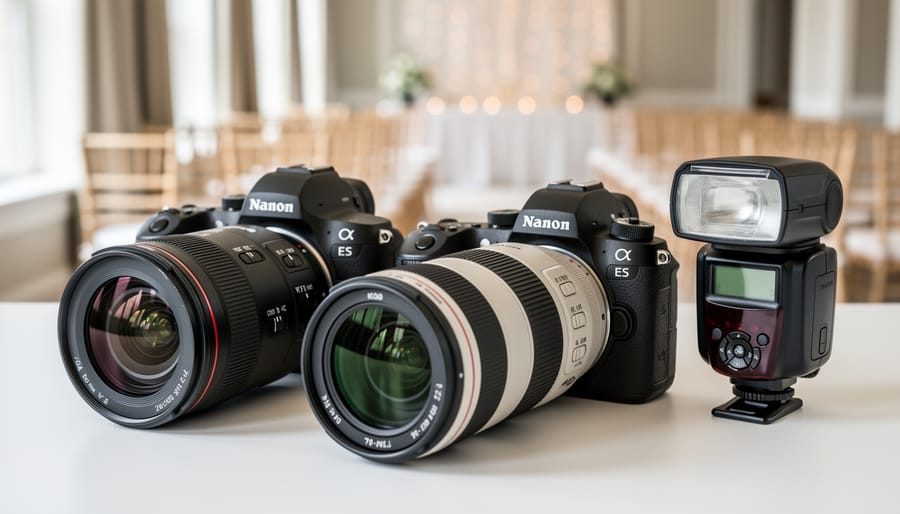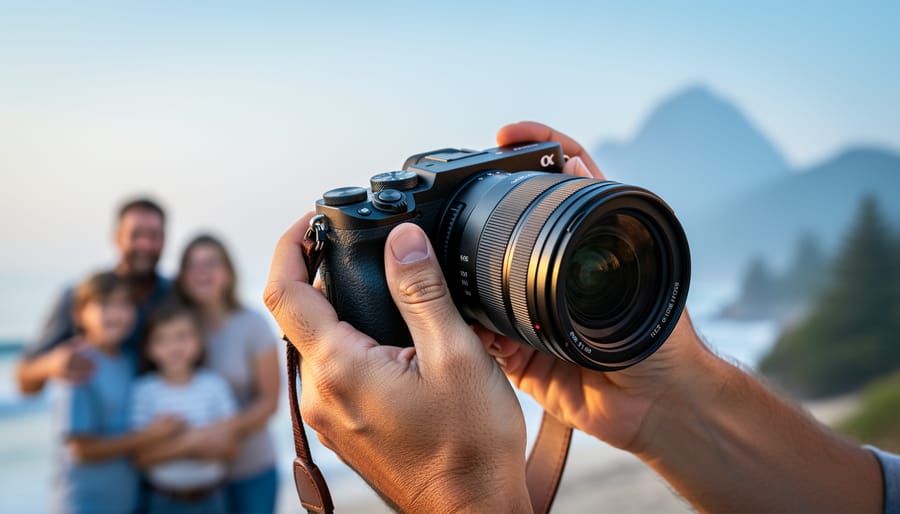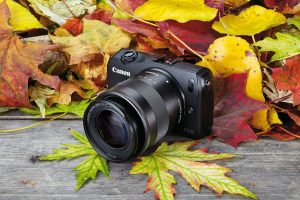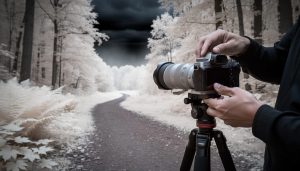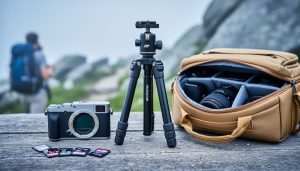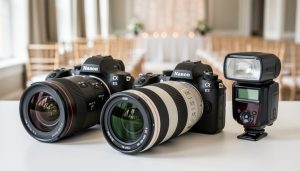
Pack a 35mm for street scenes and environmental portraits, a 50mm as your versatile workhorse for everyday moments, and an 85mm for compelling portraits and compressed perspectives. This three-lens combination covers roughly 90% of travel photography scenarios while keeping your bag light enough to actually enjoy your trip.
The case for traveling with three prime lenses instead of zooms comes down to a simple equation: better image quality and wider apertures versus convenience. Prime lenses force you to move with your feet, which often leads to more thoughtful compositions and better images. They’re typically sharper, faster …
How to Pick an Action Camera That Actually Survives Your Adventures
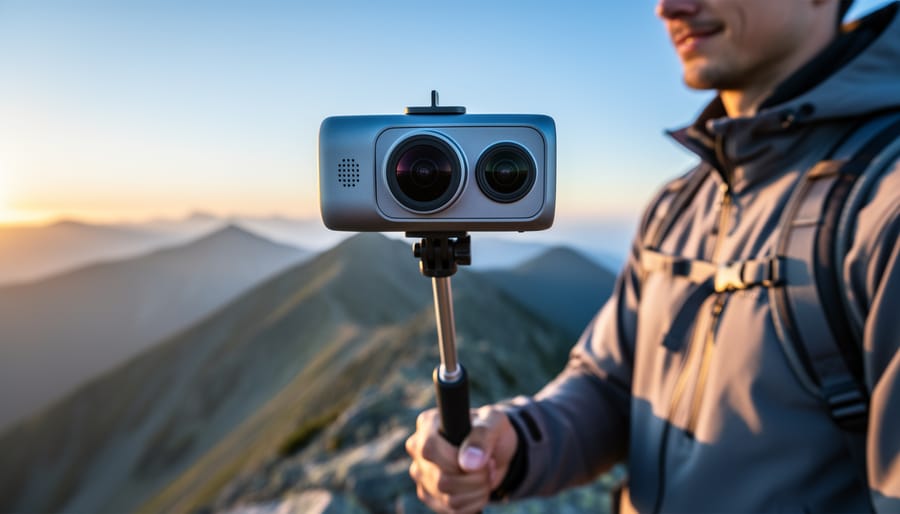
Walk into any electronics store and you’ll face dozens of action cameras promising crystal-clear 4K footage, waterproof durability, and image stabilization—but which features actually matter for your adventures? The gap between marketing promises and real-world performance costs consumers hundreds of dollars annually in unsuitable purchases. Before dropping cash on the latest GoPro alternative or flagship model, you need to understand how frame rates affect slow-motion quality, why bitrate matters more than resolution for action shots, and whether electronic stabilization can handle your mountain biking trails or white-water rapids…
The Lens Accessories That Actually Matter (And the Ones You Can Skip)
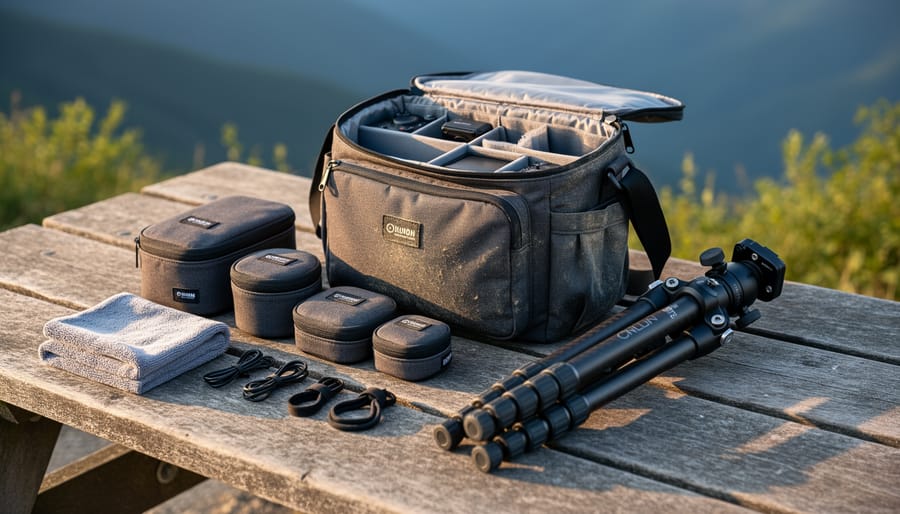
Invest in a UV or clear protective filter first—it’s the cheapest insurance policy for your expensive glass, absorbing scratches and impacts that would otherwise ruin your lens. Skip the bargain-bin versions though; a poor-quality filter degrades image sharpness more than no filter at all.
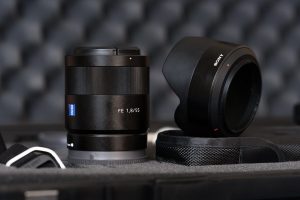
Purchase a proper lens hood specific to your lens model, not a generic alternative. Beyond reducing flare and improving contrast, it provides crucial front-element protection during everyday shooting. Many photographers dismiss hoods as unnecessary until they’ve watched one absorb a bump that would have damaged their lens.
…
Why Your Next Drone Needs 4K (And Which Models Actually Deliver)
Choose drones with true 4K resolution at 60fps minimum—anything less creates choppy footage during fast movements or panning shots. The difference becomes glaringly obvious when you’re tracking a moving subject or capturing sweeping landscape panoramas. Many entry-level models advertise 4K capability but shoot at only 30fps, which severely limits your editing flexibility and creates motion blur in dynamic scenes.
Prioritize 3-axis gimbal stabilization over advertised megapixel counts. A camera sensor means nothing if your footage shakes like a handheld phone video. Quality gimbals from manufacturers like DJI and Autel …
How to Finance Your Dream Camera Gear Without Draining Your Savings
Compare equipment financing options by evaluating interest rates, payment terms, and total cost across credit cards, manufacturer programs, and specialized photography lenders. Professional photographers can often deduct lease payments as business expenses, while purchase financing builds equity in gear that holds resale value.
Calculate the true cost of financing by multiplying your monthly payment by the loan term and comparing it to the gear’s retail price. A $3,000 lens financed at 15% APR over 24 months costs $3,486 total—that extra $486 might cover a quality filter set or extended warranty instead. Factor in whether …
Can’t Afford That Dream Lens? AI Loan Matching Makes It Possible
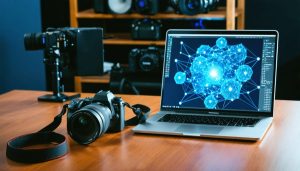
Compare multiple lenders simultaneously using AI-powered platforms that analyze your credit profile, equipment needs, and financial situation to match you with specialized personal loans for photography gear. Upload your desired equipment list—whether you’re eyeing a Canon R5, Sony A1, or exploring budget-friendly camera options—and let machine learning algorithms scan hundreds of lending options in seconds rather than spending hours manually researching.
The photography equipment financing …
Why Your Lens Bokeh Matters More Than Sharpness
Evaluate bokeh quality by shooting test scenes with points of light against dark backgrounds—Christmas lights, streetlamps at dusk, or sunlight filtering through leaves work perfectly. The out-of-focus highlights will reveal your lens’s bokeh character immediately: smooth, circular discs indicate pleasing bokeh, while harsh edges, onion rings, or cat’s-eye shapes suggest optical compromises that can distract in portraits and shallow depth-of-field work.
Study the transition zone between sharp and blurred areas next. Quality bokeh creates gradual, creamy transitions rather than abrupt shifts that draw attention away …
Why Your First Film Camera Should Come From a Thrift Store
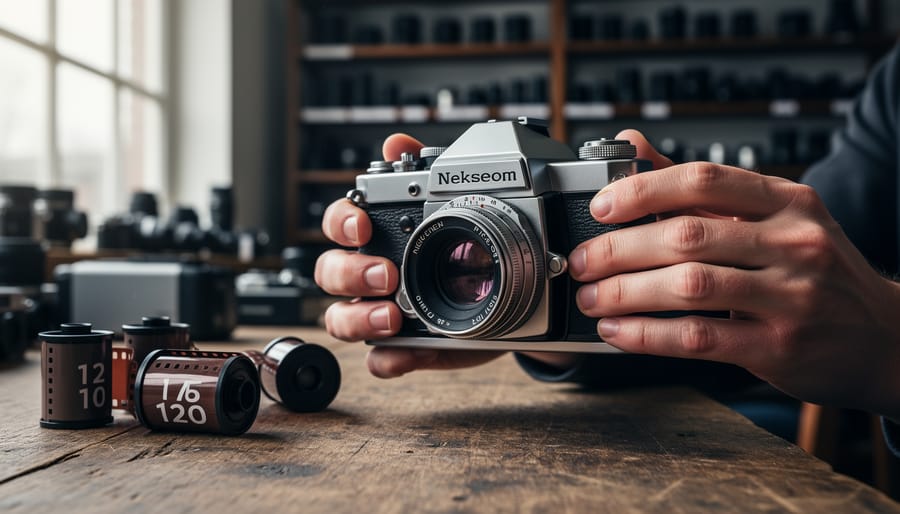
Inspect the shutter by pointing the camera at a light source and firing it at different speeds—a sticky or inconsistent shutter means costly repairs that quickly erase any thrift store savings. Test the film advance mechanism by dry-firing the camera multiple times; it should move smoothly without grinding or sticking, as a jammed advance renders the camera unusable. Check the light seals around the film door and mirror box by looking for deteriorated foam that crumbles to the touch—replacing these costs $20-40 but remains a manageable DIY project unlike mechanical failures. Examine the lens for fungus, haze, or separation by holding …
These Canon Lenses Will Transform Your Video Quality (Without Breaking the Bank)
Choose lenses with smooth, silent autofocus motors—STM or nano USM technology prevents distracting motor noise from contaminating your audio tracks. Prioritize optical image stabilization over digital solutions, especially for handheld shooting where even subtle camera shake becomes magnified in video playback. Look for aperture rings or bodies that allow stepless aperture adjustments, eliminating the exposure jumps that ruin professional footage.
The lens you mount determines video quality more than your camera body ever will. While Canon’s cameras capture excellent video, pairing them with subpar glass creates soft footage…
Why Renting Camera Gear Might Be Costing You More Than a Subscription
Search “camera rental” plus your city name in Google Maps to find local shops within driving distance—most offer same-day pickup and let you test equipment before leaving. Compare their day rates against subscription services like BorrowLenses or LensRentals, which ship nationwide within 1-2 days and often cost 30-40% less for multi-day projects. Calculate your break-even point: if you’re renting more than twice monthly, subscription models typically save money, while local shops win for emergency same-day needs or single-day shoots.
The rental landscape has transformed dramatically over the past five years. …