Point your camera at a moving fan blade or spinning object with clear markings, then shoot at 1/1000s or faster in electronic shutter mode. If the blade appears bent, slanted, or distorted in the image, you’re witnessing rolling shutter—the telltale sign that your camera’s sensor reads data line-by-line rather than all at once. This simple test reveals how your specific camera handles fast motion, which directly impacts everything from sports photography to panning shots.
Record the degree of distortion you observe, then compare it against known benchmarks for your camera model. A quick sweep past vertical lines—like…

High-Speed Sync Flash: When Your Shutter Is Too Fast for Normal Flash
Freeze a tennis player mid-serve in bright afternoon sun with your flash wide open at f/2.8. That’s the promise of high-speed sync (HSS), a technology that breaks through your camera’s normal sync speed barrier of 1/200th or 1/250th second. Without HSS, shooting with flash in bright light forces you into a frustrating compromise: either stop down to f/11 or darker to avoid the dreaded black bar across your frame, or abandon flash altogether and lose that beautiful fill light that makes your subject pop.
High-speed sync works by transforming your flash from a single burst into a rapid pulse of light that fires …
Why Your Photos Have Weird Bands (And How to Test for LED Flicker)
Test for LED flicker by shooting a series of images at progressively faster shutter speeds, starting at 1/60th of a second and increasing to 1/500th or beyond. Dark bands appearing across your frame indicate artificial lighting that cycles faster than your camera can capture uniformly. This phenomenon, called banding or the rolling shutter effect, occurs because LED and fluorescent lights pulse at frequencies tied to electrical currents, typically 100 or 120 times per second depending on your region’s power grid.
Switch your camera to shutter priority mode and photograph a white wall or neutral surface under the suspect …
How Second Shooter Jobs Can Fast-Track Your Photography Career
Second shooting offers photographers a low-risk entry point into professional wedding and event photography while building experience alongside established professionals. A second shooter supports the primary photographer by capturing alternative angles, detail shots, and moments the main photographer might miss, typically earning $200-$500 per event depending on experience and location.
Start by strengthening your foundational skills through portfolio development in multiple lighting conditions, since you’ll need to deliver consistently sharp, well-exposed images without constant direction during fast-paced events. Second …
When Your Camera Brand Becomes Someone Else’s Problem: Understanding Trademark Natural Expansion Zones
When Canon releases a new mirrorless camera system, trademark law protects not just the name but the logical business territories the brand might naturally enter. This legal concept—the zone of natural expansion—determines whether a company can stop others from using similar trademarks in related markets, and it profoundly affects the photography industry you navigate daily.
Picture this: You’re browsing for camera gear online and encounter two brands with nearly identical names—one selling professional DSLRs, the other marketing smartphone photography accessories. Should the DSLR manufacturer have legal grounds to …
Why Your Flash Won’t Fire (And How Hot Shoe Compatibility Actually Works)
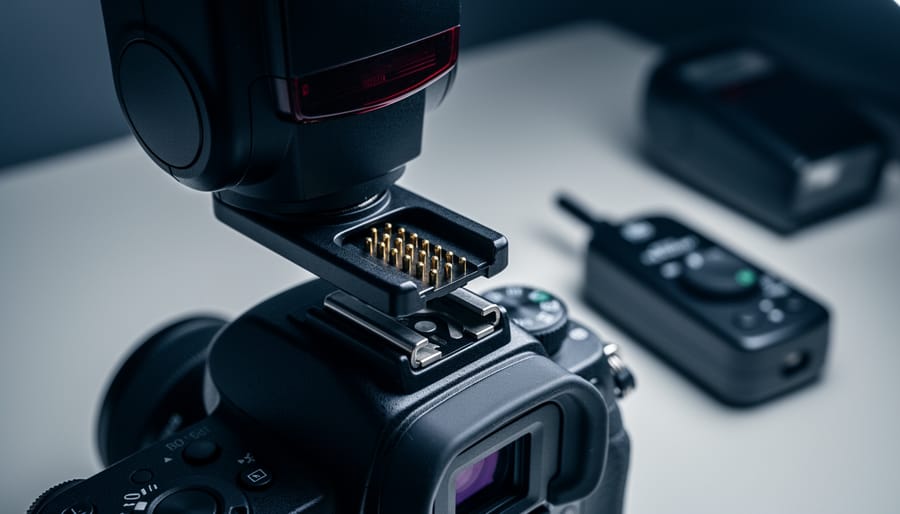
Your camera’s flash hot shoe is more than just a metal bracket—it’s a sophisticated communication hub that can make or break your lighting setup. When you slide a flash onto that shoe and power it on, invisible electronic conversations determine whether you’ll get full TTL metering, high-speed sync capabilities, or just basic manual triggering.
The frustration hits hard when you invest in a new flash only to discover it won’t fire at faster shutter speeds, or worse, displays cryptic error messages. Maybe you’re standing at a wedding ceremony, and your off-brand speedlight suddenly refuses to …
Why Your Film Photos Look Wrong (And How to Meter Like a Pro)
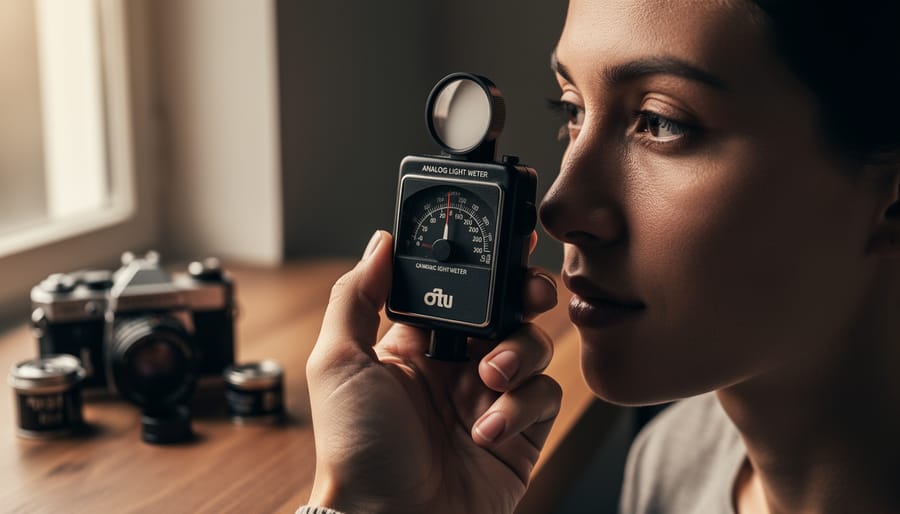
Meter for the shadows, expose for the highlights, and develop for the midtones—this fundamental principle separates successful film shooters from those burning through expensive rolls with inconsistent results. Your light meter doesn’t think like film does, which is why that perfectly exposed digital shot translates to underexposed, muddy negatives when you shoot the same scene on analog. Film has approximately five to seven stops of latitude depending on the stock, but unlike digital sensors that clip highlights first, negative film is remarkably forgiving in the highlights while shadows go to black quickly.
Start by rating…
How to Capture the Raw Power of Life’s Most Sacred Moments
Human life unfolds through universal transitions that transcend culture, geography, and time—moments when we shed one identity and embrace another. Birth welcomes new souls into our world. Marriage unites two lives into shared purpose. Death marks our final passage, completing the circle. These three rites of passage represent photography’s most profound documentary opportunities, yet they demand far more than technical proficiency with your camera.
Photographing these sacred transitions requires you to balance artistic vision with deep cultural sensitivity. A birth photographer must anticipate fleeting expressions of wonder…
Why Your Ocean Photos Look Dull (And How to Fix Them Underwater)
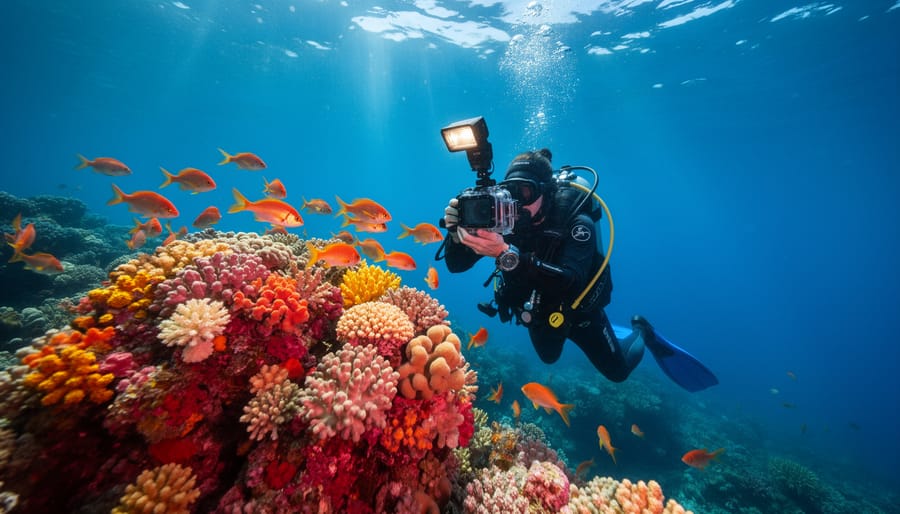
Descend below the surface with your camera in proper housing rated for your maximum diving depth, ensuring all O-rings are cleaned and properly sealed before each dive. Position yourself slightly below your subject and shoot upward whenever possible—this technique captures the magical interplay of natural light filtering through the water column while creating dramatic silhouettes and preventing the common mistake of photographing subjects against monotonous, darker backgrounds.
Shoot in RAW format exclusively and set your white balance to a custom underwater preset or around 5500-6500K, as water absorbs red wavelengths within the…
How Cameras Evolved From Room-Sized Boxes to Your Pocket
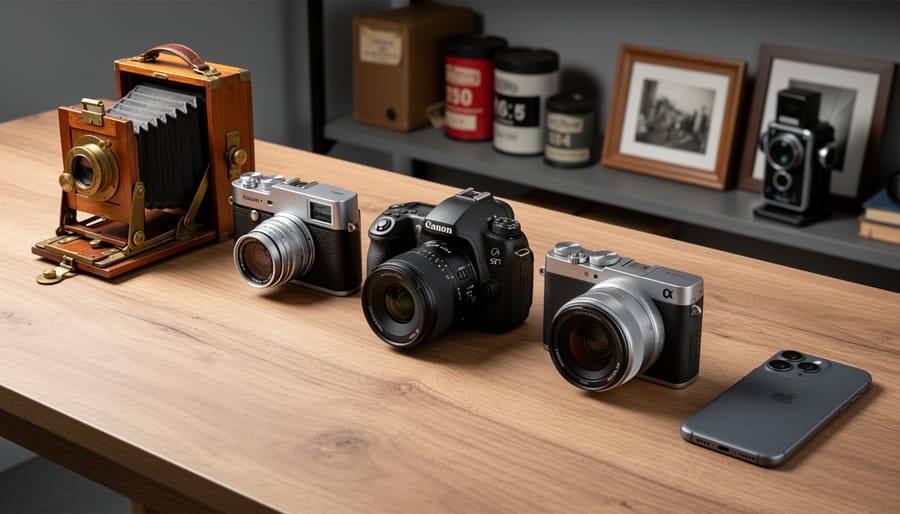
The camera you’re holding today—whether it’s a smartphone or a professional DSLR—represents nearly two centuries of remarkable innovation, trial and error, and creative breakthroughs. From chemical-coated metal plates that required 8-hour exposures in 1826 to digital sensors capturing split-second action at 120 frames per second, photography’s evolution mirrors humanity’s relentless drive to freeze and preserve moments in time.
Understanding this timeline isn’t just about appreciating dusty museum pieces. Every major development in camera history solved a real problem photographers faced: How do we …