 By
By 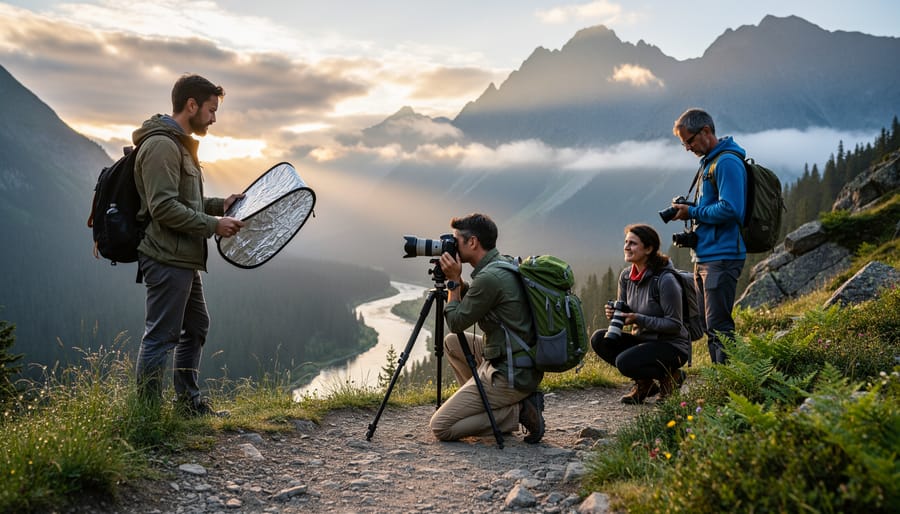
Landscape photography workshops combine hands-on instruction in dramatic natural settings with expert guidance on composition, lighting, and technical skills. The best sustainable options in 2026 pair world-class teaching with carbon-neutral operations, leave-no-trace principles, and direct conservation contributions, meaning you can master golden hour techniques and long exposures while actively protecting the ecosystems you photograph.
The shift toward eco-conscious workshops reflects a growing understanding among photographers that our craft and the landscapes we capture are inseparable. When you book a workshop that partners with local conservation groups, limits group sizes to prevent trail erosion, and supports indigenous land stewardship, you’re not just learning to take better photos. You’re ensuring those locations remain pristine for future photographers and, more importantly, help save our planet through responsible tourism practices.
Traditional workshops often concentrate dozens of tripods in fragile locations during peak seasons, trampling vegetation and disturbing wildlife for that perfect shot. Sustainable alternatives spread impact across seasons and lesser-known locations, teach you to work with available conditions rather than chase Instagram hotspots, and emphasize the photographer’s responsibility as a steward of wild places. This approach produces more thoughtful, original work precisely because it demands creativity over replication.
The eight workshop types outlined below represent verified operations across different landscapes and skill levels, each with transparent sustainability practices you can assess before booking.
What Makes a Landscape Photography Workshop Truly Sustainable
Not every workshop that claims to be “green” actually walks the talk. The difference between genuine sustainable practices and greenwashing comes down to verifiable commitments that affect how you’ll shoot, where you’ll stay, and what impact you’ll leave behind.
True eco-conscious workshops share several core characteristics:
- Group sizes capped at 6-8 participants to minimize trail impact and prevent overcrowding at viewpoints
- Carbon-neutral or low-carbon transportation through electric vehicles, shared transfers, or proximity to major transit hubs
- Local guides who know the land intimately and keep income within communities rather than extracting it
- Direct financial contributions to conservation projects, not vague “awareness” promises
- Strict ethical guidelines for wildlife distance and habitat protection with real consequences for violations
These factors matter particularly for landscape photography because our craft depends entirely on pristine natural spaces. When twenty photographers trample wildflowers to reach that perfect composition, or when workshop groups disturb nesting birds during golden hour, we’re literally destroying what we came to capture. Small groups mean you’re not waiting in line for a tripod spot while damaging vegetation.
The transportation question goes beyond feel-good gestures. Flying workshop leaders and participants across continents creates substantial emissions. Workshops that partner with local experts eliminate redundant travel while providing authentic regional knowledge about light conditions, seasonal changes, and hidden locations that aren’t overrun.
Conservation partnerships reveal whether organizers view sustainability as marketing or mission. Look for specific project names, donation amounts, or land-trust relationships. Workshops that contribute a percentage of fees to habitat restoration or employ graduates from conservation programs demonstrate long-term commitment beyond a single event.
1. Alpine Conservation Photography Retreat, Swiss National Park
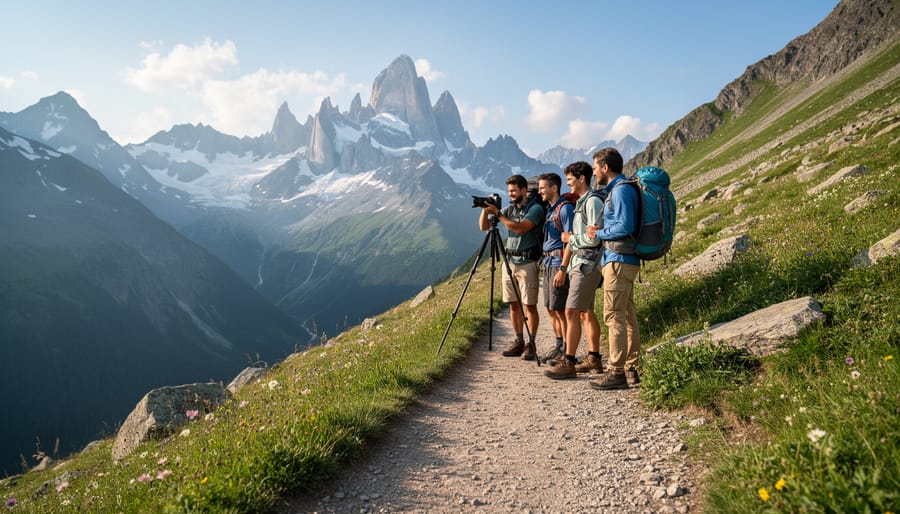
The Alpine Conservation Photography Retreat operates in Switzerland’s oldest national park, where photographers spend five days capturing dramatic mountain scenery while learning conservation principles that inform every shot. This isn’t a casual landscape workshop, it’s designed for photographers who want technical mastery alongside environmental understanding.
You’ll work with Swiss conservation photographers who’ve documented alpine ecosystems for decades. Morning sessions focus on composition techniques specific to mountain environments: managing harsh midday light on snowfields, creating depth in vast alpine vistas, and capturing the transition zones between treeline and rock. Afternoon instruction covers the ecological context, why certain wildflower meadows are fragile, how glacial retreat changes compositions year by year, and what those changes mean for the landscape you’re photographing.
The workshop’s sustainability framework is built into operations rather than added as an afterthought. Solar-powered mountain lodges eliminate generator noise that would both disturb wildlife and ruin the pristine soundscape. All hiking follows established trails exclusively, with guides explaining why stepping off-path damages alpine vegetation that takes decades to recover. Group size caps at six participants, which allows for personalized instruction while preventing the trail erosion and crowding that plague popular mountain photography locations.
What sets this workshop apart is the access. The retreat partners directly with Swiss National Park management, gaining permission to photograph in restricted zones closed to general tourists. These areas offer untouched compositions, but the trade-off is strict adherence to shooting protocols: no repositioning rocks, no trampling vegetation for better angles, and designated shooting windows that avoid sensitive wildlife periods. You learn to work within nature’s constraints rather than forcing the landscape to fit your vision.
2. Coastal Eco-Photography Workshop, Iceland’s Remote Westfjords
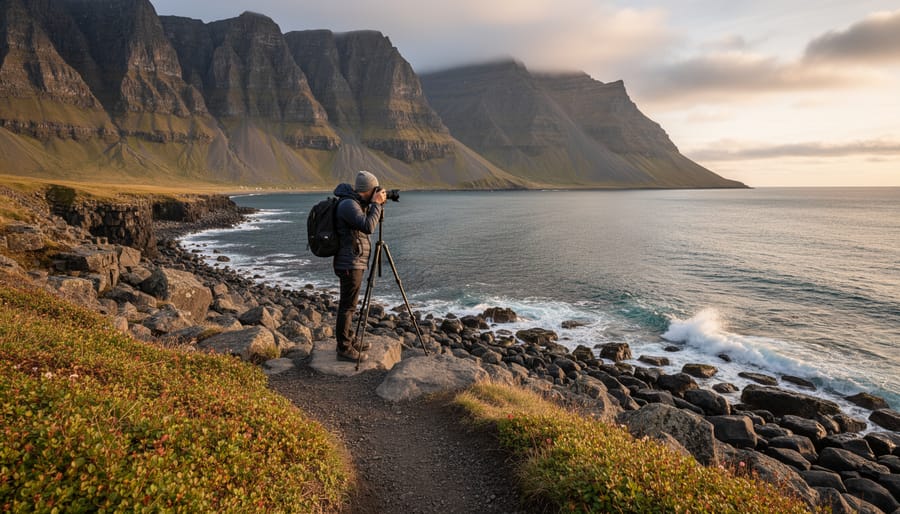
Iceland’s Westfjords offer some of the most dramatic coastal scenery on the planet, and this workshop takes full advantage of the region’s jagged cliffs, black sand beaches, and pounding Atlantic waves while maintaining rigorous environmental standards. Run by photographers who’ve worked in the region for over a decade, the program operates under a strict code that protects the Westfjords’ fragile coastal ecosystems.
The workshop limits groups to just six participants, ensuring everyone gets personalized instruction without overwhelming the remote shooting locations. You’ll learn long exposure techniques to capture the motion of waves against basalt columns, work with Iceland’s distinctive midnight light during summer sessions, and master composition in constantly changing weather. The instructors emphasize patience over volume, teaching you to wait for the perfect moment rather than firing off hundreds of shots while trampling vegetation or disturbing nesting seabirds.
Every aspect of transportation is offset through verified carbon credits supporting Icelandic reforestation projects. The workshop uses locally-sourced electric vehicles when roads permit and partners with a carbon-neutral boat operator for accessing otherwise unreachable coastal formations. Accommodations are in family-run guesthouses that use geothermal heating and serve meals made from ingredients sourced within 50 kilometers.
What sets this workshop apart is its partnership with the Westfjords Conservation Society. Ten percent of each workshop fee goes directly to coastal habitat restoration, and participants spend an afternoon learning about ongoing efforts to protect Arctic tern colonies and prevent erosion at popular photography spots. You’ll come away with portfolio-worthy images and genuine understanding of how landscape photographers can be stewards of the places they document.
3. Desert Light Photography Intensive, Namib-Naukluft National Park
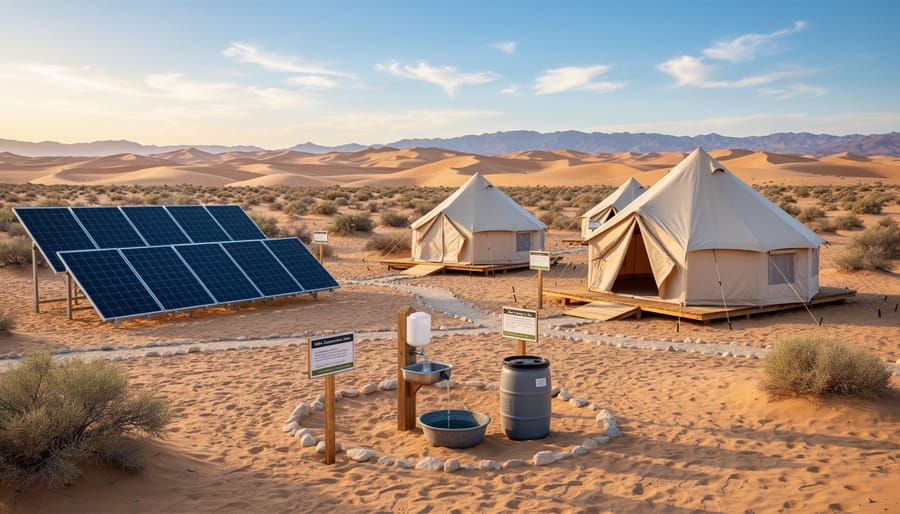
The Namib-Naukluft National Park in southwestern Namibia offers some of Earth’s most striking desert landscapes, with towering red dunes that shift color from burnt orange to deep crimson depending on the light. This workshop capitalizes on those dramatic vistas while maintaining a remarkably low environmental footprint in one of the world’s oldest deserts.
The base camp runs entirely on solar panels, which sounds simple until you consider the challenges of powering camera battery chargers, laptops for editing sessions, and basic amenities in a remote desert location. Participants learn to work with extreme light conditions, capturing the interplay of shadow and texture on massive dune faces during golden hour, when the contrast becomes almost sculptural. The workshop emphasizes patience and timing over volume, teaching photographers to wait for that precise moment when light transforms sand into something otherworldly.
Water conservation takes center stage here by necessity. The camp uses a closed-loop system that recycles greywater for non-potable purposes, and participants receive briefings on desert-appropriate hygiene practices. You’ll learn quickly that a desert workshop isn’t about comfort, it’s about respect for an environment where water scarcity shapes every living thing.
What sets this program apart is its direct financial contribution to anti-poaching patrols protecting the desert elephants and black rhinos that inhabit the park’s gravel plains. A percentage of each workshop fee funds ranger equipment and training, turning your participation into tangible conservation support. The instructors coordinate closely with park rangers, sometimes adjusting shooting locations to avoid disturbing wildlife corridors, which means you occasionally sacrifice a shot for the bigger picture. That trade-off feels right when you’re photographing a landscape this ancient and fragile.
4. Forest Canopy Workshop, Pacific Northwest Temperate Rainforest
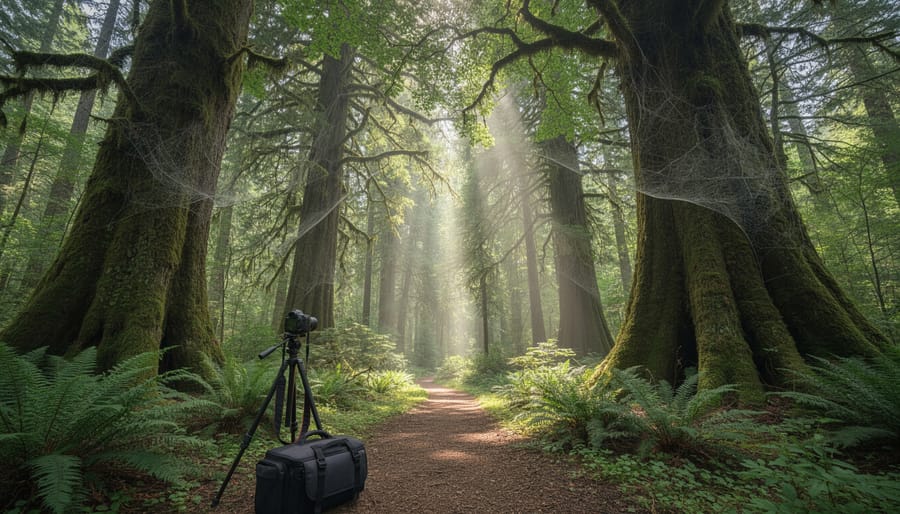
The Forest Canopy Workshop operates in partnership with Coast Salish communities in Washington’s Olympic Peninsula, combining old-growth forest photography instruction with genuine cultural education. Unlike workshops that treat indigenous perspectives as an add-on, this program integrates traditional ecological knowledge into every aspect of the photography curriculum, teaching participants to see these ancient ecosystems through both artistic and cultural lenses.
Before anyone picks up a camera, the workshop begins with a full day of cultural sensitivity training led by Tribal elders. You’ll learn about sacred groves, ceremonial sites, and the cultural significance of specific trees and forest features. This isn’t bureaucratic box-ticking, it fundamentally changes how you approach forest photography. When you understand why certain 800-year-old cedars matter beyond their aesthetic value, you shoot them differently.
Access is strictly limited to eight participants per session, and the workshop avoids popular trails entirely. Your guides, who include both professional photographers and indigenous forest stewards, lead you to lesser-known groves where permit restrictions keep crowds away. This protects sensitive moss-covered nurse logs and fragile understory plants while giving you compositions free from the trampled ground and visible footprints that plague heavily trafficked locations.
The teaching style emphasizes patience over productivity. You might spend an entire morning with a single fallen cedar, waiting for subtle light shifts through the canopy rather than racing between locations. This contemplative approach mirrors traditional forest practices and produces more nuanced images than standard workshop blitzes. You’ll learn to work with diffused light, manage extreme dynamic range without HDR excess, and find intimate details rather than relying on grand vistas.
All workshop fees include direct contributions to Tribal forest conservation programs and old-growth protection initiatives.
5. Aurora and Tundra Photography Experience, Northern Norway
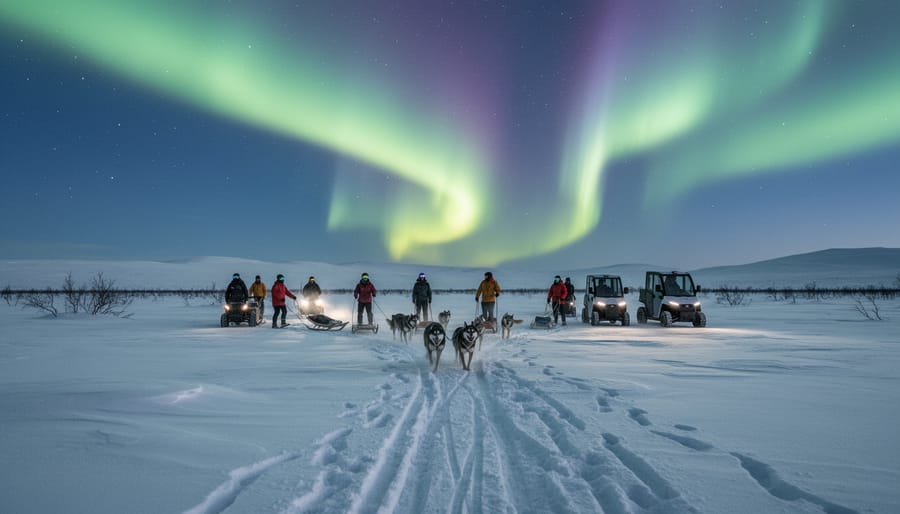
Operating from a carbon-neutral base near Tromsø, this workshop tackles one of landscape photography’s toughest challenges: maintaining eco-friendly practices in sub-zero conditions. The five-day intensive runs from late November through February, when the polar night provides extended shooting windows for the aurora borealis.
The program uses electric Tesla vehicles for all transport, pre-heated at the base camp powered by Norway’s renewable grid. Guides plan routes meticulously to maximize efficiency and minimize charging stops, though backup diesel generators exist for genuine emergencies. The workshop’s zero-waste approach requires participants to pack out everything, including frozen gray water from washing, which presents unique logistical puzzles in temperatures that regularly hit minus 20 Celsius.
What sets this experience apart is the partnership with local Sámi families who still practice traditional reindeer herding. Participants spend one full day learning how indigenous knowledge informs sustainable land use, then apply those principles to their photography. You’ll shoot the herds during their winter migration, but only from designated viewing points that don’t disrupt the animals. The Sámi guides explain how their ancestors read the landscape, knowledge that directly translates to predicting aurora activity and understanding weather patterns.
Aurora techniques covered include long exposure stacking, foreground illumination without light pollution, and composition strategies that incorporate the tundra landscape rather than treating it as dead space beneath the lights. The instructors emphasize patience over chasing storms, reducing the carbon cost of constant repositioning. Heated mobile hides allow comfortable multi-hour sessions without running vehicle engines, and the workshop provides hand warmers made from reusable sodium acetate rather than disposable chemical packs.
6. Volcanic Landscape Workshop, New Zealand’s Tongariro Region
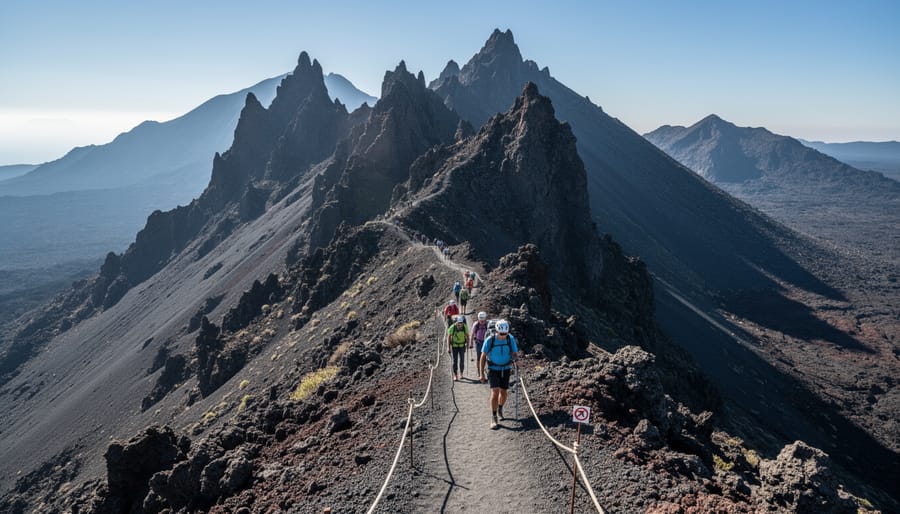
The Tongariro Region delivers some of Earth’s most otherworldly landscapes, steaming vents, crater lakes that shift from emerald to turquoise depending on mineral content, and the brooding silhouette of Mount Ngauruhoe. This workshop distinguishes itself by weaving Māori concepts of kaitiakitanga (guardianship) directly into how participants frame and shoot volcanic terrain.
Rather than simply photographing the landscape, you’ll learn to see it through the lens of indigenous environmental philosophy. Local Māori guides explain the spiritual significance of specific formations before you set up your tripod, which fundamentally changes how you approach composition. You’re not just capturing a mountain, you’re documenting a living ancestor that demands respect. This perspective naturally leads to more thoughtful photography: fewer rushed shots, more time spent understanding light and shadow, and a deliberate focus on showing the land’s power without exploiting it.
The workshop caps enrollment at six photographers, ensuring everyone gets direct instruction on technical challenges like exposing for volcanic rock’s extreme contrast and capturing geothermal steam without losing detail. The small size also minimizes impact on sacred sites and keeps the group moving quietly through sensitive areas.
Sustainability measures include staying in locally-owned lodges where proceeds support Māori conservation initiatives, walking to most shooting locations to avoid vehicle emissions in the national park, and timing sessions around natural light rather than using artificial sources that could disturb nocturnal wildlife. Workshop fees directly fund track maintenance and predator control programs that protect native species.
The real value lies in how this cultural framework deepens your landscape work. You’ll leave shooting slower, thinking harder about your subject’s context, and understanding that powerful landscape photography doesn’t require compromising the places we photograph.
7. Wetlands and Waterways Workshop, Everglades National Park
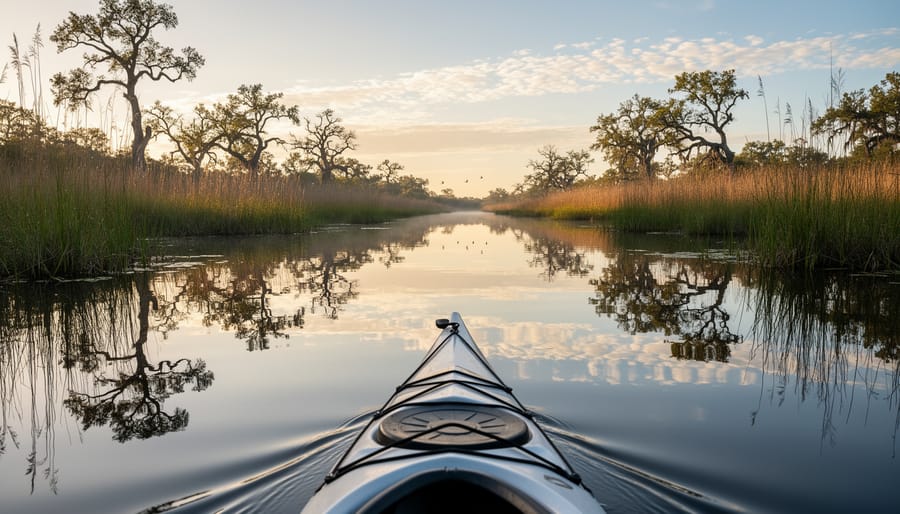
The Everglades present a photographer’s paradox: stunning landscapes that are simultaneously fragile and threatened. This workshop solves that dilemma by teaching water-based landscape photography from kayaks, eliminating the trail erosion and vegetation damage that plague this ecosystem.
What sets this program apart is its direct funding model. Twenty percent of each workshop fee goes to sawgrass restoration projects, and participants spend one morning working alongside restoration crews before picking up their cameras. You’ll plant native vegetation and learn how water flow patterns, critical to understanding composition here, are being restored after decades of drainage.
The kayak approach isn’t just about minimal impact. It fundamentally changes how you photograph wetlands. You’re at water level, where morning mist hovers and bird reflections double in glassy channels. Instructors teach techniques specific to shooting from an unstable platform: using your kayak’s momentum for panning shots, timing exposures between paddle strokes, and protecting gear in humid, spray-prone conditions.
Groups launch at dawn from chickees (traditional raised platforms), spending three to four hours on the water before heat and light quality decline. The slow pace, you might cover just two miles, allows for careful observation. You’ll learn to read water movement, anticipate wildlife without pursuing it, and capture the subtle gradations of light across sawgrass prairies.
The workshop operates only during dry season (November through April) when water levels naturally concentrate wildlife and minimize environmental stress. No motorized boats, no wading through vegetation, no shortcuts. Just patient, considered photography that leaves nothing behind except shutter clicks.
8. Mountain Meadow Photography Retreat, Dolomites, Italy
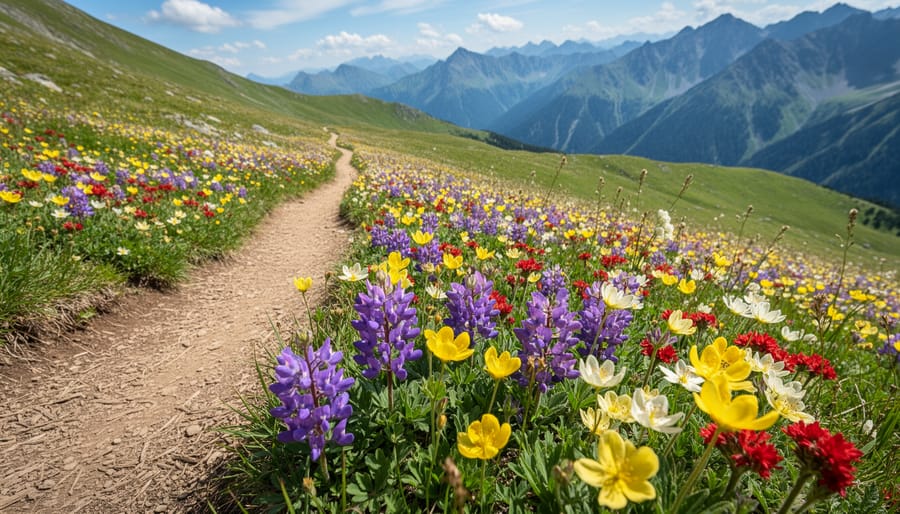
The Dolomites’ summer meadows present a unique challenge for landscape photographers: capturing stunning alpine wildflower carpets without destroying them in the process. This five-day workshop, running from mid-June through July, addresses that tension head-on with some of the strictest environmental protocols on this list.
Participants stay in a restored rifugio that sources 90% of its meals from farms within ten kilometres, dramatically cutting the camera gear cost to the environment through reduced food transport. The workshop limits groups to just six photographers, and instructors mark specific shooting positions with temporary wooden platforms that distribute weight without crushing vegetation. You’ll never venture off designated paths during peak bloom.
Lead instructor Marco Tessaro teaches macro techniques and focus-stacking from these fixed positions, proving you don’t need to wade through flowers to capture intimate details. Morning sessions emphasize working with natural light at different angles from a single spot, while afternoon workshops cover foreground compression and depth-of-field control that makes small patches appear expansive.
The off-trail restrictions actually sharpen your compositional skills. When you can’t reposition freely, you learn to use focal length changes, camera height adjustments, and patience for shifting light instead. Participants consistently report that these constraints force creative problem-solving they carry into all their landscape work.
The workshop includes a half-day session with a local botanist who explains the fragile alpine ecosystem and why a single misplaced footstep during flowering season can prevent seed production. That context transforms how photographers approach not just this location but any sensitive natural area. You’ll leave with both portfolio-worthy images and a concrete understanding of low-impact shooting practices.
What to Bring and How to Prepare
Packing smart for a sustainable landscape photography workshop means prioritizing versatile, durable gear that reduces your overall travel footprint. Start with a lightweight camera body and two or three quality lenses instead of your entire kit, a wide-angle zoom and a telephoto typically cover most landscape scenarios without adding unnecessary kilograms to your luggage. Consider the environmental cost of your choices: rechargeable batteries with a portable solar charger eliminate disposable battery waste, while a robust, reusable water bottle and collapsible coffee cup prevent single-use plastic accumulation during long shooting days.
Your clothing matters more than you might think. Choose layers made from sustainable materials like merino wool or recycled synthetics that wick moisture, regulate temperature, and require less frequent washing. A good rain shell and warm mid-layer can be worn repeatedly without needing to pack multiples, cutting down luggage weight and the resources needed for laundry during your workshop. Avoid bringing brand-new gear specifically for one trip, the manufacturing impact of new equipment far outweighs using what you already own, even if it’s slightly heavier.
Research the workshop’s sustainability claims with healthy skepticism. Look beyond marketing language for concrete details like third-party certifications, documented partnerships with conservation organizations, or transparent carbon offset programs. Check recent participant reviews that mention environmental practices, and don’t hesitate to email organizers directly about their specific protocols. Legitimate sustainable workshops welcome these questions and can provide detailed answers about their practices, from waste management to local community involvement.
Common Questions About Sustainable Landscape Photography Workshops
Are sustainable workshops more expensive?
They often cost 10-20% more than conventional workshops due to smaller groups, local guides, and eco-friendly infrastructure. However, many include carbon offsets, conservation donations, and longer shooting sessions that deliver better value per photo opportunity.
How do I verify a workshop’s green claims?
Look for specific details like named conservation partners, carbon offset certificates, and transparent sustainability policies on their website. Genuine eco-conscious operators will readily explain their practices and shouldn’t hesitate when you ask about group size limits or waste management protocols.
Can beginners attend these workshops?
Most sustainable landscape workshops welcome all skill levels, though some alpine or remote location programs require basic fitness for low-impact hiking. The instructors typically provide more personalized attention due to smaller groups, which actually benefits beginners.
What’s the typical group size?
Sustainable workshops usually cap enrollment at 6-10 participants compared to 15-20 in conventional programs. This reduces environmental impact on sensitive locations and ensures you get adequate instructor feedback on your compositions.
The accommodation question matters more than you might expect. Sustainable workshops tend toward rustic lodges, eco-camps, or locally-owned guesthouses rather than chain hotels, which means simpler facilities but often better access to locations at golden hour. You’ll sacrifice some creature comforts, but you gain proximity to landscapes and the knowledge that your stay supports communities working to protect wild spaces.
As for photographic quality, sustainable practices rarely limit shooting opportunities. Restricted group sizes actually mean less crowding at viewpoints, and knowledgeable local guides know hidden compositions that mass-tourism workshops miss entirely. The constraint of minimal-impact protocols forces you to slow down and work compositions more thoughtfully, which typically produces stronger images than spray-and-pray approaches at overrun locations.
Choosing a sustainable landscape photography workshop means investing in your craft while protecting the very landscapes that inspire you. The eight workshops we’ve explored prove that environmental responsibility and photographic excellence aren’t competing priorities, they’re complementary ones.
When you photograph sunrise over Iceland’s coastlines or alpine meadows in the Dolomites knowing your presence leaves minimal impact, that peace of mind translates into more focused, intentional work. You’re not rushing to grab a shot before moving on; you’re learning to read light, anticipate weather, and truly see the landscape rather than simply document it.
Before booking your next workshop, ask questions about sustainability practices. Request specifics about group sizes, transportation methods, and conservation partnerships. Legitimate eco-conscious operators welcome these conversations and can back up their claims with concrete details.
The most rewarding landscape photography happens when we slow down, respect our subjects, and recognize that protecting these places ensures future photographers can experience them too. Sustainability isn’t a limitation on creativity, it’s a framework that encourages deeper engagement with the natural world and, ultimately, stronger photographs that matter.





 By
By